Florida Room Heating & Air Conditioning in Algiers, LA
.webp)
Creating a comfortable, yearround Florida room in Algiers, LA, requires more than just a standard air conditioning unit. The high solar gain, humidity, variable occupancy, and often tight layouts of Algiers homes mean Florida rooms need HVAC solutions designed specifically for these unique conditions. That's where Cypress Cooling comes in. We provide specialized Florida room heating and air conditioning guidance that addresses load calculations for high solargain spaces, system selection between ductless mini splits and compact central systems, insulation and shading improvements, zoning and thermostat placement, typical installation steps and timelines, energyefficiency expectations, maintenance needs, and warranty and financing options – all tailored to the environmental and construction realities of Algiers and greater New Orleans neighborhoods.
.webp)
Florida Room Heating & Air Conditioning in Algiers, LA
Creating a comfortable, year-round Florida room in Algiers, LA requires more than a one-size-fits-all air conditioning unit. High solar gain, humidity, variable occupancy, and the tight layout of many Algiers homes mean Florida rooms need HVAC solutions designed specifically for sunroom conditions. Cypress Cooling Company provides specialized Florida room heating and air conditioning guidance that addresses load calculations for high solar-gain spaces, system selection between ductless mini-splits and compact central systems, insulation and shading improvements, zoning and thermostat placement, typical installation steps and timelines, energy-efficiency expectations, maintenance needs, and warranty and financing options all tailored to the environmental and construction realities of Algiers and greater New Orleans neighborhoods.
Why Florida room HVAC is different in Algiers, LA
Algiers sits in a humid subtropical climate with hot, sunny summers, frequent humidity, and mild winters. Florida rooms or sunrooms here often have large expanses of glass and exposures that can cause extreme heat gain during summer and rapid heat loss on cooler nights. These spaces also tend to be used intermittently, so conventional whole-house systems frequently struggle to balance comfort and efficiency. Properly engineered Florida room HVAC takes into account:
- High solar gain from western and southern exposures, especially in the afternoon.
- Elevated indoor humidity that requires integrated dehumidification strategies.
- Local building types and common window treatments in Algiers homes.
- Storm season considerations: systems must be resilient and serviceable after severe weather.
Cypress Cooling Company builds solutions with these local factors in mind to deliver comfort without excessive energy use.
Common Florida room problems we solve
- Overheating in afternoon sun leading to unusable space during peak hours.
- Excess humidity and condensation on glass and frames that promote rot or mold.
- Uneven temperature compared with adjacent conditioned living spaces.
- High utility bills when a whole-house system runs constantly to offset sunroom gain.
- Poor thermostat response because of incorrect placement or lack of zoning.
- Short system life or premature cycling from oversized equipment.
Understanding the specific symptoms in your Florida room is the first step to designing the right solution.
Types of Florida room HVAC solutions
Cypress Cooling Company evaluates each Florida room and recommends one of the following approaches or a hybrid solution:
- Ductless mini split systems
- Ideal for retrofits and rooms with minimal or no existing ductwork.
- Provide precise temperature control and integrated dehumidification.
- Multiple indoor heads can support larger sunrooms with zoning.
- Efficient in intermittent use scenarios because compressors operate only when needed.
- Compact central systems (small packaged or dedicated zone from existing system)
- Suitable when integration with the home HVAC is preferred and ducts exist or can be extended.
- Often chosen when aesthetic considerations demand hidden equipment.
- Requires careful duct design to avoid short cycling and ensure proper airflow.
- PTAC or packaged terminal units
- Useful for some enclosed additions where independent control and simple installation are priorities.
- Less efficient than modern mini splits but can be cost effective for certain layouts.
- Hybrid systems
- Combining shading, insulation, and a small mechanical system can produce optimal comfort and efficiency.
- Example: an interior ductless head paired with improved glazing and automated shading to reduce capacity requirements.
Load calculations for high solar gain spaces
Proper load calculation is the cornerstone of a reliable Florida room HVAC system. Cypress Cooling Company follows a methodical process:
- Gather room data: square footage, ceiling height, orientation, window area, glazing type, shading, insulation levels, and construction details.
- Assess occupancy and usage patterns: hours of use, number of occupants, and typical internal heat sources like lighting or appliances.
- Model solar gain: calculate glass heat transfer and radiation for south and west exposures that dominate afternoon heat in Algiers.
- Account for humidity and ventilation requirements: include latent load calculations to size dehumidification capacity.
- Determine sensible and latent loads separately to ensure the chosen system can control both temperature and moisture without excessive runtime or short cycling.
Accurate load calculations prevent oversizing, reduce equipment wear, and avoid comfort problems typical of Florida rooms in sunny climates.
Ductless mini split vs compact central system: which is right for your Florida room
Both options have pros and cons. Cypress Cooling Company recommends choices based on technical fit, aesthetics, and long term operating cost.
Ductless mini split benefits:
- Highly efficient inverter driven compressors that modulate to match load.
- Zoned comfort with multiple indoor heads if needed.
- Minimal invasive installation: small refrigerant lines instead of large ducts.
- Faster installation in retrofit scenarios and easier to service after storms.
Ductless mini split considerations:
- Visible indoor heads unless concealed within a soffit.
- Initial equipment cost may be higher than a simple packaged unit, but operating cost is typically lower.
Compact central system benefits:
- Concealed air handler and ducts preserve a cleaner room appearance.
- Logical choice when extending an existing ducted system is feasible.
- Centralized maintenance if the home already has a central HVAC contractor relationship.
Compact central system considerations:
- Duct runs must be carefully designed to avoid long runs and leakage.
- May require more extensive construction work and longer timelines.
Choosing the optimal system depends on load, room configuration, aesthetic preference, and budget planning.
Insulation, glazing, and shading strategies
Mechanical systems perform best when the building envelope is optimized. Cypress Cooling Company incorporates envelope improvements tailored to Algiers homes:
- Window and glass improvements
- Double pane, low e glazing reduces solar heat gain and nighttime heat loss.
- Window films can be a cost effective retrofit to reduce glare and heat.
- Shading
- Exterior shading like awnings or retractable shades reduces peak solar loads most effectively.
- Interior blinds and solar shades improve daytime comfort and can be automated for convenience.
- Insulation and sealing
- Proper ceiling and wall insulation reduces conductive heat transfer.
- Air sealing at frames, roof intersections, and penetrations reduces uncontrolled infiltration.
- Roof and overhang considerations
- Light colored or reflective roofing near the sunroom reduces radiant heat transfer into the space.
These measures often reduce required equipment capacity, lower operating costs, and improve overall comfort.
Zoning and thermostat placement
Florida rooms behave differently than the core living spaces; zoning solves control problems:
- Independent zone
- A separate thermostat or controls for the Florida room ensures the rest of the home is not overcooled to compensate for sunroom gain.
- Thermostat placement
- Locate the control away from direct sunlight, drafts, or heat generating appliances.
- For ductless systems, use the head or wall mounted remote sensors recommended by the manufacturer to measure room conditions accurately.
- Smart zoning
- Smart thermostats and controllers allow scheduling, remote monitoring, and humidity control, which is valuable for intermittent use and storm preparedness.
Proper zoning prevents unnecessary energy use and keeps the space comfortable when you need it.
Typical installation steps and timelines
While each project varies, Cypress Cooling Company typically follows this process:
- Site evaluation and load calculation (1 to 2 days)
- Inspect orientation, glazing, insulation, and access for equipment.
- Complete detailed load calculations and system design.
- Proposal and equipment selection (1 to 3 days to finalize)
- Review system types, placement, and any envelope upgrades.
- Permits and materials ordering (variable, often 1 to 2 weeks)
- Coordinate required local permits and order equipment.
- Installation (1 to 5 days, depending on complexity)
- Ductless: typically 1 to 3 days for single or small multi head installs.
- Compact central or duct extension: 2 to 5 days if construction is needed.
- Envelope upgrades and shading installations may extend the timeline.
- Startup, balancing, and client orientation (1 day)
- Commission system, balance airflow, set control parameters, and explain operation.
- Follow up and post install check (2 to 8 weeks)
- Verify performance during different conditions and adjust as needed.
Local permitting and weather considerations during hurricane season can affect timelines, so planning for flexible windows is prudent.
Energy efficiency and cost expectations
Florida rooms with proper design can be comfortable year round while minimizing energy impact. Energy expectations include:
- Reduced runtime compared with trying to cool an unmodified sunroom with a whole house system.
- Mini splits often achieve higher seasonal energy efficiency ratios, translating to lower monthly operating cost.
- Envelope improvements reduce required BTU capacity which lowers both initial equipment size and long term energy consumption.
- Humidity control prevents the need for overcooling to remove moisture, which in turn reduces energy use and improves comfort.
While exact costs depend on system type, sizing, and envelope work, Cypress Cooling Company provides energy modeling during the design phase to estimate annual consumption and savings so you can weigh long term operating costs against upfront investment.
Maintenance requirements and durability
Florida rooms require routine care to sustain comfort and prevent moisture issues:
- Regular maintenance tasks
- Clean filters monthly during heavy use and at least quarterly otherwise.
- Schedule professional maintenance twice a year: pre summer cooling tune and pre winter check for heating and defrost components where applicable.
- Keep outdoor condenser units free of debris and ensure drainage is clear.
- Humidity specific checks
- Inspect for condensation on glass and frames; persistent condensation indicates a need to adjust system capacity or improve ventilation.
- Ensure drain pans and condensate lines are clean and clear to avoid overflow and water damage.
- Resilience after storms
- Inspect outdoor units and electrical connections after severe weather.
- Ensure any storm related building damage is repaired before operating the system long term.
Following these steps extends equipment life and preserves interior finishes in humid Algiers conditions.
Warranty and financing options
Cypress Cooling Company assists homeowners in understanding manufacturer warranties and available financing options that are commonly offered in the industry:
- Manufacturer warranties
- Equipment typically includes a base parts warranty, often extendable with proper registration and professional installation.
- Compressor and major components may carry separate extended warranty terms.
- Installation workmanship warranty
- Professional installation usually comes with a workmanship warranty covering leaks, electrical connections, and system commissioning details for a specified period.
- Financing
- Many homeowners use financing options to spread the investment over time. Financing plans can align monthly payments with anticipated energy savings for more predictable budgeting.
Cypress Cooling Company explains the applicable warranty terms for the chosen equipment and collaborates with homeowners to understand typical financing structures so decision makers can choose the best financial path.
Local case studies: Algiers examples
Case study 1: Afternoon overheating in a west facing sunroom
- Situation: A single family home in Algiers experienced unusable afternoons during summer due to strong west sun. The homeowner wanted a solution without major construction.
- Solution: Cypress Cooling Company performed a load calculation, installed a two head ductless mini split with inverter technology, and added exterior retractable awnings. Thermostat sensors were positioned away from direct sun.
- Result: Immediate reduction in peak afternoon temperatures, improved humidity control, and lower energy use compared with running the whole house system.
Case study 2: Converted porch with high humidity and inconsistent comfort
- Situation: A screened porch converted to an enclosed Florida room had minimal insulation and a single window AC that struggled with humidity and uneven temperatures.
- Solution: The team upgraded glazing to low e windows, added attic insulation, and installed a compact central air handler tied into a short duct run. Zoned controls allowed the sunroom to run independently.
- Result: Balanced temperature control in winter and summer, elimination of condensation on windows, and dramatic reduction in running hours and noise.
These real world examples reflect typical Algiers challenges and practical solutions that prioritizes long term comfort and durability.
Tips for maximizing year round comfort in your Florida room
- Prioritize solar control first: exterior shading often reduces required mechanical capacity more than any other single change.
- Choose equipment sized to the calculated load; oversizing causes short cycling and poor humidity control.
- Use a system with variable capacity operation to match part load conditions typical of intermittent use.
- Consider a dehumidification strategy that does not rely solely on overcooling; integrated dehumidification delivers comfort without wasted energy.
- Keep thermostats and sensors out of direct sun, drafts, or heat sources to ensure accurate control.
- Schedule biannual maintenance to maintain performance through Algiers humidity cycles and after storm season.
- Integrate smart scheduling if the room is used sporadically: programmable or smart controllers minimize runtime when the space is unoccupied.
- When renovating, upgrade glazing and insulation concurrently with mechanical changes to avoid mismatched performance.
Cypress Cooling Company recommends these practical steps to protect both comfort and investment, especially in humid, sunny Algiers climates.
FAQ
Q: How do I know whether a ductless mini split or compact central system is better for my Florida room?A: The right option depends on the room layout, presence of existing ducts, aesthetic preferences, and the load calculation. Ductless mini splits are ideal for retrofits and provide efficient, zoned control with minimal construction. Compact central systems work well if you prefer concealed equipment and have feasible ductwork or can integrate the room into an existing HVAC setup. A professional load calculation and site evaluation will determine the technical fit.
Q: Will a Florida room HVAC system control humidity effectively?A: Yes, when correctly sized and specified with latent capacity or an integrated dehumidification strategy. Systems that cycle frequently or are oversized can struggle to remove moisture, so variable capacity equipment and proper sizing are important. Envelope improvements like improved glazing and shading also reduce moisture problems.
Q: Can I use my whole house system to cool a Florida room?A: It is possible, but often inefficient. Whole house systems may overwork to overcome solar gain, cause uneven comfort, and lead to higher energy costs. Zoning or a dedicated Florida room system often provides better comfort and lower operating expense.
Q: How long does a typical Florida room HVAC installation take?A: Most installations range from one to five days depending on system complexity, needed ductwork, and envelope upgrades. Permits and material lead times can add one to two weeks. More extensive envelope or shading work may extend the schedule.
Q: Will adding shading reduce the size of the HVAC system I need?A: Yes. Exterior shading and improved glazing significantly reduce solar gain, which can lower the calculated cooling load and allow for smaller, more efficient equipment. Exterior shading is the most effective way to reduce peak heat loads.
Q: What maintenance does a Florida room system need?A: Regular filter cleaning or replacement, twice yearly professional tune ups, clearing debris from outdoor units, and inspection of condensate lines and drain pans. In humid Algiers conditions, monitoring for condensation and mold is also important.
Q: Are mini splits visible and will they affect the room aesthetics?A: Mini split indoor heads are visible, but they are available in low profile designs and can be mounted high on walls, in ceilings, or concealed in soffits. For owners who prefer minimal visible equipment, compact central systems or creative placement can preserve aesthetics.
Q: Do I need any permits to install HVAC in my Florida room in Algiers?A: Many installations require local permits, electrical inspections, and compliance with building codes. Cypress Cooling Company coordinates permit requirements and ensures installations meet local standards to maintain safety and warranty coverage.
Q: What kind of warranty should I expect on equipment and installation?A: Manufacturer warranties typically cover parts and major components, and professional installers usually offer workmanship warranties for a specified period. Equipment registration and regular maintenance are often conditions for extended warranties.
Q: How can I reduce the chance of HVAC damage from storms?A: Elevate outdoor equipment where feasible, secure electrical connections, and schedule inspections after severe weather. Ensuring the system is installed by professionals who follow local code and best practices also reduces risk.
OUR CLIENTS HAVE TO SAY ABOUT US



Service areas
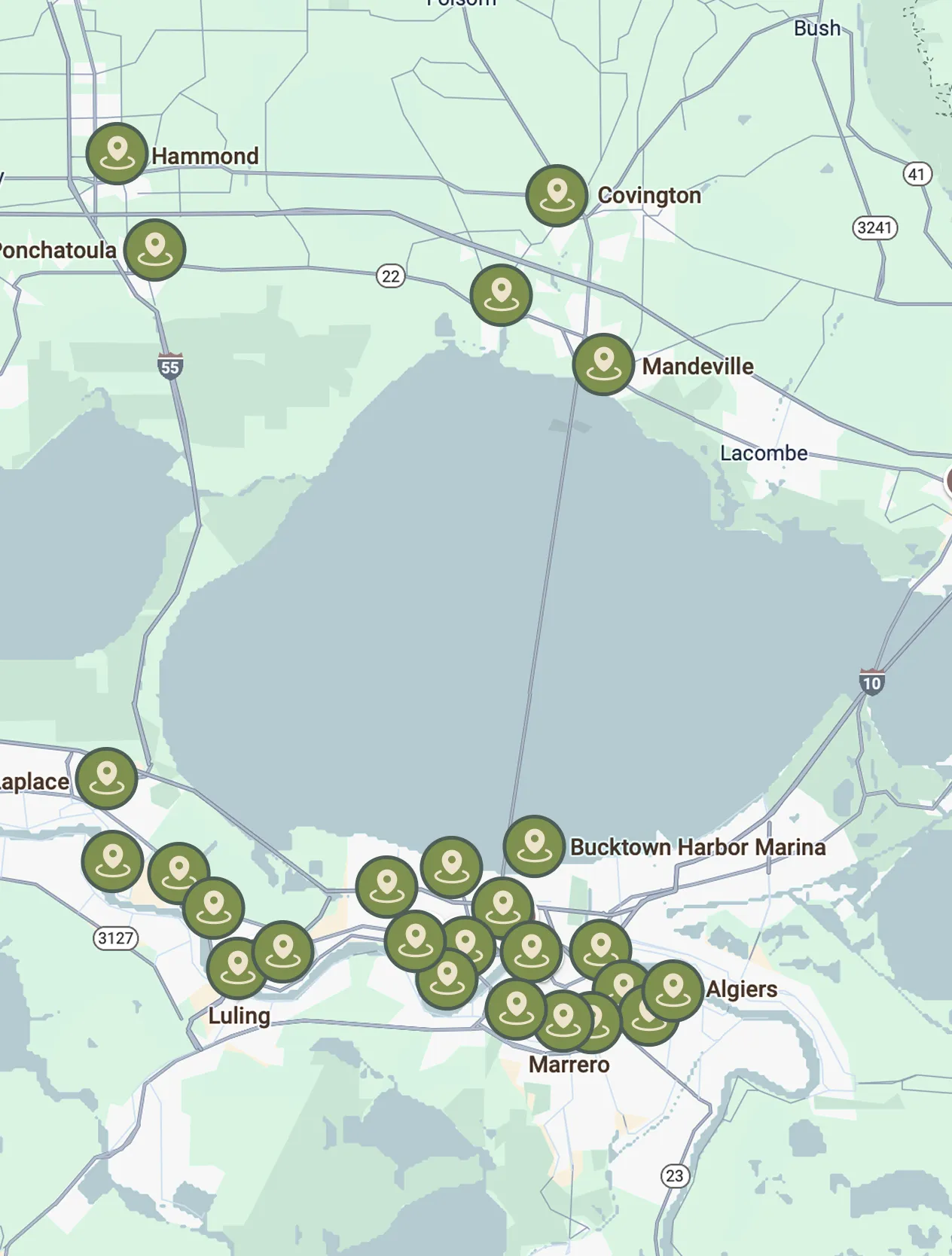
Our service areas are designed to meet the diverse needs of our clients. We focus on providing exceptional service and ensuring customer satisfaction in every location we operate.