Mini Split Tune-Up in Harvey, LA
.webp)
Professional mini split tune ups from Cypress Cooling in Harvey, LA help sustain reliable cooling and energy efficiency by performing performance tests, refrigerant checks, thermostat calibration, coil and filter cleaning, and airflow balancing. Our service assesses safety, measures temperature differentials, and documents findings with actionable recommendations. Regular maintenance reduces the risk of mid-season breakdowns, extends equipment life, and preserves indoor air quality. Most tune ups take about an hour to two, with recommendations for biannual scheduling and seasonal upkeep tailored to Harvey’s coastal climate.
-min%2520(2).webp)
Mini Split Tune-up in Harvey, LA
Keeping mini split systems running reliably and efficiently in Harvey, LA requires seasonal attention. With hot, humid summers, occasional salt air exposure, and heavy pollen in spring, mini split systems face stress that reduces performance and raises energy bills. A professional mini split tune-up focuses on performance testing, refrigerant checks, thermostat calibration, coil and filter cleaning, and airflow balancing to restore capacity, improve reliability, and extend equipment life.
Why a Mini Split Tune-up Matters in Harvey, LA
Harvey’s humid subtropical climate and proximity to the Gulf mean higher cooling loads, more mold and mildew risk, and accelerated corrosion in outdoor equipment. Routine tune-ups prevent small problems from turning into system failures during peak summer or unexpected cold snaps. For multi-head or single-zone units installed in Harvey homes, seasonal service helps maintain comfort, indoor air quality, and energy efficiency when you need them most.
Common Mini Split Issues in Harvey Homes
- Reduced cooling capacity during humid months due to clogged filters and dirty evaporator coils
- High energy use from improper refrigerant charge or uncalibrated controls
- Frozen indoor coils caused by restricted airflow or low refrigerant
- Corroded outdoor coils and fittings from salt-laden air after storms or high humidity
- Drain pan or condensate line clogs leading to water leaks and mold growth
- Noisy operation or vibration after severe weather or unbalanced airflow
- Thermostat or remote sensor drift that causes temperature swings
What a Mini Split Tune-up Includes - Checklist
A thorough tune-up follows a focused checklist to ensure every critical component is examined and serviced:
- System safety and visual inspection
- Check mounting, access panels, electrical connections, and signs of corrosion or oil at service ports
- Performance testing
- Measure temperature split between supply and return air; record operating pressures and compressor performance indicators
- Refrigerant check
- Verify refrigerant charge and pressures; look for signs of leaks or oil residue on fittings and lines
- Thermostat and control calibration
- Confirm setpoint accuracy, sensor placement, and remote control functionality
- Coil and filter cleaning
- Clean indoor evaporator coils and outdoor condenser coil as needed; inspect and clean or replace filters
- Airflow inspection and balancing
- Check blower operation and airflow across indoor unit; verify proper air distribution to occupied rooms
- Drainage and condensate management
- Clear drain lines, inspect drain pan, and verify condensate is flowing correctly to prevent backups and mold
- Electrical and safety checks
- Test fuses, capacitors, contactors, and wiring integrity; confirm safe start and run conditions
- Noise and vibration assessment
- Identify loose components, fan blade issues, or mounting problems that cause noise during operation
- Documentation and recommendations
- Provide a summary of findings, recommended repairs, and parts that may require replacement in the near term
Diagnostic and Service Process
A professional mini split tune-up follows a methodical process so you know exactly what the technician is checking and why:
- Arrival and system history review - note age, prior issues, and occupant comfort complaints.
- Safety disconnect and visual walkthrough - inspect outdoor and indoor units for obvious damage or debris.
- Electrical and mechanical checks - test capacitors, contactors, and fan motors for proper operation.
- Refrigerant and performance testing - measure operating pressures, superheat/subcooling where applicable, and verify temperature differentials.
- Cleaning and filtration service - remove debris, clean fins and coils, and service filters to restore airflow and heat transfer.
- Water management - clear condensate traps and verify drain paths to prevent leaks and microbial growth.
- Final system check - run the system through a full cycle to confirm corrected performance and record data for future comparison.
Technicians adapt this process for single-zone and multi-zone systems; multi-head configurations will include checks at each indoor head to ensure consistent performance.
Expected Outcomes and Benefits
After a comprehensive tune-up you should expect:
- Improved cooling or heating efficiency and steadier indoor temperatures
- Reduced risk of mid-season breakdowns and emergency repairs
- Better indoor air quality through clean coils and filters, reducing dust, pollen, and mold spores
- Quieter operation and more consistent airflow throughout living spaces
- Clearer indication of needed repairs before they become costly failures
- Extended equipment life when small issues are corrected early
Regular tune-ups can also help preserve warranty coverage where manufacturer guidelines require periodic maintenance.
Estimated Time and Scheduling Recommendations
- Typical tune-up time: 60 to 120 minutes for a single-head mini split; larger or multi-head systems may require more time.
- Recommended frequency for Harvey, LA:
- Twice a year (spring and fall) for optimal performance in a humid, high-use environment. Spring service prepares systems for peak summer cooling; fall service readies units before cooler weather or heating cycles.
- Homes with pets, heavy pollen exposure, or near coastal salt air may benefit from more frequent filter and coil attention.
Also consider a tune-up after major storms or flooding, and prompt service if you notice diminished cooling capacity, unusual noises, or water leaks.
Maintenance Tips for Harvey Homes
- Replace or clean filters monthly during peak use to reduce strain on the system.
- Keep outdoor units clear of vegetation, mulch, and debris to maintain airflow and reduce corrosion risk.
- Install door mats and minimize indoor dust sources to reduce filter loading.
- Run the unit as recommended by the manufacturer during transitional seasons to avoid sudden load stress.
- If your home experiences frequent power outages or brownouts, have electrical components inspected after a storm.
Regular, professional tune-ups combined with homeowner preventive care keep mini split systems operating efficiently in Harvey’s climate and reduce the chance of expensive failures when you need comfort the most.
OUR CLIENTS HAVE TO SAY ABOUT US



Service areas
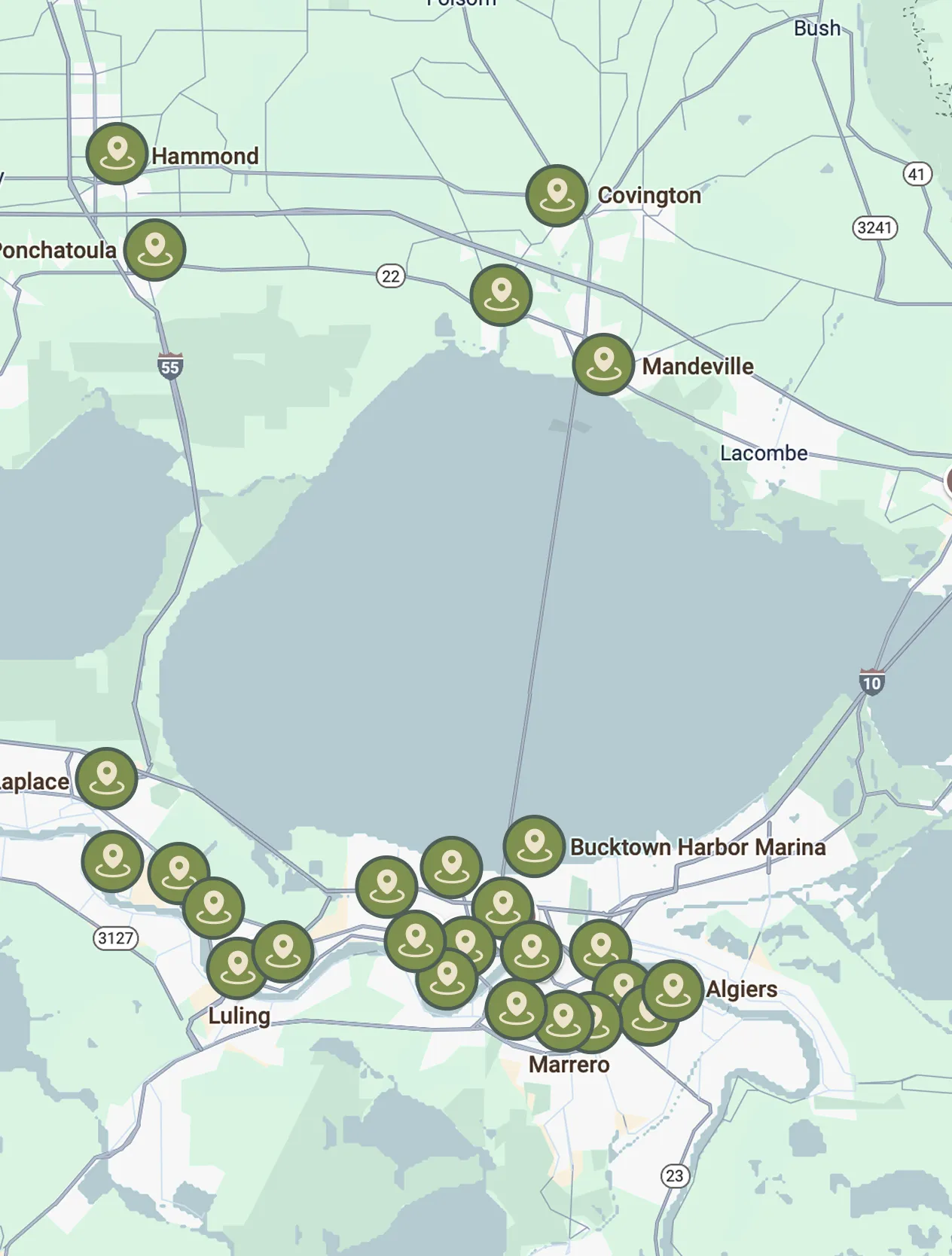
Our service areas are designed to meet the diverse needs of our clients. We focus on providing exceptional service and ensuring customer satisfaction in every location we operate.