Mini Split Repair in Harvey, LA
.webp)
In Harvey, LA, Cypress Cooling provides expert mini split repair, addressing common faults with systematic diagnostics and component replacements to restore comfort and efficiency. We tackle typical issues like compressor failures, refrigerant leaks, thermostat problems, drainage issues, and electrical concerns. Our technicians follow a structured diagnostic process to identify the root cause before performing targeted repairs. Cypress Cooling also offers emergency services, warranty assistance, detailed documentation, and flexible scheduling options. We provide maintenance recommendations to prevent future breakdowns and protect your system from coastal humidity, corrosion, and storm related wear. With Cypress Cooling, you can expect reliable service and lasting comfort.
%2520(11)-min.jpeg)
Mini Split Repair in Harvey, LA
Ductless mini-split systems are a popular, efficient cooling and heating option for Harvey, LA homes. When a unit fails or underperforms, discomfort and higher energy costs can follow quickly in our hot, humid Gulf Coast climate. This page explains common mini split faults in Harvey, LA, how technicians diagnose and repair them, what parts are commonly replaced, emergency repair considerations, warranty and guarantee expectations, and practical steps to prepare for and schedule service.
Why timely mini split repair matters in Harvey, LA
Harvey experiences high humidity, long cooling seasons, and salt-laden air from nearby coastal areas. Those conditions accelerate corrosion, strain compressors and fans, and magnify issues like reduced airflow and refrigerant leaks. Prompt repair restores comfort, prevents secondary damage (mold, coil corrosion, electrical failures), and preserves system efficiency and lifespan. For homes that rely on mini-splits as primary or zoned climate control, timely service prevents extended discomfort during peak heat.
Common mini split issues in Harvey, LA
- Compressor and motor failures: Overheating, electrical faults, or refrigerant problems can cause compressors or fan motors to seize or fail.
- Refrigerant leaks: Corrosion at fittings or damage to line sets from storms can cause slow leaks that reduce cooling capacity and increase energy use.
- Thermostat and control failures: Error codes, communication failures between indoor and outdoor units, or faulty remote controls interfere with operation.
- Weak airflow: Blocked filters, failing blower motors, or ductless unit fan problems reduce airflow, causing uneven temperatures.
- Unusual noises: Grinding, rattling, or hissing can indicate bearing failure, loose mounting hardware, refrigerant leaks, or compressor distress.
- Drainage and condensate problems: Clogged drain lines or poorly sloped piping lead to water leaks and possible indoor water damage.
- Electrical and circuit board issues: Power surges from summer storms can damage boards, relays, or capacitors, producing intermittent or complete failure.
Typical diagnostic procedure
A professional technician follows a methodical diagnostic sequence to identify root causes rather than just symptoms:
- Visual inspection: Check outdoor unit condition, corrosion, bent fins, and refrigerant line integrity. Inspect indoor unit filters, blower assembly, and condensate drain.
- Control and error code review: Read error codes from the indoor display or controller and review recent patterns of failure.
- Electrical testing: Measure voltage and amp draw on compressor and fan motors; test capacitors and relays for proper function.
- Refrigerant system evaluation: Use gauges and temperature sensors to check pressures and subcooling/superheat values and identify undercharging or overcharging.
- Leak detection: Employ electronic detectors, UV dye, or soap tests to locate refrigerant leaks, especially around fittings, brazed connections, and evaporator coils.
- Airflow measurement: Evaluate blower performance and ductless airflow with anemometers and static pressure checks.
- Functional run test: Operate the system across modes to confirm repairs and ensure stable operation.
Common repairs and parts replacement
Repairs focus on restoring reliable operation and protecting system longevity. Common parts replaced or serviced include:
- Compressors and compressor-related components
- Fan motors (indoor and outdoor)
- Circuit boards and inverter modules
- Capacitors, contactors, and relays
- TXV expansion valves, filter driers, and receiver components
- Line set repairs and brazing for refrigerant leaks
- Evaporator and condenser coil cleaning or coil replacement
- Condensate pump or drain line clearing Because refrigerant handling and compressor replacement require certified technicians, repairs follow regulatory requirements and industry best practices.
Refrigerant leaks and legal considerations
Refrigerant work is regulated. Technicians will identify leaks, repair the source, evacuate and recharge the system with the correct refrigerant type, and document refrigerant recovery as required. In Harvey, LA, where humidity stresses systems, small leaks should be fixed promptly to avoid oil loss, diminished lubrication, and compressor failure.
Emergency repair options and what qualifies as an emergency
Emergency repair services are typically reserved for conditions that create immediate health, safety, or property-risk concerns:
- Complete loss of cooling during extreme heat posing health risks
- Severe refrigerant leaks evident as oil or frost on lines or rapid performance decline
- Electrical hazards such as burning smells, smoke, or tripped breakers that recur after resetting
- Major water leaks that threaten structural damageEmergency response usually involves rapid diagnostics, temporary measures to restore safe operation (such as isolating a failed component or providing a temporary cooling solution), and planning for a full repair. Harvey homeowners should expect technicians to prioritize safety, especially after storms and power events common to the Gulf Coast.
Warranty, guarantees, and documentation
Understanding warranty coverage helps set expectations:
- Manufacturer warranties typically cover compressors, heat exchangers, and certain major components for defined periods. These warranties often require proof of professional installation and documented maintenance.
- Part warranties from aftermarket suppliers vary; ask for specific coverage periods and any labor warranties.
- Service guarantees from repair providers may include workmanship guarantees for a set period following repair. Technicians should provide written descriptions of replaced parts, test results, and any recommended follow-up.Keep installation records, maintenance logs, and any diagnostic reports to support warranty claims and future service.
What to expect when scheduling and preparing for service
When arranging repair service, homeowners can streamline the visit:
- Gather system model and serial numbers, and note any error codes or recent behavior.
- Clear access to indoor and outdoor units, and secure pets.
- Note any recent events like storms, power outages, or unusual sounds prior to failure.
- Expect a technician to perform the diagnostic sequence above, explain findings in plain language, and outline repair options with pros and cons. Technicians provide transparent explanations of necessary repairs vs. optional upgrades that improve reliability or efficiency.
Maintenance tips to reduce future repairs
Regular preventive care reduces emergency calls and extends system life:
- Replace or clean filters every 1 to 3 months during heavy use.
- Keep outdoor units free of vegetation and debris, and rinse coils gently to remove salt and grime.
- Schedule annual or biannual professional tune-ups, especially before peak summer months.
- Install a surge protector for outdoor units to mitigate storm-related electronics damage common in coastal Louisiana.
- Watch for early warning signs: reduced cooling, noise changes, visible oil, or water on indoor floors.
Mini split repair in Harvey, LA requires an approach that accounts for Gulf Coast climate, humidity, and storm exposure. A qualified technician follows systematic diagnostics, performs repairs to code, handles refrigerants properly, and documents work for warranty purposes. Proactive maintenance and early repairs preserve comfort, efficiency, and the system lifespan in local homes.
OUR CLIENTS HAVE TO SAY ABOUT US



Service areas
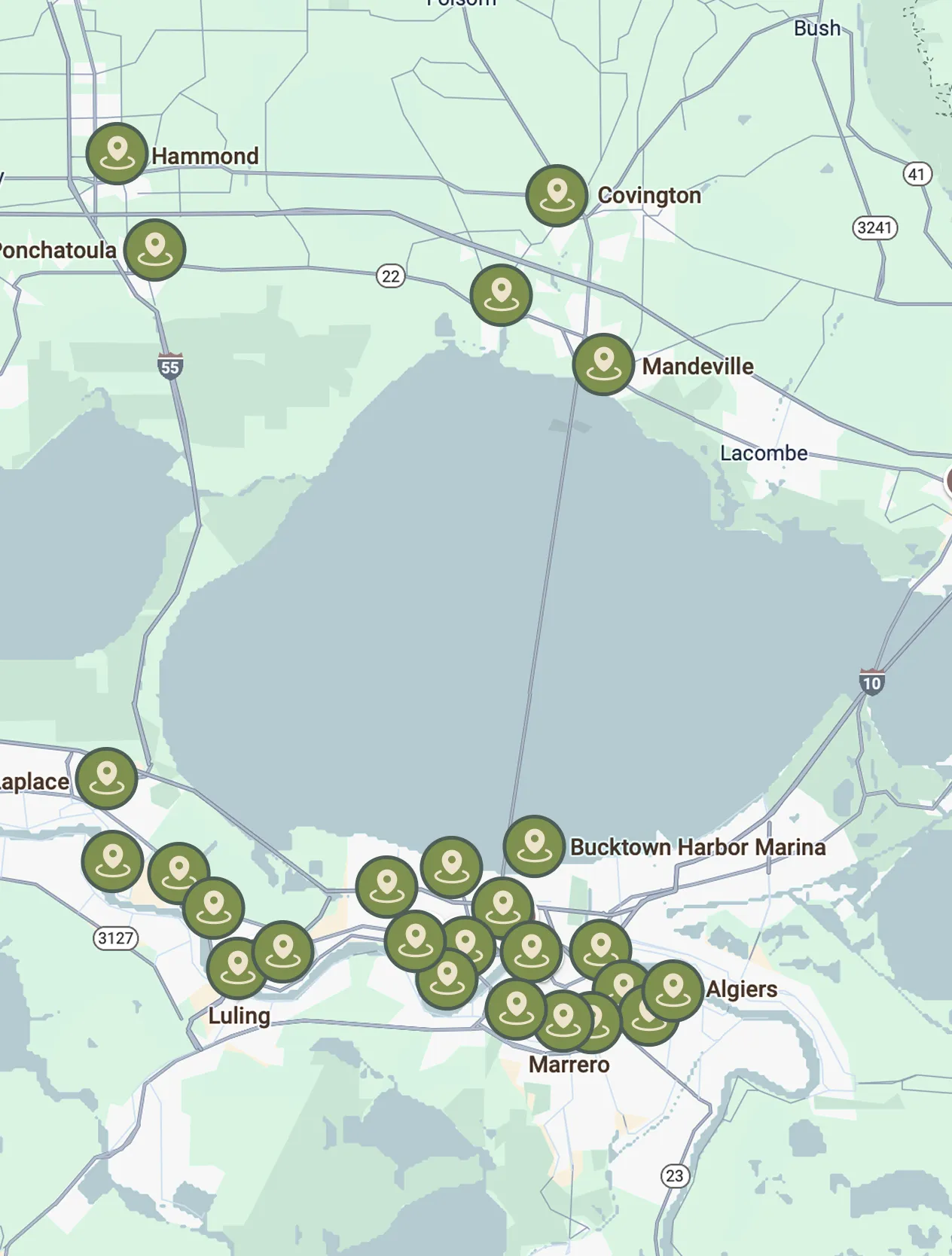
Our service areas are designed to meet the diverse needs of our clients. We focus on providing exceptional service and ensuring customer satisfaction in every location we operate.