Mini Split Replacement in Westwego, LA
.webp)
If you're a homeowner in Westwego, Cypress Cooling can guide you through the mini split replacement process. We'll help you determine when replacing your system is more cost effective than repairing it. We'll cover choosing energy efficient models, proper sizing, and understanding the differences between single zone and multi zone systems. Cypress Cooling outlines a step by step replacement process—from initial assessment to final testing—and explains timelines, cost factors, warranties, and financing options. You'll also learn what to expect during removal, installation, and post install commissioning, with a focus on managing humidity, coastal corrosion, and maintaining long term comfort in Westwego’s climate. We emphasize practical budgeting tips and the importance of professional workmanship throughout the process.
-min.webp)
Mini Split Replacement in Westwego, LA
Replacing a mini split is a significant decision for Westwego homeowners dealing with high humidity, coastal salt exposure, and hot summer heat. A timely replacement restores reliable comfort, improves indoor air quality, and lowers long-term energy bills—especially important in South Louisiana where systems work hard for much of the year. This page explains how to recognize when a mini split needs replacing, how to choose the right energy-efficient model and size, the differences between single- and multi-zone systems, the practical replacement workflow, realistic timelines and cost drivers, warranty and financing considerations, and what to expect after installation.
Signs your mini split needs replacement
Watch for these common mini split replacement issues in Westwego homes. If you see several of these, replacement is often more cost-effective than repeated repairs.
- Frequent breakdowns or rising repair frequency: Repeated compressor or electronics failures suggest end-of-life.
- Loss of cooling capacity or uneven comfort: If rooms remain warm or the head cycles constantly, the system may be undersized or failing.
- High energy bills despite normal use: Older or failing systems lose efficiency, especially in humid climates where dehumidification increases load.
- Unusual noises or vibration: Bearing failure, compressor wear, or corrosion-related looseness can indicate major problems.
- Refrigerant leaks or repeated recharges: Leaks often lead to costly repairs and reduced performance; modern refrigerant changes can make replacement preferable.
- Corrosion from coastal salt air: Outdoor units exposed to brackish conditions near the Mississippi River and Gulf can suffer accelerated corrosion.
- Outdated refrigerant or parts availability issues: If your system uses older refrigerant being phased out, replacement future-proofs serviceability.
Choosing an energy-efficient model and proper sizing
In Westwego’s hot, humid climate, efficiency and proper sizing matter more than ever. The right choice balances initial investment with seasonal operating costs.
- Energy ratings to compare: Look for high SEER (cooling efficiency) and HSPF (heating efficiency) numbers, variable-speed inverter compressors, and ENERGY STAR designation when available. Inverter-driven units modulate output to match load, reducing on/off cycling and improving dehumidification.
- Humidity control: Models with good dehumidification features and built-in humidity control help prevent mold and indoor discomfort in Westwego’s humid summers.
- Corrosion-resistant features: For coastal or low-lying areas, choose outdoor units with protective coatings, stainless or treated coil components, and elevated mounting options to reduce salt and flood exposure.
- Proper sizing (Manual J guidance): Avoid undersizing and oversizing. A Manual J load calculation considers square footage, insulation, window orientation, occupancy, and local climate. Oversized units short-cycle and fail at dehumidifying; undersized units run continuously and struggle to meet comfort.
- Refrigerant and future compatibility: Ask about current refrigerant type and local serviceability. Modern units often use newer, more environmentally friendly refrigerants; selecting a supported refrigerant simplifies future maintenance.
Single-zone vs multi-zone: which fits your Westwego home?
- Single-zone systems: Best for one room or open areas. Simpler installation, lower upfront cost, and efficient when you only need spot cooling.
- Multi-zone systems: One outdoor condensing unit serving two or more indoor heads. Ideal for whole-home comfort control, smaller ductless installations across multiple bedrooms, living areas, and additions. They provide individualized temperature control per room and can be more energy-efficient than several separate single-zone units.
- Consider layout: Multi-zone systems are often the better long-term choice for older Westwego homes with multiple living areas or additions where extending central ductwork is impractical.
Replacement workflow: removal, disposal, and installation
A typical replacement follows a clear workflow designed to minimize disruption and ensure safe, code-compliant installation.
- Assessment and planning
- Inspect existing unit, electrical supply, wall/line-set routing, and outdoor pad or wall mount.
- Perform load calculation and final equipment selection.
- Permitting and preparation
- Secure any required local permits and schedule around weather forecasts (summer storms and high humidity affect timing).
- Removal and disposal
- Recover refrigerant to meet environmental regulations and safely remove indoor and outdoor units.
- Dispose of old equipment following local codes; salvageable parts may be recycled.
- Installation
- Install outdoor unit on a corrosion-resistant pad or elevated bracket if needed.
- Mount indoor heads, run new insulated refrigerant lines, condensate drain, and electrical connections.
- Install proper drainage: in Westwego, ensure condensate pumps or gravity drains are sized for heavy humidity loads.
- System charging and controls
- Evacuate lines, charge refrigerant per manufacturer specs, and configure controls and zoning.
- Testing and commissioning
- Verify airflow, temperature differentials, electrical performance, and condensate flow. Check for leaks and verify remote/control programming.
Timelines and cost drivers
Replacement timelines depend on system complexity and site conditions:
- Simple single-zone swaps may be completed in a half-day to a full day.
- Typical single-zone replacements often finish within one day.
- Multi-zone installations or jobs requiring electrical upgrades, structural work, or refrigerant line rerouting can take 1–3 days or longer.
Costs vary by unit efficiency, number of zones, required electrical upgrades, structural modifications, and local permitting. Major cost drivers include:
- Number of indoor heads (zones)
- System efficiency and brand
- Need for electrical panel upgrades or dedicated circuits
- Corrosion protection, elevated mounts, or flood-prevention measures
- Extent of line-set replacement and length of runs
- Removal and disposal requirements for old refrigerant and equipment
Warranties and financing options
Most modern mini split systems come with several warranty types:
- Compressor warranty: Often the longest manufacturer-backed coverage on the heart of the system.
- Parts warranty: Covers other components like PCB boards, fans, and valves for a defined period.
- Labor warranty: Installer-provided coverage for workmanship for a specified term.Review warranty terms for transferable coverage, corrosion protection in coastal applications, and conditions that require regular maintenance to remain valid.
Financing options commonly available include low-interest plans, equipment financing, and monthly payment programs through third-party lenders. Financing terms vary; reviewing options against long-term energy savings helps determine best value.
Post-installation testing and support
After installation, a full commissioning process ensures reliable operation:
- Verify setpoint accuracy across zones, confirm proper airflow, and measure temperature drop.
- Test dehumidification performance and condensate drainage under load.
- Review operational instructions, filter locations, and routine maintenance intervals.
- Schedule the first maintenance check to align with warranty requirements and ensure peak performance during Westwego’s hot months.
Regular maintenance—filter checks, coil cleaning, and periodic system inspections—keeps performance high and helps protect your investment in Westwego’s challenging climate.
Replacing a mini split in Westwego, LA requires attention to humidity, salt exposure, and proper sizing. With the right equipment, corrosion-resistant installations, and a clear replacement plan, homeowners can regain comfort, lower operating costs, and enjoy reliable cooling for years to come.
OUR CLIENTS HAVE TO SAY ABOUT US


Service areas
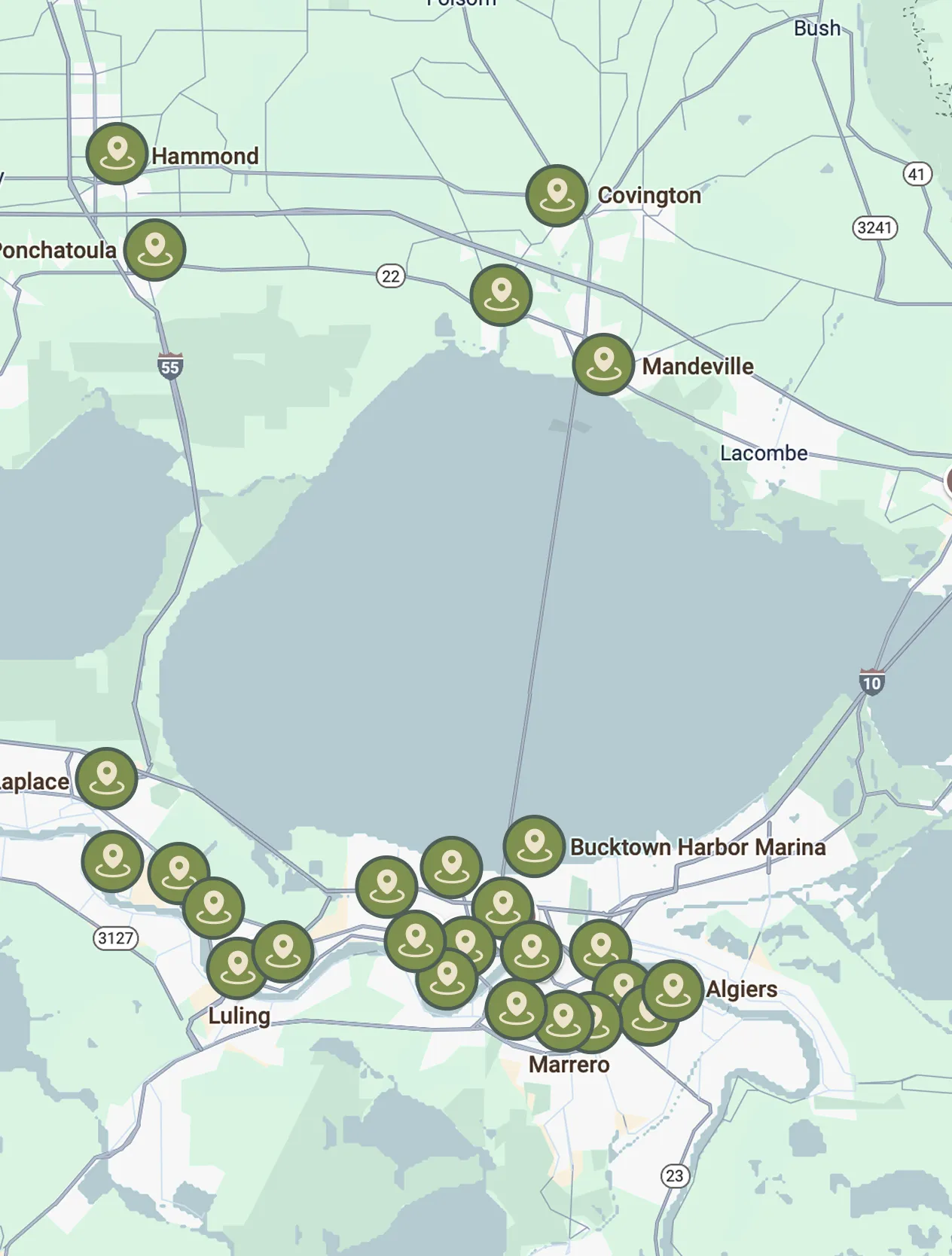
Our service areas are designed to meet the diverse needs of our clients. We focus on providing exceptional service and ensuring customer satisfaction in every location we operate.