Mini Split Repair in Westwego, LA
.webp)
Cypress Cooling is dedicated to providing transparent and reliable mini split repair services in Westwego. We understand the common electrical, refrigerant, compressor, and control faults that can occur, and we use a step by step diagnostic approach to identify the root causes, avoiding unnecessary work and expenses. Our typical repair process includes a clear written diagnosis, a detailed estimate for parts and labor, manufacturer compliant repairs, responsible refrigerant handling, and a comprehensive post service report. Turnaround times vary depending on the repair, from same day minor fixes to multi day compressor or line work. We're committed to pricing transparency, offering solid warranties, providing emergency service options, and giving you helpful preparation tips for scheduling service and understanding maintenance expectations.
-min.webp)
Mini Split Repair in Westwego, LA
Mini split systems are a common choice for Westwego homes because they provide targeted cooling and efficient heating without ductwork. When a mini split fails, it can quickly affect comfort, indoor air quality, and energy bills. This page explains the most common mini split problems in Westwego, how technicians diagnose them, what repairs involve, typical parts and turnaround times, expectations for pricing transparency and warranties, emergency options, and what to have ready when scheduling service.
Why timely mini split repair matters in Westwego
Westwego experiences hot, humid summers, frequent storms, and higher salt exposure in coastal and riverfront areas. Those local conditions accelerate corrosion, increase mold risk in condensate drains and coils, and make electrical components more vulnerable to surge damage. Addressing issues early prevents costly compressor failures, refrigerant loss, water damage, and reduced efficiency.
Common mini split problems in Westwego
- Electrical issues: Blown fuses, tripped breakers, failing capacitors, bad relays, and damaged control boards caused by storms, power surges, or age.
- Refrigerant leaks: Corrosion on line sets, brazed joints, or coil damage leads to low refrigerant, loss of cooling, and reduced efficiency.
- Compressor failures: Mechanical or electrical failure in the outdoor compressor results in little or no cooling and often requires component-level or full compressor replacement.
- Fan motor and blower failures: Indoor or outdoor fan motors can seize or degrade from salt exposure, bearings wear, or debris buildup.
- Thermostat and control faults: Faulty remote controls, wireless communication problems, or PCB faults cause erratic cycling or failure to respond.
- Drain and condensate issues: Clogged drains and pans cause overflow, stains on walls or ceilings, and mold growth in humid Westwego homes.
- Frozen evaporator coils: Restricted airflow, dirty filters, or low refrigerant can lead to coil icing and poor performance.
Diagnostic steps technicians take
Technicians follow a structured diagnostic process to identify root causes and avoid unnecessary repairs:
- Visual inspection: Check outdoor unit, indoor head, line set, electrical connections, and mounting for obvious damage or corrosion.
- System history and symptom review: Discuss when issues began, thermostat behavior, noise, odors, and recent storms or outages.
- Electrical testing: Measure voltage, current draw, capacitor health, and control voltage to pinpoint electrical faults safely.
- Refrigerant check: Inspect for visible leaks, measure pressures, and use electronic leak detectors to locate and quantify refrigerant loss.
- Airflow assessment: Check air filters, fan operation, ductless head placement, and coil cleanliness to evaluate airflow problems.
- Control and communication testing: Verify remote, thermostat, and control board communication and error codes.
- Moisture and drain inspection: Confirm condensate flow, pan condition, and signs of biological growth.
Technicians combine these steps to prepare a clear written repair recommendation with options.
Typical repair process
- Provide a written diagnosis explaining the issue, required parts, estimated labor hours, and repair options.
- Obtain approval for repairs and order replacement parts if needed.
- Perform repairs following manufacturer specifications: replace capacitors, fan motors, compressors, control boards, or patch and braze refrigerant lines as required.
- Evacuate and recharge refrigerant to proper manufacturer charge when lines are opened or leaks repaired.
- Test the system under load for noise, proper pressures, temperature split, and stable operation.
- Clean coils, flush drain lines, and apply corrosion protection where appropriate.
- Hand over a post-service report that outlines work performed, refrigerant quantities, and maintenance recommendations.
Typical parts and turnaround times
- Common replaceable parts: capacitors, contactors, fan motors, PCB/control boards, thermostats/remotes, expansion devices, filters, condensate pumps, compressor (partial or full), line set sections, and refrigerant.
- Turnaround times vary:
- Minor electrical repairs, filter and drain cleaning: often same day.
- Motor or control board replacement: usually 1 to 2 days, depending on parts availability.
- Refrigerant leak repair and recharge: 1 to 3 days based on leak location and permitting for disposal/recovery.
- Compressor replacement or major line work: 2 to 5 days including parts lead time.Local factors such as storm-related supply delays or special-order compressor models can affect timing.
Pricing transparency you should expect
- A clear, itemized written estimate that separates parts, labor, refrigerant, and any permit or disposal fees.
- Explanation of repair options when multiple solutions exist (repair vs component replacement vs system replacement), with pros and cons for each choice.
- Upfront disclosure of diagnostic fees and whether they will be credited toward repair if authorized.
- Clarification on flat-rate vs hourly billing for labor and how travel or emergency rates are applied.
- Notification of potential additional costs discovered during repair with authorization required before proceeding.
Warranty and guarantee information
- Industry-standard parts warranties vary widely: expect manufacturer part warranties (1 to 5 years commonly for compressors) and shorter coverage for smaller parts.
- Labor warranties often range from 30 to 180 days depending on provider and scope of repair. Ask for the length and exact coverage in writing.
- Properly performed repairs should be backed by a workmanship guarantee that covers the specific repair performed.
- For refrigerant work, records of refrigerant type and charge amount should be provided for warranty and compliance records.
Emergency and after-hours service expectations
- In storm-prone Westwego, emergency options are important. After-hours or emergency visits typically include priority scheduling and may carry an additional emergency service fee.
- Emergency response focuses on stabilizing systems to prevent further damage: securing exposed components, isolating electrical hazards, and temporary refrigeration fixes until full repairs can be completed.
- Be prepared for limited parts availability after major storms; temporary measures may be required until parts arrive.
How to schedule and what to prepare
When arranging service, have the following ready to streamline diagnostics and reduce service time:
- System make, model, and approximate age if available (usually on a label on indoor or outdoor unit).
- Description of symptoms, when they started, and any relevant events such as recent storms or power outages.
- Preferred access times and whether a gate code, dog, or restricted area access applies.
- Notes about prior repairs or known refrigerant additions.
Maintenance and prevention in Westwego
Routine maintenance prevents most emergency repairs. In Westwego, schedule at least biannual checks: a pre-summer cooling tune-up and a pre-winter heating check. Emphasize coil cleaning, drain clearing, corrosion inspection, and electrical testing to protect against humidity, salt air, and storm damage. Proper maintenance extends equipment life, improves efficiency, and reduces the likelihood of sudden failures.
Repairing mini splits promptly and correctly in Westwego protects comfort, indoor air quality, and long-term equipment value. Use the diagnostic and repair expectations above to evaluate repair options, understand costs, and set reasonable timelines for restoring reliable operation.
OUR CLIENTS HAVE TO SAY ABOUT US



Service areas
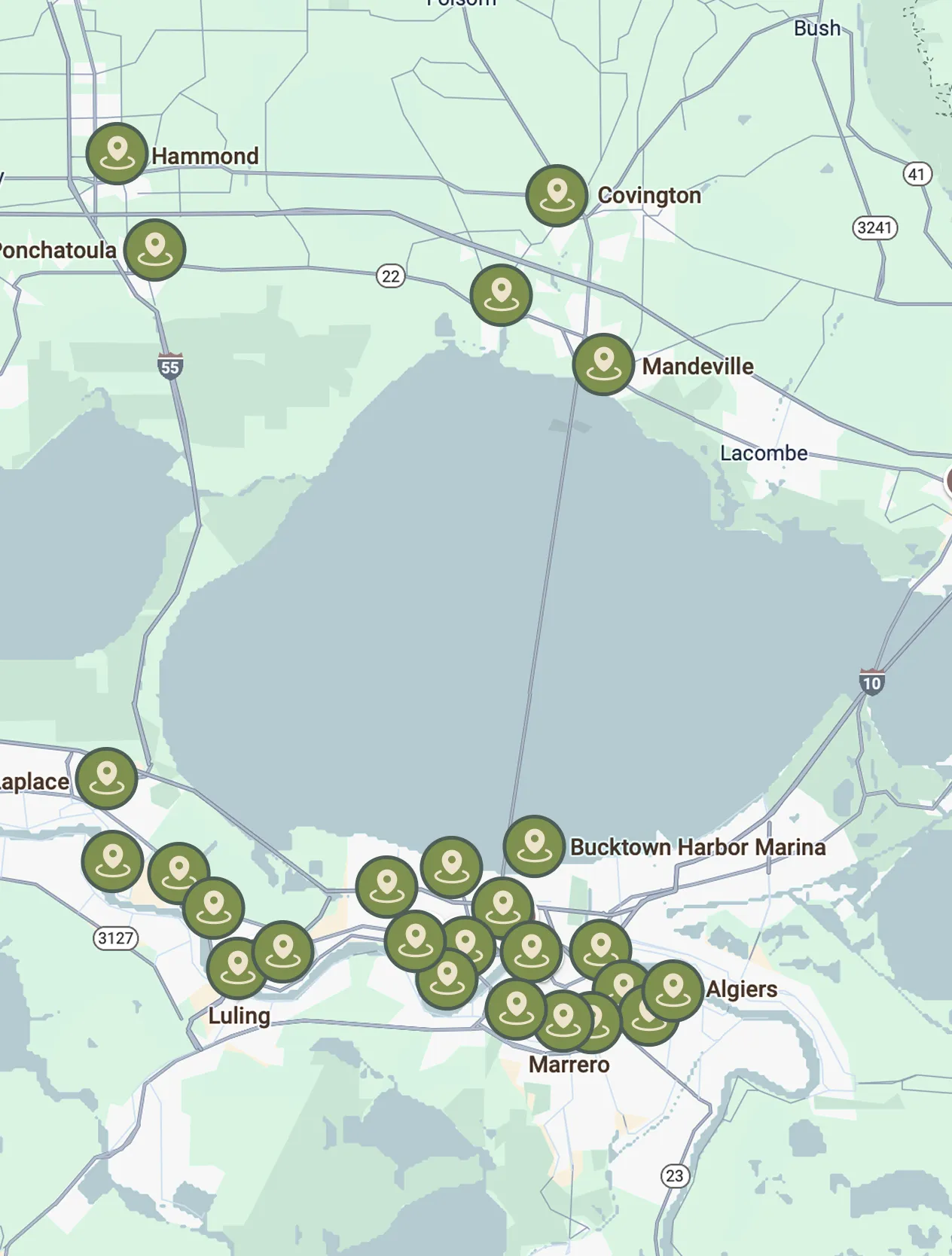
Our service areas are designed to meet the diverse needs of our clients. We focus on providing exceptional service and ensuring customer satisfaction in every location we operate.