Mini Split Repair in New Orleans, LA
.webp)
Cypress Cooling provides mini split repair services in New Orleans, LA, offering rapid diagnostics, practical fixes, and expert guidance tailored to the unique coastal conditions. We address common issues like refrigerant leaks, compressor failures, electrical problems, and drainage concerns. Cypress Cooling follows a detailed diagnostic sequence and uses only quality parts for repairs and replacements. We also provide clear information on expected turnaround times, warranty considerations, emergency options, preventative maintenance tips, and scheduling availability across Greater New Orleans. Let Cypress Cooling help you assess your repair options, timelines, and warranty coverage, ensuring your system operates efficiently and reliably.
.webp)
Mini Split Repair in New Orleans, LA
Mini split repair in New Orleans, LA focuses on fast, reliable diagnostics and lasting fixes for ductless systems that keep homes and businesses comfortable in the city’s hot, humid climate. Ductless mini-splits are efficient, but coastal humidity, salt air, frequent storms, and older building wiring in New Orleans can accelerate wear, cause refrigerant issues, or create electrical and drainage problems. This page explains common mini-split problems in New Orleans, the diagnostic process, typical repairs and parts replacement, expected timelines and estimates, warranty considerations, emergency options, and practical maintenance tips to prevent repeat issues.
Common mini split issues in New Orleans homes
- Refrigerant leaks — Low refrigerant reduces cooling capacity and increases run time. Corrosion from salt air and physical damage after storms are common local causes.
- Compressor or outdoor fan failures — Hurricane-force winds, flooding, or corrosion can damage outdoor units, causing complete system failure or intermittent operation.
- Electrical and thermostat problems — Aging or unstable wiring in older New Orleans homes, plus power surges during storms, can cause shorted capacitors, blown fuses, or communication errors between indoor and outdoor units.
- Weak airflow — Dirty filters, blocked outdoor units (debris, vegetation), or failing indoor fans reduce airflow and system efficiency. High humidity can also make systems struggle to dehumidify.
- Strange noises — Grinding, buzzing, or rattling often indicate loose mounting, failing bearings, debris in the outdoor coil, or compressor stress.
- Condensate drain and mold issues — Humid conditions promote clogs and biological growth in drain lines and drip pans, causing water leaks or odors.
What to expect: technician diagnostic process
- Initial intake — Technician documents symptoms (when the problem started, any storm exposure, visible leaks, noise). Local context like recent flooding or outages is noted.
- Visual inspection — Check indoor and outdoor units for corrosion, physical damage, insect nests, debris, or blocked airflow. Verify electrical connections and mounting integrity.
- Operational testing — Run the system to observe refrigerant pressures, airflow, noise, thermostat communication, and temperature differentials across the evaporator coil.
- Leak detection — Use electronic leak detectors and UV or dye when needed to pinpoint refrigerant leaks, especially around fittings and brazed joints that corrode in coastal environments.
- Electrical diagnostics — Test capacitors, contactors, fuses, and control boards. Inspect wiring for water intrusion or rodent damage common in older structures.
- Condensate and drainage check — Inspect traps, piping and condensate pumps for clogs or biological growth that are more prevalent in humid climates.
Typical repairs and common parts replaced
- Refrigerant leak repair and recharge — Locate and repair leak points, replace damaged lines or fittings, and recharge with the correct refrigerant while complying with EPA regulations.
- Compressor replacement — For seized or failing compressors, replacement may be required; compatibility and system age determine whether compressor repair or full condensing unit replacement is recommended.
- Fan motor or capacitor replacement — Indoor or outdoor fan motors and run capacitors are common, fast-turnaround fixes.
- Control board and thermostat repair — Replace or reprogram communication boards and wall controllers to restore reliable operation.
- Line set and connector repair — Corroded or damaged refrigerant lines and electrical connectors are repaired or replaced, with attention to proper brazing and insulation for long-term reliability.
- Drain line cleaning and condensate pump service — Clear clogs, install or replace pumps, and treat lines to reduce mold or algae.
- Coil cleaning and surface repairs — Clean evaporator and condenser coils to restore heat transfer; replace coils if corrosion is severe.
Expected turnaround times and estimates
- Diagnostic visit — Typically completed within 30 to 90 minutes on site. A written estimate is provided after diagnosis outlining parts, labor, and any required follow-up work.
- Minor repairs (capacitors, filters, fan motors) — Often completed the same day or within 24 hours depending on parts availability.
- Major repairs (compressor replacement, refrigerant line replacement) — May require 1 to 2 days to obtain parts and complete work, potentially longer if a full outdoor unit replacement is needed.
- System replacement or extended repairs — Scheduling, permitting, and equipment lead times can extend turnaround; estimates include clear timeframes and parts lead-time notes.
Estimates typically break down labor and parts, note any manufacturer or EPA compliance requirements, and explain options if older systems are near end-of-life.
Warranty and parts information
- Manufacturer parts warranties — Many OEM parts carry manufacturer warranties; these vary by model and age. Warranty coverage and transferability depend on original registration and installation records.
- Labor warranties — Typical labor warranties cover workmanship for a defined period; details on coverage length and exclusions are provided with estimates.
- Refrigerant and environmental compliance — All refrigerant handling follows EPA rules and local codes. If an older refrigerant type is involved, replacement options will be discussed.
- Replacement parts sourcing — Use of OEM or high-quality compatible parts is standard; warranty implications for aftermarket parts are explained.
Emergency and after-hours options
New Orleans’ weather — sudden heat waves, summer humidity spikes, and storm-related outages — creates a need for rapid response options. Emergency or after-hours service is offered for critical failures (no cooling, refrigerant blowout, or unsafe electrical conditions). Response windows vary by service area and time of year; emergency calls are triaged to prioritize health and safety situations.
Preventative tips to avoid repeat issues
- Regular filter and coil maintenance — Clean or replace filters seasonally and schedule professional coil cleaning annually to maintain airflow and efficiency.
- Protect outdoor units — Keep the outdoor unit elevated where flooding is possible, clear vegetation at least two feet around the unit, and secure panels before storm season.
- Install surge protection — Power surges during thunderstorms can damage control boards; local power protection reduces risk.
- Keep drain lines clear — Flush condensate lines and inspect pumps regularly to prevent clogs and biological growth in humid New Orleans conditions.
- Annual inspection — An annual tune-up before peak summer identifies worn components, refrigerant issues, and electrical vulnerabilities.
- Consider dehumidification — In very humid homes, a dedicated dehumidifier or mini-split settings optimized for dehumidification reduce strain and prevent mold.
Scheduling and service area
Service options include standard diagnostic appointments and on-site repair visits, with morning and afternoon windows and emergency/after-hours availability for urgent issues. Service typically covers Greater New Orleans and surrounding parishes, with technicians prepared to document repairs for warranty and insurance needs, and to advise on upgrades if systems are repeatedly failing due to age or environmental exposure.
This overview equips New Orleans homeowners and property managers with the information needed to evaluate mini split repair options, understand expected timelines and warranties, and reduce future problems related to the region’s climate and infrastructure.
OUR CLIENTS HAVE TO SAY ABOUT US



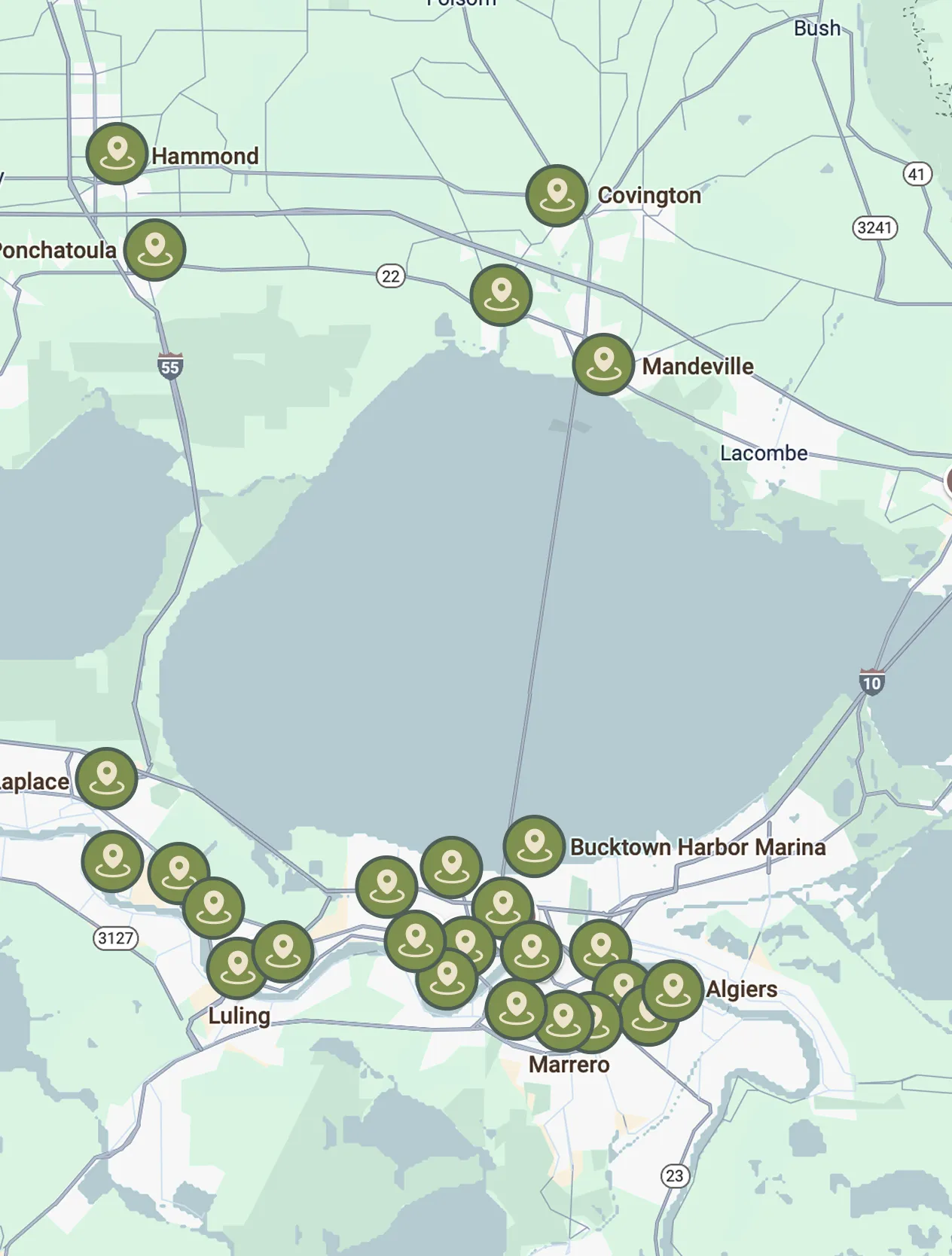
Service areas
Our service areas are designed to meet the diverse needs of our clients. We focus on providing exceptional service and ensuring customer satisfaction in every location we operate.