Mini Split Installation in New Orleans, LA
.webp)
Cypress Cooling's comprehensive mini split installation for New Orleans homes focuses on critical aspects like humidity control, energy efficiency, and the inherent flexibility of ductless systems. Our process begins with an in depth consultation, precise load calculations, and strategic zone planning. This is followed by careful unit placement, professional electrical and refrigerant work, and strict adherence to all code requirements, especially crucial in flood prone areas. We guide homeowners through every step, from site preparation to indoor and outdoor unit installation and final commissioning. Our approach also includes handling permitting, ensuring hurricane readiness, providing ongoing maintenance recommendations, and offering tips for maximizing long term value, guaranteeing a reliable and comfortable solution perfectly tailored to the local climate and the unique layouts of historic homes.
-min.webp)
Mini Split Installation in New Orleans, LA
Installing a mini split system in New Orleans homes delivers targeted comfort, better humidity control, and lower energy use compared with many existing central systems. Whether you need a single-zone unit for a bedroom or a multi-zone system to cool and heat an entire shotgun house, a properly planned and executed mini split installation protects indoor comfort from hot, humid summers and helps prevent mold and moisture issues common in the Gulf Coast climate. This page explains the full installation process, common local considerations, and what to expect from start to finish.
Why choose a mini split in New Orleans
- Superior humidity management for humid subtropical conditions.
- Zoned temperature control for older homes with uneven layouts.
- No ductwork needed, avoiding the mold and leakage risks of ducted systems in humid climates.
- Energy-efficient inverter compressors reduce electric loads during peak summer demand.
Common mini split installation types and local use cases
- Single-zone mini split for individual rooms, additions, or apartments.
- Multi-zone systems with 2 to 8 indoor heads for whole-home comfort without ducts.
- Ceiling cassette, wall-mounted, floor-mounted, or ducted indoor heads depending on historic home aesthetics and space constraints.
- Outdoor condenser placement elevated on brackets or platforms to reduce flood risk in low-lying New Orleans neighborhoods.
Initial consultation and home assessment
The process begins with an on-site consultation and home assessment that covers:
- A room-by-room evaluation to determine desired zones and usage patterns.
- A Manual J load calculation to size equipment properly for New Orleans humidity and heat gains.
- Review of mounting locations for indoor heads and optimal routing for refrigerant lines and condensate drains.
- Electrical capacity check and panel assessment to ensure adequate breaker space and proper grounding.
- Discussion of aesthetic restrictions or permitting requirements in historic districts, and property-specific flood elevation concerns.
Load and zone planning
Accurate load and zone planning ensures comfort and efficiency:
- Perform Manual J and, for complex homes, Manual D considerations to plan zones and recommend single- or multi-zone systems.
- Match indoor head types and capacities to each room’s load, occupancy, and expected use.
- Consider dehumidification needs and select units with appropriate moisture management for New Orleans’ high humidity.
Recommended unit placement and local considerations
- Indoor heads: placed to promote even airflow, avoid obstructions, and minimize direct drafts over seating or beds. Wall-mounted heads are common in narrow historic homes.
- Outdoor condenser: mounted on a raised pad, bracket, or platform and positioned for adequate airflow, access, and hurricane tie-downs where required. Salt air exposure near the lake or river may require corrosion-resistant coatings or protective coatings on the unit.
- Run refrigerant lines and electrical conduit through interior chases or small exterior penetrations to minimize visual impact in historic neighborhoods.
Required electrical and refrigerant line work
- Electrical: install a dedicated circuit and disconnect per local code, sized to the unit’s nameplate amperage; verify panel capacity and upgrade if necessary. Grounding and surge protection should be included given hurricane-related power fluctuations.
- Refrigerant lines: route insulated suction and liquid lines with proper slope for oil return; line sets are brazed on-site with a nitrogen purge to prevent oxidation.
- Condensate management: install a reliable drain with a trap and, where needed, a condensate pump and overflow protection to prevent water damage in elevated indoor locations.
- Compliance: adhere to EPA refrigerant handling rules and local electrical and building codes.
Permitting and code compliance in New Orleans
- Obtain required building and mechanical permits and schedule inspections where applicable. Historic districts may require additional approvals for exterior equipment placement.
- Follow local codes for unit elevation in flood-prone areas and secure outdoor equipment for wind resistance.
- All refrigerant work is performed by certified technicians and documented for code compliance and warranty.
Step-by-step installation milestones
- Final equipment selection and permit submission after load and zone planning.
- Site preparation: protective coverings, staging of outdoor pad or brackets, and electrical preparations.
- Mount indoor heads and run refrigerant line sets, condensate piping, and low-voltage wiring through discreet penetrations.
- Install outdoor condenser on elevated pad or bracket, secure for wind, and complete electrical hookup to the disconnect and breaker.
- Brazing and flaring of refrigerant lines with nitrogen purge; pressure test and vacuum the system to manufacturer-specified micron levels.
- Charge system per manufacturer guidelines and verify superheat/subcooling or use electronic charge procedures for long line sets.
- Final electrical checks, grounding verification, control wiring setup, and system commissioning.
Pre-commissioning checks and system start-up
Before handing over the system:
- Perform leak checks, vacuum integrity verification, and refrigerant charge validation.
- Verify airflow, temperature differentials, compressor start/stop sequences, and defrost operation on heat pump models.
- Confirm condensate removal and test safety switches or float sensors.
- Document electrical load and breaker performance and ensure labeling for future service.
Customer orientation on operation and controls
- Explain thermostat or remote control operation, scheduling, zoning strategies, and energy-saving settings.
- Demonstrate Wi-Fi or smart controls if installed, and how to modify setpoints without compromising humidity control.
- Review basic maintenance tasks the homeowner should perform, such as filter cleaning, outdoor coil clearance, and condensate trap inspection.
- Provide warranty registration guidance and documentation for equipment and installation.
Expected project duration
- Single-zone installations: typically 4 to 8 hours on site depending on line length and electrical upgrades.
- Multi-zone installations: usually 1 to 3 days depending on number of indoor heads, complexity of line routing, electrical work, and permitting or inspection scheduling.
- Projects requiring panel upgrades, structural work, or multiple permits may take longer; a clear project timeline is established during the consultation.
Financing and long-term value
Financing options are commonly offered to spread equipment and installation costs over time, making high-efficiency mini splits more accessible for New Orleans homeowners. Investing in a properly designed and installed mini split provides energy savings, improved humidity control, and targeted comfort that can reduce wear on existing central systems.
Maintenance, common issues, and longevity
- Routine maintenance: clean or replace filters monthly to quarterly, clear debris from outdoor units, and schedule annual professional inspections.
- Common local issues: corrosion from salt air, flood or storm damage, and mold risk from poor condensate drainage—each mitigated by correct siting, protective measures, and proper drain installation.
- With regular maintenance and proper installation, mini split systems can deliver reliable performance for many years while addressing the specific comfort demands of New Orleans homes.
A thorough load-based design, attention to local climate and elevation concerns, and code-compliant installation produce a mini split system that is reliable, efficient, and tailored to the unique needs of New Orleans residents.
OUR CLIENTS HAVE TO SAY ABOUT US



Service areas
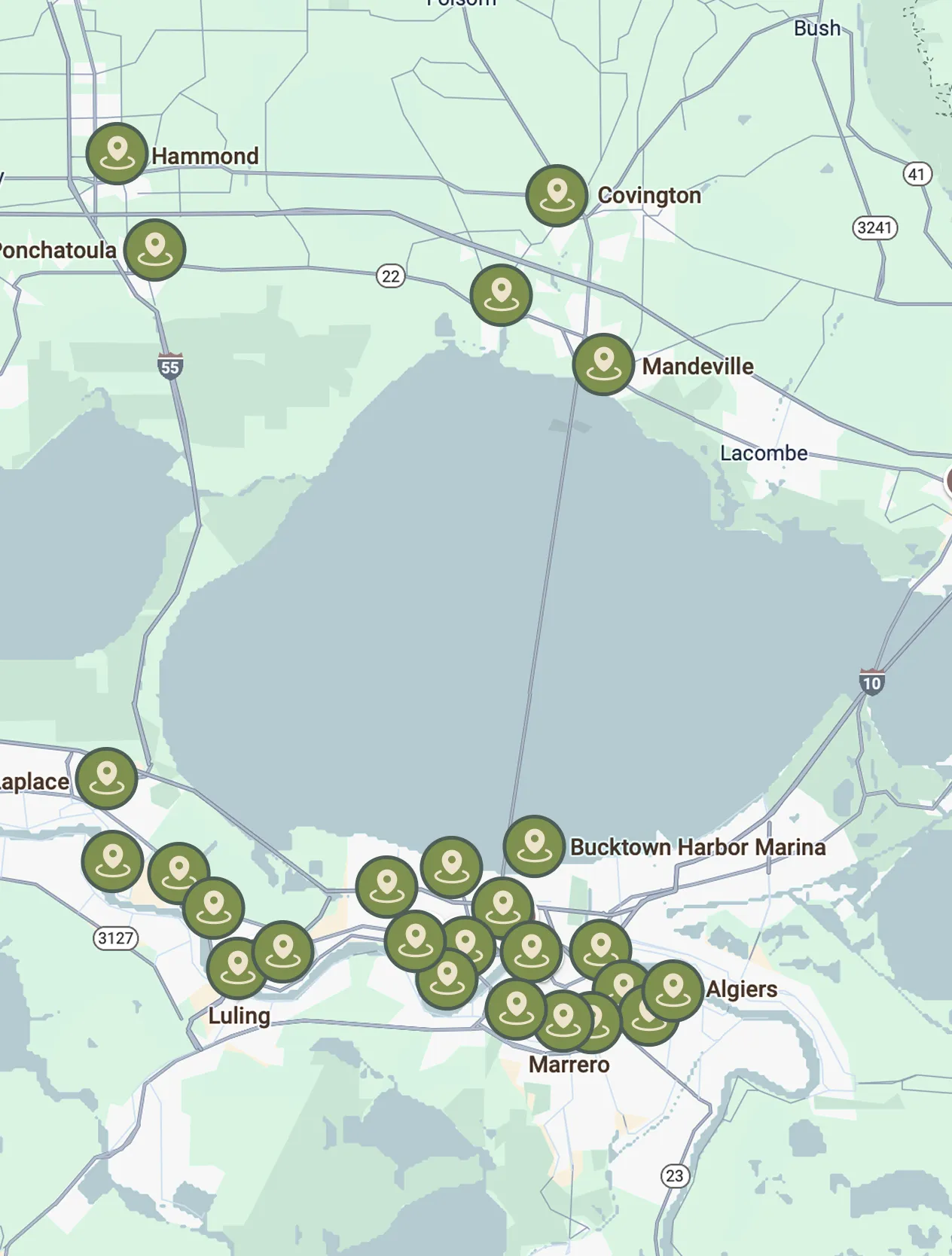
Our service areas are designed to meet the diverse needs of our clients. We focus on providing exceptional service and ensuring customer satisfaction in every location we operate.