Mini Split Repair in Luling, LA
.webp)
Mini split systems are an efficient, practical way to cool and heat Luling, LA homes, but coastal humidity, high heat, and storm related power fluctuations can speed up wear and cause failures. If your mini split is noisy, cycling irregularly, or not performing well, Cypress Cooling offers professional mini split repair in Luling, LA. We provide quick diagnostics, proper repairs, and steps to help prevent future issues. We address common problems, follow a detailed diagnostic process, use proven repair methods and quality replacement parts, and consider local factors affecting Luling homes. We also provide information on warranty coverage and tips for keeping your system dependable.
-min.webp)
Mini Split Repair in Luling, LA
Mini split systems are a practical, energy-efficient cooling and heating choice for Luling, LA homes, but coastal humidity, heat, and storm-season power swings can accelerate wear and trigger failures. If your mini split is underperforming, cycling erratically, or making unusual noises, professional mini split repair in Luling, LA ensures fast diagnostics, correct repairs, and measures to prevent repeat breakdowns. The content below explains common failures, how technicians diagnose problems, typical repair procedures and parts replacement, local considerations for Luling properties, warranty expectations, and tips to keep your system reliable.
Common mini split issues in Luling, LA
Homeowners in Luling commonly call for repair because humid summers and frequent use reveal or worsen these problems:
- Compressor problems: System blows warm air, trips breakers, or runs without producing cold. Compressors can fail from electrical faults, low refrigerant, or age.
- Refrigerant leaks: Loss of cooling performance, ice on the evaporator coil, and hissing noises. Leaks are often at brazed joints, valves, or along the line set.
- Electrical faults and control board failures: System won’t power on, remote or thermostat controls fail, or fuses repeatedly blow. Power surges during storms can damage electronics.
- Thermostat and sensor errors: Unit cycles short, runs constantly, or shows incorrect temperatures. Faulty room or evaporator sensors are common.
- Airflow and drainage problems: Weak airflow, uneven room temperatures, or water dripping indoors caused by clogged filters, dirty coils, failing fan motors, or blocked condensate drains.
- Noise and vibration: Rattling or loud compressor sounds that suggest loose mounts, failing bearings, or refrigerant issues.
Diagnostic process technicians use
A structured diagnostic approach minimizes guesswork and ensures correct repairs:
- Visual inspection: Check indoor and outdoor units for obvious damage, refrigerant oil stains, drain clogs, and airflow obstructions.
- Electrical and control checks: Test power supply, breakers, capacitors, fuses, contactors, and control boards for faults and voltage irregularities.
- Refrigerant assessment: Measure system pressures and superheat/subcooling to detect leaks or incorrect charge.
- Airflow and component testing: Evaluate fan motors, blower speeds, and evaporator/condenser coil condition. Inspect filters and ductless air handlers for blockages.
- Operational run test: Run the system through a full cycle to replicate symptoms, listen for unusual noises, and verify performance.
- Reporting and estimate: Provide a clear summary of findings, recommended repairs, parts needed, and an estimated timeline.
Typical repair procedures and parts replacement
Repairs focus on restoring safe, efficient operation while addressing root causes to prevent repeat calls:
- Refrigerant leak repair and recharge: Locate and repair leak sources, replace failed valves or line sections, evacuate and vacuum the system, then recharge with the correct refrigerant and verify pressures.
- Compressor replacement: When compressors fail, technicians remove and replace the compressor and associated service valves, verify oil and refrigerant compatibility, and perform a full system evacuation and recharge.
- Electrical and control board fixes: Replace failed contactors, capacitors, fuses, relays, and control boards. Install updated wiring or surge protection where needed.
- Fan motor and blower repairs: Replace motors, belts, or fans in indoor or outdoor units to restore proper airflow and reduce strain on the system.
- Thermostat and sensor replacement: Recalibrate or replace faulty temperature sensors or remote control modules to correct cycling and temperature display errors.
- Coil and drain service: Clean or replace evaporator and condenser coils, clear condensate drain lines, and repair drain pans to stop leaks and microbial growth.
- Line set and insulation repair: Replace or re-insulate refrigerant lines to prevent efficiency loss and condensation damage.
Parts commonly replaced include compressors, contactors, capacitors, PCB/control boards, fan motors, expansion valves, thermostats/sensors, and line set components. Technicians will explain whether repairs are performed using original manufacturer parts or aftermarket equivalents and the impact on warranties.
Estimated response times and repair timelines
Response and repair timelines in Luling depend on the urgency and part availability:
- Emergency repairs (no cooling during extreme heat, severe leaks, or electrical hazards): Many service providers prioritize same-day or next-day response when technicians are available and safe access is possible.
- Routine repairs and diagnostics: Expect on-site diagnostic visits within a few business days; straightforward repairs may be completed the same visit if parts are stocked.
- Parts lead times: For major components like compressors or control boards not commonly stocked, expect repair timelines to extend by several days to a week for ordering and installation.
Technicians will typically provide a timeline after the initial diagnostic so you know whether a temporary fix is advisable while waiting for parts.
Warranty and parts information
Understanding how warranties apply will help you plan repairs:
- Manufacturer warranties: Compressors and major components are often covered by manufacturer warranties that can range from several years to a decade, depending on the brand and registration terms. Warranty coverage varies by model and age.
- Parts and labor warranties: Installers and repair companies often offer limited warranties on parts and labor for repairs they perform. Coverage terms differ widely—common durations range from 30 days to one year.
- Impact of aftermarket parts and prior repairs: Using non-original parts or past unauthorized repairs can affect manufacturer warranty coverage.
Always ask the technician to document the parts used and warranty terms for any repair to keep for your records.
Preventative maintenance and Luling-specific tips
Regular maintenance reduces breakdown risk and extends system life in Luling’s climate:
- Schedule professional tune-ups at least once a year; for homes that rely heavily on cooling, consider biannual visits timed before summer and winter.
- Change or clean filters monthly during heavy-use periods to maintain airflow and indoor air quality.
- Keep at least 2–3 feet of clearance around outdoor units and remove yard debris, especially during storm season.
- Inspect and protect outdoor electrical connections from moisture and consider whole-home surge protection to mitigate lightning or storm-related electronics damage.
- Check condensate drains and drain pans for blockages and microbial buildup caused by humidity.
- Ensure line set insulation is intact to prevent sweating and reduce energy loss.
- If your home experiences frequent outages in hurricane season, consider hardening outdoor units and disconnecting power per manufacturer guidance during prolonged storms.
What to expect when scheduling emergency or routine repairs
When you arrange for a repair—emergency or routine—expect a standardized process that helps technicians work efficiently:
- Prepare basic system information: model number, age, symptoms, and any recent service history.
- During scheduling, ask about estimated arrival windows and whether a diagnostic fee applies; providers typically confirm whether parts are likely to be needed on-site.
- On arrival, the technician will run diagnostics, explain findings in plain language, and present repair options with timelines and warranty details.
- For complex repairs that require ordered parts, technicians may implement temporary measures to protect the system until a permanent fix is completed.
Final note: benefits of timely mini split repair
Prompt, professional mini split repair in Luling, LA restores comfort, improves energy efficiency, prevents secondary damage, and often saves money compared with emergency replacements. Addressing issues early—especially in Luling’s humid, warm climate—reduces the risk of compressor failure, mold growth, and electrical damage from storms. Regular maintenance combined with timely repairs keeps your mini split running reliably season after season.
OUR CLIENTS HAVE TO SAY ABOUT US



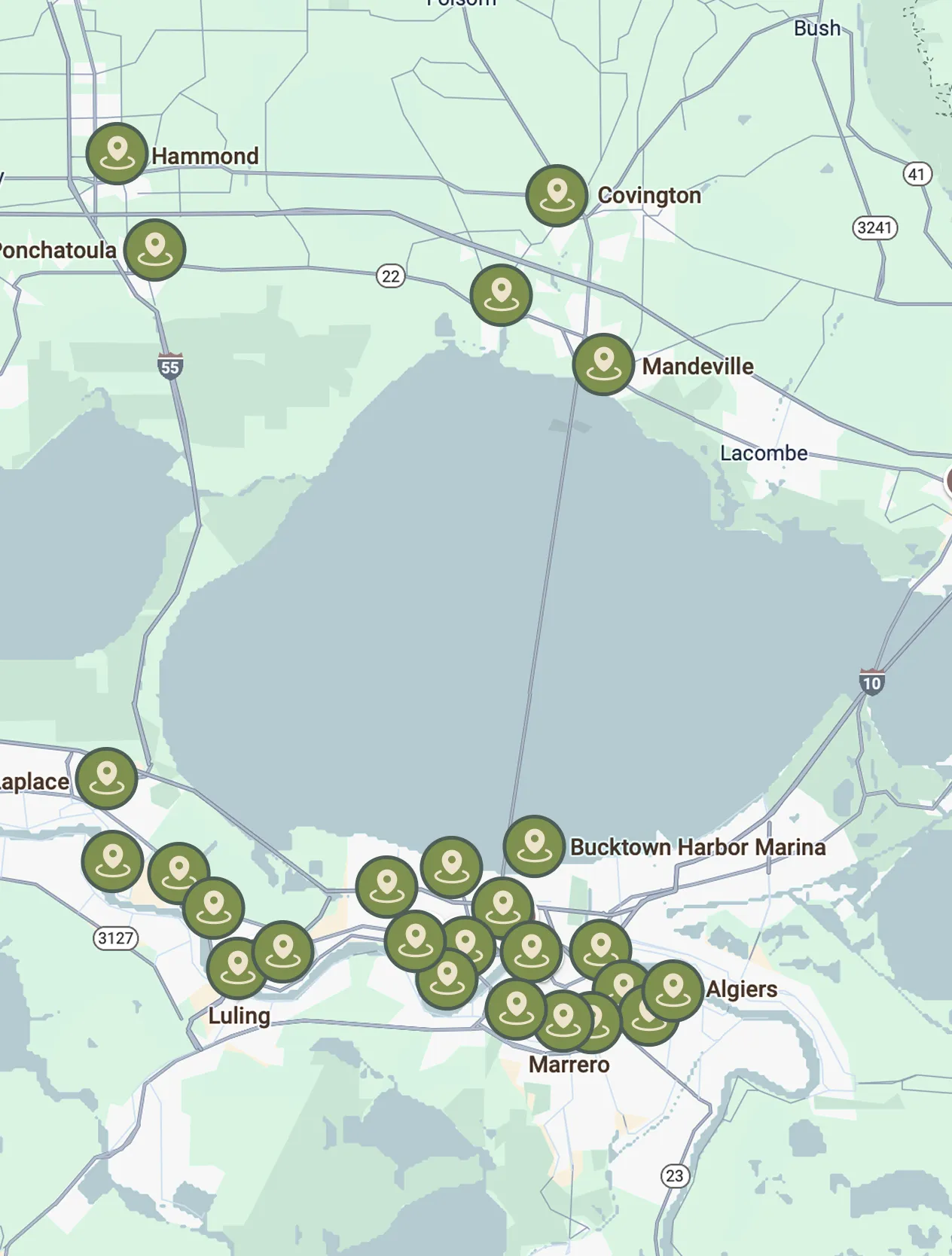
Service areas
Our service areas are designed to meet the diverse needs of our clients. We focus on providing exceptional service and ensuring customer satisfaction in every location we operate.