Mini Split Installation in Luling, LA
.webp)
Cypress Cooling's mini split installation in Luling, LA, delivers precise, energy efficient comfort for homes without existing ductwork. Our service includes a thorough site evaluation, accurate system sizing, and strategic zoning to maximize performance while minimizing energy consumption. We carefully plan indoor and outdoor unit placement, refrigerant lines, and electrical considerations, ensuring compliance with permit requirements and following a step by step installation workflow. Post installation testing, customer orientation, and comprehensive documentation guarantee reliable operation, while our maintenance tips help sustain efficiency in Luling's humid subtropical climate, ensuring year round performance.
Mini Split Installation in Luling, LA
Mini split installation in Luling, LA offers a targeted, energy-efficient way to cool and heat homes that often lack ductwork or need room-by-room temperature control. In Luling’s hot, humid subtropical climate, a properly sized mini split improves comfort, reduces energy use, and helps control indoor humidity. This page explains the full installation process—from pre-install consultation through post-install testing—so you know what to expect and how local factors influence decisions.
Why mini splits are a smart choice for Luling, LA homes
- Efficient cooling and heating for hot, humid summers and mild winters.
- Zoning capability lets you condition only occupied spaces, lowering energy bills.
- Ideal for older or historic homes where adding ducts is disruptive.
- Better humidity control than window units, reducing mold risk in humid conditions.
- Outdoor unit placement must consider coastal humidity, salt air, and occasional flooding in low-lying areas.
Common mini split issues and use cases in Luling, LA
- Cooling individual rooms, additions, or converted attics where ducts are impractical.
- Replacing inefficient window units or baseboard heaters.
- Humidity and mold prevention in high-moisture rooms.
- Supplemental heating for oversized rooms or poorly insulated spaces.
- Multiple-zone control for families with different comfort needs.
Pre-install consultation and site evaluation
A thorough consultation in Luling begins with:
- Reviewing your comfort goals, occupancy patterns, and budget.
- Inspecting the home’s layout, wall construction, attic access, and electrical service.
- Identifying structural or exterior constraints: where lines can run, whether an outdoor condenser can be shielded from salt spray, and if elevation is needed in flood-prone yards.
- Discussing aesthetic preferences for indoor head styles (wall-mounted, ceiling cassette, or floor-mounted).
This visit informs the system sizing and zoning plan and flags potential permit or electrical upgrade needs common in older Luling homes.
System sizing and zoning recommendations
Proper sizing is critical. Oversized systems short-cycle and underperform; undersized systems struggle in Luling’s summer heat. Sizing considers:
- Square footage and ceiling height of each zone.
- Insulation levels, window orientation, and solar gain.
- Local climate loads including high humidity and summertime peak temperatures.
- Occupancy and typical usage patterns.
Zoning recommendations often include:
- 1:1 systems for single rooms or small additions.
- Multi-zone systems for entire living areas, bedrooms, and home offices, allowing independent control.
- Dedicated units for high-moisture spaces like kitchens or sunrooms.
Indoor and outdoor unit placement
Placement balances performance, noise, and durability:
- Indoor heads are usually installed high on interior walls for efficient airflow; alternatives include ceiling cassettes in open-plan areas.
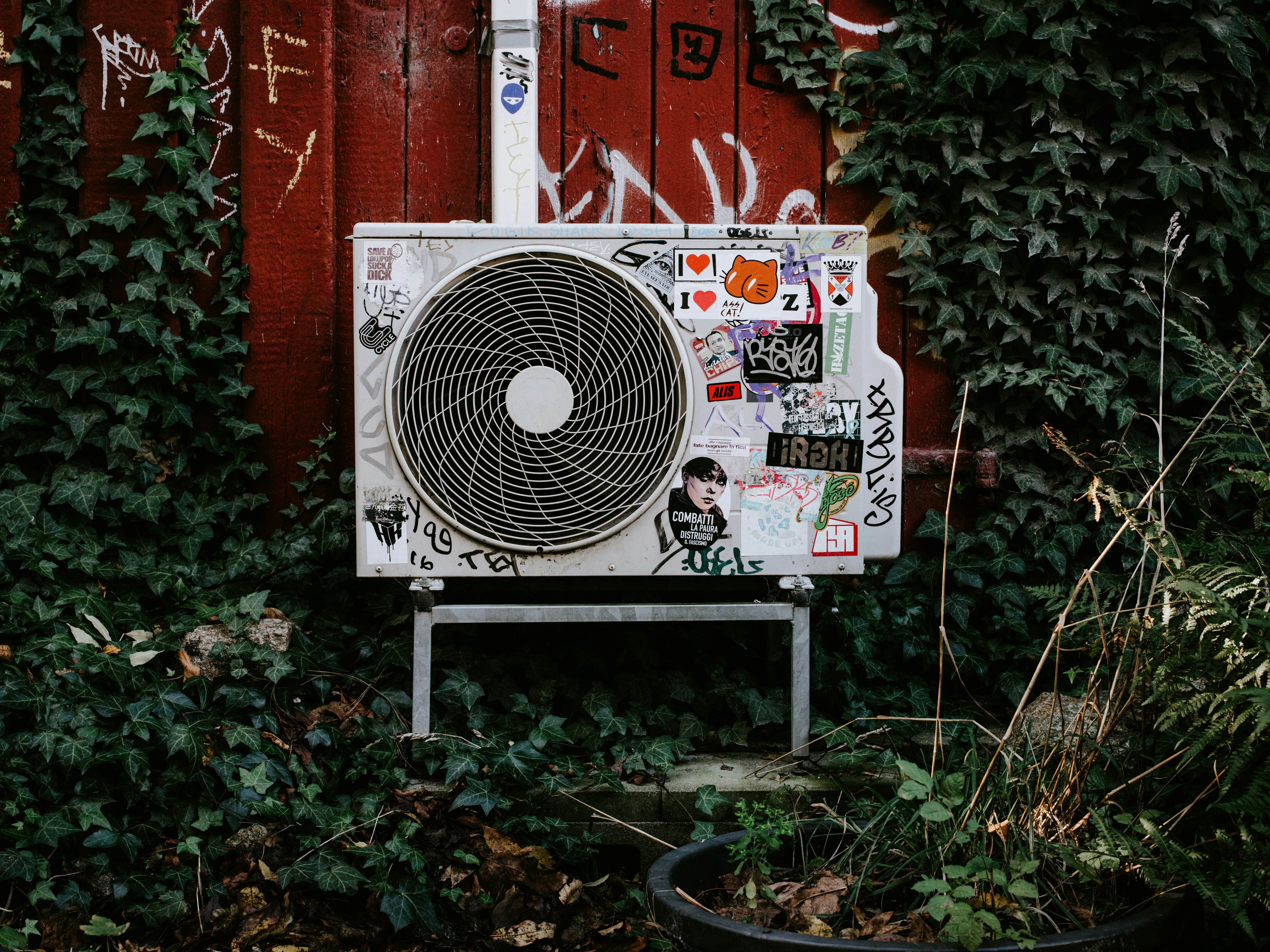
- Outdoor condensers should be sited for adequate airflow, noise mitigation, and corrosion resistance. In Luling, plan for salt-laden air by choosing corrosion-resistant finishes or protective coatings.
- If your property is in a flood-prone area, elevating the outdoor unit above expected flood levels is often recommended.
- Consider pathways for refrigerant lines and electric conduit that minimize wall penetrations and preserve home aesthetics.
Refrigerant lines, electrical work, and common upgrades
Installation includes running refrigerant lines, condensate drain lines, and an electrical connection to the outdoor unit. Typical considerations:
- Line sets are insulated and routed through small wall penetrations; lengths are kept as short as practical to maintain efficiency.
- Condensate drains must be sloped properly and may require a condensate pump for low-clearance installations.
- Electrical work can range from a dedicated circuit to a needed service panel upgrade in older homes. Luling homes with older electrical systems may require a service capacity review.
- Proper grounding and a disconnect switch for the outdoor unit are standard safety measures.
Permit considerations and code compliance
Mini split installations in Luling generally require building permits and inspections to ensure compliance with local codes and safety standards. Common permit-related elements:
- Verification of refrigerant handling by certified technicians.
- Electrical permits for new circuits or panel upgrades.
- Installation inspections for structural penetrations and safe condensate disposal.Check with local permitting authorities for specific filing requirements and inspection timelines applicable to St. Charles Parish.
Step-by-step installation workflow
- Finalize equipment selection and zoning plan based on the site evaluation.
- Pull necessary permits and schedule inspections as required.
- Install mounting brackets and place indoor heads; mark through-wall penetrations.
- Run refrigerant lines, condensate drains, and electrical conduit; install outdoor condenser.
- Connect line sets, vacuum the refrigerant lines, and charge system per manufacturer specifications.
- Perform electrical hookups, install disconnects, and secure all connections.
- Seal wall penetrations and complete any minor drywall or trim touch-ups.
- Commission the system and run performance checks.
Post-install testing, customer orientation, and documentation
After installation, expect:
- A full system performance test: cooling/heating output, airflow, refrigerant pressure, and leak checks.
- Verification of proper condensate drainage and electrical safety.
- A walkthrough to show how to use thermostats and zoning controls, adjust schedules, and basic maintenance tasks like filter cleaning.
- Delivery of system documentation, warranty details, and any permit/inspection records.
Expected timelines and pricing factors
- Typical timeline: most single-zone installs can be completed in a day; multi-zone systems commonly take 1–3 days depending on complexity and permitting. Allow additional time if electrical upgrades or structural work is required.
- Pricing depends on: number of zones, equipment efficiency ratings, line length and routing complexity, needed electrical work or panel upgrades, and local permit fees. Coastal corrosion protection and flood-elevation measures may add to cost.
- Financing options and incentives can reduce upfront cost; availability varies.
Available rebates, financing, and incentives
Homeowners in Luling may qualify for federal, state, or local incentives for high-efficiency heat pumps or energy-saving upgrades. Typical incentive types include:
- Utility rebates for installing ENERGY STAR or high-efficiency heat pump systems.
- Federal or state tax credits for qualifying energy-efficient equipment.
- Local financing or payment programs to spread the cost over time.
Documentation such as equipment model numbers, installation dates, and contractor invoices is usually required when applying for rebates or tax credits.
Maintenance tips for Luling’s climate
- Clean or replace filters regularly to maintain airflow and efficiency.
- Inspect outdoor units for debris, salt buildup, and proper drainage after storms.
- Schedule annual professional tune-ups to test refrigerant charge, controls, and electrical connections.
- Use programmable or smart controls to manage humidity during hot months and avoid unnecessary load on the system.
Mini split installation in Luling, LA offers precise comfort control and energy savings when planned and executed with local climate and home characteristics in mind. A thorough site evaluation, correct sizing, attention to outdoor placement and corrosion protection, and compliance with local permits ensure a reliable system that performs well in Luling’s humid subtropical environment.
OUR CLIENTS HAVE TO SAY ABOUT US



Service areas
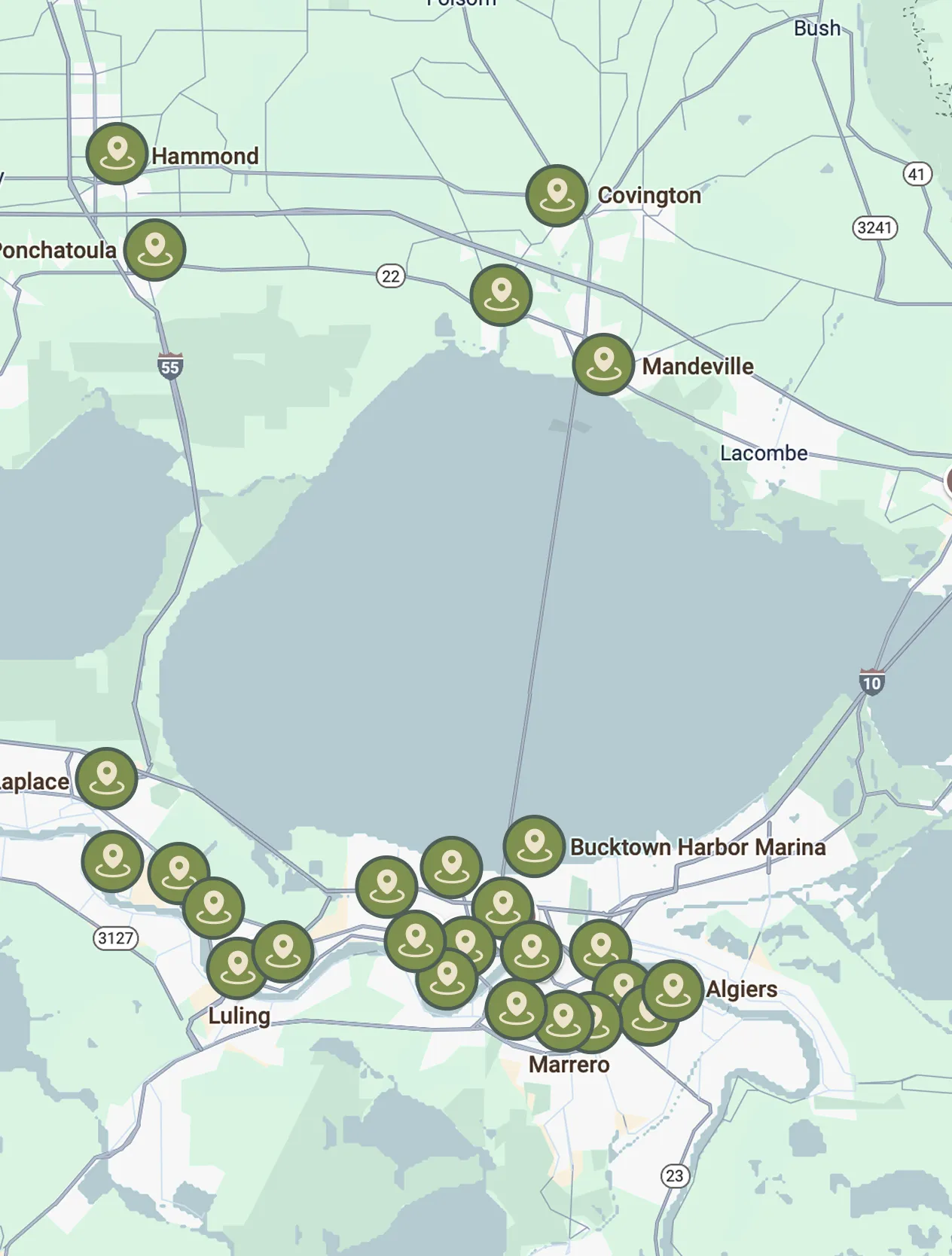
Our service areas are designed to meet the diverse needs of our clients. We focus on providing exceptional service and ensuring customer satisfaction in every location we operate.