Mini Split Maintenance in Madisonville, LA
.webp)
Mini split maintenance in Madisonville, LA, is essential for year round comfort, preventing performance declines and unexpected breakdowns. Climate specific stresses—such as high humidity, pollen, and salt air—can accelerate coil corrosion, filter clogging, and general wear. Cypress Cooling provides a comprehensive maintenance plan covering filters, coils, refrigerant checks, electrical inspections, drain line cleaning, and performance testing, along with a diagnostic approach to identify root causes. We also outline a seasonal schedule, expected outcomes, and practical tips to extend equipment life and maintain healthy indoor air quality. Choose Cypress Cooling for your mini split needs.
%2520(1)-min%2520(2).webp)
Mini Split Maintenance in Madisonville, LA
Keeping mini split systems running efficiently in Madisonville, LA requires routine care that accounts for our hot, humid summers, pollen-heavy springs, and proximity to Lake Pontchartrain. Regular mini split maintenance preserves comfort, prevents breakdowns during peak heat, and extends equipment life. This page explains common issues local homeowners face, what a thorough maintenance plan includes, how technicians diagnose problems, seasonal service schedules tailored to Madisonville, and the long-term benefits of recurring care.
Why mini split maintenance matters in Madisonville, LA
Madisonville’s climate places specific stresses on HVAC equipment:
- High humidity encourages coil corrosion and promotes mold and biological growth on filters and drain pans.
- Heavy pollen and seasonal vegetation increase filter loading and reduce airflow.
- Occasional severe weather and salt air exposure can accelerate corrosion on outdoor units.Without routine maintenance, these factors reduce efficiency, increase energy bills, and raise the risk of mid-summer failures when cooling is most needed.
Common mini split issues in Madisonville, LA homes
Many service visits in this area are driven by repeatable, preventable problems:
- Clogged or dirty filters causing weak airflow and uneven room temperatures
- Dirty evaporator or condenser coils impairing heat exchange and efficiency
- Refrigerant leaks or low refrigerant reducing cooling capacity
- Electrical faults such as loose connections, worn capacitors, or failing controls
- Drain blockages producing water leaks or mold growth
- Compressor or fan motor wear from inadequate lubrication or corrosionA targeted maintenance plan addresses these issues before they become expensive repairs.
What a comprehensive mini split maintenance plan includes
A professional routine service focuses on both performance and safety. Typical tasks performed during an inspection and tune-up include:
- Filter cleaning and inspection
- Remove, clean or replace washable filters; inspect disposable filters and recommend replacement schedules based on indoor air quality and pollen loads.
- Evaporator and condenser coil cleaning
- Gently clean indoor coils and outdoor condensers to restore efficient heat transfer and prevent microbial growth.
- Refrigerant level and leak check
- Measure refrigerant pressures, evaluate system charge, and inspect for signs of leaks. If refrigerant loss is detected, technicians diagnose and document likely sources.
- Electrical and safety inspection
- Tighten electrical connections, test capacitors and relays, check thermostat and control wiring, and verify safety devices operate correctly.
- Drain line and condensate inspection
- Clear condensate drains, inspect drain pans, and treat areas prone to biological buildup to prevent clogs and overflows.
- Airflow and performance testing
- Measure airflow, static pressure, and temperature splits across the coil to confirm proper cooling performance and ductless balance.
- Outdoor unit condition check
- Inspect mounting, refrigerant lines, insulation, and for signs of corrosion from humidity or nearby water.
- Operational run test
- Run the system through heating and cooling cycles to observe startup behavior, noise, vibration, and thermostat response.
How diagnostics are performed (simple explanation)
Technicians use a combination of visual inspection and measurement tools to diagnose issues without unnecessary parts replacement. Common diagnostic steps:
- Visual inspection for dirt, corrosion, and obvious damage
- Electrical testing with handheld meters to confirm safe voltages and component health
- Pressure and temperature readings to calculate refrigerant charge and heat transfer efficiency
- Airflow measurement to detect blockages or failing fansThis approach identifies root causes, so maintenance fixes address long-term reliability rather than temporary symptoms.
Recommended seasonal service schedule for Madisonville
A tailored schedule keeps mini splits ready year-round:
- Spring pre-summer service (March to May)
- Clean filters and coils, verify refrigerant and electrical systems, and prepare for peak cooling demand.
- Fall post-summer service (September to November)
- Inspect for wear from heavy summer use, clean outdoor units, and address any identified issues before cooler, wetter weather arrives.
- Additional checks after storms or extended inactivity
- After severe weather or long idle periods, a quick inspection can catch water intrusion, debris, or animal nesting before they cause problems.
Most Madisonville homes benefit from at least two maintenance visits per year. Homes with high humidity, heavy pollen exposure, or multiple zones may need quarterly attention.
Membership and recurring service plans (what to expect)
Recurring maintenance plans are structured to simplify ongoing care and maximize equipment life without discussing prices. Typical program features include:
- Scheduled seasonal visits coordinated around local climate needs
- Priority scheduling windows during peak seasons
- Detailed service reports documenting work performed and recommended actions
- Regular performance tracking to spot gradual declines in efficiency
- Options for customizable visit frequency based on usage patterns and indoor air quality needs
Membership-style plans reduce the chance of missed service visits, provide predictable maintenance cadence, and help maintain manufacturer warranty requirements that call for routine professional service.
Benefits of regular mini split maintenance
Routine maintenance delivers measurable advantages for Madisonville homeowners:
- Improved energy efficiency that lowers monthly cooling costs by restoring optimal heat exchange
- Increased reliability and fewer emergency repairs during high-demand periods
- Longer equipment life and delayed replacement expenses
- Better indoor air quality through clean filters and reduced microbial growth
- Faster diagnosis and repair when problems are caught early, minimizing downtime
Practical maintenance tips for Madisonville residents
- Replace or clean washable filters every 1 to 2 months during heavy pollen or high-use seasons.
- Keep outdoor units clear of debris, leaves, and grass clippings to improve airflow and reduce corrosion risk.
- Inspect indoor unit drain pans periodically for standing water or unpleasant odors that indicate a clog or growth.
- Note changes in system noise, cooling effectiveness, or unexpected cycling and schedule a professional inspection if they occur.
Final thoughts
Mini split maintenance in Madisonville, LA is an investment in home comfort and equipment longevity that responds directly to local climate pressures. A structured maintenance plan—focused on filters, coils, refrigerant, electrical safety, and performance testing—keeps systems efficient, reduces the chance of mid-summer failures, and preserves indoor air quality. For homes near the lake or with high humidity, adopting a proactive seasonal schedule and recurring service program is an effective way to protect your mini split system and maintain reliable, efficient cooling and heating all year.
OUR CLIENTS HAVE TO SAY ABOUT US



Service areas
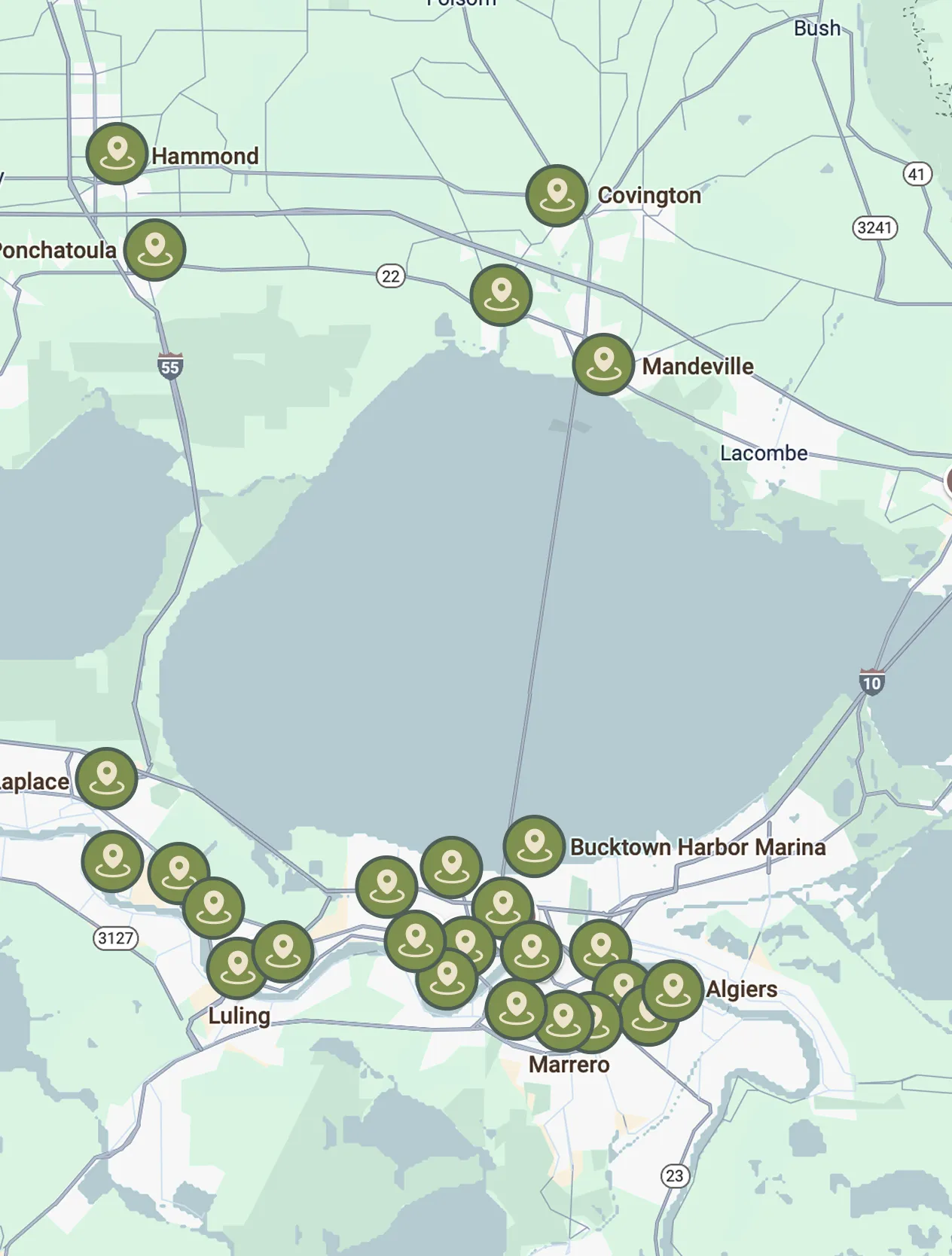
Our service areas are designed to meet the diverse needs of our clients. We focus on providing exceptional service and ensuring customer satisfaction in every location we operate.