Mini Split Installation in Mandeville, LA
.webp)
Considering a mini split installation in Mandeville, LA? It's a fantastic ductless cooling and heating solution, especially for homes without existing ductwork. At Cypress Cooling, we start with a thorough site survey, carefully calculating load requirements and planning the layout to guarantee the right capacity, efficiency, and, most importantly, your comfort. Our process includes strategic indoor and outdoor unit placement, precise refrigerant piping, and all electrical work adhering to NEC compliant safety measures. We also pay close attention to local concerns like flood risk and humidity. The installation wraps up with necessary permitting, system commissioning, and a detailed homeowner walkthrough to ensure you understand how to optimize performance and handle ongoing maintenance.
%2520(1)-min%2520(1).webp)
Mini Split Installation in Mandeville, LA
Installing a mini split in Mandeville, LA is a practical way to get precise, efficient cooling and heating in homes that lack ductwork, in additions, or in zone-controlled living spaces. With the Gulf Coast climate bringing hot, humid summers and mild winters, properly sized and installed ductless systems deliver comfort without the energy loss of ducts. This page explains the full mini split installation process in Mandeville, what to expect at each stage, common local concerns, and how professionals ensure safe, code-compliant results.
Why homeowners in Mandeville choose mini splits
- Efficient zone control for rooms with inconsistent temperatures
- Easy fit for older homes or historic properties where adding ducts is invasive
- Heat pump models that provide both cooling and backup heating for mild winters
- Lower operating costs compared with window units or poorly performing central systems
- Quiet, compact indoor heads with flexible placement to preserve aesthetics
Common mini split installation issues in Mandeville
- Undersized systems that struggle during hot, humid peak days
- Poor line set routing causing visual or performance problems
- Outdoor unit placement that fails to account for seasonal flooding or drainage
- Electrical circuits that are not properly dedicated or protected
- Lack of permits or failure to meet local code and inspection requirements
Initial consultation and site survey
A thorough on-site survey is the foundation of a successful mini split installation in Mandeville, LA. The survey typically includes:
- Room-by-room load calculation using Manual J principles to determine correct capacity
- Assessment of wall locations, insulation levels, window orientation, and sun exposure
- Evaluation of possible indoor head locations for airflow, aesthetics, and occupant comfort
- Determination of an outdoor unit location factoring in clearance, noise, drainage, and elevation relative to potential flood zones near Lake Pontchartrain
- Review of existing electrical service capacity and potential circuit routing
A professional installer documents measurements and photos, then proposes a layout and equipment options based on the site survey.
System design and equipment selection
System design balances capacity, efficiency, and flexibility. Key considerations:
- Single-zone versus multi-zone systems depending on the number of rooms to be conditioned
- Inverter-driven heat pump technology for part-load efficiency and soft starts
- Seasonal Energy Efficiency Ratio (SEER) and Heating Seasonal Performance Factor (HSPF) ratings for long-term operating cost
- Line length limitations and elevation differences that affect refrigerant charge and performance
- Controls and connectivity options such as wireless remotes or smart app integration
Design should also account for Mandeville specific factors like attic ventilation, high humidity, and how coastal weather patterns affect heat load calculations.
Indoor and outdoor unit placement
Correct placement optimizes comfort and longevity:
- Indoor heads: mounted high on walls for even air distribution, away from direct sunlight and obstructions, and positioned to provide good circulation without blowing directly on occupants
- Outdoor unit: installed on a raised pad or brackets to avoid standing water during heavy rains, oriented for good airflow and service access, and anchored with hardware suitable for local wind loads
- Considerations for multi-family or historic homes where aesthetics and HOA rules may influence placement
- Condensate handling: gravity drains or condensate pumps sized and routed to avoid damage to siding and foundations
In Mandeville, elevating outdoor units above known flood elevations and ensuring proper drainage reduces risk of water damage during storms.
Refrigerant lines and electrical work
Professional installation addresses refrigerant and electrical safety:
- Refrigerant line sets are sized and insulated to manufacturer specifications; long runs may require additional refrigerant and careful consideration of pipe slopes
- Brazing or flare connections are done to industry standard with leak checks and protective insulation to avoid condensation and energy loss
- Evacuation to specified vacuum level before charging to prevent moisture and compressor damage
- Dedicated electrical circuit, proper breaker sizing, and a disconnect switch installed per NEC and local amendments
- Surge protection and grounding recommendations for coastal electrical environments prone to storms
Technicians should hold EPA 608 certification for refrigerant handling and be familiar with local electrical permit requirements.
Permits and code compliance in Mandeville, LA
Permits and inspections protect homeowners and ensure compliant installations:
- Building and mechanical permits are typically required through St. Tammany Parish or the City jurisdiction; installers must submit equipment specs and electrical plans
- Compliance with the National Electrical Code plus any local amendments is essential for wiring and disconnects
- Proper documentation of refrigerant type and charge, and adherence to refrigerant handling regulations
- Inspections may include structural mounting, electrical hookup, and final mechanical performance checks
Verifying that permits are pulled and inspections passed is a key part of responsible installation.
Professional installation steps and commissioning
Typical installation workflow:
- Finalize system layout and obtain permits
- Mount indoor heads and outdoor unit, set up stands or brackets as needed
- Run refrigerant lines, condensate drain, and electrical conduit between units
- Make refrigerant connections and perform leak tests
- Evacuate lines and charge system to manufacturer specifications when required
- Power up system, configure controls, and perform performance testing including airflow, temperature split, and electrical draw
- Complete documentation of refrigerant charge, electrical parameters, and test results
Commissioning validates that the system meets design expectations under real operating conditions.
Homeowner walkthrough and maintenance recommendations
After installation, expect a detailed walkthrough covering:
- How to operate controls, set schedules, and use app features if provided
- Filter location and cleaning frequency; most filters require regular rinsing or replacement
- How to monitor and maintain condensate drains and pans to prevent overflow and mold
- Signs of trouble to watch for such as unusual noises, reduced airflow, or fluctuating temperatures
- Recommended professional maintenance: at least annual or biannual service to clean coils, check refrigerant levels, inspect electrical connections, and verify system performance
Regular maintenance preserves efficiency, extends equipment life, and helps avoid emergency repairs during summer peaks.
Scheduling and financing considerations
Planning matters in Mandeville:
- Scheduling installations in spring or fall often provides better availability and avoids peak summer demand
- Lead times vary by equipment availability and permit processing; factor in at least several weeks for design and approvals
- Financing options commonly include lender-backed loans, HVAC financing programs, and manufacturer promotions; homeowners should compare terms and review any potential incentives for energy-efficient heat pump systems through local or federal programs
Choosing qualified, licensed professionals who follow permitting and inspection protocols reduces risk and ensures that your mini split performs as expected in Mandeville homes.
Mini split installation in Mandeville, LA combines careful design, attention to local climate and site conditions, and code-compliant execution to deliver efficient, zoned comfort. Knowing what to expect at each step helps homeowners evaluate proposals and ensures a durable, well-performing system.
OUR CLIENTS HAVE TO SAY ABOUT US



Service areas
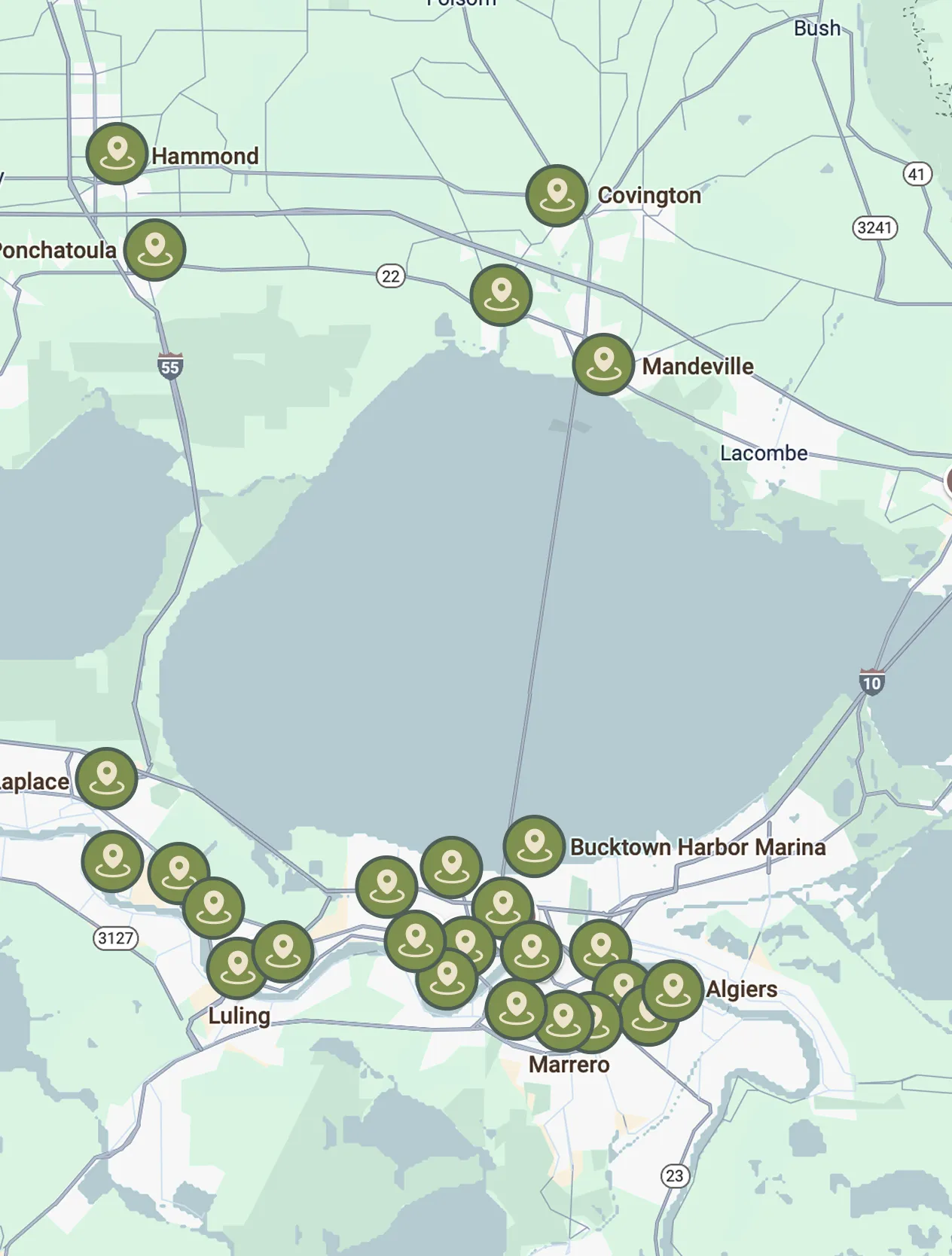
Our service areas are designed to meet the diverse needs of our clients. We focus on providing exceptional service and ensuring customer satisfaction in every location we operate.