Heating Replacement in Slidell, LA
.webp)
Considering a heating replacement in Slidell, LA? Cypress Cooling provides a comprehensive service, guiding you through choosing, evaluating, and installing a new system perfectly suited for our coastal, humid environment. We explain why replacement is often the best solution, what to expect during our on site load calculations and duct inspections, and how to select high efficiency furnaces, heat pumps, or ductless systems. Cypress Cooling handles the removal of your old equipment, manages all installation steps, secures necessary permits, and helps you navigate rebates and warranties. Post installation testing ensures reliable comfort and energy savings for your Slidell home. Let Cypress Cooling help you plan your heating replacement with confidence.
Heating Replacement in Slidell, LA
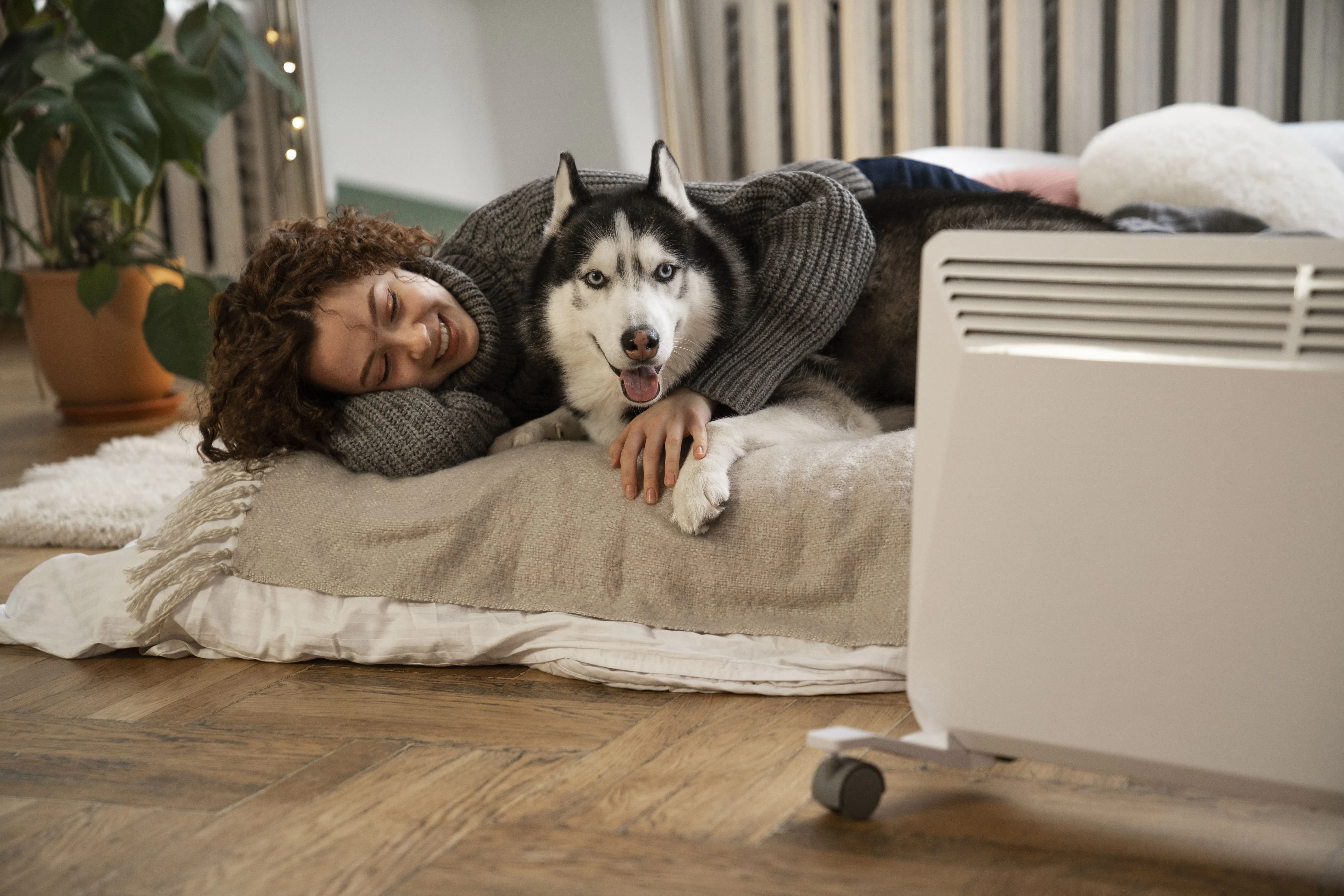
Replacing your home heating system is a major investment in comfort, safety, and energy efficiency. In Slidell, LA, where winters are mild but humidity and coastal conditions influence system longevity, a properly executed heating replacement improves year round comfort, lowers operating costs, and reduces the risk of breakdowns during cold snaps. This page explains the full heating replacement process, what to expect on site, and the specific considerations homeowners in Slidell should know.
Why replace your heating system now
- Older systems lose efficiency and can become unsafe due to cracked heat exchangers or failing electrical components.
- Replacing an aging unit reduces monthly energy bills through higher AFUE or HSPF ratings and modern controls.
- In coastal and humid areas like Slidell, salt air and moisture accelerate corrosion; newer equipment with appropriate coatings and materials performs better.
- If you plan other home improvements or a long-term stay, a modern heating system increases comfort and home value.
Common heating replacement reasons in Slidell, LA
- Frequent repairs and rising service costs on existing furnaces or heat pumps.
- Inadequate comfort due to uneven heating, poor airflow, or undersized equipment.
- Older systems with low efficiency ratings that do not meet current standards.
- Safety concerns such as carbon monoxide risk from combustion systems.
- Desire to switch to a heat pump or ductless system better suited to mild Gulf Coast winters and combined heating and cooling efficiency.
Types of replacement systems we evaluate
- High-efficiency air-source heat pumps (preferred in mild climates for year round heating and cooling efficiency).
- Gas or propane furnaces where natural gas is available and the home benefits from combustion heating.
- Ductless mini-split heat pumps for room additions, converted spaces, or homes with limited ductwork.
- Hybrid systems combining heat pump with gas furnace for peak-cold efficiency.
- Upgrades to thermostats and zoning controls for better comfort and savings.
On-site evaluation and load calculations
A successful replacement begins with a professional on-site evaluation, not a simple equipment swap. This includes:
- A room-by-room Manual J load calculation to determine the correct capacity for heating and cooling. Undersized or oversized equipment causes comfort and efficiency issues.
- Inspection of existing ductwork for leaks, insulation, and proper sizing using Manual D principles.
- Assessment of insulation, window performance, and air leakage that affect heating needs.
- Review of fuel source availability, ventilation, and combustion air requirements for gas systems.
- Recommendations tailored to Slidell homes where humidity control and salt air exposure influence equipment choice and materials.
Selecting an energy-efficient replacement unit
- Look for high AFUE ratings on furnaces and high HSPF or SEER ratings on heat pumps to maximize savings.
- Consider variable-speed compressors and multi-stage heating for more consistent comfort and better dehumidification during shoulder seasons.
- Choose corrosion-resistant components and appropriate coatings if the unit will be exposed to salt air.
- Factor in compatible thermostat and control upgrades that enable scheduling, zoning, and smart features.
Removal of old equipment
- Disconnecting fuel, electrical, and refrigerant lines safely and in accordance with local codes.
- Proper disposal or recycling of old units and refrigerant by EPA-certified technicians.
- Repair or removal of obsolete venting, pads, or curbs to prepare the installation site.
Installation steps and timeline
Typical replacement timeline depends on system type and complexity:
- Day 1: Final measurements, permit application if needed, ordering any custom equipment.
- Day 2: Delivery and installation of equipment, duct modifications, electrical and plumbing connections.
- Day 3: System start-up, commissioning, and walkthrough.
Most standard replacements are completed within 1 to 3 days. Complex retrofits, ductwork replacement, or permit and inspection scheduling may extend the process by several days to a couple of weeks.
Installation steps include:
- Setting and securing the outdoor and indoor units.
- Making mechanical connections for refrigerant and condensate.
- Completing gas or electrical hookups and installing proper disconnects and breakers.
- Sealing and insulating duct connections and testing for proper airflow.
- Installing and programming controls.
Permit and code considerations
- Local building permits and inspections are typically required for heating system replacements to ensure safety and code compliance.
- Combustion appliances require proper venting, clearances, and carbon monoxide provisions per local codes.
- Electrical service upgrades must meet National Electrical Code standards adopted locally.
- Permitting timelines vary in St Tammany Parish; allow time for application and municipal inspections when planning a replacement.
Available rebates and financing options
- Many homeowners qualify for utility rebates, manufacturer incentives, and federal or state efficiency tax credits when installing high-efficiency heat pumps or furnaces.
- Local utility programs and seasonal rebates can offset part of the equipment cost.
- Financing plans are commonly available to spread payments over time and can be paired with rebates and tax incentives.
- Eligibility and program details vary; documentation such as equipment specifications and proof of installation is usually required for rebate applications.
Warranty and documentation
- Most modern units carry manufacturer limited warranties on heat exchangers, compressors, and parts. Typical terms vary by brand and component.
- Labor or workmanship warranties may be offered for the installation itself; review terms and registration procedures.
- Keep all installation paperwork, permits, manufacturer registration, and maintenance recommendations to preserve warranties and support future service needs.
Post-installation testing and assurance
- Performance verification includes measuring refrigerant charge, airflow (CFM), temperature rise or split, and electrical draw to ensure the system runs to specification.
- For combustion systems, combustion efficiency tests and carbon monoxide checks confirm safe operation.
- Duct leakage and static pressure tests identify and correct airflow issues that affect comfort and efficiency.
- Thermostat calibration, zoning validation, and a homeowner walkthrough ensure you understand operation and maintenance basics.
Benefits and maintenance advice
- Immediate benefits: improved comfort, smarter temperature control, quieter operation, and lower monthly energy bills.
- Long term: fewer repairs, longer service life, and potentially higher home resale value.
- Recommended maintenance: annual tune-ups, filter changes, and duct inspections to preserve efficiency—especially important in damp, coastal climates.
- Register equipment and follow manufacturer service intervals to maintain warranty coverage and system reliability.
Replacing a heating system in Slidell, LA requires careful planning to match equipment to the local climate, home characteristics, and code requirements. A thorough evaluation, accurate load calculations, correct installation, and thoughtful selection of energy-efficient equipment are the keys to long term comfort, safety, and value.
OUR CLIENTS HAVE TO SAY ABOUT US



Service areas
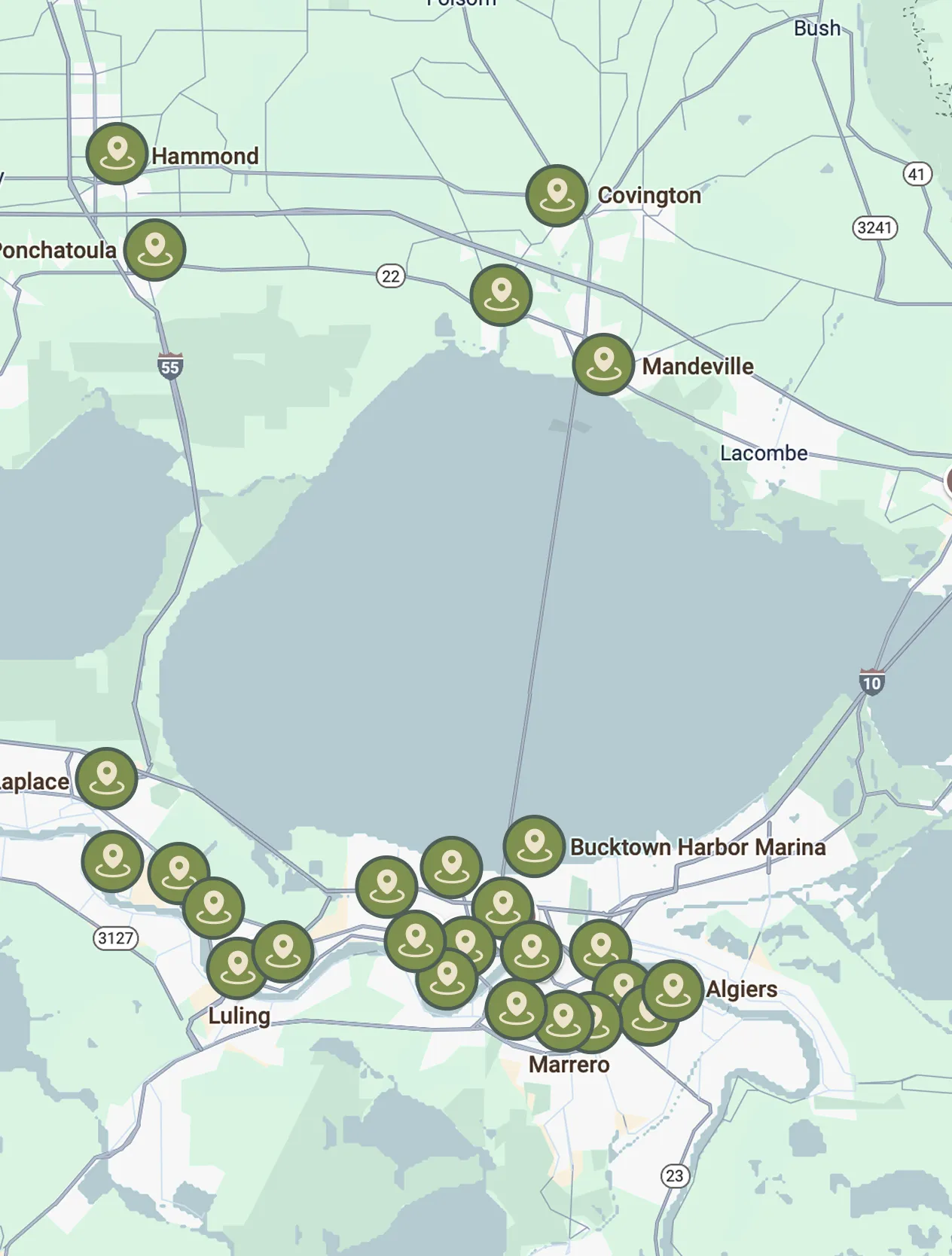
Our service areas are designed to meet the diverse needs of our clients. We focus on providing exceptional service and ensuring customer satisfaction in every location we operate.