Heating Repair in Slidell, LA
.webp)
In Slidell, LA, Cypress Cooling delivers expert heating diagnostics and repair for both residential and light commercial heat systems, including heat pumps, furnaces, and packaged units. We understand the unique challenges of our local environment—salt air, humidity, and storm related power fluctuations—and how they impact the wear and tear on your system. Our thorough inspections identify root causes, from thermostat faults to refrigerant leaks. Cypress Cooling provides transparent estimates and prioritizes safety, reliability, and indoor air quality in all our repairs. We handle typical repairs, preventive maintenance, and emergencies, and we can help you make the critical decision between repair and replacement.

Heating Repair in Slidell, LA
Heating repair in Slidell, LA focuses on diagnosing and fixing residential and light-commercial systems that keep your home or business comfortable during cooler months and cold snaps. Even though winters here are milder than in northern states, Slidell homes still rely on heat pumps, furnaces, and packaged systems that can fail when you need them most. Salt air, high humidity, and storm-related power fluctuations create specific wear patterns and common problems that local technicians see repeatedly.
Why timely heating repair matters in Slidell, LA
A malfunctioning heating system affects comfort, indoor air quality, and safety. In coastal Louisiana, moisture and salt exposure accelerate corrosion on outdoor units and electrical components, and heavy rains or hurricanes can cause water and power damage. Quick, accurate repairs restore reliable operation, prevent secondary damage like frozen pipes during an unusual cold snap, and protect indoor air quality by fixing issues that cause poor combustion or dust circulation.
Common heating problems in Slidell homes
- No heat at all: often caused by thermostat issues, ignition or pilot failure, tripped breakers, or failed control boards. For heat pumps, compressor or reversing valve failures can stop heating.
- Weak or inconsistent heat: clogged filters, reduced airflow from blocked returns, failing blowers, or low refrigerant in heat pumps.
- Strange noises: rattling, banging, or grinding from loose panels, failing motors, or debris in the outdoor coil; hissing can indicate refrigerant leaks.
- Pilot or ignition problems: intermittent pilots, hot surface ignitor failures, or flame sensor issues that cause repeated shutdowns.
- Thermostat faults: incorrect readings, wiring problems, or calibration issues that prevent the system from running when needed.
- Short cycling: frequent on/off cycles from improper sizing, dirty coils, faulty capacitors, or refrigerant problems.
- Corrosion and outdoor damage: accelerated by salt air and storm exposure, affecting coils, electrical connections, and condensate lines.
Technician inspection and troubleshooting process
A professional heating repair begins with a methodical inspection to identify the root cause rather than just treating symptoms.
- Initial assessment and history: technician reviews system age, recent performance, any error codes, and homeowner observations.
- Safety checks: inspect for gas leaks, carbon monoxide risk, improper venting, and safe electrical conditions before further testing.
- Visual and mechanical inspection: examine burners, heat exchanger (for visible cracks), outdoor condenser or heat pump unit, filters, ductwork, and the blower assembly.
- Electrical diagnostics: test breakers, fuses, capacitors, relays, and control boards to pinpoint electrical faults common after storms or power surges.
- Refrigerant and compressor checks (for heat pumps): measure pressures, inspect for leaks, and evaluate compressor health and reversing valve function.
- Thermostat and controls verification: verify settings, wiring continuity, and proper communication between thermostat and system.
- Operational run test: run the system through a full cycle to observe performance, airflow, temperature rise, and error behavior.
- Written findings and repair estimate: technician provides a clear explanation of the problem, recommended fixes, parts needed, and expected timeline.
Typical repairs and parts replacement
Repair work targets the component causing the failure and restores reliable operation. Common repairs include:
- Ignitor or pilot assembly replacement for furnaces
- Flame sensor cleaning or replacement
- Control board, relay, or transformer repairs on electrical failure
- Capacitor or blower motor replacement for airflow problems
- Refrigerant leak repair and recharge for heat pump systems
- Compressor or reversing valve replacement in severe heat pump failures
- Thermostat replacement or recalibration
- Corroded component replacement due to salt air exposure, such as contactors or outdoor fan motors
Parts are commonly sourced as OEM or OEM-equivalent components. Work is performed to industry standards with attention to safety and long-term reliability. Warranty coverage typically varies by part manufacturer and by service provider; technicians will explain which parts and labor are covered and for how long after the repair is completed.
Emergency and rapid-response repair options
Slidell homeowners may experience system failures after storms or during sudden cold fronts. Rapid-response heating repair options prioritize safety issues and loss of heat. Emergency service usually includes:
- Priority diagnostic visits for no-heat conditions or suspected gas leaks
- Temporary measures to restore heat while ordering longer-lead parts
- Safety remediation for carbon monoxide risks or hazardous failures
- Securing outdoor units and electrical components after storm damage
Availability and response protocols vary, but local technicians understand regional risks like storm-related damage and seasonal humidity effects.
Pricing estimates and cost factors
Instead of fixed prices, heating repair costs in Slidell depend on several variables:
- Type of system: heat pump, gas furnace, electric furnace, or packaged unit
- Age and model: older systems often require harder-to-find parts or more labor
- Nature of the repair: electrical fixes or filter changes are simpler than compressor or heat exchanger replacements
- Parts availability: specialty or OEM parts subject to lead times increase labor costs
- Accessibility: confined mechanical rooms or rooftop units can increase service time
- Emergency or after-hours service: accelerated response may affect availability and scheduling
Technicians typically provide a diagnostic fee for on-site troubleshooting that is applied toward repair work once the scope is agreed. A detailed estimate after inspection clarifies parts, labor, warranty, and any follow-up work required.
When to repair versus replace
Deciding between repair and replacement depends on system age, frequency of failures, and the severity of the issue.
- Repair is favored when failures are isolated, the system is relatively new, and parts are readily available.
- Replacement is often recommended for repeated breakdowns, major component failures like a cracked heat exchanger or failed compressor, or when repairs approach the value and expected life remaining of the unit.
- Consider energy efficiency: older systems can cost more to operate, and a newer high-efficiency unit may reduce long-term energy bills and improve comfort.
- Safety considerations: suspected heat exchanger cracks or combustion irregularities justify replacement because of carbon monoxide risk.
Technicians should provide a comparative assessment of expected future repairs, efficiency differences, and long-term costs to help homeowners in Slidell make an informed decision.
Routine maintenance and prevention tips for Slidell homes
Regular maintenance reduces repair frequency and extends system life, especially in coastal, humid climates.
- Schedule annual or biannual tune-ups, ideally before heating and before cooling seasons
- Replace or clean filters every 1 to 3 months depending on use and indoor air conditions
- Keep outdoor units clear of leaves, debris, and salt buildup; rinse coils gently when needed
- Seal and insulate ducts to maintain airflow and efficiency
- Install a programmable or smart thermostat for better control and fewer cycling issues
- Address water intrusion and moisture problems that can accelerate corrosion or mold growth
Consistent preventive care minimizes emergency repairs, improves comfort, and helps systems operate more efficiently in Slidell’s humid, coastal environment.
Final notes on heating repair in Slidell, LA
Heating repair in Slidell requires technicians familiar with local climate impacts, common system types like heat pumps, and storm-related wear patterns. Accurate diagnostics, transparent estimates after inspection, and informed guidance on repair versus replacement ensure safety, comfort, and cost-effective decisions for homeowners and light-commercial clients. Regular maintenance tailored to coastal humidity and salt exposure is the best way to avoid costly, premature failures.
OUR CLIENTS HAVE TO SAY ABOUT US



Service areas
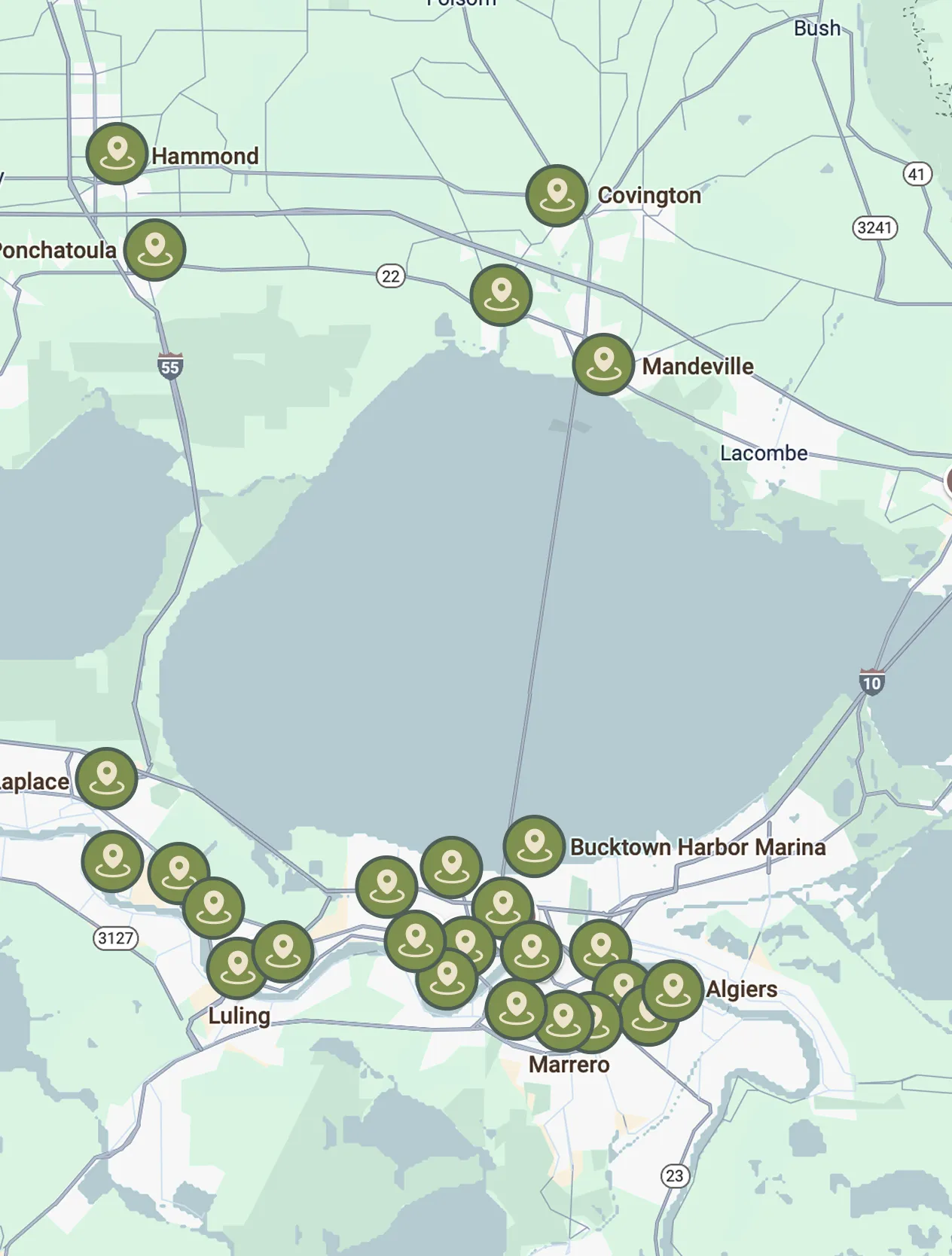
Our service areas are designed to meet the diverse needs of our clients. We focus on providing exceptional service and ensuring customer satisfaction in every location we operate.