Heating Replacement in River Ridge, LA
.webp)
Heating replacement in River Ridge, LA, represents a strategic upgrade for year round comfort, improved indoor air quality, and reduced energy costs. Cypress Cooling understands the unique challenges of our local climate. We'll compare high efficiency gas furnaces, air source heat pumps, boilers, and hybrid systems, and explain how to select the right capacity, efficiency ratings, and corrosion resistant features to combat coastal humidity. Our process covers the initial assessment, load calculations, installation timeline, disposal of the old system, warranties, financing options, and the expected long term savings. We emphasize proper sizing, duct integrity, and professional installation to ensure reliability, comfort, and a strong return on your investment.
%2520(1).webp)
Heating Replacement in River Ridge, LA
Replacing the heating system in your River Ridge, LA home is about more than swapping old equipment for new. It is an investment in year-round comfort, indoor air quality, and long-term energy bills. With mild winters, high humidity, and occasional cold snaps in the New Orleans metro area, the right heating replacement balances efficient performance, corrosion resistance for coastal-influenced air, and compatibility with existing ductwork and insulation. This page explains the replacement process, compares the best options for River Ridge homes, and outlines what to expect from assessment through warranty and long-term savings.
Common heating replacement issues in River Ridge, LA
- Older furnaces or boilers that struggle during brief cold periods or cycle frequently because of incorrect sizing.
- Heat pumps that lose efficiency over time or were undersized for hot, humid summers and occasional winter demands.
- Corrosion and wear from humid, saltier air that shortens component life.
- Leaky ducts and poor insulation that reduce effective output and increase run times.
- Safety concerns with aging gas-fired equipment: cracked heat exchangers, venting or combustion air problems.
Understanding these local challenges helps prioritize solutions that deliver reliable warmth without overspending.
Heating replacement options and which fit River Ridge homes
- High-efficiency gas furnaces (AFUE 90%+): Good for homes with existing gas lines. Modern condensing furnaces maximize fuel use and perform well for the region’s winter profile.
- Air-source heat pumps (including variable-speed inverter models): Increasingly common in Louisiana because they provide both heating and cooling efficiently. Cold-climate models and models with auxiliary heat handle occasional freezes. Heat pumps also reduce household carbon footprints.
- Boilers (condensing or standard): Common in homes with radiators or hydronic systems. Condensing boilers offer higher efficiency but are less common in newer builds here.
- Hybrid systems: Pairing a heat pump with a gas furnace or backup electric heat provides efficiency during mild conditions and robust heating during extreme cold.
Selecting the right system depends on fuel availability, existing infrastructure, and homeowner priorities for efficiency and comfort.
Home assessment and load calculations
A proper replacement begins with a detailed home assessment, not just reading the old unit’s capacity. Key steps:
- Conduct a Manual J load calculation to determine actual heating and cooling demand based on square footage, insulation levels, window types, orientation, and local climate data for River Ridge.
- Inspect ductwork for leaks, sizing issues, and insulation. Leaky or undersized ducts can negate benefits of a new unit.
- Evaluate combustion air, venting, and clearances for gas appliances to ensure code compliance and safety.
- Check electrical capacity and thermostat compatibility for modern, variable-speed equipment.
Accurate sizing prevents short cycling, uneven rooms, and wasted energy.
Guidance on selecting capacity and brand
- Capacity: Size to the Manual J result, not to the old unit. Oversizing causes noise, wear, and poor humidity control; undersizing leads to constant running and discomfort.
- Efficiency ratings: Look for AFUE (furnaces), HSPF and SEER (heat pumps), and Annual Fuel Utilization Efficiency for boilers. Higher ratings cost more upfront but deliver greater energy savings in River Ridge’s climate.
- Features to prioritize:
- Variable-speed blower or inverter compressor for steady, quiet comfort and better humidity control.
- Modulating gas valves or two-stage heating for consistent temperature.
- Corrosion-resistant materials and coatings for coastal humidity.
- Smart thermostat compatibility for adaptive scheduling and energy tracking.
- Brand considerations: Choose manufacturers with strong local support and parts availability. Reputation, warranty length, and installer certification are often more important than brand alone.
Installation timeline and process
Typical timelines vary by equipment and scope:
- Pre-installation assessment and permitting: 1-3 days (permits may vary by parish).
- Furnace or heat pump swap: usually 1-2 days for standard single-family homes if ductwork is in good condition.
- Boiler replacement: 2-4 days depending on piping and system complexity.
- Additional work (duct repair, new thermostat wiring, or zoning): may add 1-3 days.
Standard installation steps:
- Finalize equipment selection and secure necessary permits.
- Shut down and disconnect old equipment safely.
- Repair or modify ducting, vents, or piping as needed.
- Install new unit, reconnect controls, and set up condensate and venting systems.
- Commission system: performance checks, refrigerant charge for heat pumps, gas pressure and combustion analysis for furnaces, thermostat calibration.
- Walkthrough of operation and maintenance basics.
Removal and disposal of the old unit
Removal includes safe disconnect, transport, and disposal in accordance with local regulations. Refrigerant recovery for heat pumps and HVAC systems follows EPA guidelines. Many installers will handle disposal documentation for permits. If your home has older equipment with hazardous materials, proper disposal is essential for environmental compliance.
Warranty and financing information
- Warranties: Equipment warranties vary by manufacturer and component (compressor, heat exchanger, parts). Typical manufacturer warranties range from 5 to 15 years for major components; labor warranties from installers often cover 1-2 years. Extended warranties may be available. Always review warranty registration requirements and maintenance conditions to keep coverage valid.
- Financing: Home improvement loans, HVAC-specific financing, and energy-efficiency rebates may be available. Financing options often include fixed-term loans or monthly payment plans. Eligibility, terms, and offers depend on credit and lender. Investigate local utility rebates or federal tax incentives that may apply to high-efficiency equipment.
Expected cost ranges and long-term energy savings
- Typical replacement ranges (approximate, dependent on home specifics):
- Standard high-efficiency gas furnace: mid-range to higher-range investment.
- Heat pump replacement: comparable to furnaces in many installations, with variations for two-stage or inverter models.
- Boilers: higher installation complexity and cost, depending on piping and radiators.
- Long-term savings: High-efficiency equipment and properly sealed ducts can reduce annual heating costs significantly, especially when switching from very old equipment or electric resistance heat. Heat pumps often provide the largest year-round savings in River Ridge because they also reduce air conditioning load in summer.
Estimate long-term return on investment by comparing current seasonal energy bills to projected consumption using manufacturer performance metrics and local climate data.
Maintenance, reliability, and local considerations
- Regular maintenance extends equipment life and preserves warranties. Recommended tasks: annual inspections, filter changes, duct checks, and combustion testing for gas systems.
- In River Ridge, pay special attention to humidity control and corrosion prevention. Installing a dehumidifier or selecting equipment with robust coil coatings helps longevity.
- If your home is in a flood-prone area, locate new equipment on elevated pads when feasible and choose components with corrosion-resistant elements.
Replacing your home heating system is a technical and financial decision. When done with accurate load calculations, attention to local climate impacts, and proper installation practices, a heating replacement in River Ridge, LA will provide dependable comfort, improved indoor air quality, and measurable energy savings over the life of the system.
OUR CLIENTS HAVE TO SAY ABOUT US



Service areas
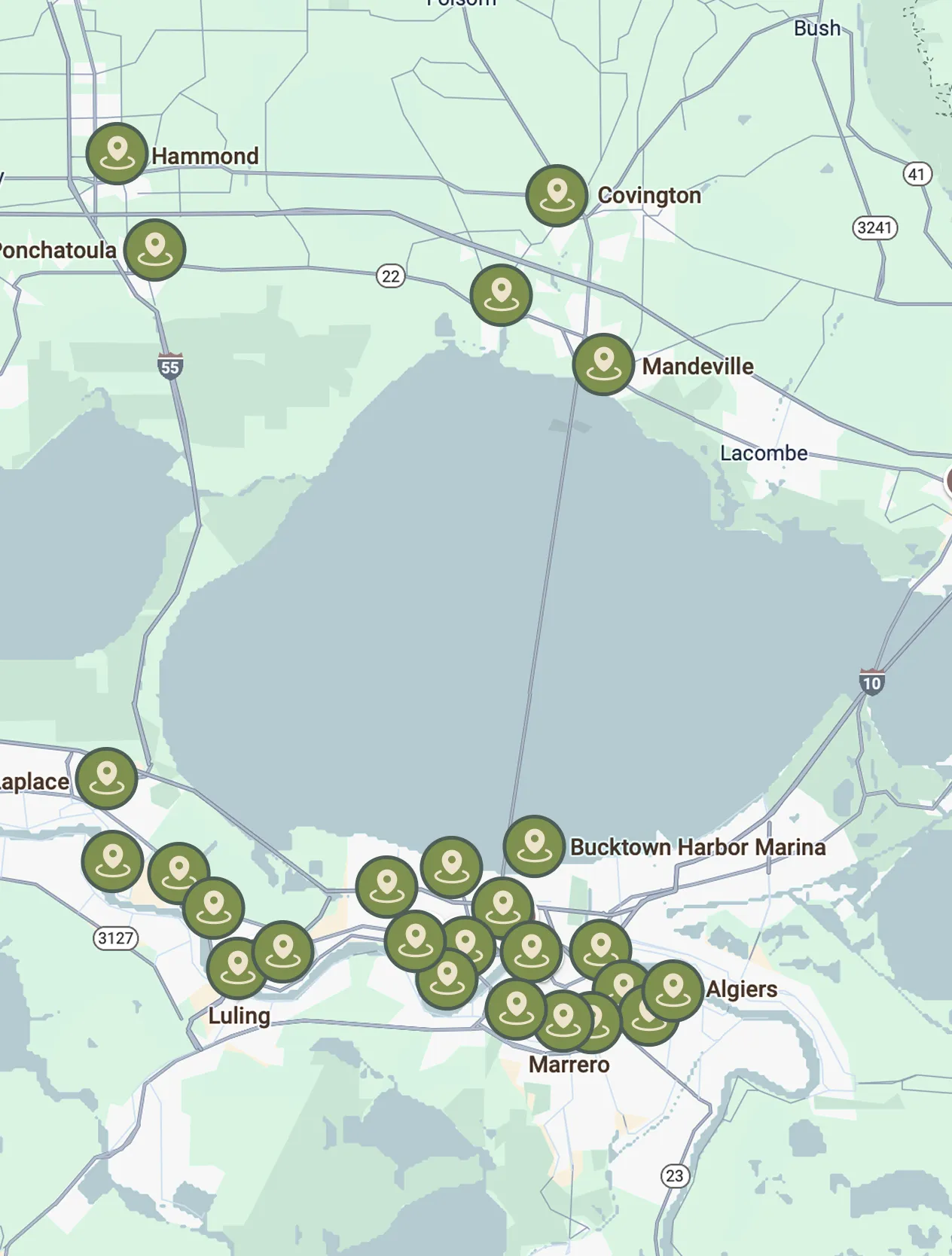
Our service areas are designed to meet the diverse needs of our clients. We focus on providing exceptional service and ensuring customer satisfaction in every location we operate.