Heating Repair in River Ridge, LA
.webp)
In River Ridge, LA, Cypress Cooling is your goto for heating repair. We address common system problems with clear diagnostic steps and practical fixes for furnaces and heat pumps. We explain the symptoms, how our technicians verify safety and performance, and the typical repairs needed. Our qualified technicians ensure reliable service. We also outline expected response times, factors influencing cost, and how to prepare for emergencies or routine visits. Cypress Cooling emphasizes safety, efficiency, and understanding local weather considerations. We help homeowners communicate effectively, schedule promptly, and prevent future breakdowns with smart maintenance strategies.
.jpeg)
Heating Repair in River Ridge, LA
When your heating system fails, it disrupts comfort and can create safety risks. In River Ridge, LA, where winters are short but can bring sudden cold snaps and high humidity year-round, timely, accurate heating repair keeps your home safe and energy efficient. This page explains the most common heating system problems and symptoms, how technicians diagnose and repair them, typical repairs performed, technician qualifications and safety checks, response time expectations, pricing guidance factors, and what to prepare when scheduling emergency or routine service.
Why timely heating repair matters in River Ridge homes
Even though temperatures in River Ridge are milder than northern states, heat systems still see wear from seasonal cycling and near-constant use of combined HVAC systems. Humidity and coastal proximity can accelerate corrosion of metal components and create moisture-related issues inside ductwork and electrical enclosures. Addressing heating issues quickly prevents higher energy bills, reduces the chance of system failure during the next cold spell, and protects against safety hazards like gas leaks or carbon monoxide.
Common heating system problems and symptoms
Homeowners in River Ridge typically report these symptoms. Recognizing them helps communicate the problem accurately when you request service.
- No heat or intermittent heat: Furnace or heat pump runs but delivers no warm air.
- Poor airflow: Weak vents, uneven heating across rooms, or clogged return vents.
- Strange noises: Rattling, banging, squealing, or grinding that may indicate failing blowers, belts, or expanded/loose components.
- Pilot or ignition problems: Pilot won’t stay lit, electronic ignition failures, or repeated lockouts.
- Frequent cycling: Short cycling on and off, often due to thermostat, airflow, or safety switch issues.
- Burning smell, smoke, or visible sparks: Potential electrical failure or combustion issue.
- Odors of natural gas: Strong indication of a gas leak requiring immediate action.
- Rising utility bills: Reduced efficiency from fouled burners, clogged filters, or failing heat exchangers.
- CO alarm activation or symptoms like headaches and nausea: Possible combustion-related hazard.
How technicians diagnose heating problems
A structured diagnostic approach locates the root cause rather than treating symptoms. Typical steps include:
- Interview and system history: Gather model, age, maintenance history, and exact symptoms.
- Visual inspection: Check for rust, leaks, wiring condition, filter status, duct connections, and signs of rodent or debris damage.
- Thermostat and controls check: Verify settings, calibration, wiring, and communication with the system.
- Airflow and blower testing: Measure static pressure and fan operation, inspect blower wheel and motor.
- Combustion and safety tests (for gas systems): Inspect burner flame, pilot/ignition assembly, venting, and perform carbon monoxide checks.
- Electrical diagnostics: Test capacitors, contactors, relays, fuses, and control boards for proper voltages and continuity.
- Heat exchanger and refrigerant checks: Inspect for cracks or leaks; check refrigerant levels for heat pumps.
- System operation test: Run the system through a complete cycle to confirm repairs and performance.
Every diagnostic includes documentation of findings and recommended repairs plus a review of any safety-related concerns.
Typical repairs performed
Technicians commonly perform the following repairs on River Ridge heating systems, covering both furnaces and heat pumps used in local homes:
- Thermostat repair or replacement and calibration
- Ignition system service: pilot assemblies, hot surface ignitors, flame sensors
- Burner cleaning and adjustment
- Heat exchanger inspection and repair or replacement when cracked or corroded
- Blower motor service: replacements, bearing lubrication, belt changes
- Electrical repairs: capacitors, relays, control boards, wiring, and breakers
- Ductwork sealing and repair to restore proper airflow
- Heat pump-specific repairs: reversing valve, compressor diagnostics, refrigerant leak repair and recharge
- Safety sensor and limit switch replacements
- Flue and venting repairs to ensure proper exhaust and prevent backdrafting
Technicians will recommend repairs that restore safe operation and efficiency, prioritizing safety-critical fixes first.
Technician qualifications and safety checks
Qualified heating technicians servicing River Ridge homes typically hold:
- State or local HVAC licensing and required trade certifications
- NATE or equivalent professional certification for proven HVAC knowledge
- EPA 608 certification for refrigerant handling (for heat pumps)
- Training and experience with gas furnaces and combustion safety
Standard safety checks performed during service include:
- Gas leak detection and shutoff verification
- Carbon monoxide testing at the system and living spaces
- Heat exchanger integrity inspection
- Proper venting and flue draft testing
- Electrical safety tests including grounding and breaker function
- Verification of combustion air supply and burner adjustment
Technicians also follow manufacturer procedures and local code requirements for any repair or component replacement.
Response times and what to expect
Response timing is influenced by system risk and seasonal demand. Typical expectations in River Ridge:
- Emergency situations (gas smell, CO alarm, smoke, or no heat during a hard freeze): prioritized for immediate or same-day response when available.
- Urgent but non-life-threatening issues (complete loss of heat on a cold morning): often addressed within 24 hours depending on scheduling and parts availability.
- Routine repairs and diagnostics: commonly scheduled within 48 to 72 hours. During regional cold snaps or high-demand periods, lead times can increase.
Technicians will usually ask for system details and symptoms to triage the call and advise on whether the situation requires emergency measures.
Pricing guidance and factors that affect cost
While exact pricing varies by provider and parts required, repair cost is determined by objective factors:
- Age and model of the system: older systems often need more extensive repair or parts that are harder to source.
- Type of repair: simple thermostat or filter changes cost less than heat exchanger replacement or compressor work.
- Parts availability and manufacturer-specific components
- Labor: complexity of the repair and whether multiple technicians or special equipment are needed
- Accessibility: repairs in cramped attics or tight crawl spaces can increase labor time
- Permits or code upgrades required by local regulations
Expect an estimate that separates diagnostic findings, labor, parts, and any recommended safety upgrades. Prioritization of critical safety fixes is common when budgets are limited.
Scheduling emergency and routine repairs: what to prepare
When arranging service for a heating issue in River Ridge, have this information ready to streamline diagnostics:
- System brand, model, and approximate age
- Clear description of symptoms and when they started
- Any error codes displayed on thermostats or equipment
- Recent maintenance history and whether the system was serviced recently
- Whether the system is gas, electric, or heat pump
- Location of equipment (attic, basement, closet) and accessibility notes
For emergencies: if you smell gas, hear unusual hissing, see smoke, or CO alarms activate, turn off the gas at the meter if it is safe to do so, leave the home immediately, and follow local emergency procedures. For nonlife-threatening issues, provide the details above to help a technician triage the problem and determine parts or preparations needed before arrival.
Maintenance to reduce future repairs
Regular maintenance is the most effective way to reduce emergency repairs and extend equipment life. Recommended items include seasonal inspections, filter replacement, annual combustion and safety checks for gas systems, and periodic duct inspections. In River Ridge, managing humidity and ensuring good airflow will also reduce corrosion and mold-related issues inside ductwork.
This guidance is designed to equip River Ridge homeowners with the knowledge to recognize, communicate, and understand heating repairs so decisions are informed and safety is prioritized.
OUR CLIENTS HAVE TO SAY ABOUT US



Service areas
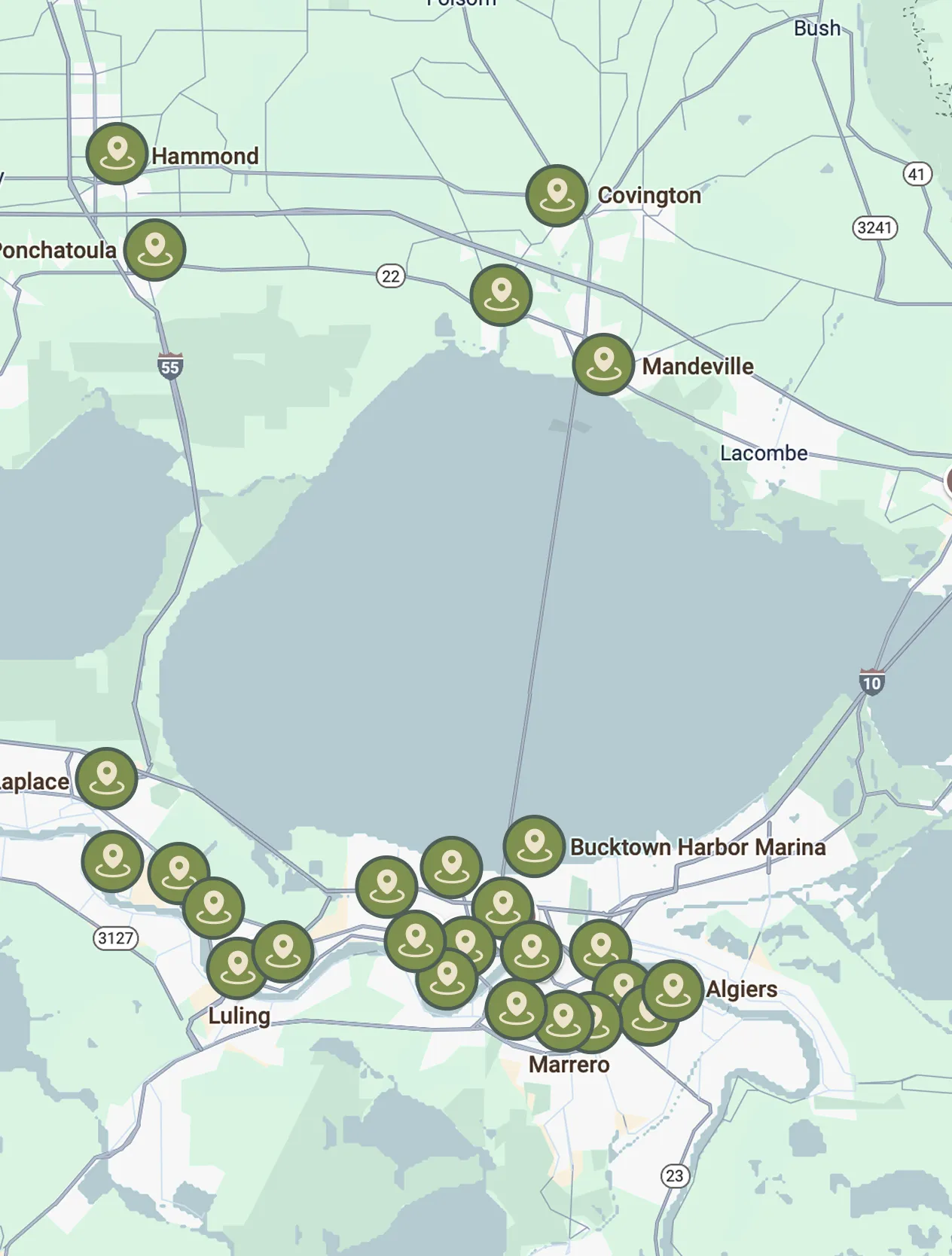
Our service areas are designed to meet the diverse needs of our clients. We focus on providing exceptional service and ensuring customer satisfaction in every location we operate.