Heating Replacement in Marrero, LA
.webp)
Is it time for a heating replacement in Marrero, LA? Deciding when to replace versus repair can be tricky. This guide explains how to choose energy efficient systems and what to expect during a professional installation from Cypress Cooling. We'll cover proper sizing, corrosion considerations due to coastal humidity, and the importance of matched indoor/outdoor components. We'll outline the replacement steps, permits required, project timing, and startup checks, as well as available warranties and financing options. We also address the proper disposal of your old unit and provide maintenance tips to maximize comfort, efficiency, and system longevity after installation. Follow these steps with Cypress Cooling to ensure a smooth, compliant, and cost effective upgrade.

Heating Replacement in Marrero, LA
Replacing a home heating system is a significant investment. In Marrero, LA, where winters are generally mild but humidity and coastal conditions affect performance, choosing the right system and executing a professional replacement ensures consistent comfort, lower energy bills, and longer equipment life. This page explains when replacement is recommended versus repair, how to choose energy-efficient models sized for your home, the step-by-step replacement process, financing and rebate options, typical timelines and guarantees, and safe disposal or recycling of old units.
When to Replace vs Repair
Deciding whether to repair a heating system or replace it depends on age, reliability, efficiency, and safety.
Common indicators replacement is the better option:
- System age: Heat pumps older than 10 to 15 years or furnaces older than 15 to 20 years typically lose efficiency and reliability.
- Frequent breakdowns: Multiple repairs in a short time often mean underlying wear that will continue to get more costly.
- Rising energy bills: A steady increase in heating costs despite normal usage usually signals declining efficiency.
- Repair cost relative to replacement: If a single repair approaches or exceeds 50 percent of the cost to replace the unit, replacement is often more economical.
- Inconsistent comfort: Rooms that remain cold or uneven temperatures point to sizing, duct, or equipment limitations.
- Safety concerns: Gas smells, repeated pilot or ignition issues, or carbon monoxide concerns require immediate assessment and often replacement.
In Marrero, local factors like high humidity, coastal salt exposure, and older duct systems can accelerate deterioration. That makes timely replacement more important for long-term comfort and cost control.
Choosing an Energy-Efficient System for Marrero
Selecting the right system means matching equipment type and capacity to your home and environment.
System options and considerations:
- Heat pumps: Ideal for southern Louisiana thanks to mild winters. Modern variable-speed heat pumps provide efficient heating and cooling, dehumidification benefits, and lower monthly costs. Look for higher HSPF and inverter technology for better part-load performance.
- Gas furnaces: Work well where natural gas is available and for homes that need higher output in colder snaps. Check AFUE ratings; higher AFUE equals better fuel efficiency.
- Hybrid or dual-fuel systems: Combine a heat pump with a gas furnace to optimize efficiency throughout seasonal variations.
- Matched systems: Choosing indoor and outdoor components designed to work together improves efficiency and warranty compliance.
- Corrosion resistance: Coastal-rated coils and protective coatings reduce salt-air corrosion common in Marrero.
- Indoor air considerations: Systems with advanced filtration and built-in dehumidification help control mold and indoor humidity in this humid climate.
Sizing and performance:
- Proper sizing is critical. An oversized unit will short cycle, reduce comfort, and increase wear. An undersized unit cannot maintain temperature.
- Request a professional load calculation (Manual J) that accounts for home orientation, insulation, window types, local climate, and occupancy patterns. Also inspect ducts with a duct leakage test to ensure matched airflow.
- Consider zoning if your home has distinct temperature needs or multiple levels. Zoned thermostats improve comfort and efficiency.
The Replacement Process
A transparent, methodical replacement protects your home and ensures peak performance.
Typical steps:
- Site assessment and diagnostic review: Evaluate existing equipment, ductwork, electrical and gas connections, and perform a Manual J load calculation.
- Permit and scheduling: Obtain any local permits and schedule the work to minimize disruption.
- Removal of old equipment: Technicians safely recover refrigerant from heat pumps, shut off utilities, and remove old units while protecting floors and landscaping.
- Ductwork and preparatory work: Repair, seal, or resize ducts as needed. Install new electrical circuits, gas lines, or condensate drains if required.
- Installation of new system: Mount and connect indoor and outdoor components, configure controls, and install proper ventilation or combustion venting for furnaces.
- Startup and commissioning: Test refrigerant charge, airflow, combustion efficiency (for gas), thermostat calibration, and run performance checks. Confirm proper defrost cycles and dehumidification behavior for heat pumps.
- Final inspection and handoff: Provide documentation of the installation, system settings, and warranty information.
Technicians should follow best practices to limit exposure to humidity and salt corrosion during installation, including protective placement and secure fastenings.
Timelines, Warranties, and Guarantees
Typical replacement timelines vary with complexity:
- Simple like-for-like replacement: Often completed in one day.
- Systems requiring ductwork repair, gas line changes, or electrical upgrades: May take two to three days.
- Permit-dependent or multi-zone projects: Could extend longer based on inspection schedules.
Equipment warranties and workmanship guarantees:
- New equipment carries manufacturer warranties on major components and compressors. Expect parts warranties measured in years and sometimes longer for compressors.
- Reputable installers provide a workmanship guarantee for the installation. Confirm what the installer covers and how warranty claims are handled.
- Keep records of the Manual J, permits, and final commissioning data to support warranty claims or future service needs.
Financing and Rebate Options
Replacement costs can be offset through various programs:
- Manufacturer financing options may be available for approved buyers.
- Federal, state, and local energy efficiency incentives often apply for high-efficiency equipment. Utility companies sometimes offer rebates for qualifying heat pumps or high-AFUE furnaces.
- Energy tax credits or incentives for certain efficient systems may be available; documentation from the installer supports these claims.
Always verify eligibility, required paperwork, and timing for rebates before finalizing equipment selection.
Disposal and Recycling of Old Units
Proper disposal protects the environment and may be required by local regulation.
- Refrigerant recovery: Technicians must capture and reclaim refrigerant from heat pumps and air conditioners following environmental regulations.
- Recycling metal and components: Compressors, coils, and sheet metal are commonly recycled when processed correctly.
- Safe disposal of hazardous materials: Oil, capacitors, and other components may require special handling.
Document the disposal method and request proof of refrigerant recovery and recycling when the job is complete.
Benefits After Replacement and Maintenance Tips
A correctly specified and installed heating system delivers:
- Improved comfort with better temperature balance and humidity control.
- Lower operating costs through higher efficiency and modern controls.
- Fewer emergency repairs and extended equipment life.
- Better indoor air quality with modern filtration and controlled ventilation.
Post-replacement care:
- Schedule annual maintenance, ideally before the heating transition period.
- Replace filters regularly and maintain clear airflow at vents.
- Keep outdoor units free of debris and protected from salt spray when possible.
- Monitor thermostat settings and consider smart thermostats for optimized energy use.
In Marrero homes, attention to humidity management and corrosion protection during selection and installation pays dividends in performance and longevity. A careful assessment, professional sizing, and disciplined installation ensure your new heating system meets local needs and provides reliable, efficient comfort for years.
OUR CLIENTS HAVE TO SAY ABOUT US



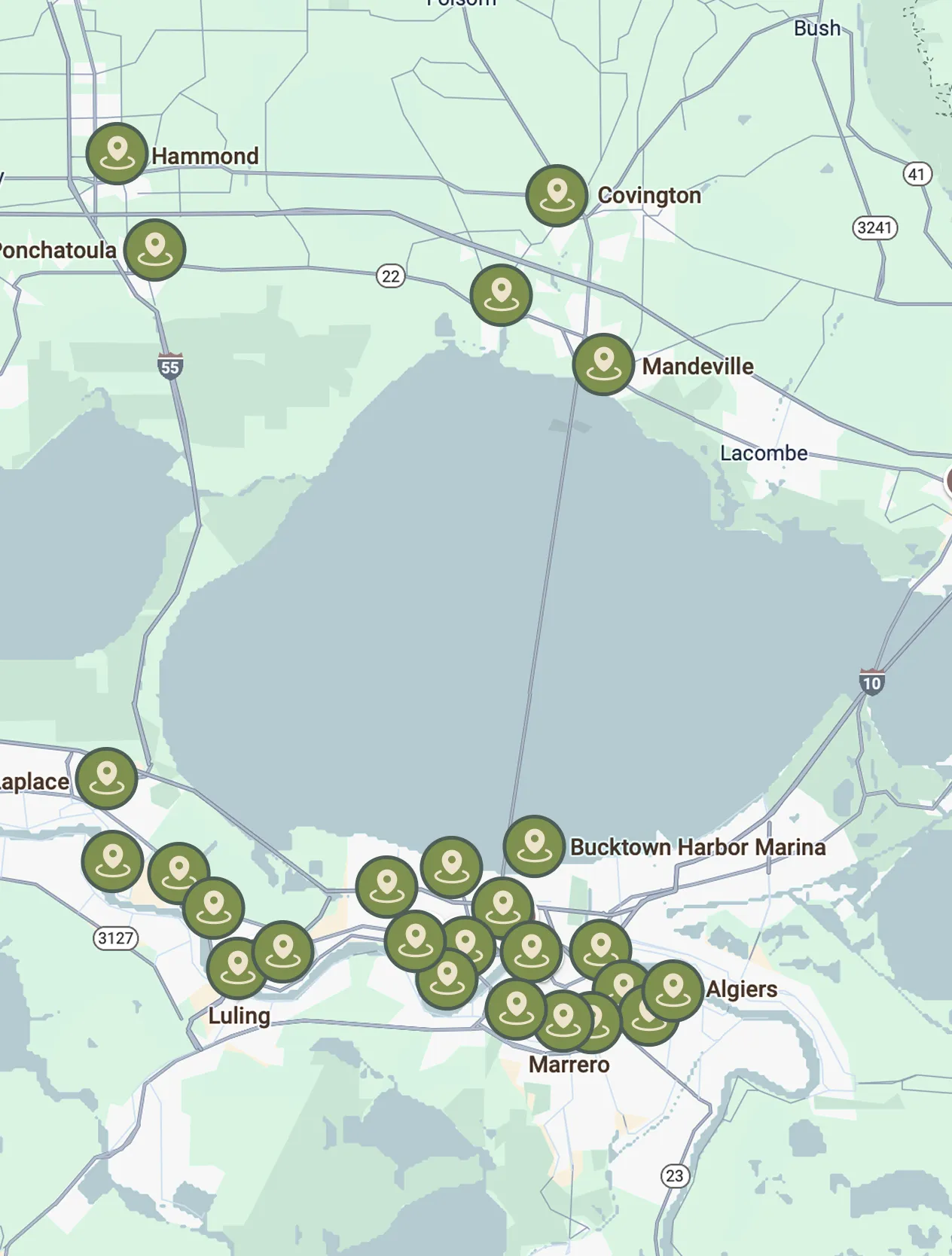
Service areas
Our service areas are designed to meet the diverse needs of our clients. We focus on providing exceptional service and ensuring customer satisfaction in every location we operate.