Heating Repair in Marrero, LA
.webp)
Facing a heating system breakdown in Marrero, LA? Cypress Cooling provides rapid, code compliant diagnostics and repairs designed for the unique challenges of our humid, coastal Louisiana conditions. We tackle common problems like complete loss of heat, intermittent heating, strange noises, ignition failures, and thermostat issues. Our technicians use a thorough diagnostic process, including safety checks, system history review, electrical tests, ignition and combustion testing, airflow inspection, and refrigerant analysis for heat pumps. At Cypress Cooling, we'll clearly outline the repair procedures, provide realistic response times, offer transparent estimates, honor warranties, and share preventative maintenance tips to maximize the lifespan of your heating system in your Marrero home.
.jpeg)
Heating Repair in Marrero, LA
When your heating system fails during a chilly Louisiana night, you need reliable, fast, and knowledgeable service that understands local conditions. Heating repair in Marrero, LA focuses on diagnosing faults quickly, performing safe, code-compliant repairs, and helping homeowners extend the life of their systems in a humid, coastal climate. Below is a clear, expert guide to common problems, diagnostic steps, typical repairs and parts replacement, expected response times, transparent estimates, warranty considerations, and practical maintenance tips for Marrero homes.
Why timely heating repair matters in Marrero
Marrero winters are generally mild, but cold snaps still stress aging furnaces and heat pumps. High humidity, salt air from nearby waterways, and years of minimal winter use can accelerate corrosion, electrical issues, and control-board failures. Delaying repairs increases the risk of safety hazards like carbon monoxide leaks or complete system failure when you least expect it. Prompt, professional heating repair preserves comfort, improves safety, and often costs less than emergency replacement.
Common heating issues in Marrero and what they mean
- No heat: Could be a thermostat fault, tripped breaker, failed ignition/pilot light on gas furnaces, blocked air filter, or a failing blower motor. In heat pump systems, refrigerant leaks or compressor faults are common causes.
- Intermittent heating: Often a failing thermostat, loose electrical connection, or a component that works until it overheats and trips safety limits.
- Odd noises: Rattling can be loose panels or ductwork; banging on gas furnaces may indicate delayed ignition; squealing usually means a worn blower belt or motor bearing.
- Pilot or ignition problems: Gas furnaces commonly face clogged pilot or faulty electronic ignition modules, sometimes due to corrosion from humid, salty air.
- Thermostat faults: Dead sensors, improper calibration, or wiring issues lead to temperature swings or no response.
- Excess cycling or poor efficiency: Dirty filters, restricted ducts, failing flame sensors, or a deteriorating heat exchanger can cause short cycling and higher energy use.
- Odors or visible corrosion: Humidity and salt exposure can corrode electrical components and metal parts, creating musty or metallic smells and compromised safety.
How technicians diagnose heating problems
- Safety first: Visual inspection for gas smells, carbon monoxide indicators, and secure combustion air pathways. Power and gas are isolated as needed.
- System history and symptoms: Technicians ask about recent behavior, noises, and thermostat settings to guide focused testing.
- Electrical and control checks: Voltage, continuity, and control-board diagnostics detect shorts, failing relays, and wiring faults.
- Ignition and combustion testing: For gas systems, pilot assembly, ignition sequencer, flame sensor, and gas valve function are tested.
- Airflow and mechanical inspection: Blower motor, belts, bearings, filters, and ductwork are inspected for obstructions or wear that reduce performance.
- Refrigerant and compressor checks (heat pumps): Pressure testing and compressor diagnostics identify leaks and mechanical failures.
- Component-level testing: Capacitors, transformers, limit switches, and sensors are tested and verified before recommending replacement.
Typical repair procedures and parts replacement
- Thermostat replacement and calibration: Modern, programmable thermostats can be fitted and calibrated for stable temperature control.
- Ignition module or pilot assembly repair: Cleaning or replacing the pilot or electronic ignition restores reliable startup.
- Blower motor and capacitor replacement: Restores proper airflow and corrects noisy operation.
- Control board repair or replacement: Replacing corroded or failed control boards resolves intermittent or complete system shutdowns.
- Heat exchanger inspection and repair: Cracks require careful evaluation for safety; replacement is often recommended when compromised.
- Ductwork sealing and minor sheet metal repairs: Reduces heat loss and eliminates rattles.
- Refrigerant leak repair and compressor service for heat pumps: Requires leak sealing and recharge to manufacturer specifications.
- Minor component swaps: Flame sensors, limit switches, belts, and bearings are commonly replaced for lasting performance.
Expected response times (industry norms)
- Emergency heating repair: For unsafe conditions such as suspected gas leaks, no heat in extreme cold, or suspected carbon monoxide exposure, same-day emergency response is typical in populated areas like Marrero. Many providers aim to respond within a few hours.
- Urgent but non-emergency repairs: Loss of heat in normal conditions or intermittent failures are commonly addressed within 24 to 48 hours.
- Scheduled maintenance and non-urgent repairs: Appointments are often available within 48 to 72 hours based on season and demand.These are standard expectations; actual availability varies with local call volume and weather events.
Transparent estimates and what they include
Clear, written estimates help you compare options and make informed decisions without surprises. A thorough estimate typically includes:
- Diagnostic fee explanation and whether it is applied to the repair cost
- Line-item breakdown of parts, labor hours, and any subcontracted work
- Explanation of why each part is needed and the consequences of delaying repair
- Expected timeline for parts procurement and repair completion
- Any necessary permits or code-required work
- Options when multiple repair paths are possible (repair versus component replacement)This transparency protects homeowners and aligns repair choices with budget and safety priorities.
Warranties and parts information
- Manufacturer warranties: New parts often come with manufacturer warranties that vary by component. Technicians will identify warranty status when applicable.
- Labor warranties: Many repairs include a limited labor warranty, commonly 30 to 365 days, depending on the component and provider policies. Always request written warranty terms.
- Parts guarantees: Replaced parts may carry separate warranties; understanding what is covered and the procedure for warranty claims is essential.Documenting replaced parts and retaining invoices helps with future warranty claims and resale value.
Tips for extending system life in Marrero homes
- Seasonal checks: Even with mild winters, schedule annual heating checks to catch corrosion, ignition wear, and control issues before they worsen.
- Keep filters clean: Replace or clean filters every 1 to 3 months during use to prevent strain on blower motors and maintain airflow.
- Protect outdoor units: For heat pumps or packaged systems, rinse salt and grime from outdoor coils after storms and keep vegetation trimmed to maintain airflow.
- Maintain proper drainage: Ensure condensate and outdoor drainage paths are clear to prevent moisture buildup and corrosion.
- Thermostat upgrades: A programmable or smart thermostat reduces unnecessary cycling and helps extend component life.
- Monitor for odors and unusual noises: Early detection of smells or sounds allows small fixes before major failures occur.
- Professional combustion testing: For gas furnaces, periodic combustion analysis and carbon monoxide checks are important for safety and efficiency.
The value of prompt, professional heating repair
Addressing heating problems early reduces safety risks, improves comfort, and often saves money by preventing secondary damage to system components. In Marrero, LA, where humidity and coastal conditions create distinct challenges, skilled technicians who understand local environmental impacts provide repairs that last longer and perform better. Professional diagnostics, transparent estimates, and clear warranty terms help homeowners make confident choices about repairs and replacements while maximizing system life.
OUR CLIENTS HAVE TO SAY ABOUT US



Service areas
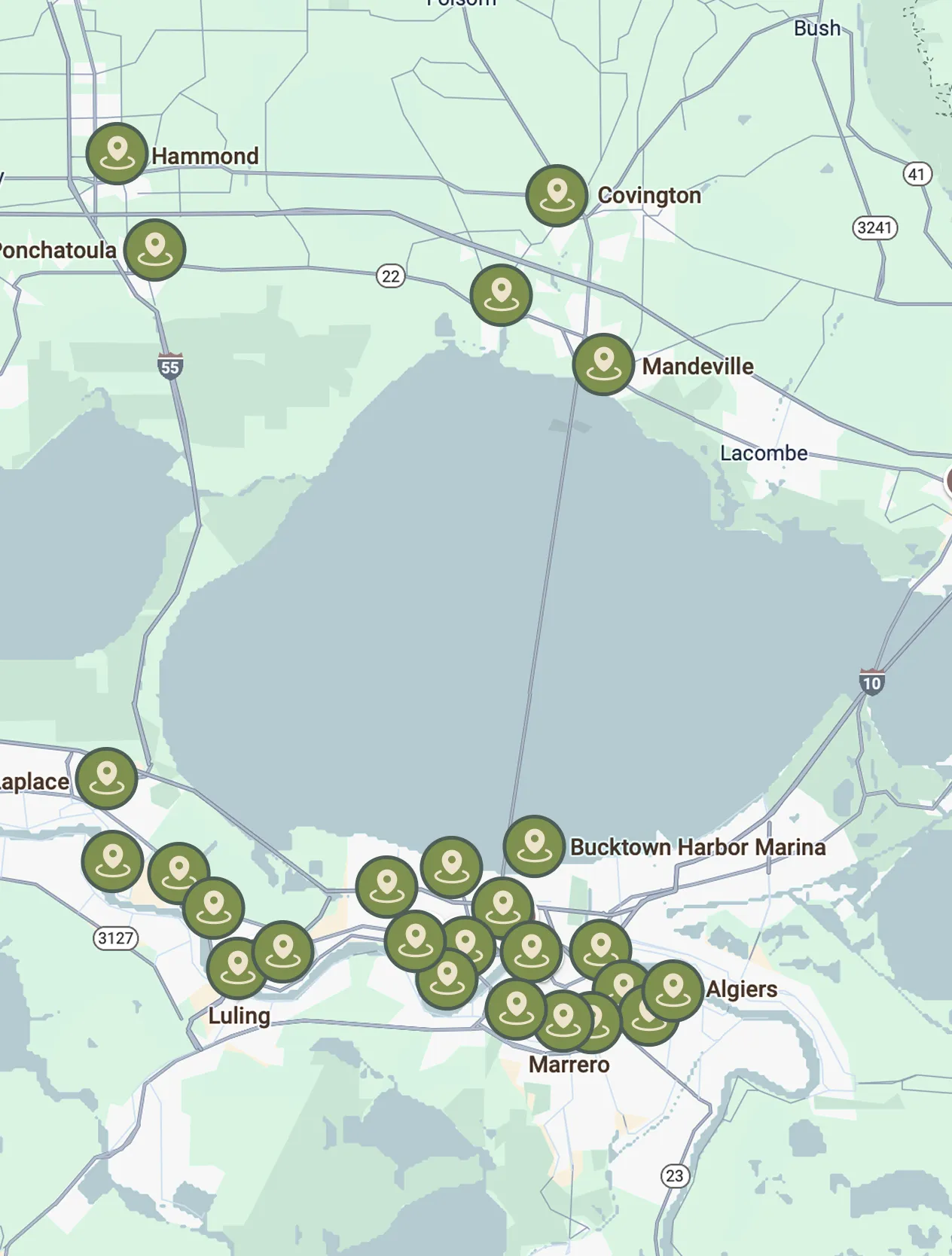
Our service areas are designed to meet the diverse needs of our clients. We focus on providing exceptional service and ensuring customer satisfaction in every location we operate.