Heating Repair in Gretna, LA
.webp)
Cypress Cooling provides Gretna heating repair services, delivering fast, reliable diagnosis and safe, code compliant fixes for local homes. We understand the common heating issues in Gretna, from thermostat faults and ignition problems to blower, gas, and heat exchanger concerns. Our transparent step by step repair process ensures you're informed every step of the way. We also cover expected response times, technician certifications, safety checks, typical parts and costs, financing options, troubleshooting tips, and scheduling guidance to help Gretna residents prepare for service and make informed decisions. With Cypress Cooling, you're not just getting a repair; you're getting peace of mind.
-min.jpeg)
Heating Repair in Gretna, LA
When your heating system fails, you need fast, reliable service that restores comfort and keeps your home safe. Heating Repair in Gretna, LA focuses on diagnosing the root cause quickly, explaining repair options clearly, and completing work to industry standards. Gretna homes experience mild winters but occasional cold snaps, high humidity, and coastal air exposure that influence system wear. Understanding common problems, the repair process, timing, and cost factors helps you make an informed decision at the point of service.
Common heating system diagnostics in Gretna
Technicians use a combination of visual inspection, system testing, and component-level checks to find the problem. Typical issues include:
- Thermostat faults: incorrect calibration, dead batteries, communication errors with the furnace or heat pump.
- Ignition and pilot problems: failed hot surface igniters, weak pilots, or dirty flame sensors in gas furnaces preventing ignition.
- Blower and airflow issues: clogged air filters, failing blower motors, or blocked ductwork reducing heat delivery.
- Electrical and control failures: bad capacitors, relays, control boards, or loose wiring causing intermittent operation.
- Fuel supply and gas valve problems: restricted gas flow, faulty valves, or regulator issues affecting combustion.
- Heat exchanger or core damage: corrosion, cracks, or rust in older furnaces that can reduce efficiency and create safety risks.
- Condensate and drain blockages: especially in high-humidity environments causing high-efficiency furnaces or boilers to shut down.
- Outdoor unit and compressor failures (for heat pumps): salt and moisture exposure near the Gulf can accelerate corrosion and refrigerant leaks.
Technicians prioritize safety checks first, then targeted tests to narrow down the failure mode.
Step-by-step repair process
A clear, methodical process improves speed and transparency:
- Initial intake and symptom review: confirm what you observed and any error codes on the thermostat or control board.
- Safety checks: gas leak sniff, carbon monoxide screening, and power isolation if needed.
- Visual inspection: look for signs of corrosion, soot, water, rodent damage, or loose wiring.
- Diagnostic testing: measure voltages, continuity, airflow, flame characteristics, and pressure where applicable.
- Quoted repair plan: explain recommended repairs or parts replacement versus temporary fixes or replacement.
- Parts replacement and labor: remove and install components, adjust controls, and secure connections.
- System tuning and verification: calibrate thermostat, test cycles, confirm proper airflow and combustion or refrigerant pressures.
- Clean-up and documentation: provide a written summary of work performed and any recommended follow-up.
This approach minimizes repeat visits and clarifies what was done and why.
Expected response and repair times
Response and repair time vary by problem severity and part availability, but typical expectations are:
- Emergency safety issues (gas leak, carbon monoxide alarm): response same day, often within hours.
- No heat during cold snaps due to minor faults (thermostat, filter, simple igniter): diagnosis and most repairs same-day, 1 to 4 hours on site.
- Major component failures (heat exchanger, control board, compressor): diagnosis may take 1 to 2 hours, parts replacement may require next-day service if parts are not in stock.
- Heat pump refrigerant or compressor work: may require permits and specialized equipment, often 1 to 3 days including parts.
Gretna residents should note that severe weather or holiday periods can affect parts delivery and technician availability.
Technician certifications and safety checks
Qualified technicians bring certifications and training that matter:
- NATE certification or equivalent for competency in diagnostic procedures.
- EPA 608 certification for refrigerant handling on heat pumps.
- State or local HVAC licensing and compliance with Jefferson Parish codes.
- Ongoing manufacturer training for newer high-efficiency systems.
Safety steps include carbon monoxide testing, gas pressure and leak checks, flue inspection for adequate venting, and secure electrical connections. Technicians should explain safety findings in plain terms.
Typical parts, labor, and estimate guidance
Common parts replaced during heating repair in Gretna include:
- Thermostats and control modules
- Hot surface igniters and flame sensors
- Blower motors, belts, and capacitors
- Gas valves and pressure regulators
- Heat exchanger repair or replacement components
- Control boards and relays
- Refrigerant for heat pump service and associated components
Estimate guidance for decision stage shoppers:
- Expect a diagnostic fee that covers inspection and testing; this is often applied toward repair cost if work proceeds.
- Estimates should separate parts and labor and indicate warranty coverage for replaced components and labor.
- Technicians typically provide repair vs replacement analysis when major components fail, showing estimated remaining life and efficiency impacts.
Price transparency and a written estimate help you compare options without surprises.
Warranty, safety verification, and post-repair checks
After repairs, industry best practice includes:
- Running the system through multiple heat cycles to verify stability.
- Providing parts and workmanship warranty details in writing.
- Performing safety verifications: carbon monoxide recheck, flue draft or venting test, and leak checks.
- Advising on any necessary follow-up, such as duct sealing, filter replacement schedules, or a recommended maintenance plan.
Documented verification protects your home and provides clarity on what was completed.
Financing options and payment considerations
Heating repairs range from minor to major. Typical financing considerations:
- Many providers offer short-term financing for larger repairs or replacement through third-party plans.
- Payment options usually include credit card, check, or electronic payment.
- Ask for written terms of any financing, including interest rates and repayment periods, when evaluating options.
Understanding financing before the technician arrives helps decision making during on-site estimates.
Troubleshooting tips before a service call
Simple checks can sometimes restore operation or provide better information to the technician:
- Replace or check the thermostat batteries and confirm settings for heat and fan modes.
- Inspect and change clogged air filters; restricted airflow is a common cause of shutdowns.
- Check breakers and switches; ensure the furnace or heat pump has power.
- Look for error codes on the thermostat or control board and note them for the technician.
- If you smell gas or suspect a leak, leave the home immediately and contact emergency services; do not attempt to light pilots or operate electrical switches.
Avoid attempting internal gas or electrical repairs unless you are qualified.
Scheduling service in Gretna, LA and preparing for a visit
Scheduling options typically include regular business hours, emergency after-hours for urgent safety issues, and seasonal priority windows before winter cold snaps. To prepare:
- Clear access to the furnace, heat pump, or utility area.
- Have make and model information, and note recent symptoms or error codes.
- If your home has special access instructions, power sources, or pets, document that before the appointment.
Timely heating repair keeps Gretna homes comfortable and safe through cold snaps and supports system efficiency in a humid, coastal climate. Prompt diagnosis, certified technicians, and transparent estimates are the foundations of effective heating repair decisions.
OUR CLIENTS HAVE TO SAY ABOUT US



Service areas
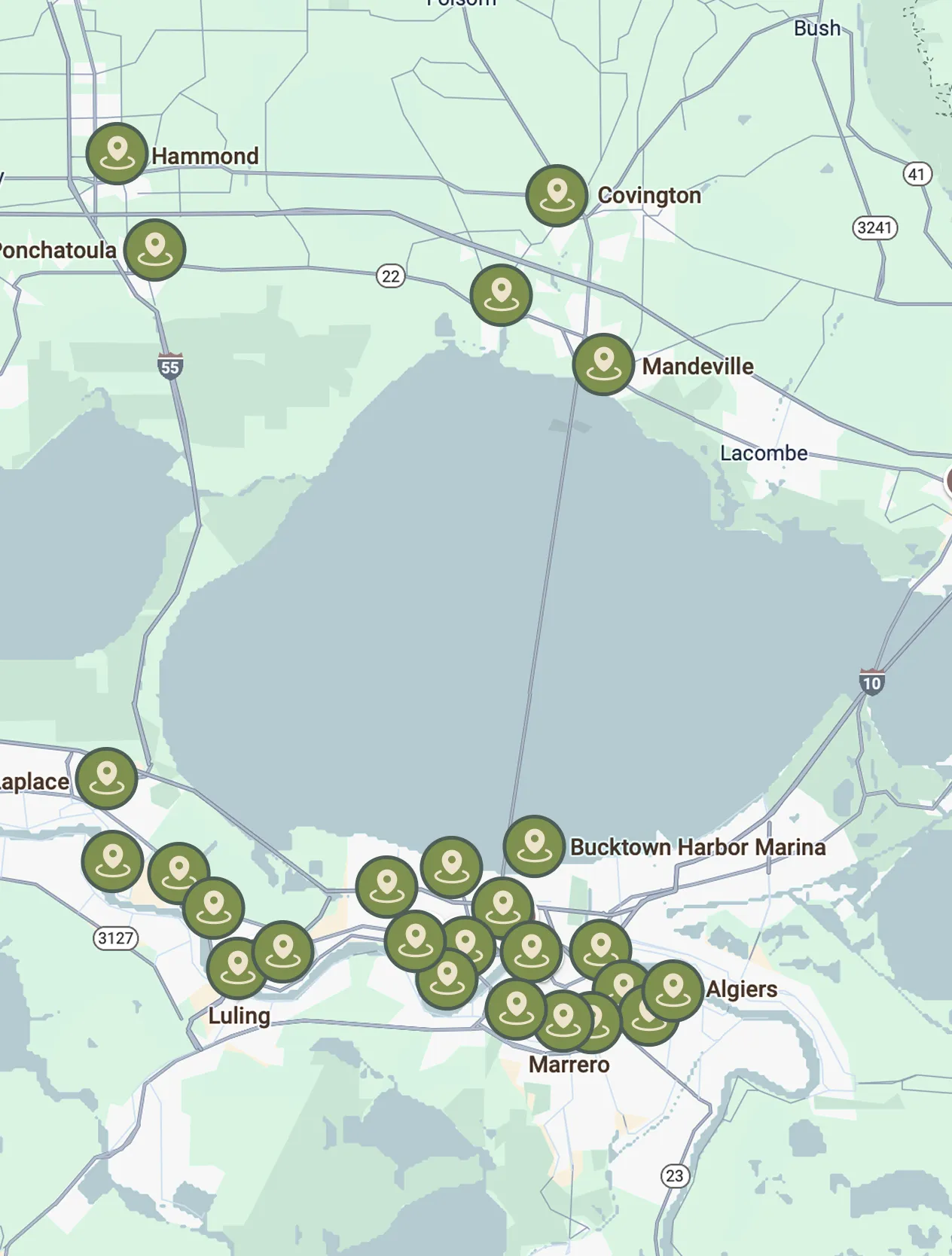
Our service areas are designed to meet the diverse needs of our clients. We focus on providing exceptional service and ensuring customer satisfaction in every location we operate.