Heating Installation in Gretna, LA
.webp)
Cypress Cooling provides heating installation services in Gretna, LA, delivering precisely sized and safely installed systems designed specifically for the humid subtropical conditions and coastal air. Our process begins with a thorough home assessment, including detailed load calculations, evaluation of fuel availability, and system recommendations tailored to your comfort goals and budget. Ductwork inspection, sealing, and potential modifications are performed to ensure optimal airflow. Our certified Cypress Cooling technicians handle all aspects of equipment placement, electrical and gas connections, and system startup. Post installation tests verify performance, warranties are carefully documented, and homeowner onboarding covers thermostat use, maintenance best practices, and strategies for long term savings with your new Cypress Cooling system.
%2520(5)-min.webp)
Heating Installation in Gretna, LA
Installing a new heating system is an important home investment that directly affects comfort, energy costs, and indoor air quality. In Gretna, LA, where winters are generally mild but humidity and occasional cold snaps create unique demands, a properly sized, well-installed heating system delivers reliable warmth and year-round efficiency. This page explains the full heating installation process for Gretna homes, common local issues, what to expect during installation, safety and performance testing, warranty and onboarding details, and financing considerations.
Why a professional heating installation matters in Gretna, LA
Gretna homes face specific challenges: humid subtropical climate, salty air near the coast, and a mix of older houses with aging duct systems. These factors mean an incorrectly sized or poorly installed system can lead to uneven heating, excessive energy bills, moisture problems, and premature equipment failure. A professional installation tailored to your home ensures the right technology, correct sizing, and durable workmanship that performs under local conditions.
Common heating needs and service types in Gretna
- Heat pumps (air-source or dual-fuel): Often the best fit for Gretna because they provide efficient heating and cooling in mild winters and handle humidity control.
- Gas furnaces: Suitable for homes with reliable natural gas service or where stronger heat output is preferred during occasional cold snaps.
- Ductless mini-split systems: Ideal for additions, historic homes, or rooms without ductwork that need zoned comfort.
- Packaged rooftop or hybrid systems: Used in certain homes or small commercial properties where space or installation constraints exist.
- Full system replacement vs. retrofit: Replacement provides the best efficiency and warranty coverage; retrofits may involve using existing ducts or upgrading only major components.
Initial home assessment and system selection
Every installation begins with a thorough home assessment:
- Load calculation and sizing: A certified technician performs a heat load calculation (Manual J style) that accounts for square footage, insulation, window orientation, air leakage, and Gretna climate data. Correct sizing prevents short-cycling, reduces wear, and ensures even comfort.
- Fuel and infrastructure review: We evaluate natural gas availability, electrical capacity, and any venting or combustion air needs. In Gretna, the decision between heat pump and furnace often balances energy costs, expected weather patterns, and existing utilities.
- System recommendations: Based on the assessment, the technician recommends systems that match your comfort goals, budget, and long-term efficiency targets, explaining pros and cons of each option.
Ductwork inspection and necessary modifications
Proper airflow is critical for performance and efficiency:
- Duct inspection: Technicians inspect ducts for leaks, poor insulation, disconnected or crushed sections, and mold or corrosion—common issues in older Gretna homes.
- Sealing and insulation: Sealing leaks and adding insulation to unconditioned spaces reduces energy loss and improves comfort.
- Duct resizing or reconfiguration: If the new system requires different airflow, ducts may be resized or new runs installed to balance output and minimize noise.
- Ductless or hybrid options: For homes where ductwork changes are impractical, ductless mini-splits or hybrid approaches provide efficient alternatives.
Installation steps and certified workmanship
A typical installation follows a clear sequence performed by certified technicians:
- Pre-install preparation: Site protection, removal of existing equipment, and verification of supplies and parts.
- Equipment placement: Furnaces, air handlers, heat pumps, or condensers are installed per manufacturer and code requirements, considering ventilation and local exposure to moisture and salt air.
- Duct and refrigerant work: Technicians make duct modifications, run refrigerant lines, and ensure proper drainage.
- Electrical and gas connections: Licensed electricians or technicians complete electrical hook-ups and gas connections, following local Gretna and Jefferson Parish codes.
- Startup and initial charging: Refrigerant levels are set, and combustion systems are adjusted for safe operation. Install timelines typically range from a single day for simple replacements to several days for full-system upgrades with ductwork work; your project timeline is confirmed during assessment.
Safety, efficiency testing, and compliance
After installation, comprehensive testing ensures safe, efficient performance:
- Combustion and CO testing for gas systems to confirm safe venting and combustion efficiency.
- Refrigerant charge and superheat/subcooling checks for heat pump systems to ensure optimal efficiency and longevity.
- Airflow measurement and static pressure testing to verify the duct system supports the new equipment.
- Thermostat calibration and zoning checks for consistent temperatures.
- Code compliance: Installations are performed to meet local building codes and permit requirements when applicable.
Manufacturer warranties and homeowner onboarding
New systems come with manufacturer warranties and should be installed to preserve those guarantees:
- Warranty coverage: Systems typically include parts and limited labor warranties. Proper installation and documented startup are often required to maintain full warranty protection.
- Documentation: You receive equipment manuals, warranty registration guidance, and a record of the final test results.
- Homeowner onboarding: Technicians walk you through thermostat functions, recommended setpoints for comfort and efficiency, filter types and replacement intervals, and basic troubleshooting. For smart thermostats, setup includes Wi-Fi connection, scheduling, and remote access guidance.
Financing and investment considerations
Replacing or upgrading heating systems is an investment in comfort and energy savings:
- Available financing options: Many homeowners use financing to spread the cost of new equipment, allowing the selection of higher-efficiency systems that deliver lower monthly operating costs. Financing terms and eligibility vary, and choosing the right option can align upfront cost with long-term savings.
- Payback considerations: Higher-efficiency systems and properly sealed ducts reduce monthly energy bills and can offset initial costs over time, especially with growing emphasis on efficiency in the Gulf Coast region.
Maintenance and long-term benefits
After installation, a regular maintenance plan preserves performance:
- Recommended seasonal tune-ups keep systems running efficiently and reduce the likelihood of mid-season failures.
- Filter replacement, coil cleaning, and checking refrigerant levels are simple preventive steps that extend equipment life.
- Properly installed and maintained systems improve indoor air quality, reduce humidity-related issues common in Gretna, and deliver consistent comfort with lower operating costs.
SummaryA professional heating installation in Gretna, LA ensures your home gets the right system, properly sized and installed to handle local climate conditions, humidity, and building characteristics. From the initial assessment and ductwork improvements to safety testing, warranty protection, and homeowner onboarding, each step is designed to maximize comfort, safety, and long-term value. Financing options can make higher-efficiency choices more accessible, and scheduled maintenance preserves those benefits for years to come.
OUR CLIENTS HAVE TO SAY ABOUT US



Service areas
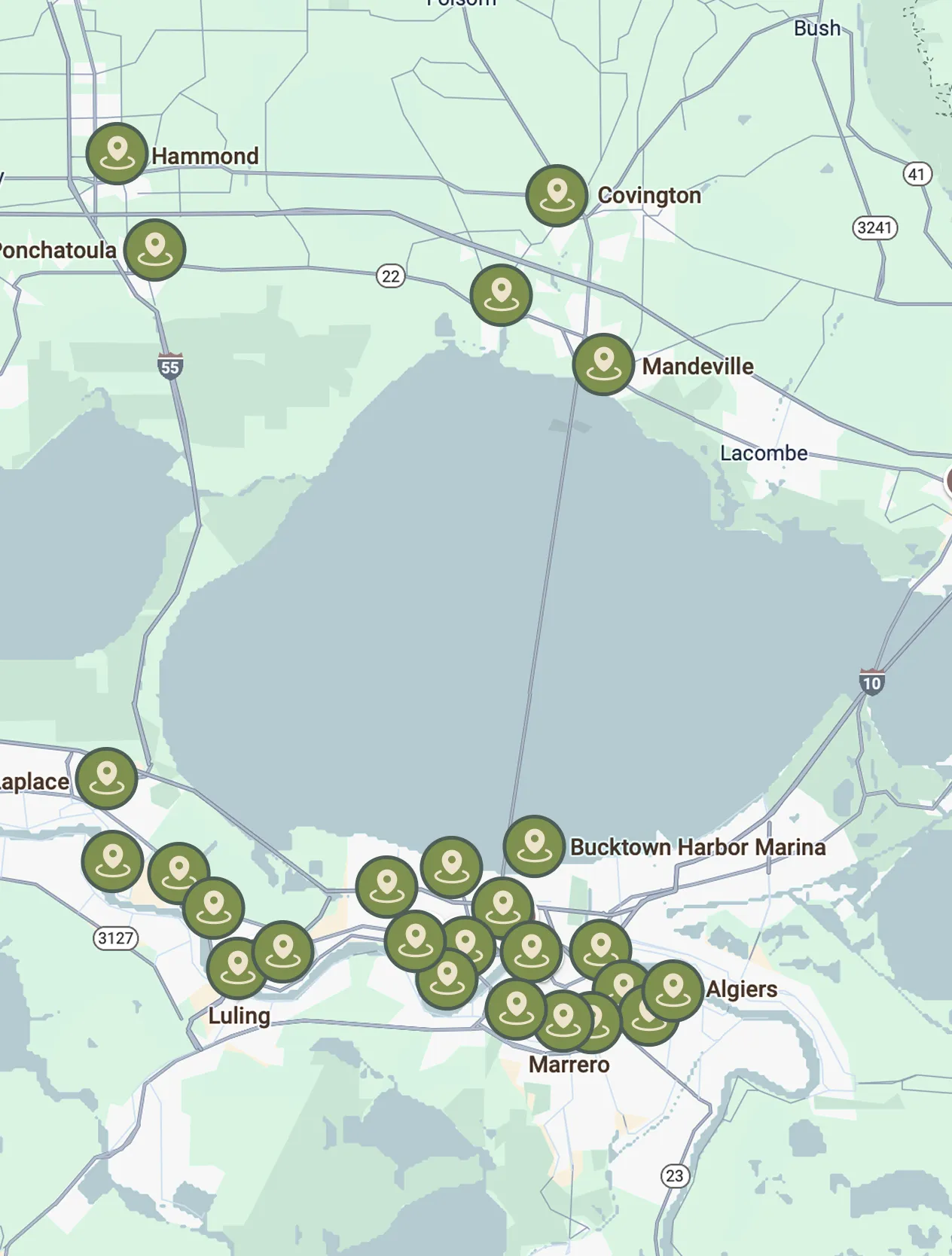
Our service areas are designed to meet the diverse needs of our clients. We focus on providing exceptional service and ensuring customer satisfaction in every location we operate.