Heating Repair in Covington, LA
.webp)
In Covington, LA, Cypress Cooling is dedicated to diagnosing and fixing common home heating issues, restoring comfort, safety, and energy efficiency to your home. We address typical problems like heat loss, ignition and thermostat faults, airflow limitations, and heat pump concerns. Our systematic diagnostic steps include thorough safety checks and specialized tests to accurately identify the problem. Cypress Cooling provides detailed information on common repairs, response times, emergency options, and warranty basics. We also offer preventive maintenance tips to extend the life of your system and reduce future breakdowns, tailored to Covington's specific climate.

Heating Repair in Covington, LA
Keeping your heating system working reliably during Covington winters is about comfort, safety, and controlling energy costs. Whether your home has a gas furnace, electric heat, or a heat pump, timely heating repair prevents small faults from becoming costly breakdowns. This page explains common heating problems in Covington, how technicians diagnose issues, typical repairs and parts replacement, expected response times and emergency options, estimates and warranty basics, and maintenance tips to keep systems running efficiently.
Common heating problems in Covington, LA homes
Covington’s mild winters and high humidity create specific challenges. Technicians frequently see the following issues:
- No heat or intermittent heat
Often caused by ignition failures, fuel supply interruptions, or failed controls. In heat pumps, loss of refrigerant or reversing valve issues can reduce heat output. - Ignition and pilot problems
Faulty hot surface igniters, pilot assemblies, or flame sensors can prevent a furnace from lighting or cause recurring lockouts. - Thermostat faults and calibration issues
Incorrect temperature readings, wiring faults, or programmable thermostat settings can make systems run incorrectly or not at all. - Poor airflow and uneven heating
Clogged filters, failing blower motors, blocked ducts, or leaky ductwork lead to weak airflow and hot or cold spots. - Frequent cycling or short-cycling
Systems turning on and off frequently can stem from oversized equipment, faulty sensors, or restricted airflow, raising wear and energy use. - Strange noises, odors, or performance drops
Rattles, squeals, burning smells, or a sudden drop in performance often indicate failing motors, belts, or electrical issues. - Humidity-related corrosion and condensate problems
Covington’s humidity accelerates corrosion on components and can clog condensate drains, especially on heat pumps and high-efficiency furnaces.
How technicians diagnose heating problems
Effective repair starts with a systematic diagnostic process that prioritizes safety and accuracy.
- Customer history and symptom review
Technicians begin by documenting when the issue started, any recent changes, and observed symptoms to narrow likely causes. - Safety and visual inspection
A visual check for corrosion, soot, leaks, damaged wiring, and signs of heat exchanger issues is performed first. - Thermostat and control verification
Thermostat settings, wiring connections, and control board diagnostics are tested to rule out simple causes. - Ignition, fuel, and combustion testing (for gas systems)
Inspecting the ignition system, gas pressure, and performing a combustion analysis helps detect incomplete combustion or cracked heat exchangers. - Electrical and component testing
Blower motors, capacitors, relays, and control boards are checked with meters to identify failing electrical parts. - Airflow and duct assessment
Filters, vents, and ducts are inspected for blockages, leaks, or restrictions that impair performance. - Heat pump-specific checks
Refrigerant levels, reversing valve function, and compressor operation are evaluated when heat pumps are present.
Technicians typically use multimeters, combustion analyzers, CO detectors, and static pressure tools during these steps to produce an accurate diagnosis and safe plan for repair.
Typical repairs and parts replacement
Common, cost-effective repairs restore reliable heating and improve safety and efficiency.
- Igniter and flame sensor replacement
Replacing worn hot surface igniters or dirty/weak flame sensors restores consistent ignition. - Control board and thermostat repairs
Replacing faulty control boards or recalibrating/upgrading thermostats resolves many operational issues. - Blower motor, fan, and capacitor replacement
New motors and capacitors restore proper airflow and eliminate noise or cycling problems. - Gas valve and pilot assembly repairs
Faulty valves are repaired or replaced to restore safe fuel delivery. - Heat exchanger evaluation and replacement
A cracked heat exchanger is a safety concern; technicians identify cracks and recommend replacement when necessary. - Duct sealing and airflow fixes
Sealing leaks, adding insulation, or repairing ducts improves even heating and efficiency. - Heat pump component repairs
Compressor, reversing valve, and refrigerant repairs address heat pump-specific failures and loss of heating capacity.
Technicians carry common replacement parts for faster turnaround; more complex replacements may require ordering manufacturer components.
Response times and emergency repair options
During cold snaps or when a system fails completely, fast response matters. Typical service approaches include:
- Prompt diagnostic visits
Many service providers prioritize same-day or next-business-day diagnostics for heating failures during cold weather. - Emergency and after-hours support
For no-heat emergencies, after-hours technicians are often available to stabilize systems and perform critical repairs until full replacement parts can be sourced. - Parts availability and repair timelines
Technicians aim to carry frequently used parts to complete repairs on the first visit. When specialized parts are required, they provide a clear timeline for parts arrival and follow-up repair.
Expect transparent communication about how long repairs will take and whether a temporary fix is needed to restore safe heating immediately.
Estimates and warranty information
Clear estimates and reliable warranties protect homeowners and help with budgeting.
- Written estimates after diagnosis
After on-site inspection, homeowners are typically provided a written, itemized estimate explaining recommended repairs and parts so decisions can be made with confidence. - Transparent pricing approach
Estimates commonly separate parts and labor and explain whether any diagnostic fee is applied or waived with approved repairs. - Parts and labor warranties
Manufacturer warranties often cover replacement parts for a set period, and service warranties cover labor for a defined guarantee period. Warranty lengths vary by manufacturer and component, so documentation is provided with every repair.
Preventive tips and long-term benefits
Routine care reduces emergency repairs and extends system life.
- Annual heating tune-up before winter
Professional maintenance includes cleaning burners or coils, checking combustion, testing safety controls, and tightening electrical connections. - Regular filter changes and airflow checks
Replace filters according to system requirements, and keep vents and outdoor units clear of debris. - Address humidity and corrosion risks
Keep outdoor equipment elevated and clear, and ensure proper drainage to minimize corrosion in humid conditions common to Covington. - Consider system upgrades for efficiency
Older systems can be significantly less efficient; evaluating replacement options after repeated repairs may provide long-term energy savings.
Timely heating repair preserves comfort, reduces energy use, and prevents hazardous failures such as carbon monoxide leaks or heat exchanger failures. In Covington homes, addressing humidity effects, scheduling seasonal checks, and using a methodical diagnostic and repair process ensures dependable heating when you need it most.
OUR CLIENTS HAVE TO SAY ABOUT US



Service areas
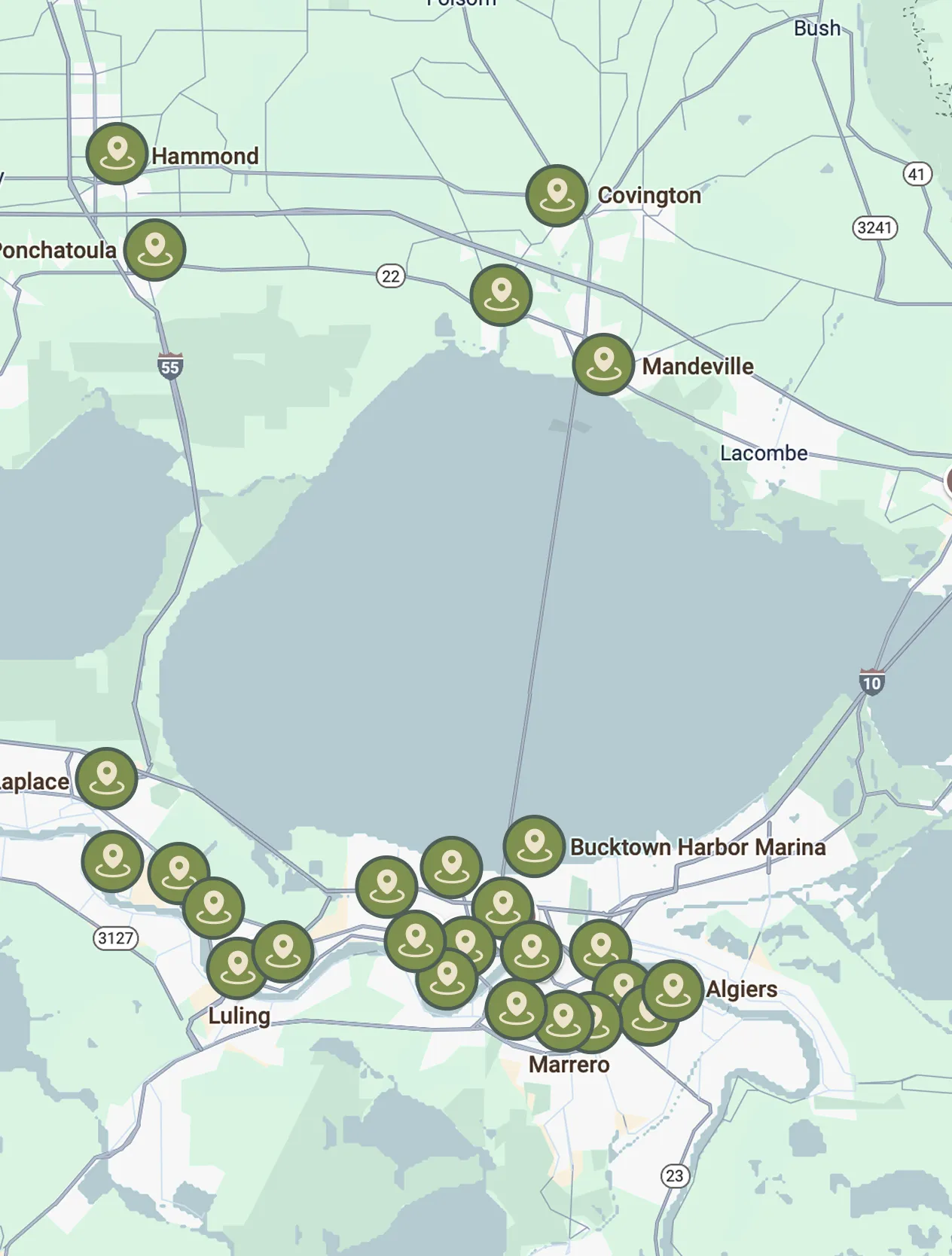
Our service areas are designed to meet the diverse needs of our clients. We focus on providing exceptional service and ensuring customer satisfaction in every location we operate.