Heating Installation in Covington, LA
.webp)
Heating installation in Covington, LA, requires careful consideration of factors like sizing, duct integrity, humidity control, and equipment options. At Cypress Cooling, we guide Covington homeowners through the process, starting with a thorough site assessment. We help you select the correct system – whether it's heat pumps, hybrids, or high efficiency furnaces – and address any retrofit considerations. We handle permitting, ensure code compliance, and follow a step by step process from preparation to commissioning. Cypress Cooling also provides post installation checks, maintenance guidance, and information on financing options. We focus on humidity control and preventive maintenance to extend system life and protect indoor air quality. We also highlight typical installation timelines, safety checks, and homeowner orientation to maximize comfort and energy savings.
-min.webp)
Heating Installation in Covington, LA
Upgrading or installing a new heating system in Covington, LA means balancing reliable warmth during cooler months with energy efficiency and moisture control year-round. Whether you own an older bungalow or a newer subdivision home, a properly planned heating installation delivers comfort, lower energy bills, and fewer repairs. This page explains the installation process for homeowners in Covington, LA, common local concerns, system options, and what to expect from assessment through commissioning and maintenance.
Why heating installation matters in Covington, LA
Covington experiences mild winters with periodic cold snaps. Because heating demand is generally lower than in northern climates, choosing the right system depends more on efficiency, humidity control, and compatibility with your existing cooling equipment than sheer heating capacity. Heat pumps are often an efficient primary option here, while hybrid systems (heat pump plus gas furnace) provide dependable performance during colder spikes. Correct sizing, duct integrity, and proper ventilation are essential to avoid uneven temperatures, high operating costs, and indoor air quality problems common in humid climates.
Common heating installation needs and issues in Covington homes
- Inefficient or oversized systems that short-cycle and increase bills
- Aging furnaces or heat pumps that fail during occasional cold snaps
- Leaky, undersized, or poorly balanced ductwork in older houses
- Inadequate combustion air or venting for fossil fuel systems in sealed homes
- Moisture-related problems tied to high indoor humidity and inadequate HVAC humidity management
- Challenges during retrofits when adding heating to homes that were cooling-only
Site assessment and correct sizing
A professional installation begins with a thorough site assessment tailored to Covington homes:
- Conduct a Manual J load calculation to determine the precise heating and cooling loads based on insulation, windows, orientation, attic and crawlspace conditions, and household occupancy.
- Inspect ductwork layout, air handler location, and attic or crawlspace access to identify retrofit constraints.
- Evaluate existing thermostat and zoning needs for multi-level homes or rooms with distinct heat loads.
- Review fuel availability and preferences — natural gas, propane, or all-electric—taking local energy costs and reliability into account.
Correct sizing avoids short cycling, improves comfort, and reduces energy use. In Covington’s climate, slightly higher emphasis on sensible cooling load and humidity control is often necessary when selecting winter equipment.
Equipment selection guidance
Choose equipment that matches your household patterns and the regional climate:
- Heat pumps (air-source or variable-speed) — Highly efficient for year-round climate in Covington; modern units provide heating down to moderate cold temperatures and pair well with existing cooling systems.
- Hybrid systems — Combine a heat pump with a gas furnace to optimize efficiency during mild weather and maintain performance during rare deep cold spells.
- High-efficiency furnaces — Consider condensing gas furnaces if you prefer fossil fuel-based heat; ensure proper venting and combustion air.
- Integrated controls and variable-speed blowers — Improve comfort by reducing temperature swings and enhancing dehumidification during shoulder seasons.
Consider equipment with good humidity management and corrosion-resistant components where attic or crawlspace installations encounter occasional moisture.
Ductwork and retrofit considerations
Ductwork quality is often the limiting factor for retrofit installations:
- Inspect and test ducts for leaks, pressure imbalances, and insulation levels. Sealing ducts and adding insulation where needed improves efficiency significantly.
- Right-size supply and return runs when changing equipment capacity or switching technologies (for example, air handler swaps when upgrading to a heat pump).
- When ducts are impractical, assess options such as high-efficiency ductless heat pumps, mini-splits, or localized zoning solutions.
- Ensure proper return placement and balanced airflow to prevent pressure-related moisture problems, which are especially important in humid Louisiana conditions.
Permitting and code compliance
All installations must meet applicable state and local codes:
- Follow Louisiana building code requirements and local St. Tammany Parish or city permit processes for mechanical work and fuel piping as applicable.
- Ensure combustion air, venting, and flue installations comply with code to protect indoor air quality and safety.
- Verify installation documentation and labels are completed for future inspections and warranty eligibility.
Proper permitting protects homeowners, ensures safety, and maintains compliance with insurance and resale expectations.
Step-by-step installation and commissioning
A typical new heating installation includes:
- Pre-install preparation: Confirm equipment selection, obtain permits, and schedule access.
- Site protection: Protect floors, landscaping, and interiors during installation.
- System removal (if replacing): Safely disconnect and remove the old equipment, disposing of refrigerants and fuels per regulations.
- Rough-in installation: Set new equipment, install duct modifications, line sets, combustion venting, and electrical connections.
- Final connections and refrigerant charging (for heat pumps): Ensure correct refrigerant charge and proper airflow.
- System startup and commissioning: Run functional tests, measure airflow, temperature splits, static pressures, and electrical draw to verify performance.
- Safety checks: Test limit controls, gas shutoffs, and venting for combustion appliances.
- Homeowner orientation: Explain thermostat operation, recommended settings for comfort and efficiency, and basic maintenance tasks.
Thorough commissioning ensures the system performs as designed and that homeowners understand how to get the best results.
Post-installation testing and homeowner orientation
After installation, expect these checks:
- Temperature uniformity and system cycling behavior across different zones.
- Measured airflow, static pressure, and duct leakage when required.
- Indoor air quality considerations, including filter recommendations and optional ventilation or dehumidification strategies.
During orientation, homeowners receive guidance on thermostat programming, seasonal adjustments for Covington’s climate, filter replacement schedules, and signs that indicate service is needed.
Maintenance recommendations
Routine maintenance extends system life and preserves efficiency:
- Replace or clean filters every 1–3 months depending on use and indoor conditions.
- Annual or biannual tune-ups: inspect heat exchangers, burners, refrigerant levels, belts, and electrical connections.
- Duct inspection and sealing every few years or when renovating.
- Monitor humidity levels and consider a dedicated dehumidifier in persistently humid homes.
Consistent maintenance reduces emergency breakdowns during seasonal transitions.
Financing and warranty options
Homeowners typically choose among several protection and payment approaches:
- Manufacturer warranties covering components and compressors, often extendable with proper registration and maintenance.
- Labor warranties or service agreements that cover installation work and annual tune-ups.
- Financing plans through third-party lenders or energy financing programs to spread the cost of high-efficiency equipment over time.
Selecting equipment with strong manufacturer support and documented labor warranties helps protect your investment in Covington’s climate and housing stock.
A professional, code-compliant heating installation in Covington, LA focuses on correct sizing, efficient equipment choice—often heat pumps or hybrid systems—well-sealed ductwork, and careful commissioning to ensure comfort and energy savings. Paying attention to humidity control, permitting, and regular maintenance will keep your system reliable for years and better suited to the local weather patterns and home types found throughout Covington.
OUR CLIENTS HAVE TO SAY ABOUT US



Service areas
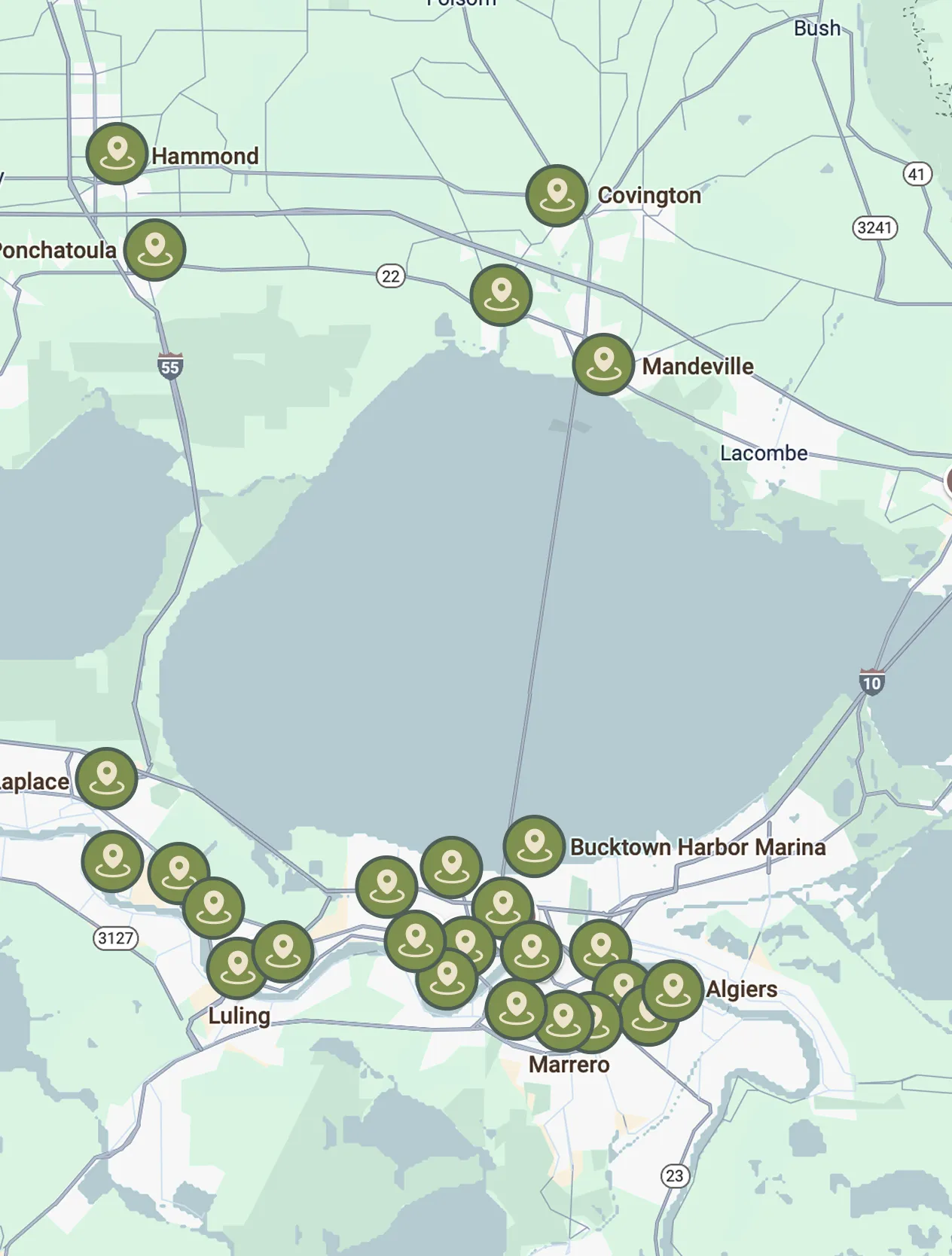
Our service areas are designed to meet the diverse needs of our clients. We focus on providing exceptional service and ensuring customer satisfaction in every location we operate.