Heating Installation in Algiers, LA
.webp)
Heating installation in Algiers, LA, is a comprehensive process, and at Cypress Cooling, we take it seriously. From the initial assessment to the final commissioning, we ensure every step is handled with expertise. Algiers presents unique considerations, such as its mild winters, high humidity, and coastal salt exposure. These factors influence our system selection, guiding us toward options like ducted heat pumps, gas furnaces, hybrid systems, or ductless mini splits. Our process includes a critical assessment of your home, a thorough ductwork evaluation, precise sizing using Manual J/S calculations, and professional installation. We also handle permitting, rigorous testing, and commissioning. Cypress Cooling also provides clear timelines, explains cost drivers, explores financing options, and details warranties and long term maintenance plans to ensure reliable comfort and efficiency for Algiers homeowners.
%2520(7)-min.webp)
Heating Installation in Algiers, LA
Upgrading or installing a new heating system in an Algiers, LA home requires more than picking a furnace or heat pump off a shelf. A properly planned heating installation improves comfort during the region’s cool, damp winters, reduces energy use, and prevents recurring service calls caused by poor sizing, leaky ducts, or salt-air corrosion. This page explains how a professional heating installation in Algiers, LA is scoped and completed—what to expect from the initial assessment through final commissioning—so you can make an informed decision with confidence.
Why the right heating system matters in Algiers, LA
Algiers experiences mild winters with occasional cold snaps, high humidity year-round, and proximity to the Mississippi which increases salt exposure. Those local conditions influence the best heating choices:
- Heat pumps often deliver the best year-round efficiency for mild winters, providing both heating and cooling.
- Hybrid systems (heat pump + gas furnace) can be a smart choice where backup heating is desired during extended cold snaps.
- Ductless or ducted mini-splits suit homes with limited or problematic ductwork, common in older Algiers residences.
- Coastal salt and humidity mean specifying corrosion-resistant components and proper drainage to prolong equipment life.
Common heating installation types for Algiers homes
- Ducted heat pump systems (single-stage, multi-stage, or variable-speed)
- Gas furnaces (natural gas or propane) paired with central ducts
- Hybrid/dual-fuel systems combining heat pump and furnace
- Ductless mini-split systems for additions, historic homes, or room-by-room control
- Whole-home system replacements with duct modifications or replacements
Initial home assessment: what we inspect and why it matters
A thorough assessment is the foundation of a successful installation. Typical steps include:
- Walk-through of the home to identify existing equipment, access limitations, and preferred equipment locations
- Measurement of conditioned square footage, ceiling heights, and insulation levels
- Manual J load calculation to determine the correct heating capacity for your home
- Evaluation of existing ductwork, registers, and return locations
- Fuel availability check (natural gas, propane, or electric) and electrical service capacity
- Inspection of attic, crawlspace, or mechanical closets for equipment clearances and drainage
That assessment prevents oversizing (short cycles, higher cost) and undersizing (insufficient comfort), both common causes of dissatisfaction.
Ductwork evaluation and modifications
Duct condition often determines how well a new system performs. During evaluation we look for:
- Leaks and poor connections that waste heat and invite humidity and mold problems
- Undersized or unbalanced duct runs causing uneven rooms temperatures
- Insulation levels on ducts exposed to unconditioned space
- Return pathway adequacy for proper airflow
Common ductwork options during installation:
- Sealing and insulating existing ducts
- Adding or resizing returns and supply runs for better balance
- Replacing severely damaged ducts with new insulated, code-compliant ductwork
- Converting to a ductless or mini-split system where ducts are impractical
System sizing and model selection
Proper sizing uses Manual J and Manual S calculations, matching capacity to your home’s heat loss, not square footage alone. Selection factors include:
- Heating source: heat pump vs furnace vs hybrid
- Efficiency ratings: AFUE for furnaces, HSPF and SEER for heat pumps
- Variable-speed compressors and ECM blowers for smoother comfort and lower energy use
- Corrosion-resistant coatings and marine-grade materials for coastal exposure
- Compatible thermostat and zoning options for room-by-room control
We explain trade-offs so you can choose the right combination of comfort, efficiency, and budget.
Professional installation steps
A professional installation typically follows these steps for safety and performance:
- Finalize equipment and parts list based on the assessment
- Obtain required permits and schedule inspections (see permitting section)
- Remove old equipment and prepare installation areas, protecting flooring and finishes
- Install new equipment, mounting outdoor units on corrosion-resistant pads where needed
- Modify or install ductwork, registers, and condensate drains
- Connect electrical service, control wiring, and fuel lines per code
- Charge refrigerant (for heat pumps), wire thermostats, and set safety controls
- Conduct initial testing and balancing before commissioning
Technicians document each step to ensure compliance and future serviceability.
Permitting and code compliance in Algiers, LA
Heating installations require adherence to local building codes and permit processes in New Orleans and Orleans Parish. Permitting ensures:
- Equipment is installed to safety and ventilation standards
- Fuel and electrical connections meet code
- Inspections verify combustion safety, refrigerant handling, and system performance
Expect permit turnaround time to vary; installers typically handle permit submission and coordinate inspections as part of the project.
Post-installation testing and commissioning
Commissioning confirms the system is safe and operating as designed:
- Combustion analysis and CO testing for gas systems
- Refrigerant charge verification, superheat/subcooling checks for heat pumps
- Airflow measurements and duct leakage testing
- Thermostat calibration and control sequence verification
- Drain testing and humidity control checks
You should receive documentation showing test results, system settings, and maintenance recommendations.
Expected timelines and cost drivers
Typical timelines:
- Home assessment and proposal: 1–3 days
- Permit approval: a few days to a few weeks depending on workload
- Installation: 1–3 days for like-for-like replacements; up to a week or more for major ductwork, zoning, or custom installations
Major cost drivers (not price quotes) include:
- System type and efficiency level selected
- Extent of ductwork repair or replacement
- Need for electrical upgrades or gas line work
- Additional features like zoning, smart controls, or noise-mitigation
Understanding these factors helps you compare options on value rather than upfront price alone.
Financing and warranty coverage
Financing options are commonly available to spread equipment and installation costs over time; terms vary by program and lender. Also consider:
- Manufacturer warranties for parts and compressors (length varies by model)
- Labor warranties from the installer covering workmanship for a defined period
- Extended service agreements for longer-term coverage of parts and labor
- Eligibility for utility rebates or tax credits for high-efficiency equipment or heat pump installations; local incentives can reduce net cost
Always review warranty terms, including required registration and annual maintenance clauses, to keep coverage valid.
Long-term benefits and maintenance
A correctly installed, right-sized heating system provides:
- Consistent comfort across rooms, fewer hot/cold spots
- Lower energy bills through improved efficiency and proper airflow
- Reduced repair frequency when ductwork and controls are addressed
- Longer equipment life with correct installation and preventive maintenance
Regular annual tune-ups, filter changes, and duct inspections are key to protecting efficiency and warranties—especially with Algiers’ humid, salt-air conditions.
ConclusionHeating Installation in Algiers, LA should be a planned, code-compliant process that begins with a detailed assessment and ends with professional commissioning and documented test results. Considering local factors—mild winters, high humidity, and coastal exposure—helps determine the best system type and materials. With accurate sizing, proper ductwork, and quality installation, homeowners gain reliable comfort, improved efficiency, and long-term value.
OUR CLIENTS HAVE TO SAY ABOUT US



Service areas
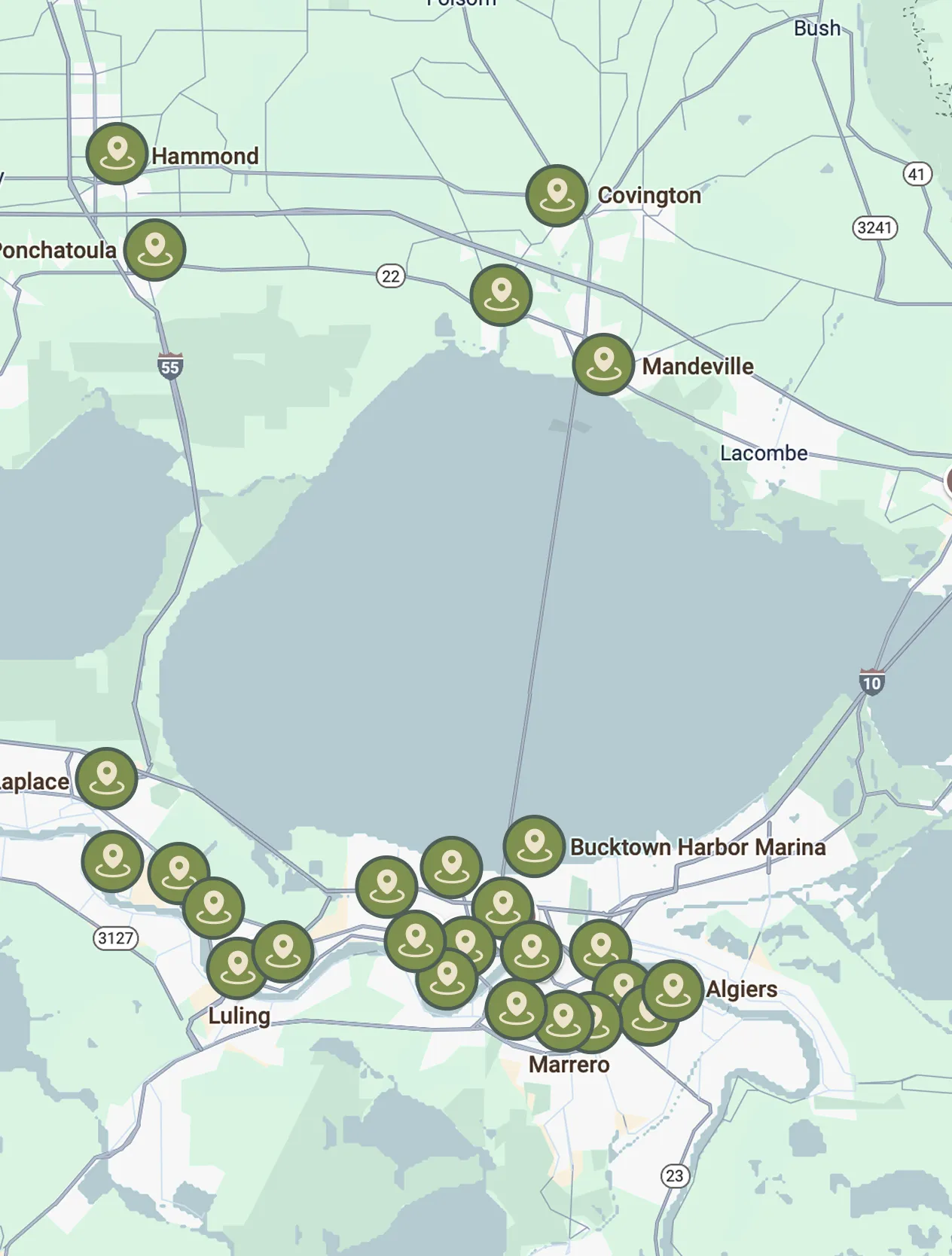
Our service areas are designed to meet the diverse needs of our clients. We focus on providing exceptional service and ensuring customer satisfaction in every location we operate.