Heat Pump Repair in Westwego, LA
.webp)
Looking for heat pump repair in Westwego? Cypress Cooling provides guidance outlining common on site failures, diagnostic steps, and practical expectations for homeowners. Our technicians identify issues such as loss of temperature control, refrigerant leaks, thermostat faults, noisy operation, and frozen coils. We then perform systematic checks, electrical testing, refrigerant analysis, and measured performance observations to determine root causes. We'll cover typical parts and labor costs, response times, warranty terms, and preventative maintenance to extend equipment life and preserve energy efficiency in our coastal climate.
Heat Pump Repair in Westwego, LA
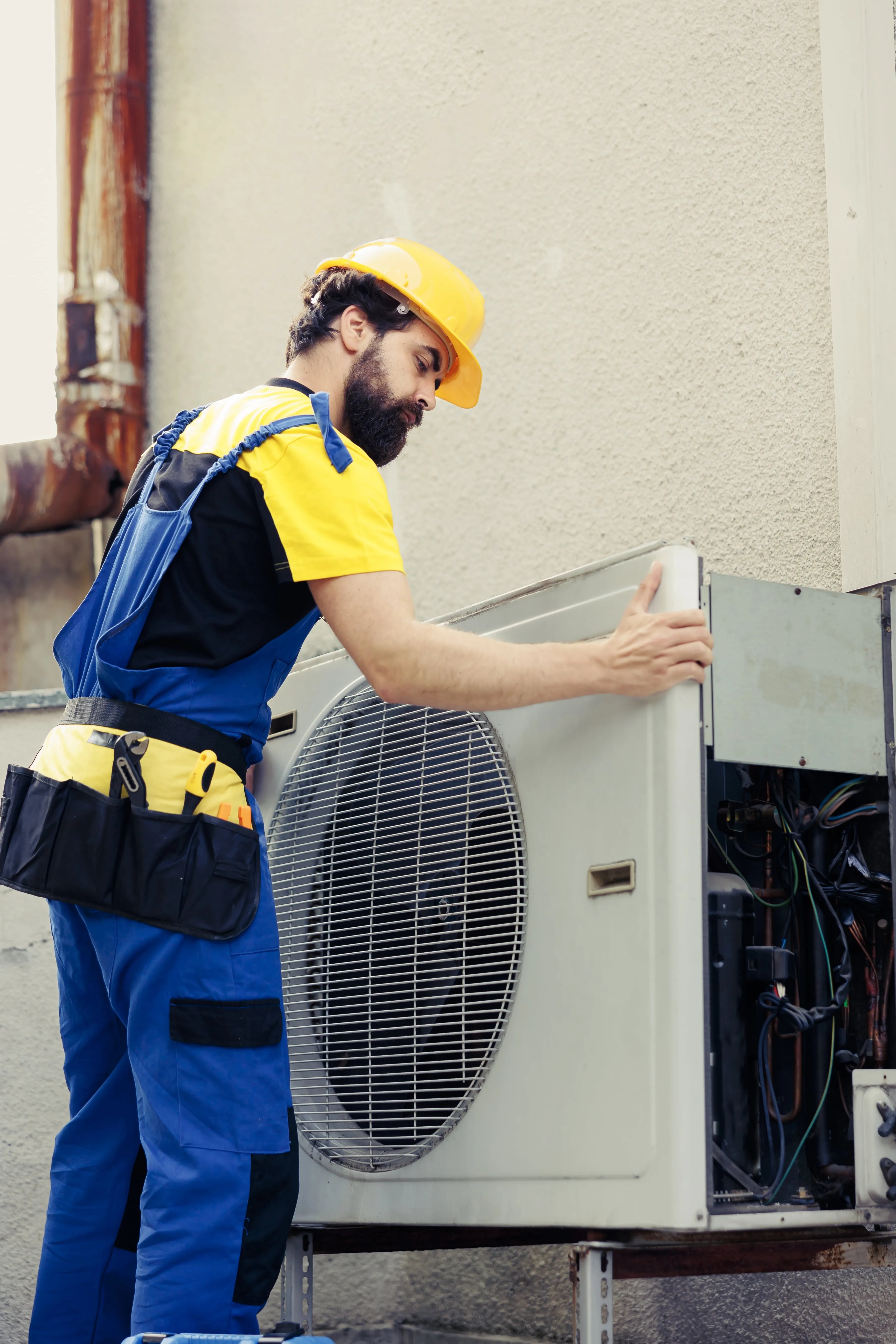
Heat pumps are the main climate control system in many Westwego homes, providing both cooling during hot, humid summers and efficient heating in the mild winters. When a heat pump fails, indoor comfort and energy bills are affected quickly. This page explains the most common heat pump problems in Westwego, LA, how certified technicians diagnose and repair them, what parts and labor considerations to expect, typical response times for emergency and scheduled repairs, warranty and service guarantees, homeowner troubleshooting tips, and preventive steps to reduce future breakdowns.
Common heat pump problems in Westwego, LA
Homes near the Gulf Coast experience high humidity, salt air, and frequent storms—conditions that contribute to these typical issues:
- No cooling or no heating: Unit runs but does not change indoor temperature. Causes include compressor failure, refrigerant loss, airflow restrictions, or reversing valve problems.
- Strange noises: Rattling, grinding, buzzing, or hissing can indicate loose panels, failing fan motors, worn bearings, or refrigerant leaks.
- Refrigerant leaks: Corrosion and vibration can create leaks. Low refrigerant causes reduced capacity, ice on coils, and higher run times.
- Thermostat faults: Incorrect settings, failing sensors, or wiring problems can make the system short-cycle, run continuously, or ignore commands.
- Frequent short cycling: System turns on and off repeatedly, stressing the compressor and increasing energy use—often tied to refrigerant charge, thermostat placement, or electrical issues.
- Frozen evaporator coils: Caused by poor airflow, low refrigerant, or prolonged high humidity conditions common in Westwego.
- Electrical failures: Corroded connections or storm-related surges can damage capacitors, contactors, or control boards.
How certified technicians diagnose heat pump problems
Technicians follow a systematic diagnostic process to find the root cause and avoid unnecessary part replacements:
- Initial assessment: Visual inspection of outdoor and indoor units for obvious damage, corrosion from salt air, or water intrusion.
- System startup checks: Verify thermostat settings, airflow across ductwork, filter condition, and breaker/fuse status.
- Electrical testing: Measure voltage and current to motors, capacitors, and compressors to identify failing components.
- Refrigerant checks: Use manifold gauges and leak-detection tools to determine charge level and locate leaks.
- Operational diagnosis: Observe system through a full cycle to note noises, cycling behavior, and temperature differentials across coils.
- Reporting and estimate: Present a written diagnosis with recommended repairs, parts options, and an estimated labor scope.
This method reduces repeat visits by addressing underlying causes—especially important in areas like Westwego where humidity and salt accelerate wear.
Typical repairs, parts, and labor considerations
Repairs vary from simple component swaps to major compressor or coil replacements. Common parts replaced include:
- Capacitors and contactors: Frequent failure points that cause non-start conditions or humming.
- Fan motors and blower assemblies: Necessary when noise or poor airflow is present.
- Reversing valves and expansion devices: Affect heating/cooling mode performance.
- Compressors: Major repairs typically involve replacing the compressor or the entire outdoor condensing unit.
- Coils and heat exchangers: Corrosion or physical damage may require coil replacement.
- Thermostats and control boards: Modern thermostats or failed control boards restore proper operation and efficiency.
- Refrigerant and leak repair materials: Evacuation, recharge, and sealing or replacing lines when leaks are found.
Labor time is influenced by accessibility, system age, refrigerant recovery requirements, and whether emergency service is needed. Coastal homes often require extra corrosion mitigation time and replacement of rusted fasteners or tubing.
Expected response times for repairs
Response expectations depend on urgency and season:
- Emergency repairs: For loss of cooling during peak heat, unsafe electrical conditions, or refrigerant blowouts, response times are prioritized—often within a few hours when technicians are available.
- Scheduled repairs: Non-emergency problems typically have next-business-day to 3–5 day windows, depending on parts availability and local demand.
- Seasonal peaks: Summer months and early fall storm season can extend scheduled wait times; urgent calls are still triaged first.
Homeowners in Westwego should expect slightly longer lead times during extreme weather events when demand rises.
Warranty and service guarantees
Professional repair services typically provide:
- Parts warranties: Manufacturer or supplier-backed warranties on replacement components (duration varies by part).
- Labor guarantees: A limited time guarantee covering the repair workmanship—often 30 to 90 days, depending on the provider.
- Leak and refrigerant assurances: Some repairs include short-term assurances against refrigerant loss tied to the repaired area.
Ask for clear written terms in the estimate so you know what is covered and for how long. Proper documentation also helps with any insurance or warranty claims.
Homeowner troubleshooting tips before calling
Perform a few checks safely before scheduling a visit—these can resolve simple issues without service costs:
- Verify thermostat is set to the correct mode and temperature and replace batteries if applicable.
- Check circuit breakers and disconnect switches for tripped positions.
- Inspect and replace dirty air filters; restricted airflow is a common cause of performance loss.
- Ensure outdoor unit is free of debris, vegetation, and standing water that can inhibit airflow.
- Listen for unusual noises and note when they occur (startup, during operation, or shutdown).
- If ice is visible on coils, turn off the unit and allow it to fully defrost before further use.
Document observations (sounds, temperatures, thermostat settings) to share during the service visit to speed diagnosis.
Preventive steps for Westwego homeowners
Regular maintenance reduces breakdown risk and improves efficiency—especially important in Westwego’s humid, coastal environment:
- Schedule seasonal tune-ups: spring for cooling and fall for heating mode checks.
- Replace filters every 1-3 months depending on use and indoor air quality.
- Keep the outdoor unit elevated and clear of salt buildup; rinse light salt deposits from condenser fins after storms, taking electrical safety precautions.
- Insulate exposed refrigerant lines and check for rusted fittings that may need early attention.
- Maintain consistent airflow by sealing and insulating ductwork where practical.
- Install or maintain a programmable thermostat to avoid short cycling and excessive runtime.
Consistent maintenance extends system life and prevents corrosion-related failures common near the Gulf.
How to schedule service and request an estimate
The typical process for scheduling a repair or requesting an estimate involves a few simple steps:
- Prepare system details: model and serial number of the heat pump, age of the system, recent symptoms, and any previous repair history.
- Choose the type of appointment: emergency response for safety or no cooling issues, or a scheduled diagnostic visit for non-urgent concerns.
- Expect a diagnostic fee for onsite troubleshooting that is usually applied toward repair if you proceed with the recommended work.
- During the diagnostic visit, the technician will provide a written estimate outlining parts, labor, estimated timeline, and warranty information before any repairs begin.
Having system information and a clear description of symptoms accelerates the estimate process and helps technicians bring likely replacement parts when possible.
Bottom line
Heat pump issues in Westwego, LA are often influenced by humidity, salt air, and storm activity. Timely diagnosis by certified technicians, combined with targeted repairs and preventive maintenance, restores comfort, improves efficiency, and reduces the risk of repeat failures. Understanding common problems, what to expect during diagnosis and repair, and how to prepare for a service visit helps homeowners make informed decisions and get reliable results.
OUR CLIENTS HAVE TO SAY ABOUT US



Service areas
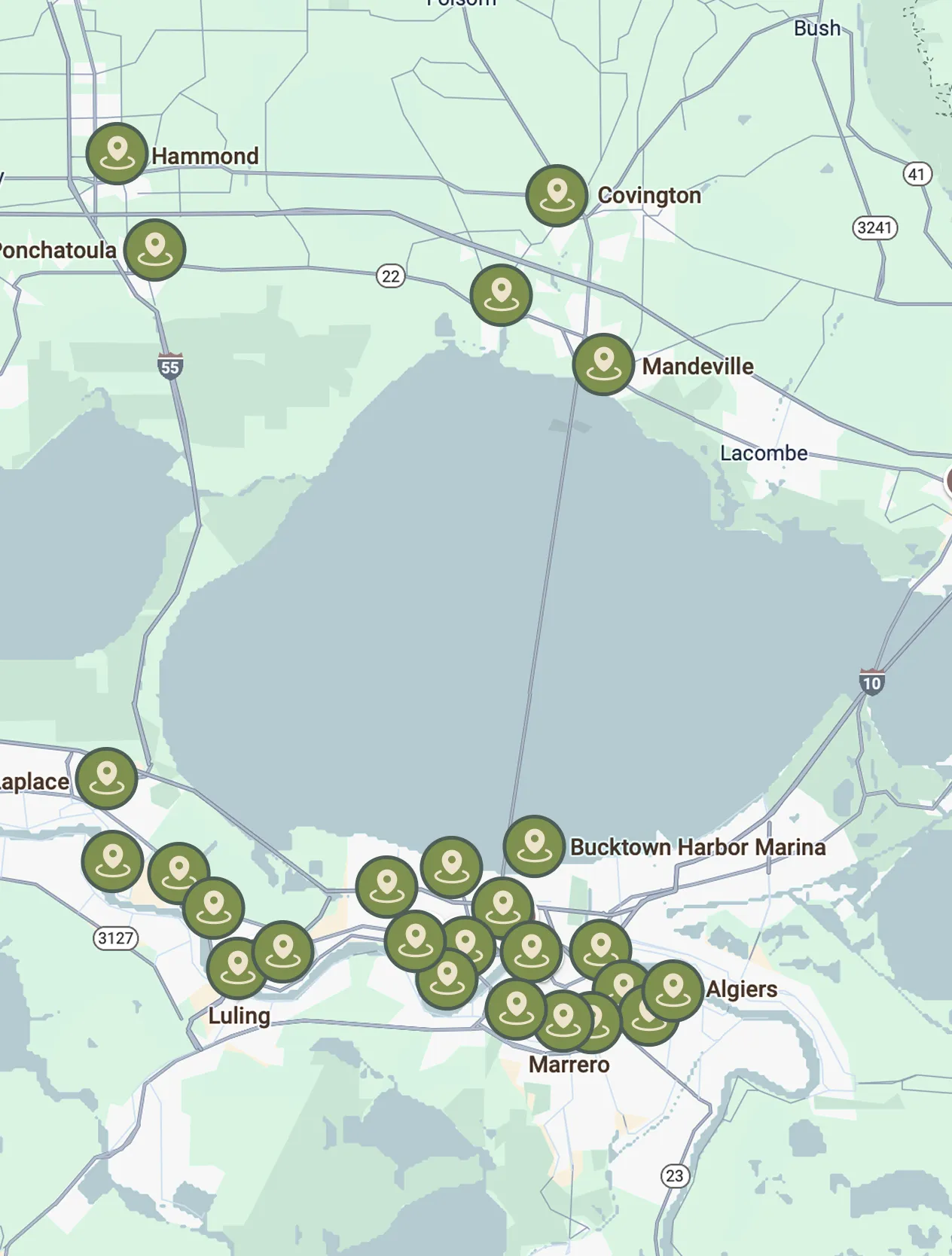
Our service areas are designed to meet the diverse needs of our clients. We focus on providing exceptional service and ensuring customer satisfaction in every location we operate.