Heat Pump Installation in Westwego, LA
.webp)
Cypress Cooling's heat pump installation in Westwego, LA, covers everything from choosing the right system to site assessment and step by step installation for both air source and ductless options. We explain load calculations, ductwork considerations, and how proper sizing reduces humidity, improves efficiency, and prevents short cycling. Our guide outlines the installation process, from permits and equipment placement to electrical connections, refrigerant charging, startup, and commissioning, plus testing for airflow and performance. We also highlight post install support, maintenance, and coastal considerations to ensure long term reliability.
Heat Pump Installation in Westwego, LA
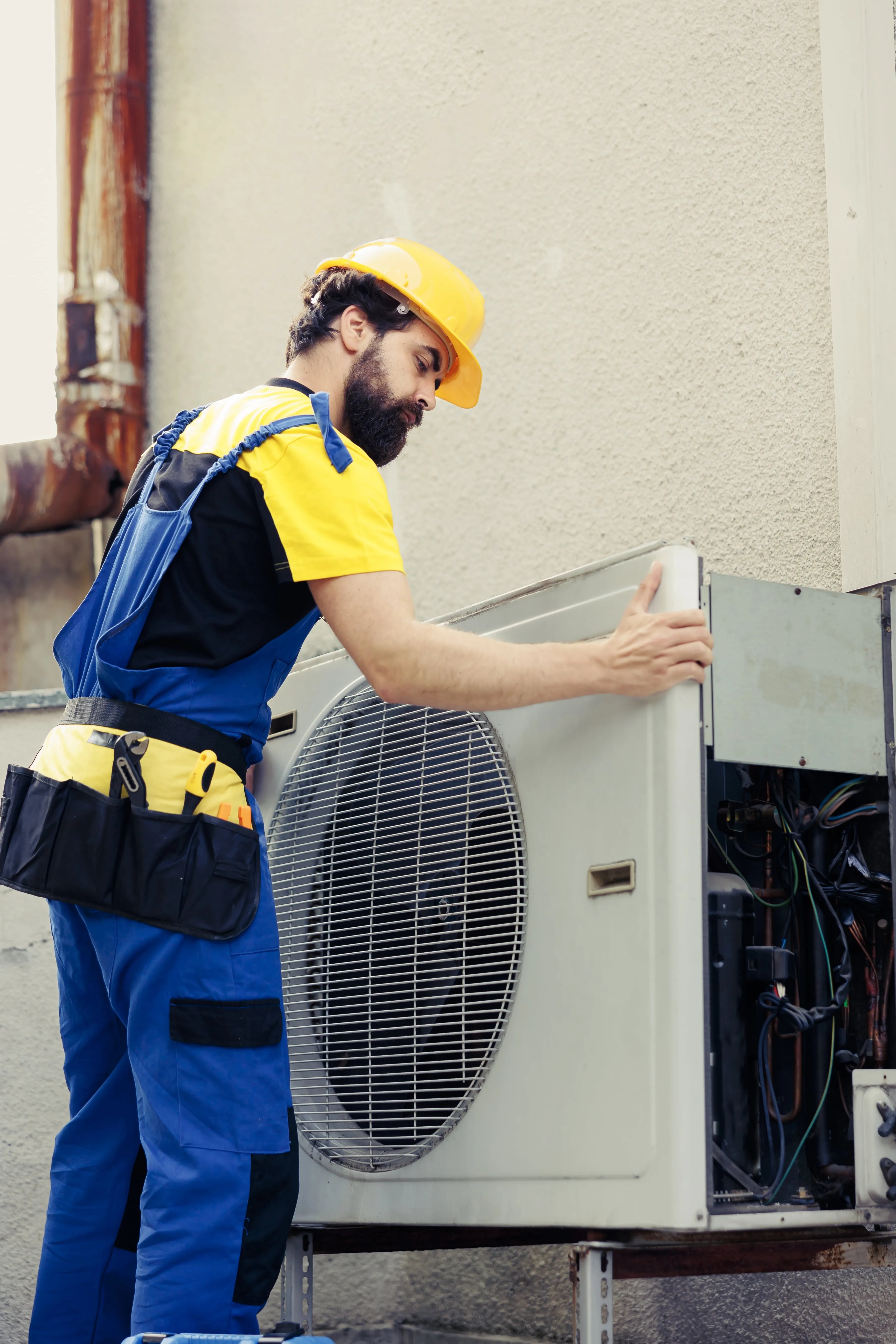
Choosing the right heat pump and installing it correctly matters in Westwego, LA. With hot, humid summers, mild winters, coastal air, and occasional flooding risk, a properly sized and installed heat pump delivers year-round comfort, improved energy efficiency, and reliable humidity control. This page explains the full installation process for new heat pumps in Westwego homes, including air-source and ductless options, ductwork considerations, step-by-step procedures, system testing, efficiency tips, install day expectations, timelines, and warranty and post-install support.
Why a heat pump makes sense in Westwego, LA
- Climate fit: Heat pumps are efficient in the Gulf Coast climate where winters are mild and cooling is the primary load. Modern units can handle both cooling and heating without the cost of separate systems.
- Humidity control: Properly configured heat pumps with thermostats or dehumidification controls help manage indoor humidity, reducing musty smells and moisture-related issues common in Westwego.
- Coastal durability: Installations in coastal Westwego require attention to salt-air corrosion and elevated equipment placement in flood-prone areas.
Common heat pump types for Westwego homes
- Air-source heat pumps: The most common option. Efficient, reliable, and available in single-stage, two-stage, and variable-speed (inverter) models. Best for homes with existing ductwork.
- Ductless mini-split systems: Ideal for older homes without ducts, additions, or rooms needing zone control. They offer flexible installation and strong energy performance.
- Hybrid systems: Heat pump paired with a gas furnace for extreme cold or specific efficiency goals; less common in South Louisiana but available for homes with gas hookups.
Common heat pump issues in Westwego and why proper installation matters
- Oversizing or undersizing leading to short cycling, high humidity, and uneven comfort
- Corrosion and electrical issues from coastal salt air if outdoor units are not protected
- Flooding damage in low-lying yards or crawlspaces unless outdoor units are elevated
- Poor ductwork or improper airflow causing inefficiency and comfort problems
Initial site assessment and load calculations
A complete installation begins with a professional site assessment:
- Visual inspection of existing HVAC equipment, ducts, electrical service, and outdoor unit location
- Manual J load calculation to determine correct capacity based on Westwego climate, home orientation, insulation, window types, and occupancy
- Manual D duct evaluation to check for leaks, sizing, and distribution balance
- Evaluation of condenser pad location for flood risk, salt exposure, and airflow clearanceCorrect sizing based on an accurate load calculation is critical. In Westwego, contractors often factor higher latent loads (humidity) into cooling capacity needs.
Ductwork inspection and modifications
For ducted systems:
- Inspect for leaks, insulation levels, and proper sizing. Sealing and insulating ducts in unconditioned spaces improves efficiency.
- Recommend duct modifications when registers are poorly located, or balancing dampers are needed.
- Evaluate return-air pathways and filtration compatibility to maintain indoor air quality in humid conditions.
For ductless systems:
- Plan line set runs through convenient, sheltered pathways to avoid exposed runs susceptible to salt corrosion.
- Select indoor head locations to optimize airflow while minimizing interference with living space.
Step-by-step installation process
- Final equipment selection: Choose model type, SEER/HSPF ratings, and accessories such as corrosion-resistant coatings or elevated pads for coastal homes.
- Permitting: Pull local Westwego or Jefferson Parish permits as required for HVAC replacement or new installations.
- Pre-install prep: Move furniture, protect floors, and confirm access to electrical panels and outdoor locations.
- Remove old equipment: Safely recover refrigerant, disconnect electrical, and remove existing condensers or air handlers if necessary.
- Outdoor unit placement: Install elevated pad or platform when needed, position for clear airflow and service access, and secure per local codes for wind resistance.
- Indoor equipment and connections: Mount air handler or mini-split heads, run refrigerant lines, condensate drain, and low-voltage wiring. For ducted systems, connect to existing duct collar or install new transition pieces.
- Electrical hookup: Install proper disconnects, circuit breakers, and grounding. Verify amperage and make final electrical connections according to code.
- Evacuation and refrigerant charge: Pull a vacuum on refrigerant lines and charge system per manufacturer superheat/subcooling specifications for peak performance.
- Insulation and sealing: Insulate refrigerant lines, seal duct connections, and install drain lines so condensate flows properly away from the home.
- Startup and commissioning: Power system, set thermostats, run through operating modes, and perform airflow, temperature split, and electrical checks.
- Final walkthrough: Explain basic controls, filter access, and maintenance expectations.
System testing and commissioning
Thorough commissioning ensures reliability and efficiency:
- Verify correct refrigerant charge using pressure and temperature measurements
- Measure airflow and static pressure to confirm proper distribution
- Check electrical draw and compare to manufacturer spec
- Test defrost cycles, reversing valve operation, and dehumidification performance
- Balance zones or program multi-zone mini-split controls for comfort
Energy efficiency and proper sizing tips
- Choose higher SEER and HSPF ratings for better cooling and heating efficiency; variable-speed compressors improve humidity control and comfort.
- Avoid oversizing; smaller, properly cycled systems often perform better at dehumidifying than oversized units.
- Consider zoning (duct dampers or multiple mini-split heads) to reduce energy waste in unused areas.
- Upgrade insulation and air sealing to reduce load before upsizing equipment.
Estimated timelines and what to expect on install day
- Typical replacement for an air-source heat pump with minimal ductwork work: 4 to 8 hours.
- Full installations involving duct modifications, new pad placement, or multiple indoor units: 1 to 2 days.
- Ductless mini-split installations for a single head: 3 to 6 hours per indoor unit, depending on access and line set routing.On install day expect technicians to arrive with protective gear, verify the scope, protect floors and furnishings, remove old equipment, place the new outdoor unit, mount indoor equipment, make electrical and refrigerant connections, and perform a full startup and walkthrough. Technicians typically leave the work area clean and provide a basic operational overview.
Warranty and post-install support
- Manufacturer warranty: Most heat pumps include a compressor and parts warranty varying by model. Confirm length of coverage and registration requirements.
- Workmanship warranty: Expect a contractor-provided warranty on installation labor and sealing work.
- Recommended post-install support:
- Annual tune-up including coil cleaning, refrigerant check, electrical inspection, and airflow measurement
- Filter replacement frequency based on occupancy and indoor air quality needs
- Seasonal checks for coastal corrosion, pad stability, and drain line integrity after storms
- Performance monitoring and prompt service for refrigerant leaks or abnormal cycling help maintain longevity and efficiency.
Final considerations for Westwego homes
- Use corrosion-resistant options and elevate outdoor units where flooding is a concern.
- Prioritize proper sizing and humidity control to handle Westwego humidity levels.
- Regular maintenance is especially important near the coast to guard against salt and storm impacts.
This overview outlines what to expect from a professional heat pump installation in Westwego, LA. Proper assessment, right-sized equipment, careful ductwork work, and thorough commissioning are the foundations of a comfortable, efficient system built to handle the coastal Louisiana climate.
OUR CLIENTS HAVE TO SAY ABOUT US



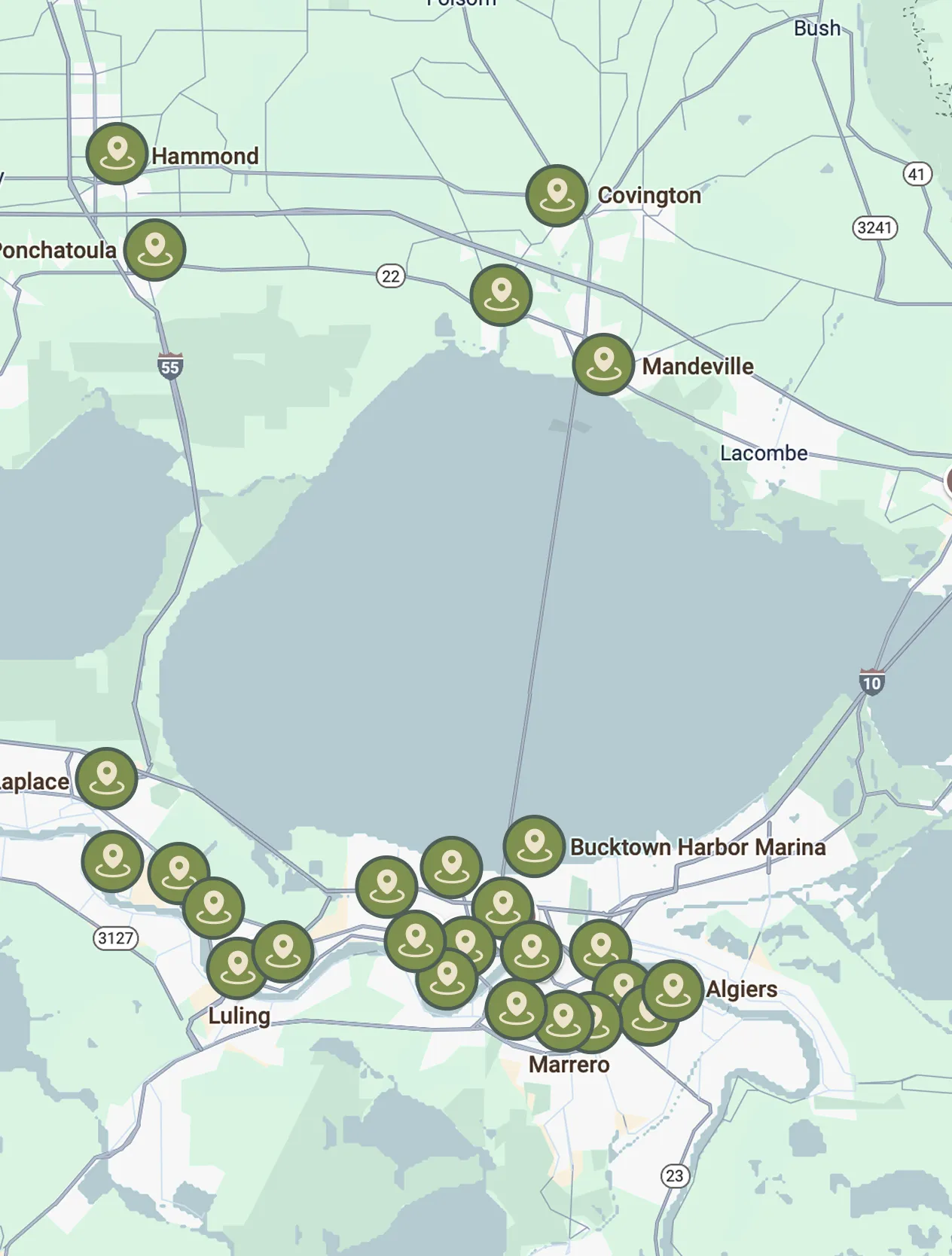
Service areas
Our service areas are designed to meet the diverse needs of our clients. We focus on providing exceptional service and ensuring customer satisfaction in every location we operate.