Heat Pump Repair in Marrero, LA
.webp)
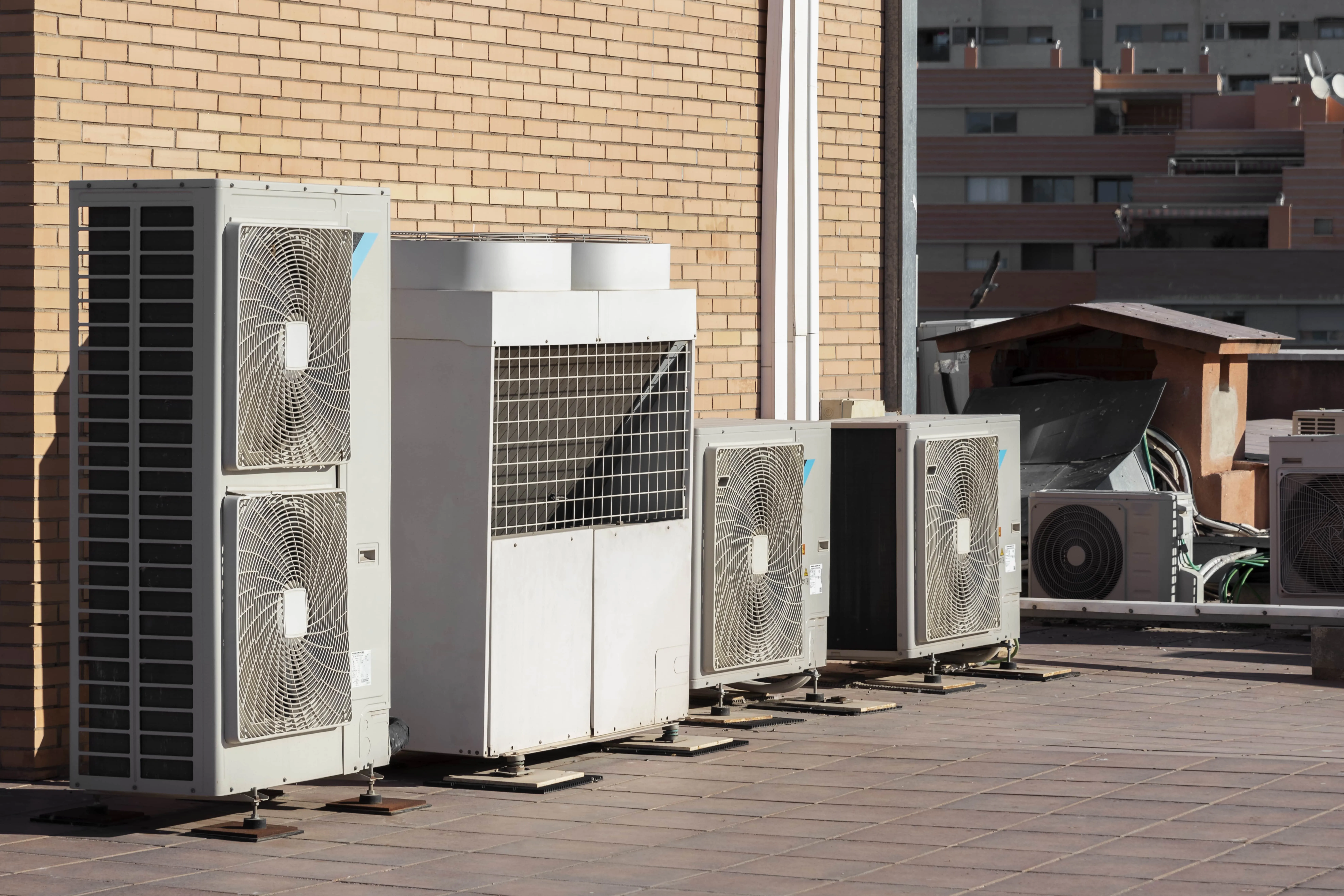
Cypress Cooling provides comprehensive heat pump repair in Marrero, LA, taking a coastally aware approach to diagnosing and fixing common failures. Our guide outlines frequent problems such as compressor short cycling, refrigerant leaks, faulty thermostats, and electrical issues. We employ a methodical diagnostic process, from visual inspection to performance analysis, to pinpoint the problem. Cypress Cooling also provides information on typical repair timelines, the essential certifications our technicians hold (like EPA Section 608 and NATE), safety considerations, emergency guidance, and proactive maintenance practices designed to extend system life in humid, salt air conditions.
Heat Pump Repair in Marrero, LA
When your heat pump underperforms or fails, it affects comfort, energy bills, and peace of mind. In Marrero, LA, where hot, humid summers and occasional cold snaps put extra strain on HVAC systems, prompt, knowledgeable heat pump repair keeps your home comfortable and prevents small issues from becoming major breakdowns. This page explains the most common heat pump problems in Marrero, how technicians diagnose and fix them, realistic timelines for repairs, what certifications and guarantees to expect, and how to manage emergency situations and prepare for service.
Common heat pump problems in Marrero, LA
Marrero’s coastal humidity, salt air, and high seasonal use contribute to a predictable set of failures. Frequent issues include:
- Compressor failure or short cycling — Often caused by wear, electrical faults, or refrigerant issues; this reduces the system’s ability to heat or cool.
- Outdoor fan motor or capacitor failure — Fan problems lower outdoor coil airflow, causing overheating and poor performance.
- Refrigerant leaks — Corrosion from coastal salt air and aging lines can cause leaks; low refrigerant leads to freezing coils and loss of capacity.
- Thermostat and control faults — Incorrect settings, wiring faults, or failed controls result in no call for heat/cool or erratic operation.
- Electrical issues — Tripped breakers, burned contactors, failed capacitors, or loose wiring can prevent the system from starting.
- Frozen or dirty coils and restricted airflow — High humidity and clogged filters reduce heat exchange and can freeze the evaporator coil.
- Drainage and condensate problems — Stagnant drains or condensate pump failures can cause water damage and sensor shutdowns.
How technicians diagnose heat pump problems
A methodical diagnostic approach reduces unnecessary parts replacement and gets systems back working faster. Typical steps include:
- Initial inspection — Visual check of outdoor and indoor units for corrosion, debris, and obvious damage from weather or pests.
- Operational check — Running the system to observe startup behavior, noise, vibrations, and whether the unit cycles properly.
- Airflow and filter assessment — Measuring supply and return airflow, checking filters, and inspecting ductwork for restrictions or leaks.
- Electrical testing — Using multimeters and amp clamps to check capacitors, contactors, breakers, and control voltages for faults.
- Refrigerant diagnostics — Measuring system pressures and temperatures, and using leak detectors or UV dye to locate refrigerant leaks.
- Component testing — Testing fan motors, compressor windings, and thermostats; thermal imaging may be used to find hot or cold spots.
- System performance analysis — Verifying temperature splits, superheat/subcooling, and overall efficiency to recommend repair versus replacement.
Typical repair procedures and solutions
Repairs focus on restoring safe, efficient operation while addressing root causes:
- Refrigerant leak repair and recharge — Locate and repair the leak, evacuate, and recharge the system per manufacturer spec and EPA regulations. Corrosion-prone lines may be replaced.
- Compressor or motor replacement — When compressors or fan motors fail, technicians match replacements to the system’s capacity and controls.
- Electrical component replacement — Capacitors, contactors, relays, and control boards are commonly replaced to restore reliable starts and operation.
- Thermostat and control fixes — Recalibration, rewiring, or upgrading to a compatible thermostat resolves many comfort complaints.
- Coil cleaning and airflow restoration — Cleaning coils, replacing filters, and addressing duct restrictions improve efficiency and prevent freeze-ups.
- Drain and condensate repairs — Clearing clogged drains, replacing pumps, and correcting slope issues prevents water damage and system shutdowns.
- Corrosion mitigation — Replacing corroded connections, applying protective coatings, or relocating components where possible to extend service life.
Expected repair timelines
Timelines vary by problem severity and parts availability. Typical windows are:
- Minor electrical or thermostat repairs — Often completed in a few hours on the same visit.
- Fan motor, capacitor, or control board replacement — Commonly handled within a single day if parts are in stock.
- Compressor replacements or major refrigerant line work — May require ordering parts and scheduling coil evacuation and recharge, extending repairs to 1–2 days.
- Extensive corrosion or system overhaul — Larger jobs that involve multiple components or significant fabrication can take several days.
Seasonal demand in Marrero—especially during heat waves or after storms—can affect response and parts lead times.
Pricing considerations (what affects cost)
While specific costs vary, expect pricing to depend on:
- The nature and complexity of the repair (electrical vs. compressor).
- Parts required and whether replacements are OEM or aftermarket.
- Accessibility of equipment and any ductwork or structural work needed.
- Local supply chain and seasonal demand—after severe weather, parts can be harder to source.
Certifications, safety, and guarantees
For refrigerant handling and safe repair, technicians should carry industry credentials. Look for:
- EPA Section 608 certification for refrigerant handling.
- NATE certification or equivalent HVAC technician training for quality diagnostics and repair.
- Manufacturer training or factory-authorized credentials for certain brands.
- Written guarantees on labor and parts: many technicians offer short-term labor guarantees and coordinate manufacturer warranties for replacement components. Confirm warranty durations and what they cover before scheduling any work.
Emergency service and what to do first
Heat pump failures can feel urgent in extreme heat or cold. For safety and to help the technician:
- If you smell refrigerant or see oily residue, ventilate the area and avoid opening electrical panels; refrigerant leaks can pose health risks.
- If you suspect electrical issues, turn off the unit at the breaker to prevent further damage.
- Note the symptoms: when the problem started, unusual noises, whether both heating and cooling are affected, and any recent power events or storms.
- Prepare access: clear vegetation or debris around the outdoor unit and provide safe access to the indoor air handler and thermostat.
When arranging emergency repair, provide model and serial numbers if available, detailed symptoms, and any recent service history to help technicians prioritize parts and tools.
Preventive maintenance and long-term benefits
Regular maintenance in Marrero’s climate reduces emergency repairs and extends system life. Recommended steps include:
- Seasonal filter changes and coil cleanings.
- Annual or biannual inspections before peak heating and cooling seasons.
- Corrosion checks for outdoor components and refrigerant line protection.
- Thermostat calibration and ductwork assessments to ensure even airflow.
Timely repairs and routine maintenance keep your heat pump running efficiently, reduce energy costs, and lower the likelihood of costly emergency replacements in a climate that stresses HVAC equipment.
This information outlines what to expect from professional heat pump repair in Marrero, LA—common faults, how technicians diagnose and fix problems, realistic timelines, vital certifications, and how to handle emergencies and prepare for service in this coastal, humid environment.
OUR CLIENTS HAVE TO SAY ABOUT US



Service areas
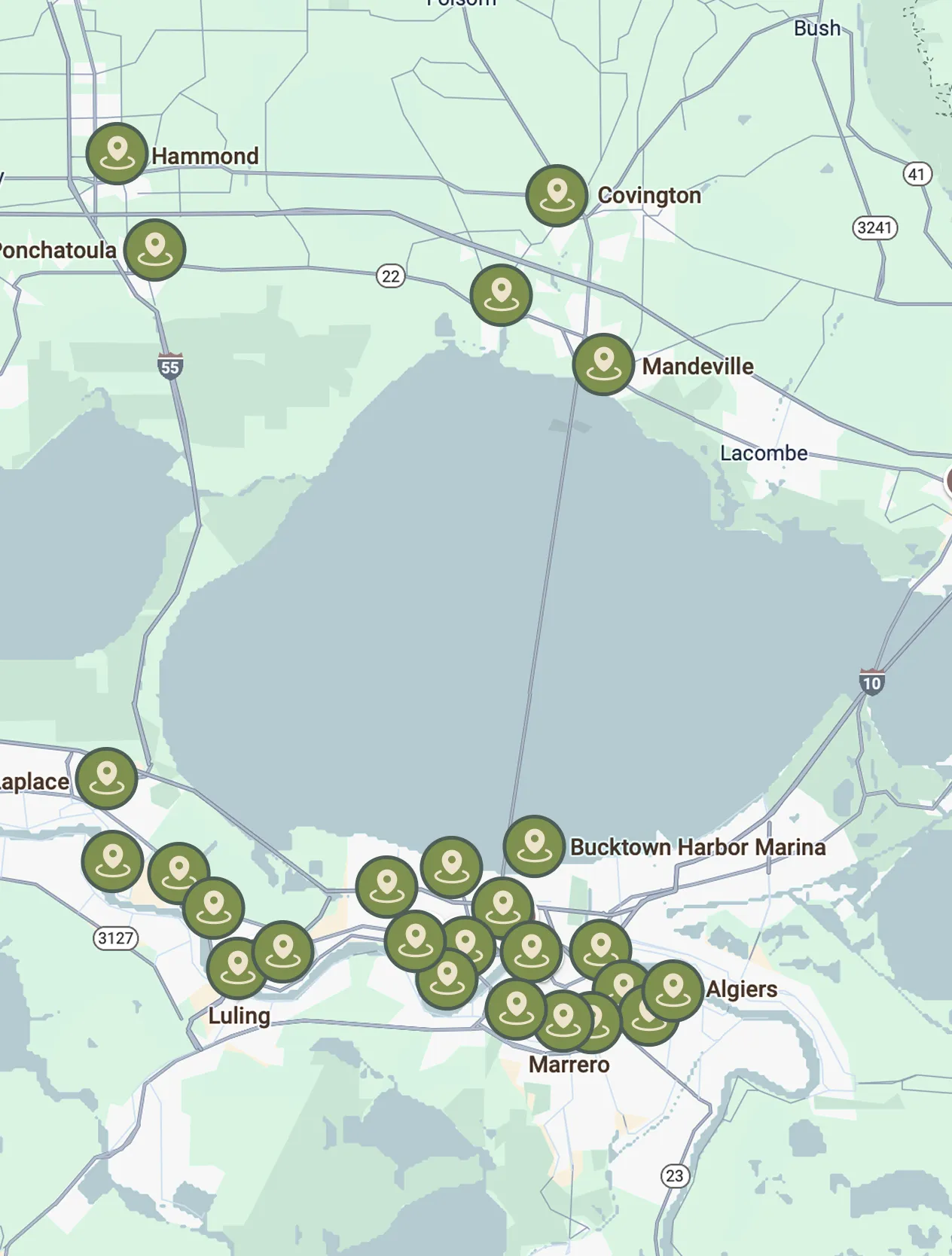
Our service areas are designed to meet the diverse needs of our clients. We focus on providing exceptional service and ensuring customer satisfaction in every location we operate.