Heat Pump Installation in Marrero, LA
.webp)
Upgrading to a heat pump in Marrero, LA with Cypress Cooling means a professional, code compliant process designed to improve your year round comfort, humidity control, and energy efficiency. We begin with a thorough site assessment and help you select the right equipment (single stage, two stage, or variable speed). We also focus on right sizing and duct design, and manage all installation steps from pad preparation to electrical connections and refrigerant charging. After installation, we handle commissioning, homeowner orientation, and explain available incentives, as well as ongoing maintenance to maximize performance, resilience to coastal conditions, and long term reliability for your Marrero home. A correctly specified system from Cypress Cooling ensures comfort and lower energy bills.
%2520(1)-min.webp)
Heat Pump Installation in Marrero, LA
Replacing or installing a new heat pump in Marrero, LA is one of the most effective upgrades for year-round comfort, humidity control, and energy savings. With hot, humid summers, occasional cool winters, and coastal exposure, proper heat pump selection and installation are critical to long-term performance. This page explains what a professional, code-compliant heat pump installation looks like in Marrero homes, common local considerations, and the technical steps and post-installation services you should expect.
Why a heat pump is a good choice for Marrero, LA homes
- Efficient cooling for long, humid summers; modern heat pumps provide high SEER ratings that lower electricity use compared with older systems.
- Effective year-round heating for mild winters without needing a separate furnace.
- Variable-speed equipment offers improved dehumidification and indoor comfort, which matters in South Louisiana humidity.
- Properly installed systems resist corrosion and weather-related damage when coastal-grade practices are used.
Common heat pump issues in Marrero, LA and what to avoid
- Poor dehumidification from oversized systems that short-cycle.
- Corrosion on outdoor coils and fasteners from salt air if coastal protections are not used.
- Clogged or leaky ductwork in older homes, reducing airflow and efficiency.
- Improper refrigerant charge or airflow that leads to reduced capacity and higher energy bills.
- Inadequate elevation or anchoring of outdoor units in flood-prone areas.
Site assessment: the first step
A thorough site assessment tailors the system to your home and local conditions. Typical assessment items:
- Manual J load calculation to determine exact heating and cooling load based on square footage, insulation, orientation, windows, and occupancy.
- Inspection of existing ductwork for leaks, insulation level, and airflow capacity.
- Electrical panel capacity review and required circuit sizing.
- Location selection for outdoor unit considering noise, clearance, elevation for flood risk, and exposure to salt air.
- Ventilation and indoor air quality needs that might influence system selection or supplemental equipment.
Equipment selection: single-stage, two-stage, or variable-speed
- Single-stage units: One operating speed. Lower upfront cost and reliable performance for straightforward applications, but can short-cycle and offer less precise humidity control.
- Two-stage units: Provide a low and high stage for improved comfort and reduced cycling. Better dehumidification and quieter operation during low-demand periods.
- Variable-speed units: Continuously variable blower and compressor speeds. Best for tight humidity control, consistent temperature, highest efficiency, and quieter operation. Ideal for Marrero homes concerned with humidity and efficiency.
Choose equipment based on load calculation results, duct capacity, and priority between upfront cost and long-term comfort and savings.
Proper sizing and ductwork considerations
- Right-sizing matters. Oversized heat pumps short-cycle, offer poor humidity control, and can increase energy use. Undersized units run continuously and wear out faster.
- Manual J for load, Manual D for duct design, and Manual S for equipment selection should guide installation decisions.
- Ductwork should be sealed and insulated, especially in unconditioned attics or crawlspaces. Even modest leaks significantly reduce equipment effectiveness in humid climates.
- Ensure adequate return and supply grille sizing and balance airflow to each room. Consider adding zoning or dampers if the home has rooms with widely varying loads.
Typical installation procedures
- Site prep and secure outdoor unit on a level pad or elevated platform to reduce flood risk; use corrosion-resistant fasteners and protective coatings where appropriate.
- Install indoor air handler or coil and connect refrigerant lines sized to manufacturer specifications. Maintain proper line lengths and insulation.
- Run electrical wiring and install a dedicated disconnect. Verify correct breaker sizing and surge protection if required.
- Evacuate lines to required vacuum levels, check for leaks, and charge system to specified refrigerant charge using superheat or subcooling methods.
- Configure and mount thermostat, wiring control circuits, and set up any smart thermostat features.
- Install condensate drain with trap and safety overflow protection.
Post-installation testing and commissioning
Commissioning verifies the installation meets performance expectations and local code requirements:
- Leak testing and pressure checks to ensure a sealed refrigerant loop.
- Refrigerant charge verification by measuring superheat or subcooling per manufacturer specifications.
- Airflow measurement and static pressure checks to confirm proper CFM and blower settings.
- Electrical testing including amp draws, voltage, and safety device operation.
- System runtime checks in heating and cooling modes to validate capacity and defrost cycle behavior.
- Documentation of performance measurements and configuration settings provided to the homeowner.
Homeowner orientation and care
A full homeowner orientation is part of a professional installation and should include:
- How the thermostat works and how to use fan, heat, cool, and emergency heat settings.
- Explanation of defrost cycles, noise expectations, and normal outdoor unit behavior.
- Filter types and replacement intervals (typically every 1 to 3 months depending on filter MERV and household conditions).
- Basic maintenance: keeping outdoor unit clear of debris, trimming vegetation, checking condensate drainage, and watching for unusual noises or changes in performance.
- Recommended seasonal maintenance schedule, including tune-ups before peak cooling season and before colder weather.
Available incentives and financing options in Marrero, LA
Energy efficiency incentives can offset purchase cost. Typical programs that may apply include:
- Federal tax credits for qualifying high-efficiency heat pumps and electrification upgrades.
- State and utility rebate programs for ENERGY STAR rated equipment and duct sealing or HVAC tune-ups.
- Local financing or payment options geared toward energy-efficient home improvements.
Eligibility and program details change over time, and systems that meet higher efficiency standards typically qualify for the best incentives.
Long-term benefits and maintenance recommendations
- Regular preventive maintenance preserves efficiency, extends equipment life, and maintains comfort. Expect biannual checkups: one focused on cooling performance in spring and one on heating performance in fall.
- Properly sized and commissioned heat pumps reduce energy bills, improve indoor humidity control, and provide consistent comfort through Marrero summers and mild winters.
- Address ductwork and envelope improvements alongside a new heat pump for the best comfort and efficiency results.
A correctly specified and installed heat pump—matched to Marrero climate factors like humidity, coastal exposure, and flood risk—delivers reliable, efficient comfort year round. Proper assessment, quality installation practices, and diligent commissioning and homeowner education ensure you get the system performance and longevity expected from a modern heat pump.
OUR CLIENTS HAVE TO SAY ABOUT US



Service areas
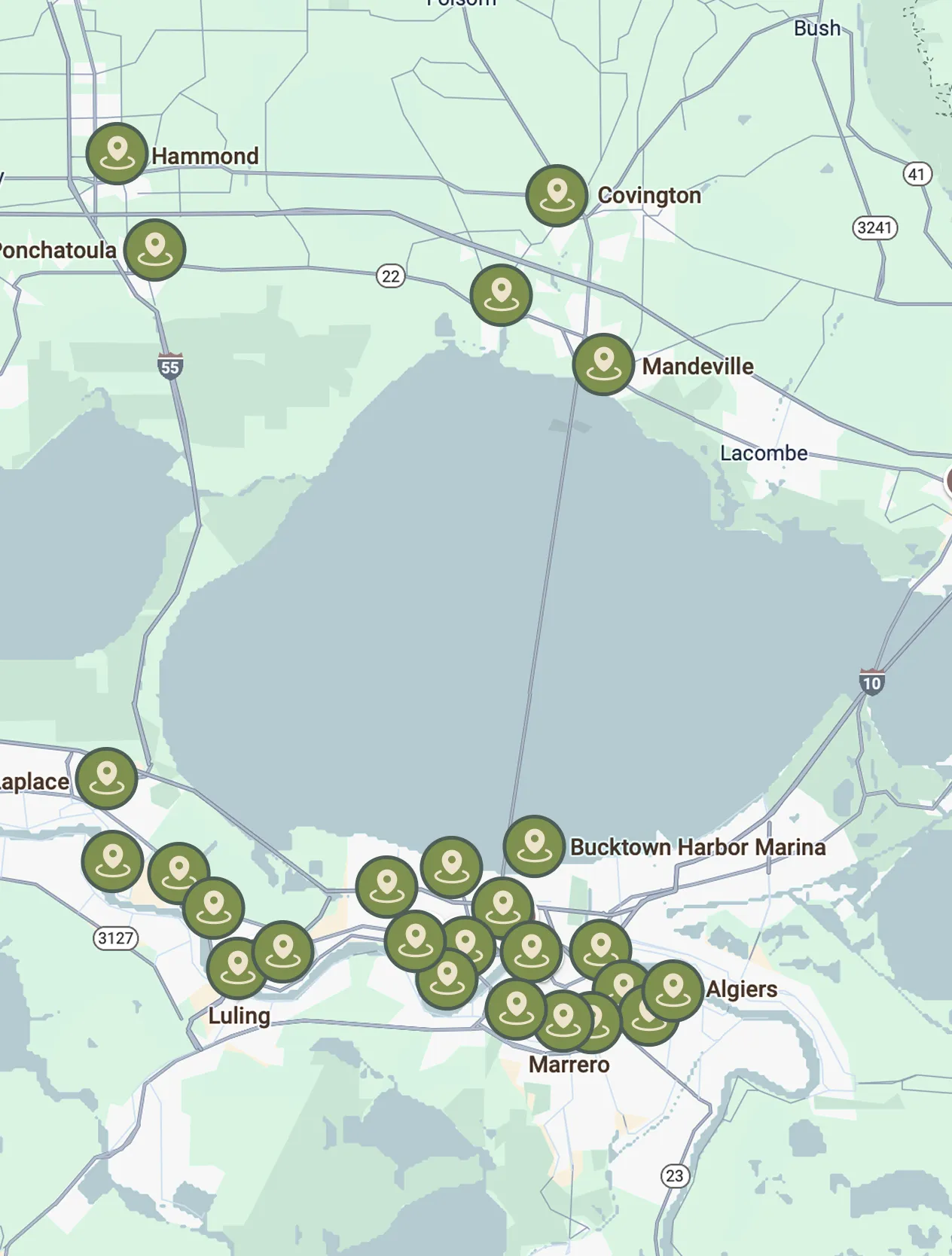
Our service areas are designed to meet the diverse needs of our clients. We focus on providing exceptional service and ensuring customer satisfaction in every location we operate.