
Heat Pump Repair in Hammond, LA
.webp)
Cypress Cooling offers heat pump repair in Hammond, LA, detailing a comprehensive diagnostic and repair process designed to restore your comfort efficiently. We address common symptoms with a step by step diagnostic approach, followed by typical repairs and parts replacement. We provide realistic response times and service guarantees. We also offer pricing guidance and scheduling for standard or emergency visits, along with preventive maintenance recommendations tailored to Hammond's climate. Expect clear communication regarding workmanship, parts warranties, and safety compliance, helping you make informed decisions and minimize future breakdowns.
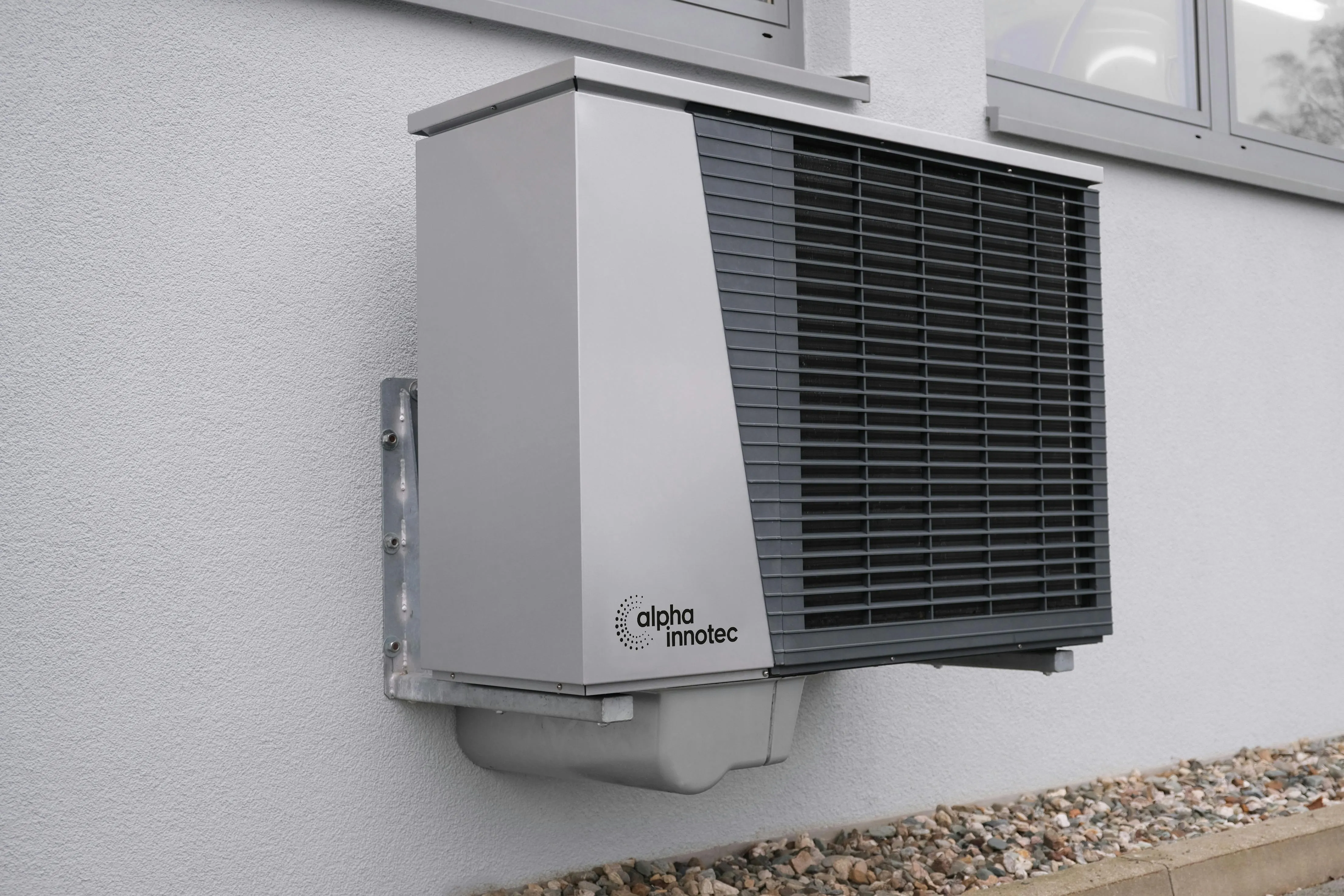
Heat Pump Repair in Hammond, LA
Heat pumps are the primary climate control system in many Hammond, LA homes because they deliver efficient cooling in hot, humid summers and reliable heating in the milder winters. When a heat pump fails or underperforms it affects comfort, energy bills, and indoor air quality. This page explains common symptoms Hammond homeowners experience, the step-by-step diagnostic process technicians use, typical repairs and parts replacement, realistic response-time expectations, service guarantees you should expect, pricing guidance, and what to expect when scheduling a standard or emergency visit.
Why heat pump reliability matters in Hammond, LA
Hammond’s humid subtropical climate means long cooling seasons and heavy AC use. High humidity and frequent storm-driven power events increase the chances of compressor strain, refrigerant leakage, corrosion of outdoor coils, and electrical faults. Prompt, accurate repairs preserve efficiency and prevent secondary damage to ductwork and indoor comfort systems.
Common heat pump symptoms in Hammond, LA
Watch for these telltale signs that a heat pump needs professional attention:
- No heating or cooling - Unit runs but fails to change indoor temperature.
- Weak airflow - Blower issues, clogged filters, or duct restrictions.
- Frequent short-cycling - Repeated on/off cycles that wear components and raise energy use.
- Strange noises - Grinding, screeching, or rattling from the compressor, fan motor, or loose panels.
- Refrigerant leaks - Visible oil stains near lines or frost patterns on the coil.
- High humidity indoors - Heat pump failing to dehumidify effectively.
- Electrical faults - Tripped breakers, burning smells, or control board errors.
- Ice on the outdoor unit - Excessive frosting in winter or defrost control failure.
- Uneven temperatures or hot/cold spots - Compressor or reversing valve problems, or airflow imbalance.
Step-by-step diagnostic process
A thorough diagnostic ensures the repair targets the root cause rather than a symptom. Typical diagnostic steps include:
- Initial interview and symptom review - The technician collects details about when the issue started, recent storms or power events, and system behavior.
- Visual inspection - Check outdoor unit condition, refrigerant lines, drain lines, and indoor coil and filter condition.
- System startup and operational check - Observe startup behavior, thermostat commands, and whether the compressor and fan engage normally.
- Electrical testing - Measure voltages, currents, capacitors, contactors, and control board inputs to identify electrical failures.
- Refrigerant and pressure checks - Use gauges to confirm refrigerant charge and detect leaks or abnormal pressures.
- Airflow and duct assessment - Measure static pressure and inspect filters, blower wheel, and ducts for blockages or leaks.
- Component-specific testing - Isolate parts like the reversing valve, defrost control, and sensor circuits to pinpoint failures.
- Diagnosis report and options - Technician explains findings, repair options, parts needed, and expected timeline for repair.
Typical repairs and parts replacement
Common repair procedures and parts replacement for Hammond heat pumps include:
- Refrigerant leak repair and recharge - Locate and repair leaks, recover and recharge refrigerant to manufacturer specifications.
- Compressor replacement or repair - Address failed compressors or motor issues when repair is feasible.
- Capacitor and contactor replacement - Replace worn start/run capacitors and electrical contactors that cause hard starting or failures.
- Fan motor and blower repairs - Replace or lubricate motors, clean or replace fan blades and blower wheels.
- Reversing valve and defrost control - Repair or replace reversing valves or defrost control defects that cause poor heating performance.
- Thermostat and control board repairs - Replace faulty thermostats, relays, or control modules.
- Coil cleaning and corroded component replacement - Clean outdoor and indoor coils; replace corroded lines, fittings, or heat exchanger components.
- Duct repair and airflow balancing - Seal duct leaks, repair damaged ducts, or adjust dampers for balanced airflow.
Expected response times in Hammond, LA
Response expectations vary by season and severity. During peak summer demand, wait times may be longer. Typical service timelines you can expect:
- Routine diagnostic visits are commonly scheduled within a short window of business days.
- Repairs requiring common replacement parts are often completed the same visit or within a few days once parts arrive.
- Emergency visits—where a loss of heating or cooling poses safety or health risks—are prioritized and may be handled much sooner.
When arranging service, inquire about arrival windows, diagnostic appointment length, and whether emergency or after-hours options are available in your area.
Service guarantees and workmanship expectations
Reputable heat pump repair providers in Hammond typically offer clear guarantees and standards to protect homeowners:
- Workmanship warranty - A limited warranty covering labor for a specified period after repair.
- Parts warranty - Manufacturer warranties for replacement parts, varying by part type.
- Diagnostic transparency - A written or verbal diagnostic summary that explains the problem, solutions considered, and why a specific repair was recommended.
- Safety and code compliance - Repairs performed to meet local codes and safety standards, including electrical and refrigerant handling regulations.
When evaluating repair options, ask what warranties apply to both labor and parts and request documentation of guarantees before work begins.
Pricing guidance (what to expect)
Rather than flat figures, pricing depends on a few predictable factors:
- Scope of the repair - Simple part swaps are less costly than major compressor or coil replacements.
- Parts required - Genuine manufacturer parts and hard-to-find components raise costs compared with common service parts.
- System accessibility and labor time - Older or hard-to-access units increase labor requirements.
- Refrigerant type and handling - Systems using certain refrigerants require certified handling and may affect price.
- Seasonal demand - High-demand seasons can affect labor availability and turnaround.
Most providers begin with a diagnostic fee that covers testing and diagnosis; that fee is often applied toward repair if you proceed. Ask for a written estimate that outlines labor, parts, and any warranty details before authorizing repairs.
What to expect when scheduling a standard or emergency visit
When you schedule, whether routine or emergency, expect a professional process:
- You will be asked for basic system information: make, model, age, symptom details, and any recent service history.
- The provider typically gives an arrival window and explains safety protocols, including identification and vehicle marking for the technician.
- For emergency visits, be prepared to describe immediate risks (e.g., medical needs, vulnerable occupants) so the visit can be prioritized appropriately.
- After diagnosis, expect a clear explanation of options, estimated timelines for parts, and how warranties will apply to the proposed repair.
Preventive maintenance note
Regular maintenance tailored to Hammond’s climate—coil cleaning, filter changes, refrigerant checks, and electrical inspections—reduces the likelihood of mid-season failures and extends system life. Scheduling seasonal tune-ups before peak cooling or heating seasons is a common best practice.
This overview equips Hammond homeowners with the knowledge to recognize heat pump problems, understand the diagnostic and repair process, and set realistic expectations for response time, guarantees, and pricing factors. With timely, informed repair decisions you can restore comfort, improve efficiency, and prevent repeat failures.
OUR CLIENTS HAVE TO SAY ABOUT US



Service areas
Our service areas are designed to meet the diverse needs of our clients. We focus on providing exceptional service and ensuring customer satisfaction in every location we operate.