
Heat Pump Installation in Hammond, LA
.webp)
Hammond, LA residents seeking reliable year round comfort will find that Cypress Cooling's professional heat pump installation process covers everything from the initial consultation to post installation testing and homeowner orientation. We'll explain equipment choices (single stage, multi stage, ductless, geothermal), critical ductwork and electrical needs, permitting, timelines, and common regional issues. Cypress Cooling also covers rebates, financing, maintenance tips, and the long term benefits of proper sizing, code compliant installation, and humidity control tailored to Southeast Louisiana's climate. Learn how to minimize energy use, maximize comfort, and protect your home's value with Cypress Cooling.
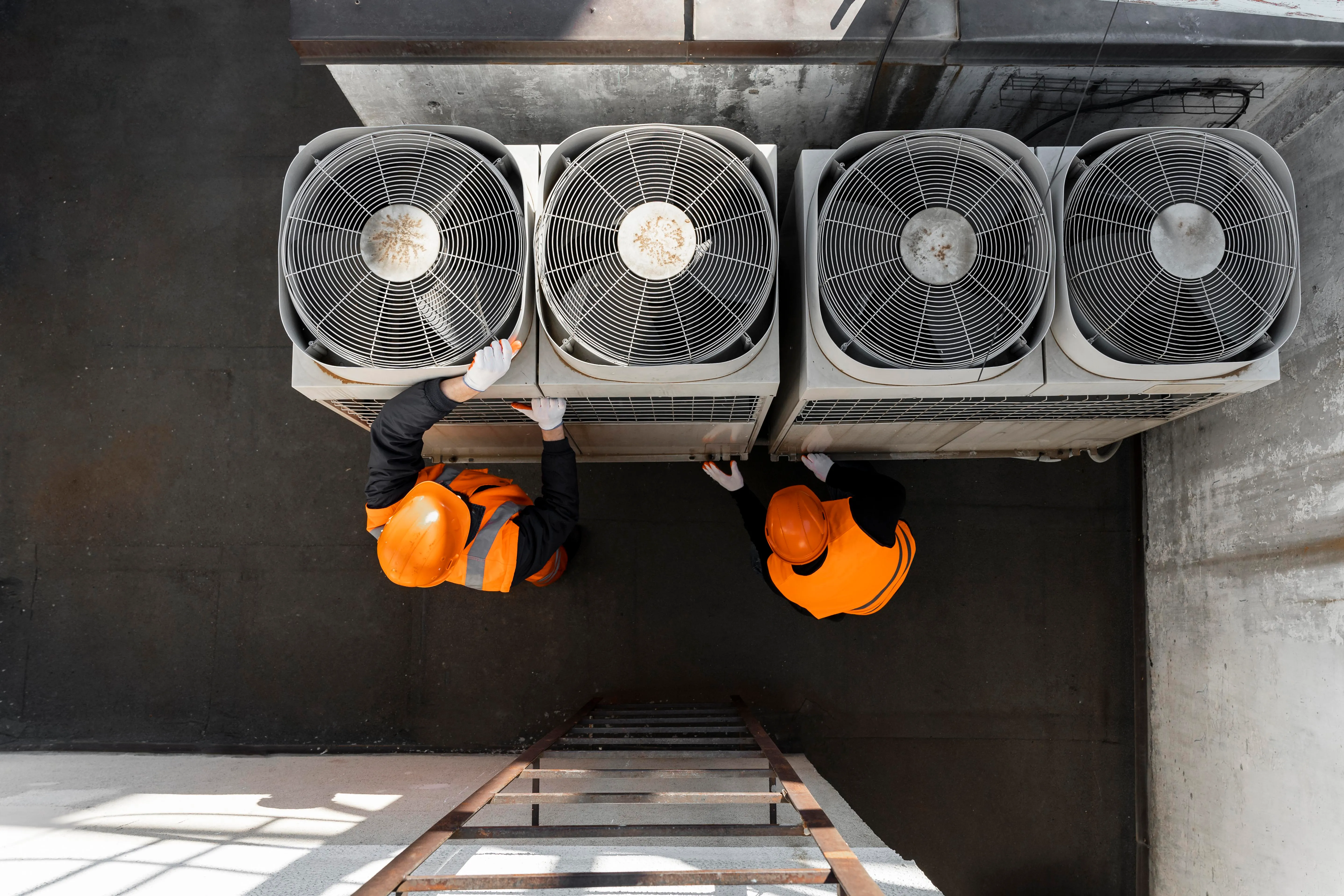
Heat Pump Installation in Hammond, LA
Upgrading to a modern heat pump is one of the most effective ways Hammond homeowners can improve year-round comfort, lower utility costs, and manage the persistent humidity that defines Southeast Louisiana. This page explains how a professional heat pump installation works in Hammond, LA: what we assess during a pre-install consultation, equipment choices (single-stage, multi-stage, ductless), ductwork and electrical needs, permitting and code compliance, installation timeline and on-site procedures, post-install testing and homeowner orientation, plus common rebate and financing options that typically apply in the region.
Why a heat pump makes sense in Hammond, LA
Hammond’s hot, humid summers and mild winters mean most energy use is for cooling and dehumidification. Modern heat pumps efficiently provide both cooling and heating without the combustion risks or separate furnace equipment. In Hammond homes a properly sized and installed heat pump can:
- Reduce electric usage compared with older central AC systems
- Provide reliable heating in mild winters without a separate furnace
- Improve indoor humidity control for comfort and mold prevention
- Offer quieter operation and better zone control with ductless options
Common heat pump problems Hammond homeowners face
- Uneven temperatures or hot/cold rooms due to poor duct design or sizing
- High energy bills from oversized or inefficient equipment
- Excessive indoor humidity when systems lack adequate dehumidification control
- Short cycling from improper sizing or airflow restrictions
- Corrosion and premature wear in coastal-influenced areas without proper equipment selection
Understanding these issues helps select the right unit and installation approach for local climate and home construction.
Heat pump options and which suits Hammond homes
- Single-stage heat pumps: Good for smaller homes or tight budgets. They run at one speed and are simpler, but can be less efficient at maintaining steady temperatures in humid climates.
- Multi-stage and variable-speed heat pumps: These modulate output to match demand, improving comfort, reducing cycling, and providing better humidity control—often the best choice for Hammond’s humidity.
- Ductless mini-splits: Ideal for older homes without ducts, room additions, or for zoning problematic spaces. They deliver targeted comfort and can reduce energy waste in partially conditioned homes.
- Geothermal heat pumps: Highly efficient but higher upfront cost and more site-dependent; less common in typical Hammond installations but an option where land and budget allow.
When choosing equipment, priorities include proper capacity, high SEER/HSPF ratings, inverter/variable-speed compressors for humidity control, and corrosion-resistant coatings for units near salt air or moisture.
Pre-install consultation and site assessment
A thorough pre-install assessment is the foundation of a long-lasting, efficient installation:
- Load calculation (Manual J): Determines correct capacity based on insulation, orientation, window areas, occupancy, and Hammond’s climate.
- Duct inspection: Checks for leaks, sizing, insulation, and balanced airflow.
- Electrical evaluation: Ensures the panel and circuit can support the new unit and identifies needed upgrades.
- Outdoor unit siting: Assesses clearances, drainage, and elevated mounting if needed to protect from flooding or landscaping issues.
- Indoor unit placement for ductless systems: Optimizes airflow and aesthetic placement for best performance.
This stage also identifies any necessary repairs or ductwork improvements that must be done before or during installation.
Ductwork and electrical considerations
- Duct sealing and balancing: Proper sealing and correct duct sizing reduce energy loss and improve comfort. Rerouting or adding returns may be necessary in older Hammond homes.
- Insulation: Ensuring ductwork in attics or crawlspaces is well insulated reduces cooling load in hot months.
- Electrical requirements: New heat pumps often require dedicated circuits, disconnects, and sometimes a panel upgrade. Safety grounding and surge protection are verified.
- Condensate management: Proper drain routing and pump selection prevent moisture issues in humid climates.
Addressing these items during installation prevents common post-install problems like poor airflow, short cycling, and recurrent humidity complaints.
Installation timeline and on-site procedures
Typical steps and timing for a standard central heat pump installation (single-family home):
- Day 1: Remove existing equipment if present, prepare duct transitions, and place outdoor unit pad. Rough electrical and refrigerant line routing begins.
- Day 2: Complete refrigeration connections, electrical hookups, install indoor unit or air handler, and connect thermostat wiring.
- Day 3: Evacuate and charge refrigerant, perform system startup, initial testing, and cleanup.
Complex installations, major ductwork repairs, or permits and inspections can extend the timeline. Ductless mini-splits often complete in a day for single-zone installs, but multi-zone systems take longer.
Permitting and code compliance
Heat pump installations in Hammond must comply with local building and electrical codes and require the appropriate permits and inspections. Licensed technicians handle permit applications, ensure compliance with refrigerant handling regulations (EPA 608), and follow Louisiana energy codes for equipment efficiency and installation practices. Proper permitting protects homeowners and ensures installations meet safety and performance standards.
Post-install testing, commissioning, and homeowner orientation
After physical installation the system is commissioned to verify performance:
- Leak checks and refrigerant charge verification
- Airflow measurements and static pressure checks
- Electrical safety and amp draw testing
- Thermostat calibration and control verification
- Brief run-through of dehumidification and any advanced settings
Homeowner orientation covers thermostat operation, recommended setpoints for comfort and efficiency in Hammond’s climate, filter replacement intervals, and simple troubleshooting. A written checklist of installed equipment, warranty basics, and maintenance tips is typically provided so homeowners know what to expect.
Typical maintenance and longevity tips for Hammond homes
- Replace or clean filters every 1–3 months depending on use and indoor air quality
- Schedule annual tune-ups before peak cooling season to check refrigerant, coils, and blower performance
- Seal and insulate accessible ductwork, especially in attics
- Keep outdoor unit clear of vegetation and debris and maintain proper drainage
- Monitor humidity levels; use system fan settings and thermostat features to assist dehumidification on muggy days
These preventative steps help preserve efficiency and extend system life in a humid subtropical environment.
Rebates, incentives, and financing options
Homeowners installing qualifying high-efficiency heat pumps may be eligible for federal tax credits, state incentives, or utility rebates that support energy-efficient upgrades. Many installers and finance providers also offer financing plans to spread the upfront cost. Eligibility for incentives varies by program and equipment efficiency levels, so homeowners often evaluate possible savings and payback when choosing equipment.
Benefits summary
A properly selected and professionally installed heat pump in Hammond, LA provides year-round comfort, better humidity control during hot summers, lower overall energy consumption, and flexible options for homes with or without existing ducts. Careful assessment, code-compliant installation, and routine maintenance ensure reliable performance tailored to Hammond’s climate and building conditions.
OUR CLIENTS HAVE TO SAY ABOUT US



Service areas
Our service areas are designed to meet the diverse needs of our clients. We focus on providing exceptional service and ensuring customer satisfaction in every location we operate.