Garage Heating & Air Conditioning in Norco, LA
.webp)
Garages in Norco, LA, present unique comfort and performance challenges. Whether you're using the space for vehicle storage, a workshop, a hobby area, or even a semifinished extension of your home, the right heating and cooling setup is crucial. It protects your equipment, prevents moisture issues, improves air quality, and ensures the space is usable yearround.
At Cypress Cooling, we understand these challenges. That's why we deliver garage heating and air conditioning solutions specifically designed for Norco’s climate, construction styles, and safety requirements. From equipment selection and moisture control to system installation, maintenance, and repair, our team ensures your garage stays comfortable, efficient, and protected through those hot, humid summers and cooler seasonal fronts.
.webp)
Garage Heating & Air Conditioning in Norco, LA
Garages in Norco, LA present a specific set of comfort, safety, and performance challenges. Whether you use your garage for vehicle storage, a workshop, an at-home hobby space, or an insulated extension of your living area, proper heating and air conditioning keeps equipment protected, prevents moisture damage, improves indoor air quality, and makes the space usable year round. Cypress Cooling Company specializes in Garage Heating & Air Conditioning in Norco, LA, delivering systems and service plans designed for local climate, building types, and code requirements so your garage performs reliably through hot, humid summers and occasional cool snaps.
Why a garage-focused HVAC solution matters in Norco, LA
Norco sits in a hot, humid Gulf Coast climate where seasonal humidity and summer heat are the primary indoor comfort hazards. Garages are often the least insulated and least ventilated part of a property, and the combination of poor insulation, frequent door openings, and regional humidity leads to:
- Condensation on metal surfaces and stored items, causing rust and mold.
- Overworked systems when using home HVAC to temper a poorly sealed garage.
- Harm to paint, adhesives, and electronics used in workshops.
- Poor air quality from vehicle exhaust, solvents, and particulate dust.
- Difficulty maintaining consistent temperatures for hobbies or workspace comfort.
A garage-specific HVAC system addresses these issues with right-sized equipment, moisture control, and ventilation solutions that match your garage use and Norco weather patterns.
Common garage HVAC needs in Norco homes
When homeowners in Norco ask for garage heating and air conditioning, the most common needs are:
- Temperature control for climate-sensitive storage or workshop use
- Humidity control to prevent rust and mold during humid months
- Ventilation to clear vehicle fumes and paint or chemical odors
- Efficient cooling that does not require ductwork through living spaces
- Robust electrical and safety arrangements for motors, heaters, and gas-fired equipment
Understanding which combination of these needs applies to your garage is the purpose of a focused assessment.
Typical problems we diagnose during a garage assessment
During an initial inspection, Cypress Cooling Company technicians look for the most common issues that undermine garage comfort and equipment longevity:
- Underinsulated walls, ceiling, or doors resulting in large heat gain/loss
- Gaps and poor weatherstripping around large garage doors and service doors
- Inadequate ventilation or exhaust for vehicle engine exhaust and fumes
- No dedicated condensate drainage for air conditioning systems
- Electrical panel capacity limitations or missing garage-specific disconnects
- Improper clearance or combustion air for gas-fired heaters
- Signs of standing moisture, mold, or efflorescence from slab moisture
Fixing these foundational problems before installing equipment gives better long-term efficiency and system life.
Recommended system types for garage heating and air conditioning
The right system depends on garage size, insulation, intended use, and electrical availability. Common, effective options in Norco homes include:
- Ductless mini split heat pumps
- Excellent for conditioned cooling and heating with high efficiency and zoned control
- Minimal footprint; wall-mounted or ceiling-concealed indoor units
- Inverter technology reduces energy use during mild winter heating common in Louisiana
- Compact packaged units and through the wall systems
- Good choice when a single packaged solution is needed with straightforward installation
- Available in cooling-only or heat pump variants for seasonal heating
- Gas-fired unit heaters or direct-vent space heaters
- Useful for workshops requiring fast, high heat output
- Require strict adherence to combustion clearance and venting codes
- Electric infrared or forced-air space heaters
- Simple installation for supplemental heat; useful where gas is not available
- Best when combined with improved insulation and sealing for efficiency
- Dedicated dehumidifiers and ventilation systems
- Either standalone dehumidifiers or integrated whole-space solutions help control summer humidity
- Mechanical ventilation or exhaust fans are recommended when vehicle use or painting occurs
Each option has tradeoffs in efficiency, comfort, cost, and code requirements. For Norco, heat pump technology is especially attractive because winters are typically mild, allowing heat pumps to provide efficient year-round comfort.
How Cypress Cooling Company evaluates your garage (initial assessment)
A professional assessment sets the foundation for a reliable installation. Our evaluation includes:
- Site survey
- Measure garage dimensions, door sizes, ceiling height, and door opening frequency.
- Inspect insulation levels in walls, ceiling, and door; note thermal bridging and penetrations.
2. Load calculation
- Perform a room-by-room heat gain and loss calculation that accounts for local climate, sun exposure, and internal heat sources.
- Determine sensible and latent load to size cooling and dehumidification.
3. Ventilation and IAQ review
- Check for vehicle exhaust pathways, chemical storage, and dust sources.
- Evaluate natural ventilation and recommend mechanical exhaust or fresh air systems where needed.
4. Electrical and structural review
- Confirm available electrical capacity, recommended breaker sizes, and potential need for a subpanel or dedicated circuit.
- Inspect mounting locations, roof or wall penetrations, and condensate drainage paths.
5. Permitting and code pre-check
- Identify likely permit requirements and local St. Charles Parish or Louisiana regulations that apply to garage HVAC installation.
This diagnostic phase ensures equipment selection matches real-world use, reducing the chance of future service calls and inefficiencies.
Installation steps and typical timelines
Garage HVAC installation follows a predictable workflow for reliability and safety. Typical steps are:
- Final design and equipment selection (1 to 3 days)
- Choose system type, indoor unit placement, and electrical needs based on the assessment.
2. Permitting and pre-install prep (varies; often 1 to 2 weeks)
- Submit required documentation to local authorities; order long-lead parts if necessary.
3. Electrical and structural preparation (1 day to 1 week)
- Install dedicated circuits, disconnects, and any subpanels.
- Reinforce mounting points or create penetrations with weatherproof flashing.
4. Mechanical installation (1 to 3 days)
- Mount indoor units, connect refrigerant lines or ductwork, install condensate management, and set up ventilation or dehumidification systems.
5. Commissioning and testing (1 day)
- Charge refrigerant if applicable, verify airflow and temperatures, test thermostatic control and safety devices, and validate drainage.
6. Client walkthrough and maintenance review (same day)
- Demonstrate normal operation, explain maintenance needs, and leave documentation for warranty and service plans.
Timelines depend on permits, electrical upgrades, and weather. Projects that require extensive insulation upgrades or structural changes will extend the schedule.
Code, safety, and electrical considerations specific to garages
Garage installations require more than just the right equipment; they demand attention to safety and code compliance:
- Permits and inspections
- Most garage HVAC installations require permits. Cypress Cooling Company identifies required permits and designs installations to meet St. Charles Parish and Louisiana building codes.
- Electrical capacity and disconnects
- Dedicated circuits, GFCI protection where required, and a local disconnect for outdoor condensing units are standard. Panel upgrades may be necessary for larger systems.
- Combustion and carbon monoxide safety
- Gas-fired heaters need proper venting, combustion air, and clearance. When combustion appliances are present, hardwired carbon monoxide detection and separation from living spaces are recommended.
- Separation from living spaces
- Fire-rated separation between garage and living areas (walls, doors) should remain intact. HVAC ductwork or openings must not compromise required fire separation.
- Condensate and drainage
- Condensate must be routed to an approved drain. For garages with slab drainage issues, condensate pumps or exterior routing with freeze protection may be required.
- Equipment placement and structural considerations
- Outdoor units should be placed away from potential flood zones and provide adequate airflow and service access. In hurricane-prone areas, secure mounting and wind-rated equipment may be advisable.
A properly engineered installation reduces risk and ensures the system complies with local inspection requirements.
Moisture control and indoor air quality for Norco garages
Controlling moisture and pollutants is just as important as temperature control in Norco’s humid environment. Key strategies include:
- Dehumidification
- Match dehumidifier capacity to latent load. In many cases, an integrated dehumidification mode on a mini split or a dedicated dehumidifier prevents condensation during summer.
- Proper sealing and insulation
- Increase door and wall R-values, add weatherstripping to garage doors, and seal gaps around outlets and penetrations to reduce humid infiltration.
- Ventilation and exhaust
- Install mechanical exhaust for vehicle fumes and paint or chemical use. Consider timed or demand-controlled ventilation to avoid bringing in excessively humid outdoor air.
- Filtration and source control
- Use MERV-rated filters for particulate capture if the garage is a workshop. For paint or solvent fumes, consider local exhaust hoods and activated carbon filtration where applicable.
- Managing slab moisture
- If slab moisture is present, install vapor barriers, allow proper grading, and ensure any dehumidification strategy addresses the slab as a source.
By combining thermal control with humidity and IAQ measures, your garage becomes a healthier and more durable space.
Energy efficiency recommendations
Efficiency reduces operating costs and extends equipment life. For Norco garages we recommend:
- Right-sizing equipment with professional load calculations to avoid short-cycling.
- Selecting inverter-driven mini split systems or high-efficiency heat pumps with higher SEER and HSPF ratings for year-round savings.
- Improving the building envelope: add insulation to walls and garage doors, install insulated overhead doors, and seal air leaks.
- Using programmable or smart controls to limit conditioning only when occupied.
- Implementing zoning if multiple distinct garage areas are present.
- Adding dehumidification control that runs independently of full cooling to save energy during humid, mild days.
These measures reduce runtime and maintenance needs while keeping the garage comfortable and protected.
Warranty, financing, and what to expect after installation
Cypress Cooling Company installs equipment with manufacturer warranty coverage and stands behind labor with a company workmanship warranty. Typical warranty considerations and consumer expectations include:
- Manufacturer warranties
- Major components such as compressors and heat exchangers are covered by the equipment manufacturer. Warranty duration and terms vary by model and manufacturer.
- Labor and workmanship warranty
- Installation labor and workmanship coverage are provided by the installer. Cypress Cooling Company documents these terms at project completion.
- Extended maintenance agreements
- Ongoing tune-up and maintenance plans extend equipment life and often preserve warranty eligibility through documented service.
- Financing options
- Multiple financing methods are commonly available for HVAC projects to allow homeowners to spread payments. Financing approval depends on individual credit and program terms.
During the design phase, expect a written proposal that outlines the equipment selected, likely warranty summaries, and recommended maintenance steps.
Ongoing maintenance, tune-up and repair plans
Regular maintenance keeps garage HVAC systems reliable in Norco’s climate. Effective maintenance includes:
- Seasonal tune-ups
- Inspect and clean coils, check refrigerant charge, test safety controls, and verify airflow and drainage.
- Filter replacement
- Replace or clean filters based on usage and particulate load, typically every 1 to 6 months.
- Condensate management
- Clear condensate traps and drains, inspect condensate pumps if present, and ensure drainage exits to an appropriate location.
- Electrical checks
- Inspect capacitors, contactors, and connections to prevent motor failures. Verify breaker and disconnect operation.
- Operational checks
- Confirm thermostat calibration, sensors, and control communication, especially with smart or zoned systems.
Common repairs Cypress Cooling Company addresses include refrigerant leaks, failed motors, clogged condensate lines, control board failures, and wear items such as belts or dampers. Proactive maintenance reduces emergency repairs and improves system efficiency.
Choosing the right solution for your garage use case
Match system type to how you actually use the garage:
- Vehicle storage only
- Prioritize moisture control and moderate cooling. A small ductless system or dehumidifier with improved sealing may be enough.
- Workshop or hobby space
- Durable filtration, localized heating, and ductless mini splits for year-round comfort are common. Consider higher-grade filtration and ventilation for paint or chemical use.
- Converted living or studio space
- Ensure full compliance with building codes for habitable spaces, include adequate insulation, whole-space HVAC, and attention to IAQ and sound control.
- Multiple bay or oversized garages
- Consider multiple indoor units or a packaged system sized and zoned to ensure even conditioning without excessive energy waste.
Cypress Cooling Company evaluates these use cases to recommend the most cost effective and code-compliant solution for Norco homes.
Frequently Asked Questions
Q: Do I need a permit to install heating or air conditioning in my garage in Norco, LA?
A: Yes. Most HVAC installations require permits and inspections. Cypress Cooling Company prepares permit documentation and installs to meet St. Charles Parish and Louisiana code expectations.
Q: Can a ductless mini split handle both cooling and heating needs in my Norco garage?
A: Yes. Modern ductless mini split heat pumps provide efficient cooling and heating and are especially effective in Norco’s mild winter climate when properly sized and installed.
Q: How do I control humidity in a humid Norco garage?
A: Effective humidity control combines sealing and insulation, a correctly sized dehumidifier or dehumidification mode in a heat pump, and targeted ventilation strategies to avoid introducing excess outside moisture.
Q: Is a gas unit heater safe to use in a garage that opens into my home?
A: Gas-fired appliances can be safe if properly vented and installed with appropriate combustion air and separation from living spaces. Carbon monoxide detection and adherence to combustion appliance clearances are essential.
Q: What maintenance should I expect after installation?
A: Expect seasonal tune-ups, filter replacements, condensate line checks, and electrical inspections. A documented maintenance plan preserves efficiency and warranty coverage.
Cypress Cooling Company combines local Norco climate knowledge with technical HVAC expertise to design, install, and maintain garage heating and air conditioning systems that protect property, support workshop use, and deliver reliable comfort. Our approach emphasizes correct sizing, moisture control, code compliance, and preventive maintenance to ensure year-round performance in Norco’s unique weather and building conditions.
OUR CLIENTS HAVE TO SAY ABOUT US



Service areas
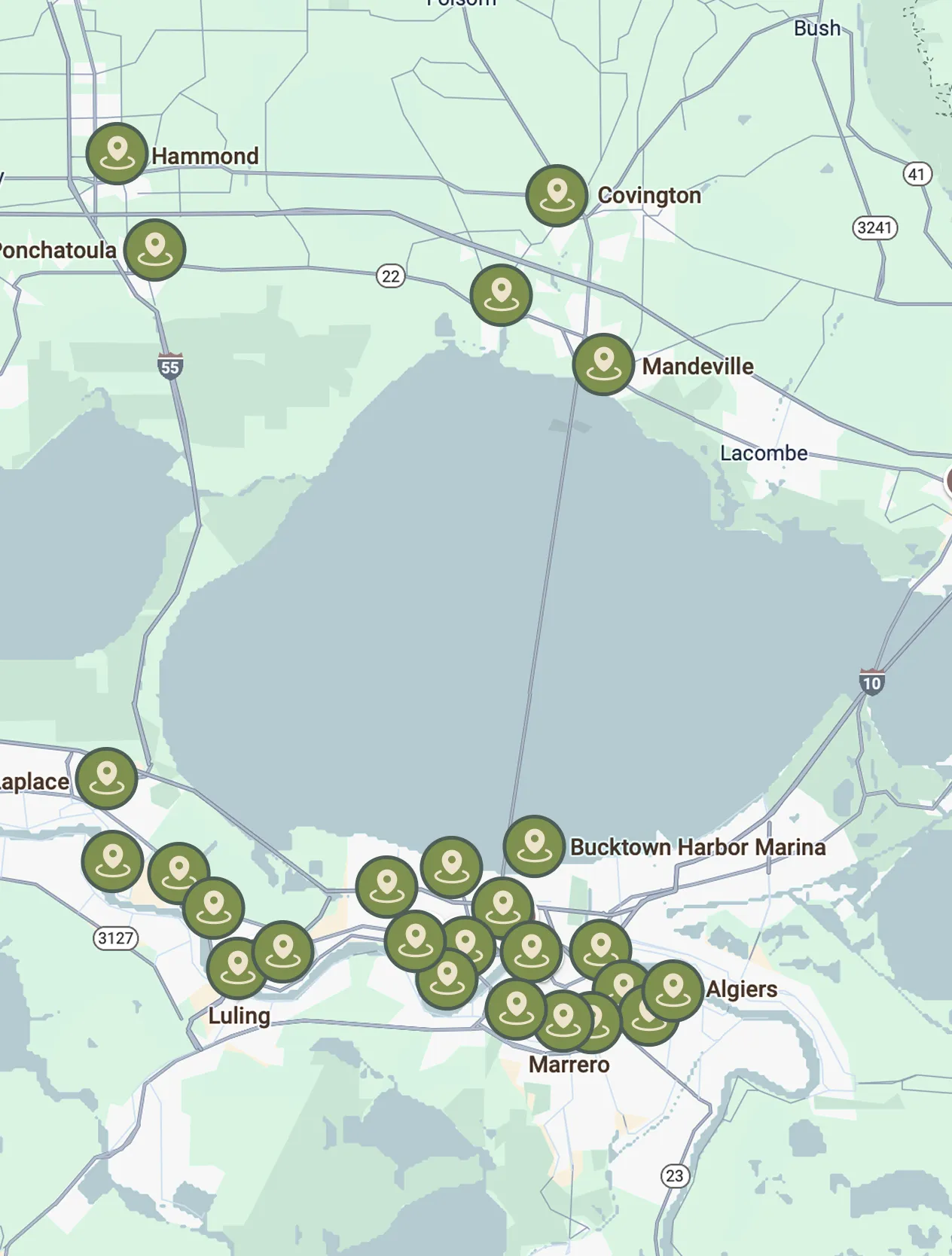
Our service areas are designed to meet the diverse needs of our clients. We focus on providing exceptional service and ensuring customer satisfaction in every location we operate.