Garage Heating & Air Conditioning in Elmwood, LA
.webp)
Cypress Cooling delivers garage heating and air conditioning solutions built specifically for homes and businesses in Elmwood, LA. Garages aren’t like standard living spaces – they typically lack full insulation, have large door openings, and experience intense heat and humidity in the Gulf Coast region. Because of that, traditional HVAC setups often need custom design adjustments to work effectively. Our team provides tailored recommendations on system selection, proper sizing, insulation and ventilation, retrofitting and installation, code compliant safety measures, energy efficiency improvements, and long term maintenance. With local expertise and solutions engineered for real conditions in Elmwood, Cypress Cooling ensures your garage stays protected, comfortable, and fully functional year round.
%2520(8)-min.jpeg)
Garage Heating & Air Conditioning in Elmwood, LA
Cypress Cooling Company provides specialized garage heating and air conditioning solutions designed for Elmwood, LA homes and businesses. Garages are distinct from living spaces: they are often unconditioned or partially conditioned, have large door openings, and face high humidity and heat in the Gulf Coast climate. That means standard residential HVAC setups may not perform well without modification. This page explains practical system options, sizing guidance, insulation and ventilation strategies, installation and retrofit steps, code and safety requirements, efficiency recommendations, and maintenance plans tailored to Elmwood conditions.
Why garage HVAC matters in Elmwood, LA
Elmwood experiences long, hot, humid summers and mild winters, creating two main problems for garages: excessive heat and persistent moisture. High humidity accelerates corrosion on tools and vehicles, encourages mold and mildew on stored materials, and reduces comfort for anyone working in the space. Cold snaps are brief but can still make the garage uncomfortable and affect sensitive items. Adding proper heating and air conditioning to a garage protects equipment and increases usable year-round space for workshops, hobby areas, or conditioned storage.
Cypress Cooling Company recommends solutions that address both temperature and moisture control while respecting local building codes and typical Elmwood home construction.
Common garage HVAC issues in Elmwood
- High humidity causing corrosion, musty odors, and mold growth
- Overheating in summer leading to warped finishes and fading of stored items
- Insufficient heating during occasional winter cold fronts
- Poor indoor air quality when attaching garage to home without proper zoning or backflow protection
- Condensation and water pooling around condensate lines during heavy rains
- Improperly sized equipment leading to short cycling, high energy use, or inadequate dehumidification
- Electrical limitations for additional systems in older garages
Garage HVAC system options
Choosing the right system depends on garage size, desired comfort level, whether the garage is attached, and budget considerations. Here are the common options Cypress Cooling Company installs and supports in Elmwood:
- Ductless mini splits
- Best for conditioning individual garages without ductwork.
- Provide cooling, heating (heat pump models), and excellent dehumidification.
- Wall mounted indoor units minimize floor space use; multi zone heads can condition adjacent rooms or workshops.
- Variable speed inverter compressors improve efficiency and reduce cycling in Louisiana humidity.
- Compact packaged units
- Self contained units that can be roof mounted or placed outside with short duct runs.
- Good for larger garages or where an integrated unit is preferred.
- Can be configured for both electric heat and heat pump operation.
- Through the wall packaged systems
- Wall mounted boxes that fit through a framed opening.
- Useful for garages where outdoor space for a condenser is limited.
- Space heaters and supplemental heating
- Electric baseboard or wall heaters suitable for occasional winter use.
- Gas fired unit heaters provide quick, powerful heat, but require gas line checks and venting compliance.
- Infrared heaters can be effective for workshop areas where focused heat is required.
- Ducted mini duct systems
- Small ductwork systems for garages that need multiple supply points or a neater aesthetic.
- Require more space for ducts but can match the home’s thermostat control strategy.
Proper sizing for unconditioned or partially conditioned spaces
Correct sizing is critical. In Elmwood, humidity load often drives cooling requirements as much as temperature. Cypress Cooling Company follows these principles:
- Conduct a load calculation for the garage considering:
- Square footage and ceiling height (many garages have vaulted or tall ceilings)
- Type and area of garage door(s)
- Wall and roof insulation R values
- Number and size of windows or penetrations
- Heat generating equipment or lighting in the garage
- Frequency of door openings and usage patterns
- Local design temperatures and humidity levels
- For unconditioned spaces, allow for higher sensible and latent loads. Equipment should be sized to remove both heat and excess moisture. Oversizing to compensate for door openings is tempting but can lead to short cycling and poor dehumidification, so proper calculation is preferred over rule of thumb sizing.
- For partially conditioned or attached garages, consider zoning and airtight separation from conditioned living spaces to prevent pollutant transfer and maintain home energy performance.
Insulation and ventilation considerations
Insulation and ventilation are as important as the HVAC unit itself in Elmwood’s climate.
- Insulation
- Insulate garage walls and ceiling to limit thermal transfer; typical recommendations include R 13 to R 19 for walls and R 30 or greater for attic spaces above the garage when feasible.
- Insulate garage doors using factory kits or insulated door panels to reduce heat gain and condensation on metal doors.
- Seal gaps around windows, doors, and penetrations to prevent humid outdoor air infiltration.
- Vapor and moisture control
- Install a continuous air barrier or vapor retarder on exterior walls where appropriate.
- Use moisture resistant drywall or panels in areas prone to condensation.
- Ensure stored items are not in direct contact with exterior walls or floors that can wick moisture.
- Ventilation
- Provide controlled ventilation when needed to reduce vehicle exhaust buildup; mechanical ventilation should be interlocked with HVAC when garages are attached.
- Ensure proper ventilation for gas appliances and space heaters; venting must meet code to prevent carbon monoxide hazards.
- Consider energy recovery ventilation in high use workshop garages where indoor air quality is a priority.
Installation and retrofit processes
Whether building new or retrofitting, the process should be planned around the garage’s structural and electrical constraints.
- Assessment
- Cypress Cooling Company begins with a site assessment documenting dimensions, insulation, door types, electrical capacity, and preferred system placement.
- Load calculations are performed to determine equipment size, refrigerant piping lengths, and condensate routing.
- Permits and code checks
- Obtain necessary permits from Jefferson Parish or applicable local jurisdiction. Permit timelines can vary based on workload and project scope.
- Verify gas line sizing and routing if using a gas unit heater.
- Ensure electrical panels can support additional loads; upgrades are coordinated with licensed electricians as required.
- Ductwork or wall mounted installs
- For ducted solutions, design short, insulated runs with minimal bends. Use sealed, insulated ducts to reduce energy loss.
- For ductless mini splits, wall mounted indoor units are placed for optimal airflow, and the outdoor compressor is located on a vibration isolated pad. Refrigerant lines are routed through a small 3 inch to 4 inch core or wall penetration sealed to prevent air exchange.
- Condensate management: gravity drains preferred where possible. When gravity is not available, a condensate pump or condensate switch with overflow protection is installed. Drain lines must be routed to approved discharge points to avoid indoor water damage and code violations.
- Weatherproofing and finishes
- Seal all penetrations and flash exterior terminations to prevent rain intrusion.
- Protect outdoor units from storm surge or water pooling in low lying Elmwood areas by elevating condensers when necessary.
- Typical installation timeline
- Site assessment and load calculation: 1 to 2 hours on site.
- Permit processing: usually 1 to 2 weeks, variable by parish.
- Installation of a standard ductless mini split: typically 1 day for a single zone system.
- Packaged unit or ducted retrofit: 1 to 3 days depending on ductwork and electrical upgrades.
- Complex retrofits involving panel upgrades, gas line work, or structural modifications: 3 to 5 days or longer depending on coordination and inspections.
Code and safety requirements
Safety and code compliance are essential, especially for garages that often house vehicles and fuel storage.
- Venting and combustion air
- Gas fired combustion appliances require proper venting and combustion air supply. Closed garages attached to living spaces may need direct vent sealed combustion or power vented units to prevent spillage of combustion products.
- Appliances must meet National Fuel Gas Code and local amendments; Cypress Cooling Company ensures installations follow Jefferson Parish and state code requirements.
- Gas line checks
- Any gas line connection must be pressure tested and installed by a licensed technician. Flexible gas connectors, shutoff valves, and seismic restraints are used where applicable.
- Condensate handling
- Condensate must be routed to approved drains or outdoors in a manner that does not create nuisance or hazard. Condensate pumps should have safety switches to prevent overflow and property damage.
- Electrical safety
- Dedicated circuits, proper disconnects, and breaker sizing are required for HVAC equipment. Ground fault protection may be necessary for outdoor receptacles and equipment in wet locations.
- Carbon monoxide and fire separation
- Attached garages require proper fire separation and sealing to protect living spaces from vehicle fumes and carbon monoxide. Detectors and barriers should be considered as part of an overall safety plan.
Energy efficiency recommendations
In Elmwood’s climate, efficient cooling with strong dehumidification is a priority.
- Choose heat pump mini splits with high SEER ratings and good HSPF values for efficient year round comfort. Heat pumps perform well in mild Louisiana winters and eliminate the need for separate electric resistance heat in many cases.
- Variable speed compressors and inverter technology reduce cycling and maintain lower humidity.
- Properly sized equipment that avoids short cycling will improve comfort and reduce energy use.
- Use programmable or smart thermostats for garage zones to avoid conditioning an unused space continuously. Setbacks and scheduling can greatly reduce runtime.
- Improve the building envelope: better insulation and sealed doors reduce load and improve system performance.
- Consider LED task lighting and efficient tools; they produce less heat and reduce cooling load.
Maintenance and repair plans
Regular maintenance extends equipment life and preserves performance in a humid environment like Elmwood.
- Recommended maintenance tasks
- Twice yearly tune ups: spring for cooling season and fall for heating checks.
- Clean or replace filters regularly; mini split filters should be cleaned monthly during heavy use.
- Check and clean outdoor unit coils and clear vegetation.
- Inspect condensate drains and pumps; flush and verify proper flow to prevent backups.
- Verify refrigerant charge and look for leaks; low refrigerant reduces dehumidification and increases wear.
- Test safety controls, thermostats, and electrical connections.
- For gas fired equipment, perform leak checks and combustion analysis annually.
- Repair considerations in Elmwood
- Humidity accelerates corrosion on coils and electrical contacts; expect more frequent coil cleanings and protective coatings for sensitive components.
- Storm related power surges and flooding can damage equipment; plan for surge protection and elevate outdoor condensers in flood prone locations.
- Emergency repairs after severe weather require inspection for refrigerant leaks, water intrusion, and electrical damage.
- Service plans and warranties
- Manufacturer warranties cover parts and compressors for specified periods; extended warranty plans are available for longer term protection.
- Service agreements often include scheduled maintenance, priority scheduling during peak seasons, and diagnostic labor discounts. These plans help maintain peak efficiency and reduce unexpected failures.
Typical problems and how they are solved
- Short cycling or inadequate cooling
- Diagnose oversizing, refrigerant charge, airflow restrictions, or thermostat placement. Correct with proper sizing, refrigerant recharge, and improving airflow.
- Excess condensation or water in the garage
- Ensure proper condensate routing, inspect and service traps, and improve insulation or vapor barriers to reduce thermal bridging.
- High humidity despite cooling
- Verify system dehumidification capacity, inspect for oversized equipment, and evaluate ventilation strategy. Add dehumidification or use a heat pump with better latent capacity if needed.
- Noisy operation or vibration
- Check mounting pads, secure refrigerant lines, and use vibration isolation. For wall mounted units, verify proper bracketing and structural reinforcement.
Why choose a specialized garage HVAC approach
Garages are unique; treating them like typical rooms can create problems. Cypress Cooling Company structures solutions around how the space is used, whether for a workshop, storage, or conditioned living conversion. Addressing insulation, ventilation, sizing, and safety together yields a durable, efficient installation that performs well in Elmwood’s humidity and seasonal weather patterns.
Final thoughts on upkeep and long term performance
Maintaining garage HVAC performance in Elmwood requires attention to moisture control, routine service, and proper system selection. Investing in a well sized mini split or packaged unit combined with improved insulation and proper condensate management will protect tools, vehicles, and stored items, and will turn the garage into a comfortable workspace year round. Manufacturer warranties and service plans provide additional protection and predictability for long term ownership.
Cypress Cooling Company brings local experience working with Elmwood properties to design systems that meet code requirements, manage humidity, and provide reliable comfort in Gulf Coast conditions.
Frequently Asked Questions
Q: How do I determine whether a mini split or a packaged unit is better for my Elmwood garage?
A: A mini split is ideal if you have no ductwork, want efficient dehumidification, and need zoning. Packaged units work well for larger garages or when you prefer a single, self contained unit. A site assessment and load calculation will determine the best choice.
Q: Can a garage be converted to conditioned space without expensive ductwork?
A: Yes. Ductless mini splits are a common retrofit solution that avoid major ductwork, reduce installation time, and provide both heating and cooling with strong dehumidification.
Q: What insulation levels should I use for a garage in Elmwood, LA?
A: Aim for R 13 to R 19 in walls and R 30 or higher in attic spaces above the garage when possible. Insulated garage doors and sealed penetrations are also important for reducing heat gain and moisture issues.
Q: How should condensate be handled in a garage installation?
A: If gravity drainage is possible, route condensate to an approved drain. If not, install a condensate pump with an overflow switch. All condensate discharge must comply with local code and not create exterior runoff problems.
Q: Are heat pump mini splits effective during Elmwood winters?
A: Yes. Elmwood winters are mild, and modern heat pump mini splits perform efficiently for heating. They offer both heating and cooling without a separate furnace in many cases.
Q: What safety checks are required for gas fired garage heaters?
A: Gas fired heaters require proper venting, combustion air supply, pressure testing of gas lines, and compliance with local codes. A licensed technician should perform installation and annual inspections.
Q: How often should I schedule maintenance for my garage HVAC system?
A: Schedule at least two maintenance visits per year: one before cooling season and one before heating season. High humidity areas may benefit from more frequent inspections of coils and condensate components.
Q: Will garage HVAC affect my home energy bills significantly?
A: Properly sized equipment and good insulation minimize energy impact. Using zoning, scheduling, and efficient equipment can keep costs reasonable. Avoid oversizing equipment which reduces dehumidification and increases running time.
Q: Do I need permits for a garage HVAC install in Elmwood?
A: Yes. Most HVAC installations require permits and inspections from the local jurisdiction. Permit timelines can vary, and Cypress Cooling Company coordinates permit acquisition and inspection scheduling as part of the installation process.
Q: What warranty and financing options are available?
A: Manufacturer warranties cover parts and compressors for set periods, and extended warranty plans are available for longer protection. Financing programs may be accessible through participating providers to help manage upfront costs.
OUR CLIENTS HAVE TO SAY ABOUT US



Service areas
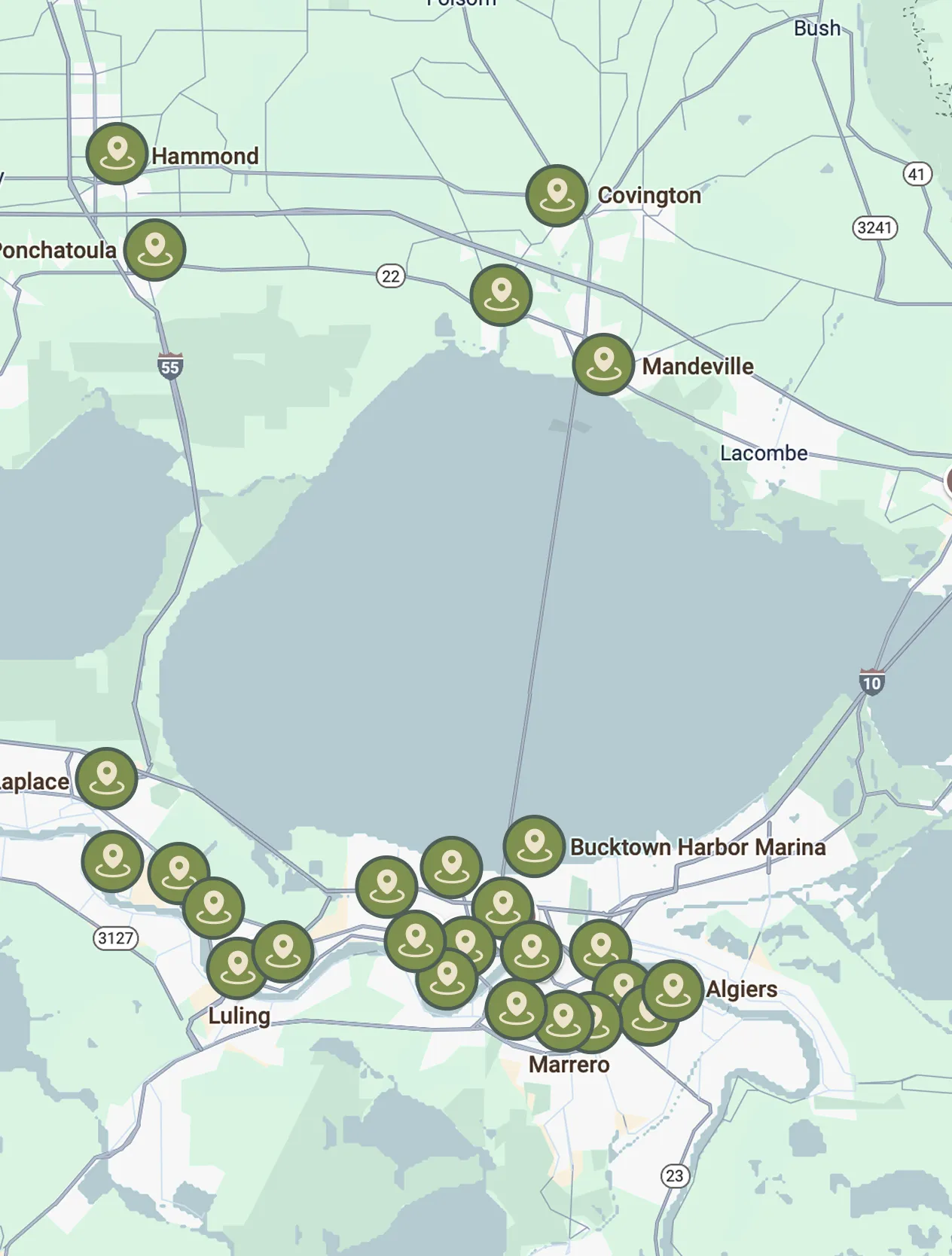
Our service areas are designed to meet the diverse needs of our clients. We focus on providing exceptional service and ensuring customer satisfaction in every location we operate.