Garage Heating & Air Conditioning in Luling, LA
.webp)
Creating a comfortable, safe, and energyefficient garage in Luling, LA, requires solutions tailored to our local climate and how you use the space. Garages here often serve as workshops, hobby areas, or even extended living spaces. The humid summers and mild, damp winters create unique heating and cooling challenges. Cypress Cooling specializes in garage heating and air conditioning designed specifically for Luling homes and businesses. We provide expert system selection, proper sizing, installation, insulation and ventilation improvements, thermostat and zoning options, and comprehensive maintenance and repair services – all while ensuring code compliance and safety. Our goal is to keep your garage comfortable, functional, and protected yearround.
.jpeg)
Garage Heating & Air Conditioning in Luling, LA
Creating a comfortable, safe, and energy efficient garage in Luling, LA requires systems and service tailored to the unique climate and usage patterns of the area. Cypress Cooling Company specializes in garage heating and air conditioning that addresses humid summers, mild but damp winters, and garages that function as workshops, hobby spaces, or extended living areas. This page explains the best system types, sizing and load considerations, installation steps and timelines, ventilation and insulation best practices, thermostat and zoning options, safety and code compliance, and maintenance and repair priorities specific to Luling homes and businesses.
Why garage HVAC matters in Luling, LA
Garages in Luling are exposed to hot, humid summers that accelerate corrosion and mold, and to frequent temperature swings during transitional seasons. Many homeowners convert garages to workshops, home gyms, or flex living spaces, which increases occupancy, equipment heat loads, and the need for reliable climate control. A properly sized heating and cooling solution reduces humidity, prevents condensation on tools and car parts, protects stored items, and creates a comfortable workspace year round.
Common garage heating and air conditioning issues in Luling, LA
- Poor temperature control when a garage is used as a workshop, especially in summer when high humidity reduces comfort even at moderate temperatures.
- Condensation and mold resulting from inadequate dehumidification and insulation.
- Inadequate capacity from window units or small portable heaters that cannot handle heat gains from doors opening frequently.
- Safety risks from improper installation of gas heaters or insufficient ventilation for combustion appliances.
- Energy waste from heating or cooling unconditioned space without proper zoning or thermostatic control.
- Corrosion and equipment deterioration from salty air and high humidity near the Gulf coast region.
Recommended system types for garages
Selecting the right system depends on garage size, insulation, whether the space is attached to the house, and how the space is used. Typical options include:
- Ductless mini splits
- Ideal for garages converted to conditioned living or workspaces.
- Provide both cooling and heating with high efficiency and built in zoning capabilities.
- Dehumidification is effective, which is important in Luling’s humid summers.
- Minimal ductwork keeps installation less invasive.
- Wall mounted electric or gas heaters
- Wall mounted electric heaters are simple to install and suitable for well insulated single car garages or occasional use.
- Gas fired wall heaters offer quick warm up and are cost effective for spaces with frequent cold morning starts; they require proper combustion air and venting per code.
- Best for garages used intermittently or where full cooling is not required.
- Packaged rooftop or through the wall units
- Good for larger or commercial garages where central ductwork is impractical.
- Available in combined heating and cooling configurations.
- Require careful placement to avoid water and salt exposure in coastal adjacent regions.
- Mini duct or small duct systems
- Useful when a less visible solution is desired and modest ducting is possible.
- Can be tied into existing home systems if zoning and load allow.
Sizing and load calculations: why one size fits all does not work
Accurate sizing is critical. Oversized systems cycle frequently, reducing dehumidification and shortening equipment life. Undersized systems run constantly and fail to maintain comfort. For garage HVAC, a professional load calculation should consider:
- Square footage and ceiling height
- Insulation levels in walls and overhead doors
- Number and frequency of door openings
- Solar heat gain from unshaded garage doors or windows
- Internal heat sources: vehicles, power tools, compressors, and occupants
- Local climate factors: Luling’s hot, humid summers and occasional temperature drops in winter
- Air leakage and ventilation requirements
- Desired temperature and humidity setpoints
Typical capacity ranges (general examples only)
- Single car, well insulated garage (up to 300 sq ft): 9,000 to 12,000 BTU cooling or 1 to 1.5 ton mini split
- Two car garage (400 to 600 sq ft): 1.5 to 2.5 ton cooling, depending on insulation and use
- Converted garage workshop with heavy equipment: higher capacity to offset internal heat sources and frequent door openings
A professional Manual J style calculation is recommended to determine exact capacity and system selection.
Installation steps and timelines
Installation varies by system type, site conditions, and permitting. Typical steps include:
- Initial assessment and measurement
- Inspect insulation, doors, windows, electrical panel capacity, and intended use.
- Conduct load calculations and review ventilation needs.
- System selection and equipment preparation
- Choose mini split heads, compressor location, or wall heater type.
- Confirm electrical service, breakers, and gas line capacity if needed.
- Permitting and code check
- Obtain local permits and schedule inspections as required by St. Charles Parish and Luling building officials.
- Site preparation
- Prepare mounting locations, reinforce walls or roof if needed, and run conduit or refrigerant lines.
- Installation
- Ductless mini splits: indoor unit mounting, outdoor compressor setting, refrigerant lineset, electrical hookup, vacuum and recharge, condensate drain.
- Wall heaters: secure mounting, gas line hookup and leak testing for gas heaters, electrical connection for controls.
- Packaged units: curb or wall sleeve installation, ventilation connections, and condensate handling.
- Commissioning and testing
- Verify refrigerant charge, airflow, thermostat calibration, and proper drainage.
- Walkthrough of system operation and maintenance needs.
Typical timelines
- Simple electric wall heater: 1 day
- Ductless mini split for single garage: 1 to 2 days
- Packaged or more complex multi zone systems: 2 to 4 days, depending on permits and site work
Permit approval times vary by jurisdiction. Plan for local inspection scheduling when estimating total project duration.
Ventilation and insulation best practices for Luling garages
In Luling’s climate, controlling humidity is as important as temperature control.
Insulation and air sealing
- Insulate garage doors with rated door insulation kits or replace doors with insulated models.
- Insulate walls and overhead ceilings to at least R values recommended for the region; a conditioned attic above an attached garage should be insulated and sealed.
- Seal gaps around windows, doors, and where utilities penetrate walls to reduce air infiltration.
Ventilation and dehumidification
- Provide adequate ventilation for combustion appliances and to control pollutant buildup.
- Consider a dedicated dehumidifier or a mini split with strong dehumidification performance for garages used year round.
- Install passive or powered ventilation if the garage stores chemicals, paints, or gasoline; follow safe storage guidelines.
- Use exhaust ventilation when doing dust producing or fume producing activities; capture at source where possible.
Condensate management
- Ensure condensate drains slope properly and are routed to approved disposal points.
- Protect outdoor condensate lines from freezing in rare cold snaps to avoid backups.
Moisture control
- Address any slab moisture by using vapor barriers and proper grading to direct water away from foundations, especially important in coastal adjacent zones where the water table can be higher.
Thermostat and zoning options
Effective control reduces operating cost and improves comfort.
- Dedicated controls
- Treat the garage as a separate zone with its own thermostat to avoid conditioning the entire home when only the garage needs comfort.
- Smart thermostats and wi fi enabled mini splits
- Allow remote control and scheduling to avoid conditioning an empty garage.
- Provide temperature alerts that are useful if sensitive equipment or vehicles are stored.
- Multi zone mini splits
- Allow different temperature setpoints for attached garage versus house, or for different garage zones (workshop vs storage).
- Simple on/off thermostats for heaters
- Suitable for basic electric or gas heaters in less frequently used garages.
Consider thermostats with humidity sensing in Luling to prioritize dehumidification.
Safety and code compliance
Safety is a top priority for garage HVAC installations.
Combustion appliance safety
- Gas fired heaters require provision of combustion air and proper venting. Combustion air requirements must meet local and national codes.
- Carbon monoxide detectors should be installed when combustion appliances are used in attached structures.
Electrical and mechanical codes
- Electrical panel capacity and breaker sizing must comply with National Electrical Code requirements and local amendments. Upgrades to service may be necessary.
- Installations must meet local building codes, including required permits and inspections.
Storage and flammable materials
- If the garage stores gasoline, solvents, or other flammable materials, heating and electrical equipment must be located and installed to minimize ignition risk. Explosion proof or sealed equipment may be required in high risk situations.
Condensation and mold prevention
- Ensure HVAC choices address humidity to reduce mold and mildew risk in Luling’s humid climate.
Documentation and inspections
- Keep installation documentation and make sure final inspections are completed per St. Charles Parish and Luling requirements to verify code compliance.
Routine maintenance and repair services
Regular maintenance preserves comfort, efficiency, and equipment life.
Typical maintenance tasks
- Replace or clean filters every 1 to 3 months, depending on use and dust levels from workshop activities.
- Clean indoor and outdoor coils annually to maintain heat transfer efficiency.
- Check and clear condensate drains to prevent overflows and mold growth.
- Verify refrigerant charge and repair leaks if necessary.
- Inspect gas valves, pilot assemblies, and flues for gas heaters to ensure safe operation.
- Lubricate motors and check belt tension where applicable.
- Test thermostat accuracy and sensors.
Recommended frequency
- Seasonal tune up at least once per year; for systems that also dehumidify or for garages used extensively as workshops, consider semiannual checks.
- Immediate service if you observe reduced airflow, unusual noises, frequent cycling, or elevated humidity.
Common repairs and signs you need them
- Inadequate cooling or heating: likely refrigerant issues, airflow restriction, or incorrect sizing for the load.
- Excessive cycling: oversized equipment or thermostat issues.
- Standing water or leaks: clogged condensate drain or improper condensate routing.
- Strange odors or smoke: immediate inspection required, especially with gas appliances.
Repair response and parts
- When equipment is older or repair frequency increases, a replacement analysis may show more long term value in a newer, more efficient system.
Financing and promotions
Cypress Cooling Company understands that garage HVAC projects are investments in comfort and property value. Financing options are commonly available through industry standard third party programs, allowing homeowners to spread the cost over time with predictable monthly payments. Promotions (seasonal discounts, rebates, or manufacturer incentives) may be offered periodically and can lower upfront costs or improve equipment selection.
Eligibility and terms vary by program and credit profile. Typical elements include:
- Deferred interest plans or fixed term loans through lending partners
- Manufacturer rebates for high efficiency equipment
- Local utility rebates in some cases for energy efficient installations
- Documentation of rebate requirements such as professional installation and post installation efficiency verification
Free estimate and proposal process (what to expect)
Cypress Cooling Company provides a structured, professional estimate process that gives clear options and scope without pressure. The typical process includes:
- Pre visit information collection
- Discuss the intended use of the garage, current insulation, and any known electrical or gas constraints.
- On site assessment
- Measure the garage space, inspect insulation, doors, and windows, and identify any ventilation or code issues.
- Conduct load calculations and discuss system types appropriate for the space.
- Written proposal
- Provide detailed options with equipment specifications, estimated timelines, and a clear scope of work including permits and inspections.
- Review of warranties and maintenance plans
- Outline manufacturer equipment warranties and recommended maintenance to preserve coverage.
This approach ensures homeowners in Luling understand system options, energy implications, and long term ownership responsibilities before committing to a project.
Long term benefits of a professionally designed garage HVAC system
- Improved comfort and usability of the garage year round, even in Luling’s humid summers.
- Reduced humidity and condensation that protect tools, vehicles, and stored items from corrosion.
- Energy savings by using properly sized and zoned equipment rather than oversizing or continuously conditioning an unzoned space.
- Enhanced indoor air quality when ventilation and filtration are incorporated.
- Increased property value and usability for future buyers who may value a conditioned garage or converted living space.
Why Cypress Cooling Company for garage HVAC in Luling, LA
Cypress Cooling Company brings local expertise and practical experience working in Louisiana’s challenging climate. Technicians understand how humidity, coastal influence, and regional building practices affect system performance and long term durability. Working with local codes and inspection processes, Cypress Cooling Company designs systems that balance efficiency, safety, and comfort for garages used as workshops, storage, or additional living space.
- Local knowledge: Familiarity with Luling and St. Charles Parish climate challenges and code requirements.
- Comprehensive service: From load calculations and equipment selection to permitting, installation, and maintenance.
- Emphasis on humidity control: Equipment recommendations and ventilation strategies tailored to reduce mold and corrosion risk.
- Safety first approach: Proper combustion air, ventilation, and electrical compliance for safe operation in garages that store chemicals or vehicles.
- Maintenance focused: Service plans and maintenance recommendations that extend equipment life and preserve energy efficiency.
Q What is the best HVAC option for a garage that is used as a home gym and workshop?
A A multi zone ductless mini split often provides the best balance of heating, cooling, and dehumidification for active use spaces. It offers precise temperature control, good dehumidification, and minimal installation impact. Proper insulation and a dedicated thermostat are also important.
Q Can I use a portable heater or window AC unit instead of installing a permanent system?
A Portable equipment can work for occasional use but is generally inefficient for year round comfort. Portable units often struggle with humidity control and can lead to high energy use. A permanently installed system, sized correctly and with proper ventilation, is a better long term solution for frequent use.
Q Do I need a permit to install a garage heater or mini split in Luling, LA?
A Most mechanical and electrical installations require permits and inspections to ensure compliance with local building and electrical codes. Permit requirements vary by scope of work, so a pre installation review is advisable. Licensed professionals can manage permit submissions and coordinate inspections.
Q Are gas heaters safe in garages where paints or gasoline are stored?
A Combustion heaters require proper clearances, ventilation, and installation per code. Storage of flammable materials increases risk and may necessitate locating equipment away from storage or using sealed electric heating options. Evaluate flammable storage practices and choose equipment that minimizes ignition risk.
Q How often should I schedule maintenance for my garage HVAC system?
A At minimum, schedule a seasonal service annually. For garages used intensively as workshops or in very humid environments like Luling, consider semiannual checks. Regular filter changes, coil cleaning, and condensate maintenance are critical to efficient operation.
Q Will a mini split control humidity effectively in Luling’s climate?
A Yes, high quality mini splits provide strong dehumidification when properly sized and installed. Maintaining comfort in Luling often depends on managing humidity as much as temperature, so system selection should prioritize dehumidification performance.
OUR CLIENTS HAVE TO SAY ABOUT US



Service areas
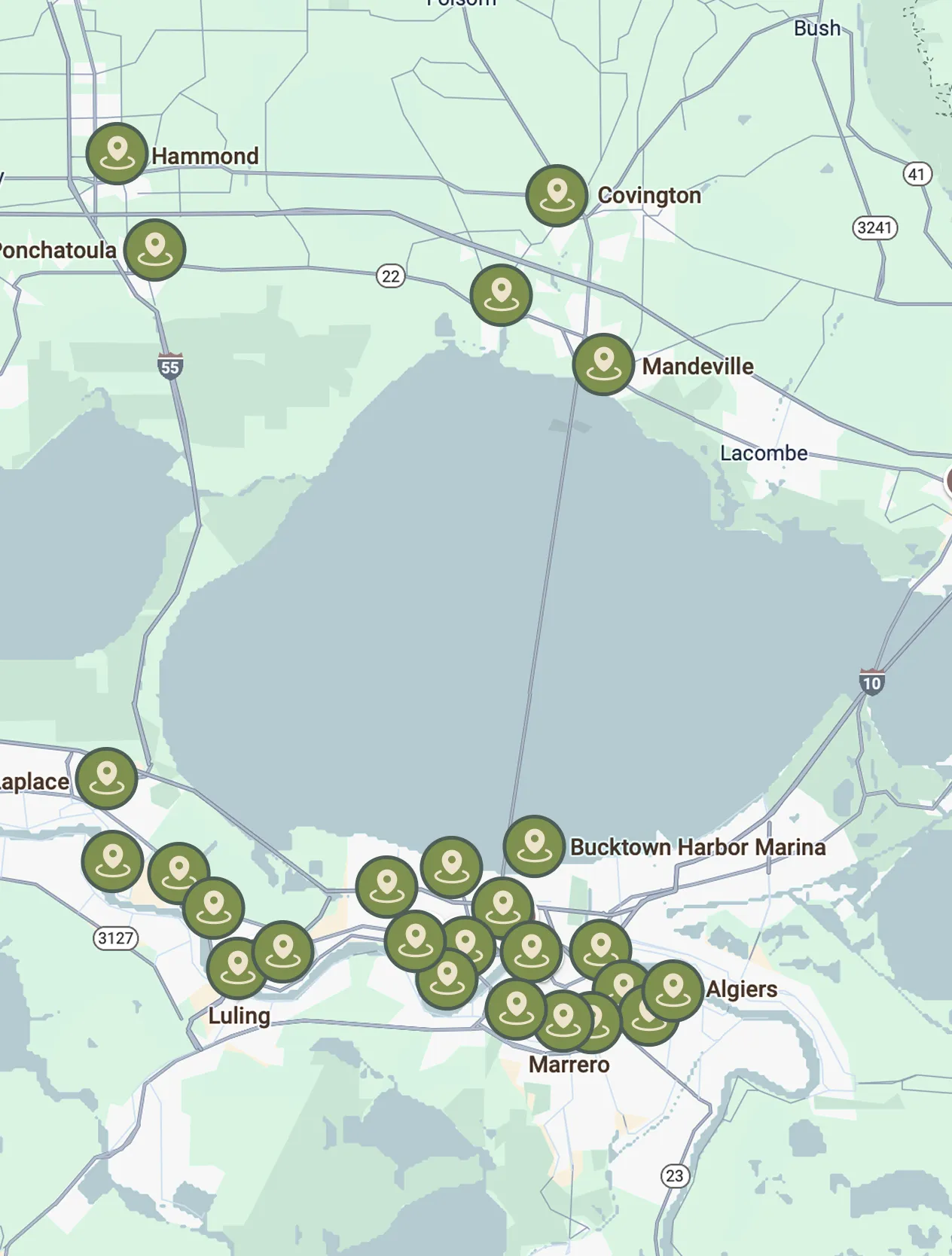
Our service areas are designed to meet the diverse needs of our clients. We focus on providing exceptional service and ensuring customer satisfaction in every location we operate.