AC Replacement in Laplace, LA
.webp)
Replacing your entire AC system in Laplace, LA, with Cypress Cooling can bring enhanced comfort, reliability, and significant energy savings. We ensure proper sizing, modern efficiency, and a meticulous installation process. From professional load calculations using Manual J to selecting energyefficient models and managing humidity levels, we handle every detail. We'll provide you with expected timelines, warranty information, financing options, and maintenance tips to maximize the lifespan of your new system. We'll help you understand when a replacement is necessary, how to compare different equipment options, and what to expect during the installation process for optimal performance in our local climate.
Air Conditioning Replacement in Laplace, LA
Replacing a full air conditioning system is one of the smartest investments for comfort, reliability, and lower utility bills—especially in Laplace, LA, where hot, humid summers and storm exposure put extra strain on HVAC equipment. This page explains what a professional full-system replacement includes: how homes are assessed and units sized, how to compare energy-efficient models, the benefits of upgrading, what to expect during installation, and practical guidance for choosing equipment that will perform well in the local climate.
Why replace your system now? Common signs full replacement is the better option
If your home in Laplace is showing persistent cooling problems, repairs may only be a temporary fix. Consider full replacement when you notice:
- Frequent breakdowns or repeated compressor failures
- Rising monthly cooling costs despite maintenance
- Uneven temperatures and weak airflow even after ductwork checks
- Refrigerant leaks in older R-22 systems or systems with parts no longer available
- System age (typically 10–15+ years) and declining efficiency
Replacing the system restores consistent comfort, reduces emergency repairs during heat waves, and often lowers energy use.
Home load assessment and proper unit sizing
A reliable replacement begins with a professional load calculation (Manual J). This measures:
- Square footage, ceiling heights, insulation, window types and orientation
- Air infiltration, local shading and roof color
- Number of occupants and major heat sources (kitchen, appliances)
Load calculations prevent undersizing (poor comfort) or oversizing (short cycles, humidity issues). In Laplace’s humid climate, correct sizing plus equipment that manages latent load (moisture removal) is crucial.
Comparing energy-efficient models: what to look for
When evaluating equipment, focus on features that matter in South Louisiana:
- SEER rating: Higher SEER equals better seasonal efficiency. Replacing an older low-SEER unit with a high-SEER model commonly yields substantial energy savings.
- Variable-speed or two-stage compressors: Provide smoother temperature control, quieter operation, and better dehumidification than single-stage units.
- Heat pumps vs. traditional split systems: Modern heat pumps can be efficient year-round and may qualify for incentives; consider local winter low temp impacts and model performance.
- Corrosion resistance: Coastal and river-adjacent homes benefit from units with coated coils and corrosion-resistant components to withstand salt air and humidity.
- Matching indoor components: Ensure new outdoor units are properly matched to indoor coils and air handlers to preserve efficiency and warranty coverage.
Benefits of upgrading (efficiency, reliability, and incentives)
Upgrading delivers multiple advantages for Laplace homeowners:
- Lower energy bills: Replacing an aging system improves efficiency and can reduce cooling costs, particularly when paired with a correctly sized unit.
- Improved comfort and humidity control: New technology better removes indoor moisture and maintains stable temperatures.
- Increased reliability: New equipment reduces the frequency of emergency repairs during peak heat.
- Potential rebates and incentives: Many utilities and government programs offer rebates or tax incentives for high-efficiency systems or qualifying heat pumps. Local utility rebate availability and federal tax credits can change, so review current programs when planning a replacement.
- Longer warranty coverage: New systems typically come with manufacturer warranties that can add peace of mind.
Replacement timeline and what to expect during installation
A full-system replacement is a coordinated project. Typical steps and timeframes:
- Pre-install assessment (1 visit): Load calculation, duct inspection, and selection of equipment and accessories.
- Scheduling and permitting (if required): Many residential replacements proceed quickly, but local permits or HOA approvals can add time.
- Installation day(s): Most residential replacements are completed in one day for straight swaps. Complex jobs—duct modifications, electrical upgrades, or adding a new air handler—may take 1–2 days.
- Start-up and testing: Technicians verify refrigerant charge, airflow, thermostat calibration, and system performance. They’ll show homeowner basic operation and maintenance points.
- Final inspection and paperwork: Warranty registration and any required code inspections are completed.
Homeowners should expect a clear staging area, protective measures inside the home, and removal of old equipment or an option for proper recycling/disposal.
Warranty and financing options explained
- Warranties: Look for manufacturer parts warranties and available extended labor warranties. Confirm what is covered, for how long, and whether warranties are transferable if you sell the home. Registration requirements and professional installation by certified technicians often affect warranty validity.
- Financing: Many homeowners finance HVAC replacements to spread the cost. Typical options include fixed-term loans, low- or no-interest promotional plans, and flexible payment programs that cover equipment and installation. Review terms, total interest, and whether financing includes a service plan.
Choosing the right equipment for Laplace homes
Key considerations for Laplace:
- Prioritize moisture control: Variable-speed compressors and dedicated dehumidification options help keep indoor humidity comfortable without excessive cooling.
- Corrosion protection: Choose outdoor units with protective coatings and durable components to resist salt and humidity.
- Ductwork condition: Older or leaky ducts undermine any new system’s efficiency—budget for repairs or sealing if needed.
- Sound levels: Neighborhood proximity and open yards make quieter units desirable. Look for lower decibel ratings.
- Smart controls and zoning: Smart thermostats and zoning revamp comfort control and can lower energy use in homes with varied occupancy patterns.
Maintenance and post-installation tips for longevity
To keep a new system operating efficiently:
- Schedule seasonal tune-ups to check refrigerant, coils, electrical connections, and airflow.
- Replace or clean filters regularly—frequency depends on filter type and household conditions.
- Keep the outdoor unit clear of debris, plants, and standing water after storms.
- Ensure condensate drains are clear; high humidity increases drain importance.
- Maintain records of service and warranty registrations.
Replacing an entire air conditioning system is a big decision, but for Laplace homeowners facing humidity, heat, and coastal exposure, the right new system provides measurable comfort, reliability, and energy savings. A professional load assessment, attention to corrosion resistance and dehumidification, and careful review of warranties and financing options will ensure the replacement meets local needs and performs well for years.
OUR CLIENTS HAVE TO SAY ABOUT US



Service areas
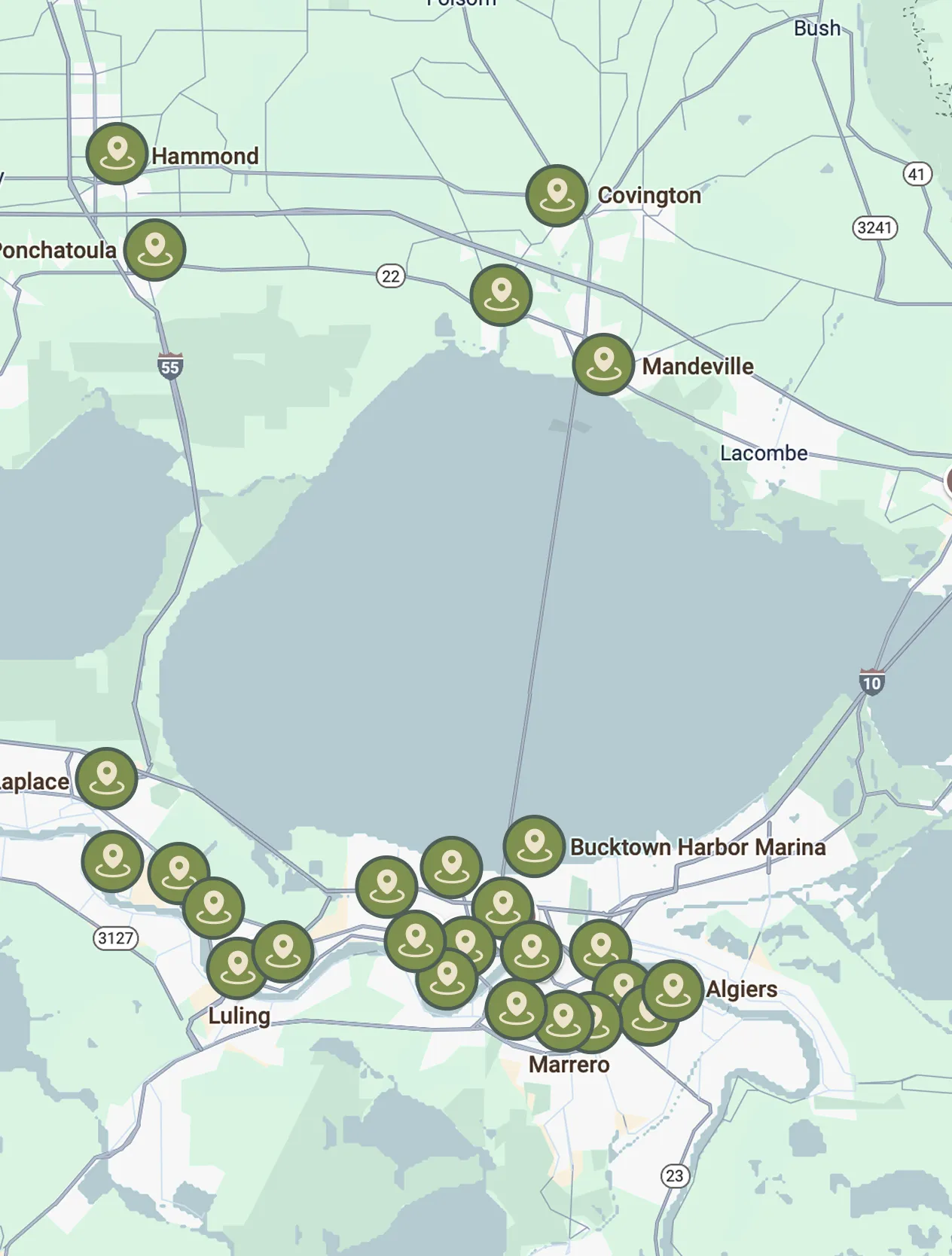
Our service areas are designed to meet the diverse needs of our clients. We focus on providing exceptional service and ensuring customer satisfaction in every location we operate.