AC Installation in Laplace, LA
.webp)
Cypress Cooling delivers AC installation in Laplace, LA, providing comfort, efficiency, and reliable climate control, essential for our humid summers and storm prone seasons. Our thorough installation process spans from a detailed pre evaluation to comprehensive post installation care. This includes precise load calculations, duct assessments, electrical preparation, and strategic outdoor unit placement. We address common local issues such as duct leakage, undersized systems, and flood risks, implementing professional solutions, selecting optimal equipment, managing permits efficiently, and ensuring proper commissioning. The result is a tailored, code compliant system with optimized performance and long term maintenance support, giving you peace of mind.
Air Conditioning Installation in Laplace, LA
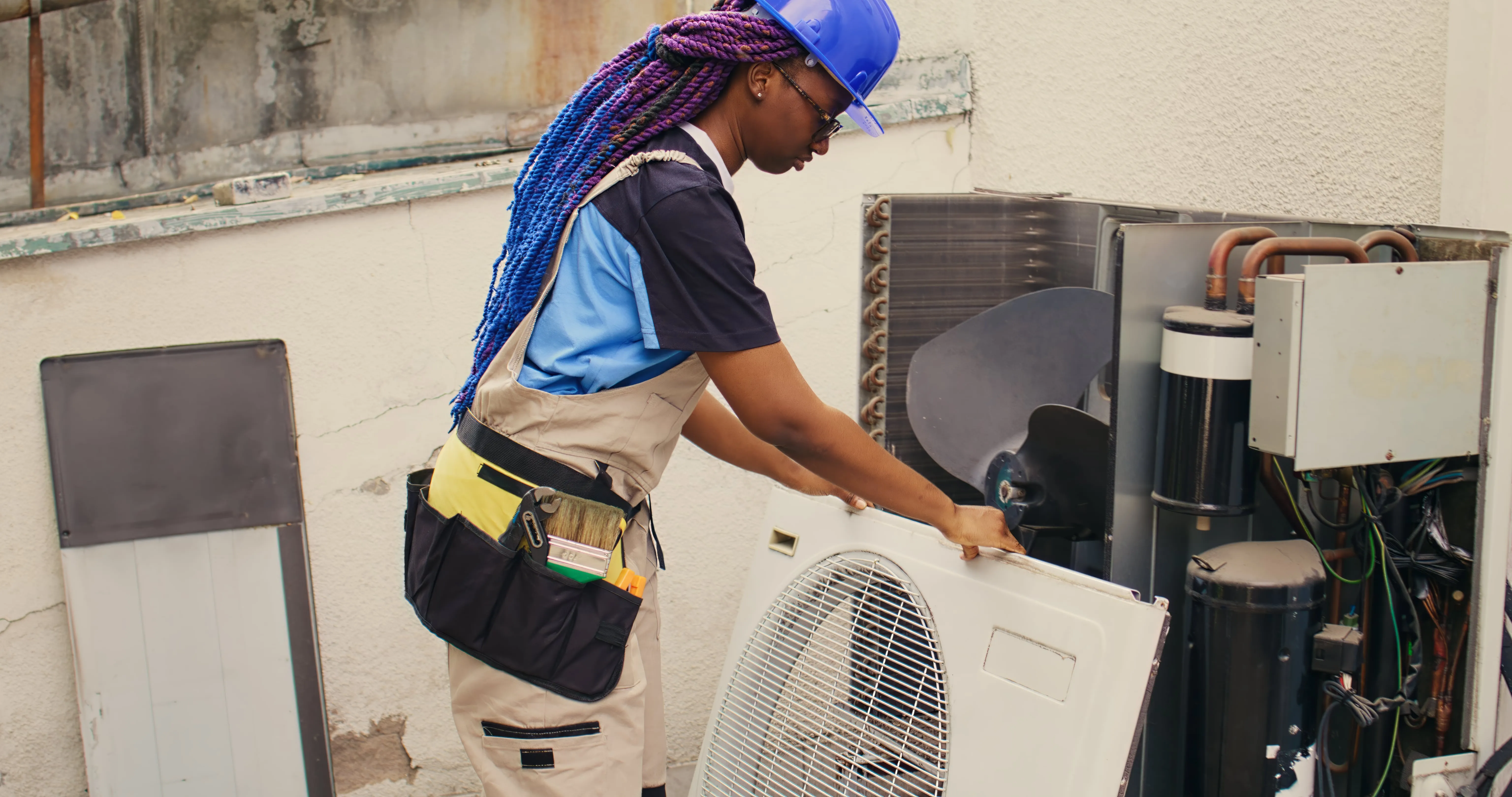
Replacing or installing a new air conditioner is one of the most important investments you can make for comfort, indoor air quality, and energy costs in Laplace, LA. With hot, humid summers, frequent heavy storms, and occasional flooding risk in parts of St. John the Baptist Parish, the right system, properly sized and professionally installed, keeps your home comfortable and reliable when you need it most. This page explains what a thorough new air conditioner installation looks like in Laplace, common local issues to plan for, and what to expect from a professional installation from pre-evaluation through post-installation care.
Why a quality installation matters in Laplace, LA
- High humidity in South Louisiana increases cooling load and requires proper airflow and refrigerant charge to control moisture and prevent mold.
- Summer temperatures and long run times mean efficiency matters: a correctly sized, high-SEER system delivers ongoing energy savings.
- Proximity to coastal weather and heavy rain events makes equipment elevation, secure mounting, and drainage important to reduce flood and wind damage risk.
- Older homes in the area often have undersized or leaky duct systems and older electrical panels that need attention during replacement.
Common air conditioning installation types and local considerations
- New central air conditioner installation for single-family homes.
- Replacement of aging condensing units and evaporator coils while reusing existing ductwork.
- Full system replacement including furnace/air handler and connected ductwork for improved efficiency and humidity control.
- Mini-split (ductless) installations for room additions, nonducted spaces, or homes where ductwork retrofits are impractical.
- Hybrid systems or variable-speed heat pumps for better dehumidification and lower operating costs in humid climates.
Common air conditioning installation issues in Laplace, LA
- Undersized systems that short-cycle and fail to dehumidify effectively.
- Duct leakage and poor insulation leading to uneven cooling and higher energy bills.
- Inadequate electrical service or improperly sized breakers for modern high-efficiency units.
- Improper refrigerant charge and airflow, which reduce performance and lifespan.
- Outdoor unit siting at low elevation without proper drainage or anchoring, increasing flood and wind exposure.
Pre-installation evaluation (what professionals will do)
A proper installation begins with a site-specific evaluation rather than a one-size-fits-all quote. Key steps include:
- Manual J load calculation to determine the correct cooling capacity based on square footage, insulation, window orientation, occupancy, and local climate factors.
- Duct assessment (leak testing, leakage percentage, insulation level, airflow measurements) to determine whether repairs or upgrades are needed.
- Electrical inspection to confirm service capacity, breaker sizing, and whether a dedicated circuit or panel upgrade is required.
- Outdoor unit location review for clearance, airflow, sun exposure, elevation above potential standing water, and ease of maintenance.
- Building code and permit review for Laplace and St. John the Baptist Parish requirements.
Ductwork and electrical considerations
- Ductwork: Sealing and insulating ducts, repairing crushed or disconnected sections, and resizing supply and return runs when necessary improves airflow, reduces humidity problems, and maximizes system efficiency.
- Returns: Proper return placement and sizing influence comfort. Adding return paths or improving filtration may be recommended.
- Electrical: Many modern air conditioners require a dedicated 240V circuit and specific breaker sizing. Older homes may need a subpanel or service upgrade. Grounding and surge protection are also important in storm-prone areas.
- Safety and compliance: Installers should follow National Electrical Code and local ordinances, including proper disconnects and labeled circuits.
Professional installation steps
- Final equipment selection based on load calculation, budget, and performance priorities (SEER rating, variable-speed blower, humidity control).
- Obtain required permits and schedule inspections with local authorities.
- Safely remove the old equipment and dispose of refrigerant according to EPA requirements.
- Prepare the pad or mounting—elevate and anchor the outdoor unit as needed for flood protection and wind resistance.
- Install indoor evaporator coil or air handler, ensuring proper coil match and sealed refrigerant connections.
- Run refrigerant lines, insulation, condensate drain with trap, and electrical wiring per code.
- Repair or modify ductwork, seal joints with approved materials, and add insulation if required.
- Install and configure the thermostat and any zoning or smart controls.
- Charge the system with refrigerant per manufacturer specifications and perform initial airflow balancing.
Equipment commissioning and performance testing
- Refrigerant charge verification using target superheat/subcooling measurements.
- Airflow testing (CFM) at supply and return to confirm proper blower speed and register balancing.
- Static pressure check to ensure ducts are not overly restrictive.
- Temperature split test to confirm designed delta between return and supply air.
- Electrical checks for correct voltage, amperage draw, and secure connections.
- Condensate drainage verification and float-switch testing to prevent water damage.
- Walkthrough and explanation of system operation, filter access, and warranty documentation.
Brand options and certifications
Homeowners in Laplace typically choose from industry-trusted brands that offer durability and local serviceability, including models from Carrier, Trane, Lennox, Rheem, Goodman, and others. Professional installers should hold:
- NATE certification or equivalent technician credentials demonstrating diagnostic skill.
- EPA Section 608 certification for refrigerant handling and recovery.
- Manufacturer training or installation certifications for warranty compliance.
- Local licensing and insurance to meet Laplace and St. John Parish requirements.
Permit handling and compliance
A compliant installation includes pulling the correct permits and coordinating inspections. Qualified contractors will:
- Determine whether structural or electrical permits are required.
- Submit necessary plans or documentation to local permitting authorities.
- Schedule and pass inspections before final system operation where required.Permits protect homeowners by ensuring installations meet safety and performance standards.
Post-installation care and long-term performance
- Warranty registration: Proper registration preserves manufacturer protections.
- Recommended maintenance: Seasonal tune-ups, coil cleanings, refrigerant checks, and filter changes keep systems running efficiently and extend lifespan.
- Maintenance plans: Regular preventive service reduces emergency repairs and keeps humidity and energy use under control in our humid climate.
- Filter and indoor air quality: MERV-rated filters, UV lights, or whole-home dehumidifiers can improve comfort and reduce biological growth in humid months.
- Monitoring: Smart thermostats and monitoring tools can detect issues early and optimize run times for energy savings.
Final benefits of a professional installation in Laplace, LA
A correctly specified and professionally installed air conditioner delivers consistent comfort, better humidity control, lower energy bills, and fewer repairs over time. Tailoring system selection and installation methods to Laplace’s humid subtropical climate and local building conditions ensures reliable performance through hot summers and storm seasons. Investing in a thorough pre-install evaluation, certified technicians, proper ductwork and electrical preparation, and documented commissioning protects your home and maximizes the value of your new system.
OUR CLIENTS HAVE TO SAY ABOUT US



Service areas
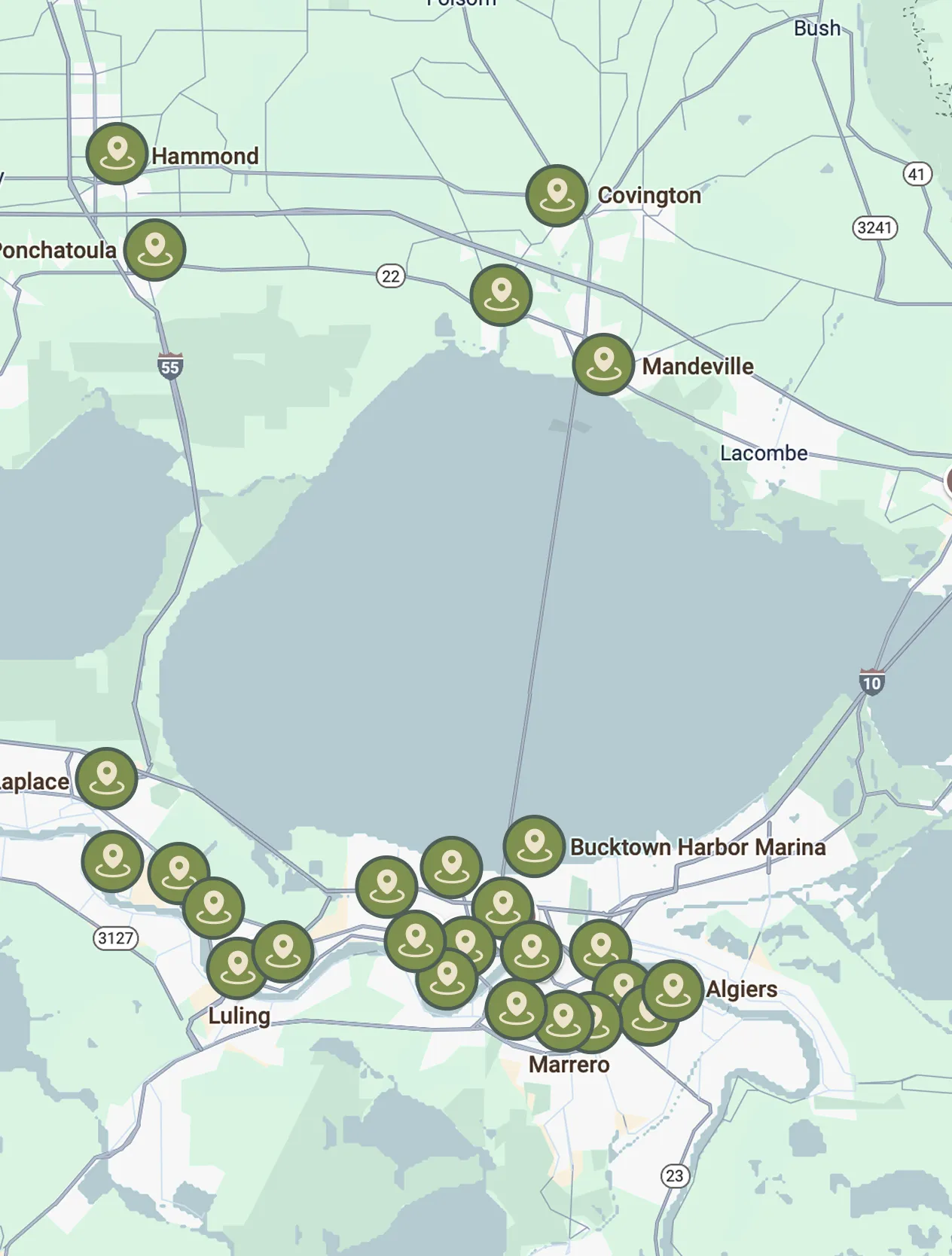
Our service areas are designed to meet the diverse needs of our clients. We focus on providing exceptional service and ensuring customer satisfaction in every location we operate.