AC Replacement in Gretna, LA
.webp)
If you're in Gretna, LA, and thinking about AC replacement, Cypress Cooling offers expert guidance on choosing the right time, system options, and installation steps for coastal homes. We'll help you determine when replacement is a better choice than repair and outline energy efficient options like high SEER units, variable speed or two stage systems, heat pumps, and smart zoning. Our team explains proper sizing, duct inspection, and the entire installation workflow, along with warranties, rebates, and financing. With Cypress Cooling, you can expect long term energy savings, improved comfort, reduced maintenance, and enhanced home value through modern equipment specifically suited to South Louisiana conditions.
Air Conditioning Replacement in Gretna, LA
When your air conditioner no longer keeps your Gretna home comfortable, replacement is often the smartest long-term choice. South Louisiana’s hot, humid summers and coastal environment mean systems work harder and face faster wear from humidity and salt air. This page explains when replacement is recommended, energy-efficient system options for Gulf Coast homes, how we assess and size systems, a make-and-model comparison approach, the replacement installation workflow, warranty and rebate considerations, financing options, and the long-term performance and energy savings you can expect.
When replacement is recommended
Consider replacing your air conditioner when one or more of the following apply:
- Age over 10 to 15 years - older units lose efficiency and may use outdated refrigerants phased out by manufacturers.
- Frequent breakdowns or costly repairs - repeated compressor, coil, or refrigerant repairs reduce value compared with a new system.
- Rising energy bills despite regular maintenance - declining efficiency means the unit runs longer to reach the same temperature.
- Poor comfort or uneven cooling - oversized or undersized systems, failing compressors, or leaking ducts.
- Inadequate dehumidification - critical in Gretna’s humid climate; older single-stage units often struggle to control indoor humidity.
- Use of R-22 refrigerant - phased out refrigerant makes repair expensive and unsustainable.
Replacing at the right time minimizes discomfort, prevents mid-summer failures, and delivers meaningful energy savings over the life of the system.
Energy-efficient system options for Gretna homes
Selecting the right replacement depends on your home’s needs and your long-term goals. Common energy-efficient options include:
- High-SEER central air conditioners - higher SEER ratings deliver greater seasonal efficiency. In warm, humid climates, moving from a low-SEER unit to a high-SEER unit can significantly lower energy use.
- Variable-speed compressors and multi-stage systems - these modulate output to run longer at lower capacity, improving humidity control and comfort while reducing short-cycling.
- Heat pumps - modern heat pumps are efficient for both cooling and heating. In mild South Louisiana winters, they can be a very efficient replacement option.
- Two-stage or variable fan ECM blower motors - improve airflow control and energy use, better matching runtime to load.
- Zoning and smart thermostats - improve comfort by directing conditioned air where it’s needed and optimizing run cycles.
Local weather and humidity make systems with strong dehumidification and variable-speed operation particularly beneficial in Gretna.
Assessment and unit-sizing process
Proper sizing and assessment determine system performance and efficiency. Key steps include:
- Load calculation (Manual J) - a room-by-room heat gain and loss analysis that accounts for insulation, windows, orientation, occupancy, and local climate conditions.
- Equipment selection (Manual S) - selects a unit that matches calculated loads, considering real-world capacity at local outdoor temperatures.
- Ductwork inspection - evaluates leaks, insulation, and airflow capacity. Poor ducts are a common reason new equipment underperforms.
- Airflow measurements - verifies CFM and static pressure targets to ensure the new system will deliver designed comfort.
- Refrigerant line and electrical review - confirms correct line sizing, proper insulation, and electrical capacity for the selected unit.
Sizing for Gretna requires accounting for high latent loads from humidity and the extra runtime during peak summer periods.
Comparing makes and models
When comparing brands and models focus on these practical considerations:
- Reliability and local service availability - choose manufacturers with local dealer networks and replacement parts availability in South Louisiana.
- Efficiency ratings (SEER/HSPF) - higher ratings typically cost more up front but reduce operating costs over time.
- Compressor type - variable-speed or two-stage compressors deliver better humidity control and comfort than single-stage units.
- Warranty terms - compare standard manufacturer warranties on the compressor and coil, and ask about available extended warranties.
- Corrosion protection - coastal-friendly coatings and treated coils resist salt air corrosion, extending life in Gretna’s environment.
- Noise levels - quieter units improve indoor comfort and are worth considering for closely spaced neighborhoods.
Choosing a model is a balance of upfront cost, long-term operating cost, local climate suitability, and warranty coverage.
Replacement installation workflow
A professional replacement follows a clear, safety-focused process:
- Pre-install inspection and paperwork - confirm load calculations, permits, and equipment selection.
- System decommissioning - safe recovery of refrigerant and disconnection of existing equipment.
- Duct and pad preparation - repair or modify ducts, install a new pad or platform for the outdoor unit if needed.
- Install new equipment - mount outdoor and indoor units, connect refrigerant lines, electrical, and control wiring.
- Evacuation and charging - vacuum the refrigerant lines to the proper dew point and charge the system to factory specifications for optimal performance.
- Start-up and testing - verify airflow, static pressure, temperature split, and thermostat settings; test safety controls and drainage.
- Owner orientation and documentation - explain operation, maintenance schedule, and warranty paperwork.
Permits and local code compliance are part of the workflow to ensure safety and resale value.
Warranty, rebates, and incentives
- Manufacturer warranties typically cover parts and sometimes compressors for a set term; many reputable brands offer 5 to 10 year limited parts warranties with optional extended coverage.
- Labor warranties from the installing contractor provide additional protection on the workmanship of installation.
- Local utility rebates and incentives may be available for high-efficiency systems, particularly those meeting specific SEER or efficiency thresholds.
- Federal or state tax credits occasionally apply to qualifying high-efficiency heat pumps and other energy upgrades; availability changes over time and depends on program criteria.
Always review warranty registration requirements and documentation to maximize coverage and check current local incentive programs before purchase.
Expected costs and financing options
Replacement costs vary widely based on system size, efficiency, required ductwork repairs, and complexity of installation. Because upfront cost and lifetime operating cost both matter, evaluating the total cost of ownership is important.
Financing options are commonly available to spread payments over time, including low-interest plans and flexible monthly payment programs. Financing terms and availability depend on credit approval and program specifics.
Long-term performance and energy savings
Replacing an old or failing unit with a properly sized, energy-efficient system tailored for Gretna’s climate provides benefits that compound over time:
- Lower energy bills - higher efficiency and smarter controls reduce monthly utility costs.
- Improved comfort and humidity control - better dehumidification and variable operation reduce sticky indoor conditions on humid days.
- Fewer emergency repairs and more predictable maintenance expenses.
- Extended system life when installed correctly with corrosion protection and proper airflow.
- Higher home value and resale appeal - modern HVAC systems are important to buyers in South Louisiana.
Estimated energy savings depend on the efficiency differential, usage patterns, and local electricity rates. In many cases, homeowners see noticeable reductions in cooling bills and better year-round comfort after replacement.
Replacing your air conditioning system in Gretna is both a comfort and a long-term financial decision. A careful assessment, correct sizing, attention to coastal durability, and selection of the right efficiency level are the keys to reliable performance and meaningful energy savings in South Louisiana homes.
OUR CLIENTS HAVE TO SAY ABOUT US



Service areas
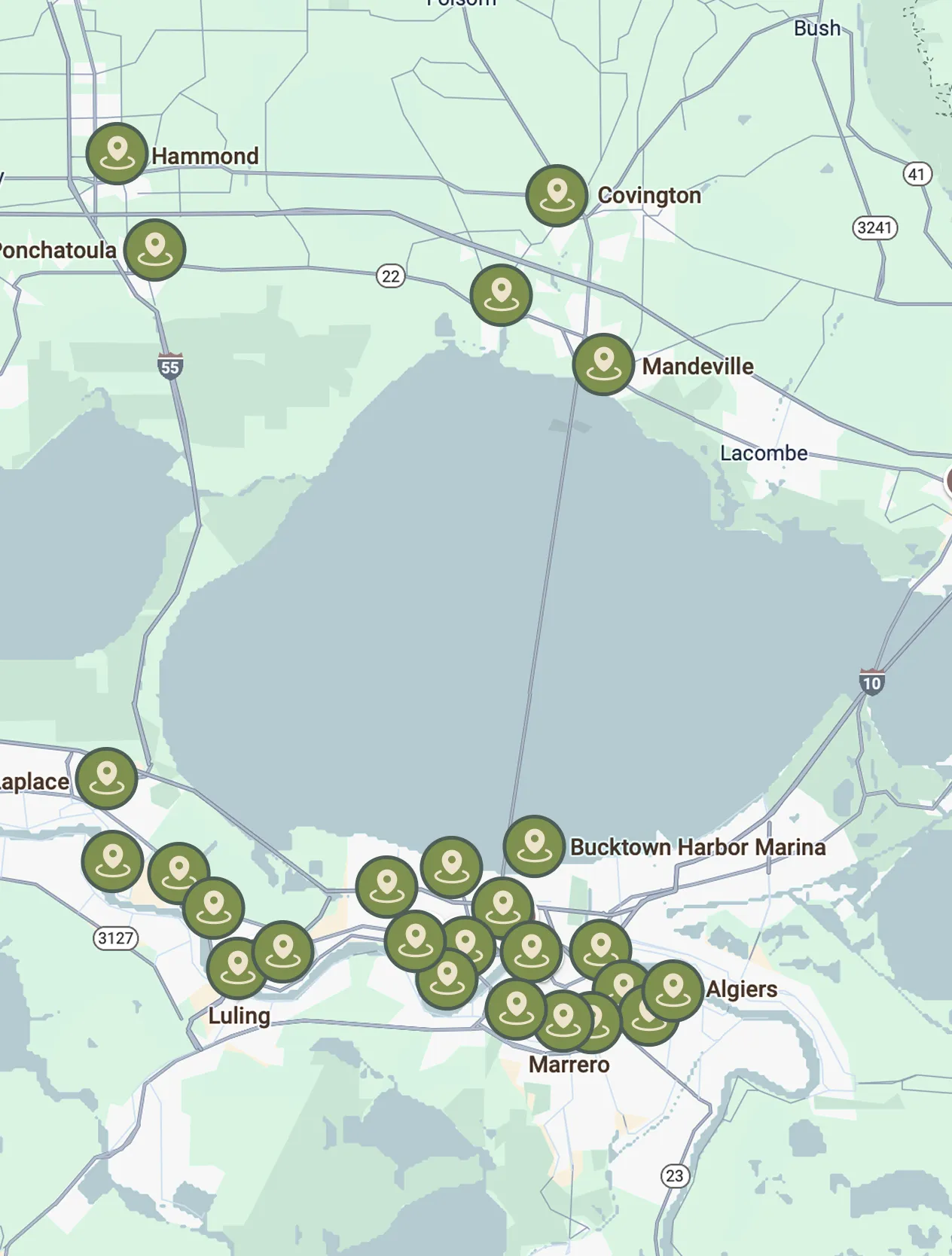
Our service areas are designed to meet the diverse needs of our clients. We focus on providing exceptional service and ensuring customer satisfaction in every location we operate.