AC Repair in Gretna, LA
.webp)
Facing AC problems in Gretna, LA? Cypress Cooling understands the unique challenges of coastal climates. Our expert technicians provide precise diagnostics and timely fixes to get your AC back up and running quickly. We address common issues like thermostat malfunctions, weak airflow, refrigerant leaks, unusual noises, and short cycling. We follow a methodical diagnostic process, providing clear timelines and using only quality parts. Cypress Cooling also offers emergency response options, comprehensive warranties, and practical troubleshooting advice you can try before our technician arrives. When scheduling service, having key information ready will help us expedite the repair process. With Cypress Cooling, you can expect diagnostic clarity and quality parts for lasting cooling comfort.
-min.webp)
Air Conditioning Repair in Gretna, LA
Keeping your home comfortable through South Louisiana heat means a dependable air conditioning system. In Gretna, LA, summer humidity, frequent heavy use, salt air exposure, and storm-related power disruptions make timely air conditioning repair essential. This page explains common AC problems in Gretna homes, how technicians diagnose issues, the repairs and parts typically used, expected timelines, emergency response options, warranty considerations, practical troubleshooting tips, and what information to have when scheduling service.
Common Air Conditioning Issues in Gretna, LA
Homeowners in Gretna commonly face the following AC problems:
- Faulty thermostat — incorrect calibration, dead batteries, or communication errors can make a system run too long or not at all.
- Weak airflow — clogged filters, failing blower motors, or restricted ductwork reduce comfort and strain the system.
- Refrigerant leaks — corrosion from coastal air or aged fittings can cause low refrigerant and poor cooling.
- Unusual noises — grinding, rattling, or hissing often indicate worn bearings, loose components, or refrigerant issues.
- Frequent on/off cycling — short cycling often traces to improper sizing, compressor issues, or control failures.
- Frozen evaporator coils — caused by low refrigerant or restricted airflow, especially in high-humidity climates.
- Electrical failures — capacitors, contactors, and control boards wear out, sometimes after power surges from storms.
- Drainage and condensation problems — clogged condensate lines and overflow switches can lead to water damage and indoor humidity.
Gretna’s humid climate and proximity to the Mississippi River increase the likelihood of mold in ductwork, corrosion of outdoor components, and stress on systems during heat waves, so rapid diagnosis and repair are often required.
Technician Evaluation and Diagnostic Process
A professional diagnosis follows a systematic inspection to locate root causes and recommend the right fix. Typical diagnostic steps include:
- Intake and symptom review — technician records system age, recent issues, and any prior repairs.
- Visual inspection — look for corrosion, loose wires, damaged fins, and obvious leaks.
- Safety checks — shut down power, verify electrical safety, and isolate hazards.
- Thermostat verification — confirm setpoints, wiring, and control signals.
- Airflow measurement — check filter condition, blower function, return and supply pressures, and static pressure in ducts.
- Electrical testing — measure voltage, current draw on motors and compressor, and test capacitors/contactors.
- Refrigerant system check — read system pressures, superheat/subcooling, and use electronic or UV dye leak detection when needed.
- Coil and duct inspection — inspect evaporator and condenser coils, look for blockages or mold, and evaluate duct integrity.
- Performance test — run the system to verify cooling capacity and stability.
Most diagnoses for common issues take about 45 to 90 minutes depending on access and symptom complexity. Technicians should provide a clear written estimate outlining findings and repair options.
Typical Repairs, Parts, and Solutions
Common repair solutions used in Gretna homes include:
- Thermostat replacement or recalibration — modern programmable or smart thermostats for improved control.
- Filter replacement and duct cleaning — restores airflow and reduces humidity-related issues.
- Fan motor and blower repairs — replace bearings, belts, or the blower motor assembly as needed.
- Capacitors and contactors — frequent failure points that affect starting and operation of compressors and fans.
- Refrigerant leak repair and recharge — locate and repair leaks, then evacuate and recharge refrigerant to correct specifications.
- Compressor repair or replacement — major component replacements when failure is confirmed.
- Coil repair or replacement — clean, repair fin damage, or replace evaporator/condenser coils if corroded.
- Expansion valve or TXV replacement — restores proper refrigerant metering and system balance.
- Condensate drain clearing and trap repair — prevents water backups and indoor humidity issues.
- Control board replacement — resolves intermittent or complex electrical/control failures.
- Duct sealing and insulation — improves airflow and system efficiency in humid climates.
Technicians typically recommend using OEM or high-quality aftermarket parts, and where appropriate, corrosion-resistant components for outdoor units in coastal and river-adjacent areas like Gretna. Refrigerant handling follows industry safety and environmental standards.
Expected Timelines for Repairs
- Minor repairs (thermostat, filters, capacitors): typically completed within 1 to 3 hours.
- Moderate repairs (fan motor, coil cleaning, leak repair with minor parts): generally 3 to 6 hours.
- Major repairs or component replacements (compressor, coil replacement, extensive ductwork): may take most of a day or require ordering specific parts and scheduling a return visit.
On repair day expect the technician to run the system after repairs for at least 15 to 30 minutes to verify performance, document readings, and provide a summary of work performed. Parts availability can affect timelines during peak seasons or after storms.
Emergency and Rapid-Response Options
Certain situations qualify as emergencies and typically trigger rapid-response service priorities: complete loss of cooling during extreme heat, active refrigerant hissing or leaks with oil, electrical burning smells or smoke, and significant water flooding from condensate backups. Emergency service commonly includes priority dispatching, after-hours response, and temporary fixes to stabilize the system until full repairs are completed. During hurricane season and heat waves, expect higher demand, so documented emergency protocols and quick diagnostics are essential.
Warranty and Service Guarantees
Repairs are commonly covered by a combination of manufacturer warranties for replacement parts and a service warranty on labor. Typical labor warranties range from short term to several months depending on the repair; manufacturer warranties vary by component and are often transferable. Keep repair documentation and part numbers to verify warranty coverage. Ask for written warranty terms for any parts and labor associated with the repair so you understand coverage and any exclusions.
Troubleshooting Tips You Can Try Safely
Before a technician arrives, try these safe checks:
- Verify thermostat is set to cool and temperature is below indoor temp.
- Replace or inspect the air filter for excessive dirt.
- Check circuit breakers and disconnects for tripped switches.
- Ensure outdoor unit is clear of debris, vegetation, and standing water.
- Confirm supply registers are open and unobstructed.
- Reset the condensate float switch if your system has one and it is accessible.
Stop troubleshooting and call a professional if you smell burning, hear loud grinding, see oil around the unit, or detect refrigerant hissing. Those signs require trained technicians and proper equipment.
What to Have Ready When Scheduling Service
When arranging a repair appointment, have the following details available to speed diagnosis and service: make and model of the system (if known), system age, recent service history, detailed symptoms (when the problem started, any noise or smells), recent storm or power events, and any access notes for the technician. Providing this information helps prioritize parts, tools, and the correct technician for the job.
Timely repair in Gretna not only restores comfort but prevents further damage and improves energy efficiency. With diagnostic clarity, quality parts, and an experienced technician, most common AC problems can be resolved quickly to keep your home cool and safe through South Louisiana heat.
OUR CLIENTS HAVE TO SAY ABOUT US



Service areas
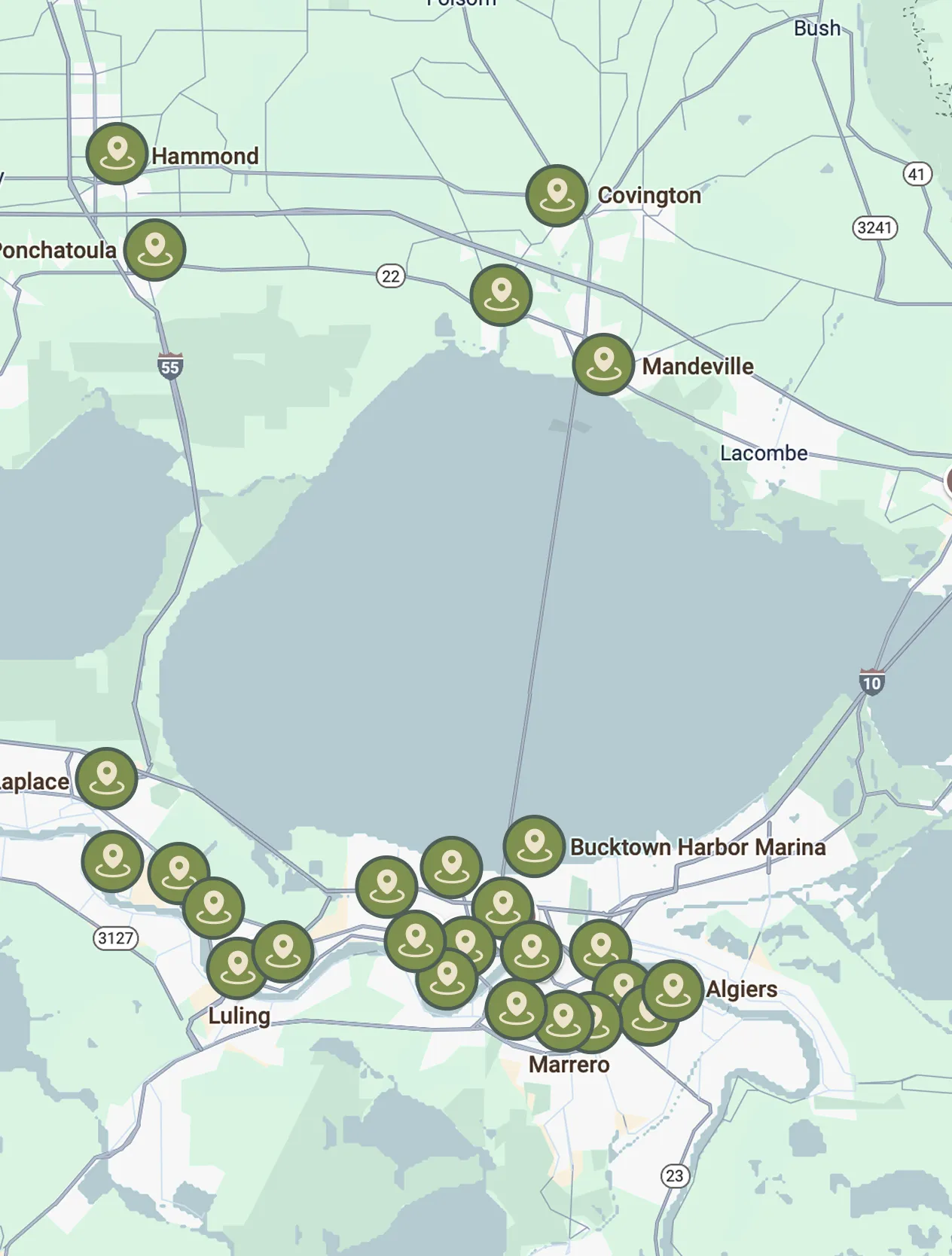
Our service areas are designed to meet the diverse needs of our clients. We focus on providing exceptional service and ensuring customer satisfaction in every location we operate.