AC Repair in River Ridge, LA
.webp)
From thermostat malfunctions to refrigerant leaks, Cypress Cooling provides expert AC Repair in River Ridge, LA. We cover diagnosing common AC issues, including poor airflow and compressor faults. Our diagnostic workflow includes a thorough intake review, visual inspection, electrical tests, and leak detection, followed by clear repair options and pricing. We offer emergency services, qualified technicians, warranties, financing, and convenient scheduling. Plus, we provide preventive care guidance to reduce future failures and extend the life of your AC system in the coastal Louisiana heat and humidity. Contact us today for reliable service!
-min.jpeg)
Air Conditioning Repair in River Ridge, LA
Keeping your air conditioner running reliably is essential in River Ridge, where hot, humid summers and coastal weather make dependable cooling a year-round priority. Whether you own a single-family home or manage a light-commercial space, timely AC diagnosis and repairs prevent uncomfortable downtime, higher energy bills, and more costly replacements later. This page explains common air conditioning problems in River Ridge, how technicians diagnose issues, typical repair solutions, emergency response options, technician qualifications, pricing and warranty expectations, and practical steps to schedule service or apply financing.
Common air conditioning issues in River Ridge, LA
River Ridge homes and businesses face HVAC stresses from humidity, heavy pollen and salt air, and continuous summer use. Common symptoms and likely causes include:
- Thermostat failures — Incorrect temperature readings, unresponsive controls, or short-cycling often trace to faulty thermostats, loose wiring, or calibration issues.
- Poor airflow — Weak vents or uneven cooling are usually caused by clogged filters, obstructed return grills, duct leaks, or failing blower motors.
- Strange noises — Grinding, rattling, or hissing can indicate loose components, failing bearings, refrigerant leaks, or failing compressors and fans.
- Refrigerant leaks — Low refrigerant levels reduce cooling and can damage the compressor; signs include ice on the evaporator coil and reduced capacity.
- Compressor faults — Motor failures, electrical faults, or excessive wear can render the outdoor unit unable to compress refrigerant effectively.
- Short cycling or frequent trips — Electrical problems, oversized systems, or safety switches triggered by overheating or low refrigerant.
Diagnostic and troubleshooting process
Accurate diagnosis limits unnecessary repairs and ensures the right solution. A typical diagnostic workflow:
- Customer intake & symptom review — Technicians document performance history and recent events (power outages, storms, maintenance).
- Visual inspection — Evaluate indoor and outdoor units for debris, corrosion, visible damage, and proper clearances—important in coastal or leafy areas of River Ridge.
- Thermostat and control checks — Confirm correct settings, wiring continuity, and communication with the system.
- Airflow and duct inspection — Measure airflow at supply registers; inspect filters, return paths, and accessible ductwork for restrictions or leaks.
- Electrical testing — Check voltage, current draw, fuses, contactors, capacitors, and safety controls to identify electrical faults.
- Refrigerant evaluation — Measure pressures and temperatures; use leak-detection tools when low charge or contamination is suspected.
- Component testing — Evaluate blower motors, fan blades, capacitors, and compressor operation.
- Diagnosis report and estimate — Present repair options with cost and timelines; prioritize safety-critical issues.
Diagnostics usually take 30 minutes to 1.5 hours depending on system complexity and whether light-commercial equipment or rooftop units are involved.
Typical repair solutions
Based on the diagnosis, common repairs performed in River Ridge include:
- Thermostat repair or replacement — Replace or recalibrate programmable and smart thermostats; resolve wiring issues.
- Filter, coil and duct cleaning — Restore airflow and efficiency by clearing filters, evaporator/condenser coils, and accessible ducts.
- Blower motor and fan repairs — Replace worn motors, bearings, belts, or blades to restore proper airflow.
- Electrical component replacement — Replace capacitors, contactors, relays, fuses, and control boards.
- Refrigerant leak repair and recharge — Locate and repair leaks, replace damaged lines or fittings, evacuate and recharge system to proper charge.
- Compressor replacement — When compressors fail, replacement or full condensing unit replacement may be recommended depending on age and cost-effectiveness.
- Condenser repairs and coil replacement — Address crushed fins, corrosion from salt air, and coil damage common near the coast.
For light-commercial systems, technicians also service rooftop units, packaged systems, and zoning controls with repairs scaled to the equipment’s complexity.
Emergency and rapid-response options in River Ridge
High humidity and summer heat increase the urgency of AC failures. Emergency response typically includes:
- Priority scheduling for life-safety or extreme-heat scenarios
- On-site temporary measures (short-term cooling adjustments, fan recommendations) until repairs are completed
- Safe handling of refrigerant leaks and electrical hazards
- Advice for storm-related outages and post-storm inspections
Local storm season and high seasonal demand can affect response times, so rapid assessment and timely repairs help prevent long outages during peak heat.
Technician qualifications and safety
Qualified technicians ensure repairs comply with safety and environmental standards. Look for technicians who hold:
- EPA 608 certification for handling refrigerants
- Manufacturer-specific training for major brands and equipment
- Industry certifications such as NATE or equivalent
- Proper licensing and insurance to work on residential and commercial equipment
Technicians should follow refrigerant recovery procedures, use calibrated diagnostic tools, and adhere to local electrical and building codes.
Pricing, estimates and warranty information
Repair costs vary by issue, system age, and parts required. Typical ranges (general guidance):
- Thermostat replacement or recalibration: $150–$350
- Capacitor or contactor replacement: $125–$400
- Blower motor service or replacement: $300–$900
- Coil cleaning and minor duct repairs: $150–$600
- Refrigerant leak repair and recharge: $200–$1,200 depending on severity and parts
- Compressor or condensing unit replacement: $800–$3,000+ depending on equipment and refrigerant type
Most reputable providers charge a diagnostic or service call fee that is applied to the repair estimate once work is approved. Estimates are based on on-site findings; final pricing depends on parts availability and labor.
Warranty norms:
- Manufacturer parts warranties typically range from 1 to 10 years depending on the component and brand.
- Dealer labor warranties commonly cover 30 to 365 days; extended labor warranties or service agreements may be available.
- Warranties often require proof of routine maintenance.
How to schedule service and apply financing
Scheduling typically involves providing service address and system details, selecting an appointment window, and receiving a diagnostic visit. Many providers offer online booking or phone-based scheduling and can perform preliminary troubleshooting over the phone.
Financing options commonly include:
- Short-term deferred interest or low-rate installment plans
- Longer-term financing for replacements and major repairs
- Simple application processes with soft credit checks and online or in-person approvals
- Payment plan setup after estimate approval to spread costs over time
Providers will explain financing terms, required documentation, and approval timelines as part of the estimate process.
Preventive care and when to act
Regular maintenance prevents most emergency repairs. For River Ridge homes, schedule:
- An annual spring tune-up to prepare for peak cooling season
- Filter checks every 1–3 months during heavy use
- Duct inspections if uneven cooling or high dust is present
Act promptly when you notice reduced cooling, higher bills, strange noises, or frequent cycling. Early repairs protect the compressor and extend system life—especially important in South Louisiana’s demanding climate.
Prompt, expert repair preserves comfort, lowers operating costs, and reduces the risk of larger failures. Clear diagnostics, transparent estimates, qualified technicians, and predictable warranty terms will help you make the best decision for your River Ridge home or light-commercial property.
OUR CLIENTS HAVE TO SAY ABOUT US



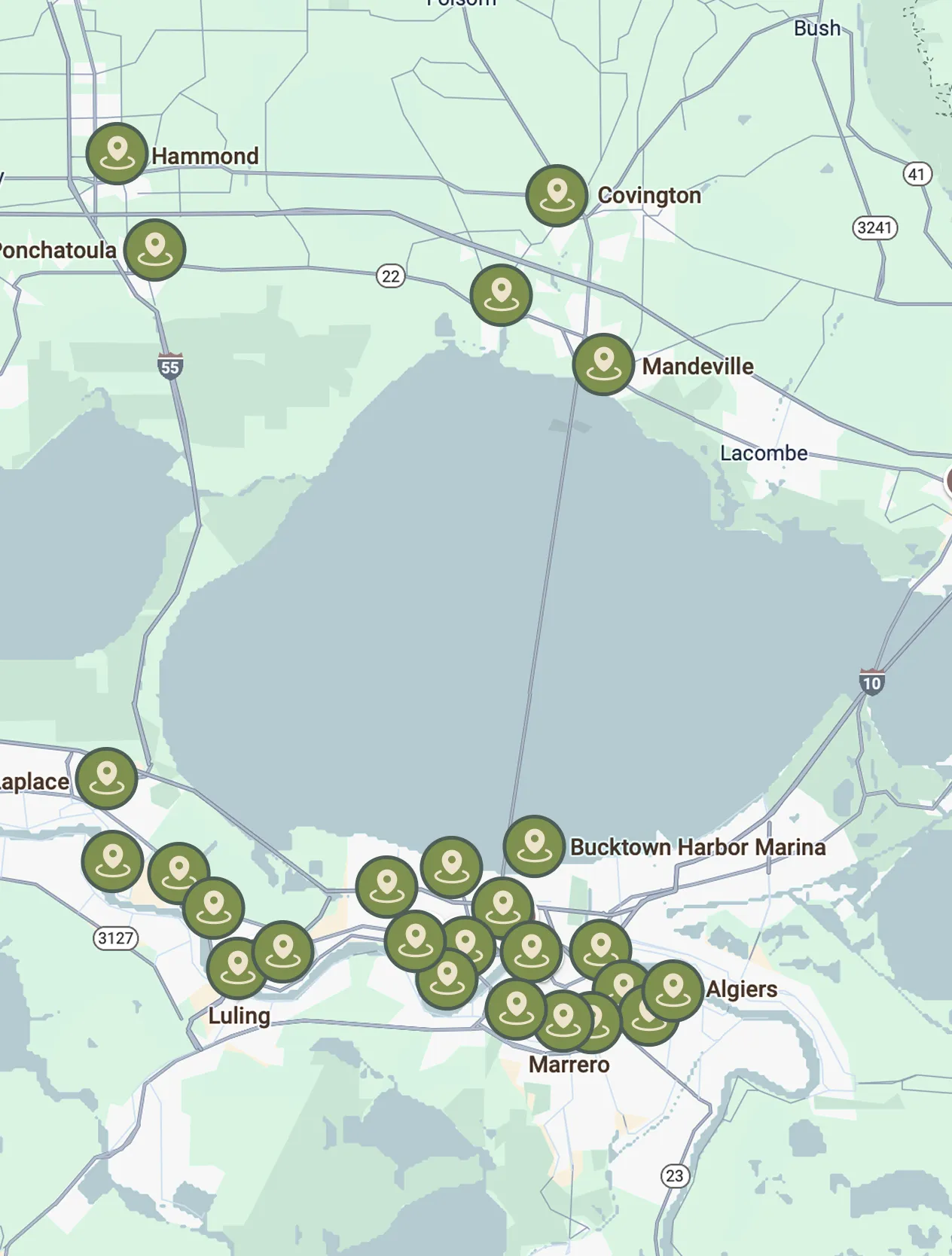
Service areas
Our service areas are designed to meet the diverse needs of our clients. We focus on providing exceptional service and ensuring customer satisfaction in every location we operate.