AC Installation in River Ridge, LA
.webp)
AC Installation in River Ridge, LA, requires a comprehensive approach, and that's exactly what Cypress Cooling delivers. We provide a detailed overview of sizing, permitting, installation steps, and postinstallation handoff. We emphasize expert onsite evaluation to determine proper cooling loads, duct sealing, humidity control, and compliance with local codes to maximize comfort and efficiency. We'll guide you through equipment selection, brands, and warranty protection, stressing the importance of correct refrigerant handling. Our detailed stepbystep process covers everything from permits and assembly to pressure testing, commissioning, and documentation. Plus, we offer financing, maintenance plans, and longterm reliability tips to keep your system running smoothly for years to come.

Air Conditioning Installation in River Ridge, LA
An efficient, correctly installed air conditioning system is essential for comfort and indoor air quality in River Ridge, LA. With hot, humid summers and frequent storm events, homes in this area need systems sized and configured to handle high cooling loads, moisture control, and local electrical and code requirements. This page explains what a professional Air Conditioning Installation in River Ridge, LA looks like, common local issues to watch for, the installation process step by step, permitting and code considerations, and the post-installation handoff, warranty registration, financing, and maintenance options that protect your investment.
Why a proper installation matters in River Ridge
River Ridge homeowners face intense summer heat, high humidity, and seasonal storms that can stress HVAC equipment. Poorly sized or improperly installed systems can lead to:
- Short cycling and uneven cooling
- Excess humidity and mold risk in crawlspaces and attics
- High energy bills during long cooling seasons
- Increased wear during storm-related power fluctuations
A correct installation reduces these risks, improves comfort, and maximizes efficiency and equipment lifespan.
Common air conditioning installation issues in River Ridge
- Undersized or oversized equipment causing inadequate comfort or short cycling
- Improper refrigerant charge or airflow reducing efficiency and lifespan
- Poorly sealed or undersized ductwork leading to pressure imbalances and energy loss
- Insufficient condensate management increasing risk of water damage in humid conditions
- Lack of appropriate surge protection for neighborhoods prone to storm-related electrical spikes
- Permitting or inspection oversights that create code compliance problems
Initial home evaluation and accurate sizing
A successful installation starts with a detailed on-site evaluation:
- Assess the home’s size, layout, insulation levels, window exposure, and attic ventilation
- Evaluate existing ductwork condition, return locations, and airflow pathways
- Calculate cooling load using industry-standard methods that account for River Ridge climate, orientation, and occupancy
- Identify moisture control needs and whether supplemental dehumidification or improved ventilation is advised
Accurate sizing is critical. Oversized units cool the air quickly but leave humidity high. Undersized units run continuously, increasing energy use and reducing comfort.
Selecting the right equipment and brands
When choosing equipment for River Ridge homes, consider:
- Efficiency ratings (SEER and HSPF) — higher SEER helps reduce summer energy bills
- Two-stage or variable-speed compressors for better humidity control and quieter operation
- Matched indoor and outdoor components to ensure warranty protection and optimal performance
- Corrosion-resistant coatings and durable cabinet designs to withstand humid Gulf Coast conditions
- Thermostat compatibility including smart thermostats and zoning controls for multi-level homes
Common brands homeowner consider include Trane, Carrier, Lennox, Rheem, Goodman, and Bryant. The best choice depends on your home’s load, budget, and desired features. Also consider refrigerant type and future regulations; most modern systems use R-410A or other lower-GWP options.
Step-by-step installation process
A professional installation typically follows these stages:
- Final site walk-through and confirmation of equipment and accessories
- Obtain required permits (see next section) and schedule inspections as needed
- Prepare installation location for condenser and air handler, ensuring proper clearances and stable pad
- Remove old equipment safely, including proper refrigerant recovery and disposal
- Install new outdoor unit, indoor coil or air handler, and any matched components
- Run refrigerant lines, electrical wiring, and drain lines with correct insulation and protective sleeves
- Connect and seal ductwork or make necessary duct modifications for proper airflow
- Install or configure thermostat and control wiring; set up zoning if applicable
- Perform pressure tests and vacuum lines before charging system
- Charge refrigerant to manufacturer specifications and verify correct line insulation
- Test airflow, electrical loads, condensate drainage, and refrigerant pressures
- Commission system and document results
Code, permitting, and safety considerations in River Ridge
Installations must comply with local and state codes. Typical considerations include:
- Mechanical and electrical permits and final inspections required by Jefferson Parish or local jurisdiction
- Licensed HVAC contractor and electrician requirements under Louisiana regulations
- Proper combustion clearance if installing combined heating and cooling equipment
- Safe electrical service sizing and dedicated circuits where required
- Local wind and storm considerations for outdoor unit anchoring in areas with storm exposure
Permitting helps ensure safe, code-compliant work and supports future home resale.
Post-installation testing and commissioning
Thorough commissioning confirms the system meets performance expectations:
- Verify correct refrigerant charge and compressor operation
- Measure airflow across supply registers and at the coil
- Check thermostat calibration and zone operation
- Test condensate drainage, float switches, and secondary drain provisions
- Inspect electrical connections, run current and voltage checks, and ensure proper breaker sizing
- Conduct a final pressure and leak check on refrigerant circuit
- Provide performance documentation and system readiness report
All findings should be documented and included with the homeowner handoff materials.
Customer handoff and warranty registration
A professional handoff gives you confidence in operation and coverage:
- Demonstration of thermostat programming, system modes, and energy-saving tips
- Explanation of maintenance schedule and what to watch for (strange noises, reduced airflow, water on the floor)
- Delivery of equipment manuals, commissioning reports, and warranty paperwork
- Assistance with manufacturer warranty registration and explanation of what is covered
- Guidance on extended protection plans or parts-and-labor coverage if offered
Proper registration ensures warranty eligibility and faster service if components fail.
Financing and maintenance plan add-ons
To protect the investment and budget impact of new AC installation, many homeowners choose:
- Flexible financing options that spread costs into predictable monthly payments
- Maintenance plans that include seasonal tune-ups, priority service, and discounts on repairs
- Planned maintenance services such as filter replacement schedules, coil cleaning, and refrigerant and electrical checks
- Optional surge protection and whole-home air quality upgrades like UV lights or dehumidifiers suited for humid climates
Maintenance plans reduce emergency repairs, maintain efficiency, and can extend system life.
Final benefits and practical maintenance tips
A properly installed, well-matched system brings:
- Improved comfort and consistent humidity control during hot River Ridge summers
- Lower energy bills and quieter operation with modern, high-efficiency equipment
- Fewer emergency repairs and longer equipment life when paired with routine maintenance
Simple maintenance tips for homeowners:
- Replace or clean filters every 1 to 3 months depending on use
- Keep outdoor unit clear of debris and allow 2 to 3 feet clearance for airflow
- Schedule professional tune-ups before the cooling season and after major storms
- Monitor drains and indoor humidity; consider a whole-home dehumidifier if indoor RH stays high
A carefully planned and executed Air Conditioning Installation in River Ridge, LA ensures reliable comfort in the local climate. Proper evaluation, quality equipment selection, code-compliant installation, and ongoing maintenance are all critical to getting the performance and peace of mind River Ridge homeowners need.
OUR CLIENTS HAVE TO SAY ABOUT US



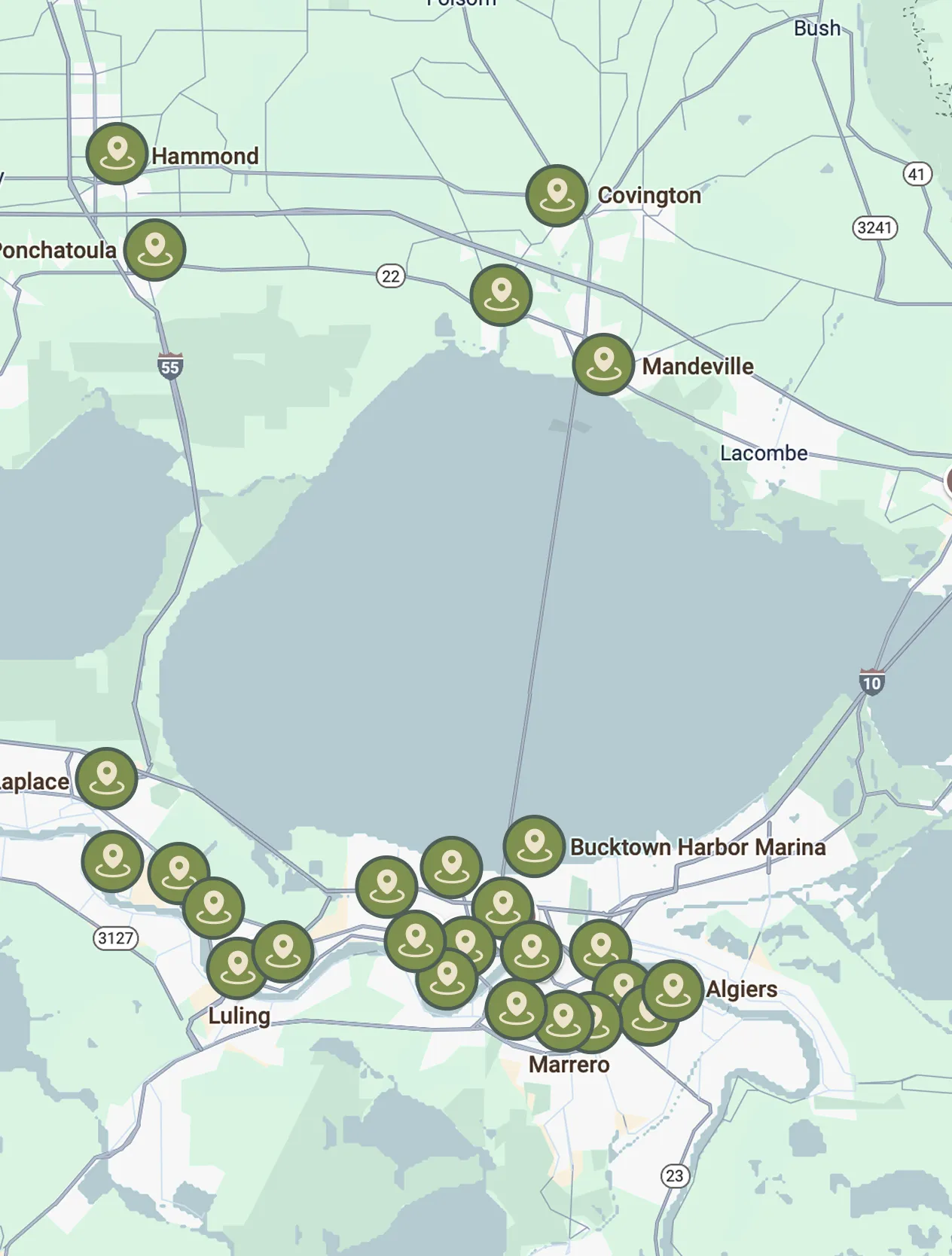
Service areas
Our service areas are designed to meet the diverse needs of our clients. We focus on providing exceptional service and ensuring customer satisfaction in every location we operate.