AC Repair in New Sarpy, LA
.webp)
Experiencing AC trouble in New Sarpy, LA? This guide from Cypress Cooling offers practical advice for diagnosing and resolving common AC issues. We'll walk you through identifying thermostat problems, refrigerant leaks, compressor failures, weakened airflow, and unusual noises. Learn about our stepbystep diagnostic and troubleshooting procedures, emergency and sameday service options, and what to expect from the initial assessment to final verification. We also explain parts, warranties, financing options, and preventive maintenance plans specifically tailored to our local climate, helping New Sarpy homeowners maximize their AC's performance, reliability, and lifespan.
-min.webp)
Air Conditioning Repair in New Sarpy, LA
Keeping your air conditioning running reliably is critical in New Sarpy, LA, where hot, humid summers and storm season put extra strain on HVAC systems. Professional air conditioning repair in New Sarpy, LA focuses on restoring comfort quickly, preventing repeat breakdowns, and protecting your system from humidity and corrosion-related problems common to the Mississippi River corridor. Below is a practical, decision-focused guide to the most common AC issues in the area, how technicians diagnose and repair them, emergency options and timelines, parts and warranty expectations, and proven prevention tips tailored to local needs.
Common air conditioning repair issues in New Sarpy, LA
- Thermostat problems
- Symptoms: unit won’t start, short cycling, incorrect temperature.
- Causes: dead batteries, faulty sensors, poor calibration, or communication failure between thermostat and system.
- Why it matters in New Sarpy: homeowners who program thermostats to handle humidity swings may mask underlying system stress.
- Refrigerant leaks
- Symptoms: reduced cooling, ice on evaporator coils, hissing sounds.
- Causes: worn brazed joints, corroded coils, mechanical damage.
- Local factor: humid, salty air can accelerate corrosion on outdoor coils and lines.
- Compressor failures
- Symptoms: outdoor fan runs but no cooling, tripped breakers, loud humming or grinding.
- Causes: motor burnout from age or overheating, electrical supply problems, or insufficient refrigerant.
- Impact: compressor replacement is a major repair and often dictates repair vs replacement decisions.
- Weak airflow
- Symptoms: uneven cooling, low volume from vents.
- Causes: clogged air filter, obstructed ductwork, failing blower motor, or closed/blocked vents.
- Local factor: pollen and humidity in the New Sarpy area can clog filters faster than drier regions.
- Unusual noises and odors
- Symptoms: banging, rattling, screeching, burning smells.
- Causes: loose panels, failing bearings, debris in the outdoor unit, or electrical issues.
- Safety note: burning odors and electrical noises should be treated as potential hazards.
Diagnostic and troubleshooting procedures
- Initial assessment
- Confirm symptoms, recent maintenance history, and any relevant events (power surges, storms).
- Visual inspection of indoor and outdoor units for obvious damage, corrosion, or debris.
- Electrical and safety checks
- Test breakers, fuses, contactors, and capacitors with meters.
- Verify proper voltage and phase to the compressor and fan motors.
- Performance testing
- Measure refrigerant pressures with gauges and check temperature drops across the evaporator.
- Inspect airflow at registers and examine blower operation.
- Leak detection and coil inspection
- Use electronic leak detectors or UV dye as needed.
- Evaluate coil condition for corrosion or blockage common in humid, coastal-adjacent areas.
- Controlled troubleshooting
- Run the system under load to reproduce issues (short cycling, noise, or shutdown).
- Recommend next steps based on findings: minor fixes, parts replacement, or more extensive system work.
Emergency and same-day repair options
- What qualifies as an emergency
- No cooling during extreme heat posing health risk, refrigerant leaks with strong odors, or electrical hazards (sparks, burning smells).
- Priority response
- Emergency dispatch typically focuses on restoring safe operation first: isolating electrical faults, shutting off leaking refrigerant, or stabilizing temperature control.
- Same-day repairs
- Many common fixes—thermostat replacement, blower motor repair, capacitor or contactor swap, refrigerant top-offs for diagnosed, non-leaking systems—can be completed same day if parts are available.
Typical repair process and timelines
- On-site diagnosis
- Initial assessment and tests, usually 30 minutes to an hour for typical residential systems.
- Simple repairs
- Thermostat or filter replacement, capacitor or contactor swaps, and small electrical fixes often done in a few hours.
- Moderate repairs
- Refrigerant leak repairs, coil cleaning, or blower motor replacement may take half a day to a full day depending on access and parts availability.
- Major repairs
- Compressor replacement, significant ductwork repairs, or compressor/condenser rebuilds can take one to several days and may require special-order parts.
- Follow-up verification
- After repair, technicians recheck system pressures, temperatures, and controls to confirm performance and stability.
Parts, warranties, and quality considerations
- Common replacement parts
- Capacitors, contactors, thermostats, blower motors, compressors, refrigerant lines, and outdoor fan motors.
- OEM vs aftermarket
- OEM parts match manufacturer specifications and may preserve equipment warranties; quality aftermarket parts can be cost-effective but verify compatibility and warranty coverage.
- Warranty expectations
- Parts often carry manufacturer or supplier warranties for a limited term; labor warranties vary by service provider. Keep documentation of parts and service for warranty claims and future resale value.
Financing and scheduling insights
- Financing options typically available
- Many homeowners use payment plans, low-interest financing, or short-term promotional offers through third-party lenders to spread costs of major repairs or replacements.
- Pre-qualification processes and application timelines vary; approvals are often quick, allowing repairs to proceed without delay.
- How scheduling usually works
- Providers typically ask for address, equipment make/model, a clear description of symptoms, and preferred availability. Emergency and same-day slots are prioritized for health and safety concerns.
Preventive maintenance tips for New Sarpy homes
- Change filters more often
- In humid, pollen-prone Louisiana summers, check and replace filters every 1 to 3 months depending on use and indoor air quality.
- Schedule routine tune-ups
- Seasonal inspections in spring and fall catch issues before peak cooling demand and reduce emergency repairs.
- Protect the outdoor unit
- Keep debris, vegetation, and stored items at least two feet from the condenser to ensure airflow and reduce corrosion risk.
- Control humidity
- Use programmable thermostats and dehumidification strategies to lower strain on your AC during prolonged humid spells.
- Prepare for storms
- Secure outdoor units before severe weather, and consider surge protection for the system to guard against electrical damage during thunderstorms common to the region.
- Address small problems early
- Unusual noises, soft airflow, or brief cycling are early warning signs. Timely repairs generally cost less and extend equipment life.
Long-term benefits of prompt repair
Timely, professional air conditioning repair in New Sarpy, LA restores comfort quickly, prevents costly secondary damage, improves energy efficiency, and enhances indoor air quality—especially important in a humid, coastal-influenced climate. Regular maintenance and prompt attention to diagnostic findings help maximize the lifespan of your system and minimize unplanned downtime during peak heat and storm season.
OUR CLIENTS HAVE TO SAY ABOUT US



Service areas
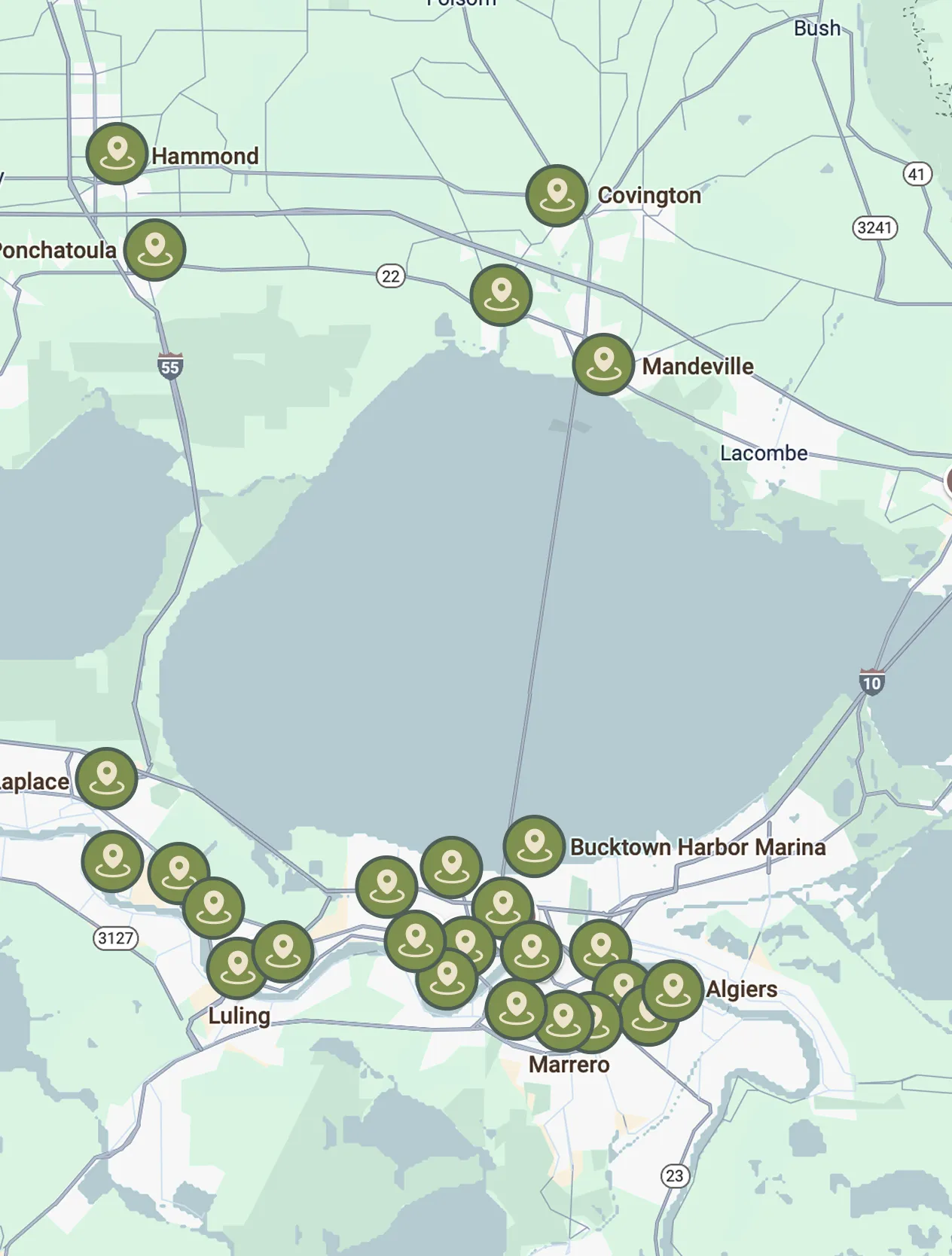
Our service areas are designed to meet the diverse needs of our clients. We focus on providing exceptional service and ensuring customer satisfaction in every location we operate.