AC Installation in New Sarpy, LA
.webp)
Thinking about AC installation in New Sarpy, LA? It's more than just slapping in a unit. It's a carefully planned process, ensuring everything from the initial site assessment to the final commissioning meets code. That means accurate sizing is key, along with a thorough ductwork evaluation. Cypress Cooling pays close attention to equipment mounting, refrigerant piping, and proper condensate management. We also handle warranty registration, so you're covered. Don't forget permits and energy considerations! We walk homeowners through everything, emphasizing humidity control, efficiency, and longterm reliability. Plus, we offer financing options and postinstall maintenance guidelines to ensure durable comfort and protection against weatherrelated damage in our humid, floodprone environment.
-min.webp)
Air Conditioning Installation in New Sarpy, LA
An efficient, properly installed air conditioning system is essential for comfort, indoor air quality, and long-term energy savings in New Sarpy, LA. With hot, muggy summers, frequent thunderstorms, and a risk of seasonal flooding, choosing the right equipment and installation approach makes a measurable difference in performance and durability. This page explains the full new air conditioning installation process for New Sarpy homes, common local concerns, system options, and what to expect from professional installation through commissioning and post-install care.
Why a tailored installation matters in New Sarpy, LA
New Sarpy homeowners face high humidity, extended cooling seasons, and occasional extreme weather. Those conditions increase demand on equipment and raise risks for issues like mold in ducts, accelerated outdoor-unit corrosion, and condensate overflow. A tailored installation accounts for:
- Accurate system sizing to avoid short cycling and poor humidity control.
- Duct evaluation and sealing to prevent energy loss and moisture infiltration.
- Elevating and protecting outdoor equipment from standing water and storm events.
- Selecting components with corrosion resistance and humidity control features.
Common air conditioning types for New Sarpy homes
Choosing the right system depends on home size, layout, ductwork condition, and budget. Typical options include:
- Split systems: Traditional central air with an outdoor condenser and indoor air handler. Good for whole-home cooling when ductwork is in good condition.
- Packaged units: All components in a single outdoor cabinet. Often used for homes without indoor mechanical closets or limited indoor space.
- Ductless mini-splits: Ideal for older homes without ducts or for room additions. Provide zoned control and high efficiency.
- Heat pumps: Efficient year-round option where heating demand is modest. Modern heat pumps also offer strong dehumidification and high SEER ratings.
Initial site assessment and correct sizing
A professional installation begins with a thorough site assessment:
- Home walk-through: Inspect existing equipment, ducts, insulation, attic ventilation, and electrical service.
- Load calculation: Perform a heat load calculation (detailed sizing) considering square footage, insulation, windows, occupancy, and New Sarpy climate factors. Proper sizing prevents short cycling and improves humidity control.
- Ductwork evaluation: Measure airflow capacity, check for leaks, assess insulation R-values, and look for mold, rust, or disconnected runs. Poor ductwork often undermines even the best new equipment.
Ductwork considerations in humid climates
In New Sarpy, ductwork often needs improvement as part of installation:
- Seal and insulate: Sealing leaks and insulating ducts reduces energy loss and prevents humid attic air from condensing inside ducts.
- Return-air balance: Ensure sufficient return-air pathways to maintain designed airflow and pressure.
- Moisture control: Address areas prone to condensation and evaluate duct materials for corrosion or biological growth.
Professional installation procedures
A high-quality installation follows industry best practices:
- Electrical and permits: Confirm electrical capacity and circuit sizing; facilitate any required local permits and inspections with St. Charles Parish or appropriate local authority.
- Mounting and placement: Set outdoor units on stable pads elevated above expected flood levels; position to allow airflow and service access while minimizing exposure to prevailing weather.
- Refrigerant and piping: Properly size and route refrigerant lines, insulate refrigerant lines, and perform leak tests.
- Condensate management: Install appropriately sized drains and, where needed, condensate pumps or secondary drain pan solutions to prevent overflow during heavy humidity conditions.
- Mechanical fastenings: Secure units and service panels to withstand strong winds; use corrosion-resistant materials in coastal or industrial environments.
Commissioning and post-install testing
Commissioning verifies the system operates as designed:
- Refrigerant charge and pressures: Check and adjust refrigerant levels for optimal performance.
- Airflow and temperature split: Measure airflow (CFM) and confirm correct temperature differential across the evaporator coil.
- Electrical checks: Verify proper voltage, amperage, and safety controls.
- Duct leakage and balancing: Test for excessive duct leakage and adjust dampers to ensure balanced zones.
- System diagnostics: Run a full diagnostic cycle to confirm defrost control (if heat pump), fan operation, and thermostat interfacing.
User orientation and maintenance recommendations
A complete installation includes homeowner orientation and clear maintenance guidance:
- System walkthrough: Explain thermostat operation, filter access, condensate drain location, and breaker labeling.
- Filter guidance: Recommend filter type and replacement frequency. In humid climates, more frequent filter checks and a higher-quality filter can help indoor air quality.
- Seasonal maintenance: Advise annual or biannual tune-ups, coil cleaning, condensate drain inspection, and refrigerant checks to maintain efficiency and prevent failures.
- Humidity control: Discuss options for managing indoor humidity, such as variable-speed systems, dedicated dehumidifiers, or smart controls.
Permits, code compliance, and warranty registration
Installations must meet local building codes and manufacturer requirements:
- Local compliance: Ensure all work complies with local permitting and inspection processes in St. Charles Parish and New Sarpy jurisdiction. Proper permits protect both safety and resale value.
- Code standards: Installation follows applicable electrical and mechanical code standards for safe, reliable operation.
- Warranty registration: Proper registration and documentation preserve manufacturer warranties. Provide homeowners with equipment manuals, warranty details, and maintenance schedules.
Financing options and energy considerations
Many homeowners fund new installations through financing solutions that match budgeting needs while reducing immediate expense. Energy-efficient systems with higher SEER ratings and modern controls often lower monthly operating costs and may qualify for rebates or incentives available in the region. When evaluating options, consider lifecycle cost: initial purchase, energy consumption in New Sarpy’s climate, maintenance, and expected service life under local conditions.
Long-term benefits of a professional installation
A properly sized and installed air conditioning system delivers:
- Consistent comfort with better humidity control during hot New Sarpy summers.
- Lower energy bills through improved efficiency and sealed duct systems.
- Reduced risk of premature equipment failure from poor installation, moisture damage, or inadequate airflow.
- Better indoor air quality by reducing dust, mold, and excess humidity.
Choosing a thorough, code-compliant installation that accounts for New Sarpy weather patterns and common local building characteristics helps ensure reliable comfort and long-term value for your home.
OUR CLIENTS HAVE TO SAY ABOUT US



Service areas
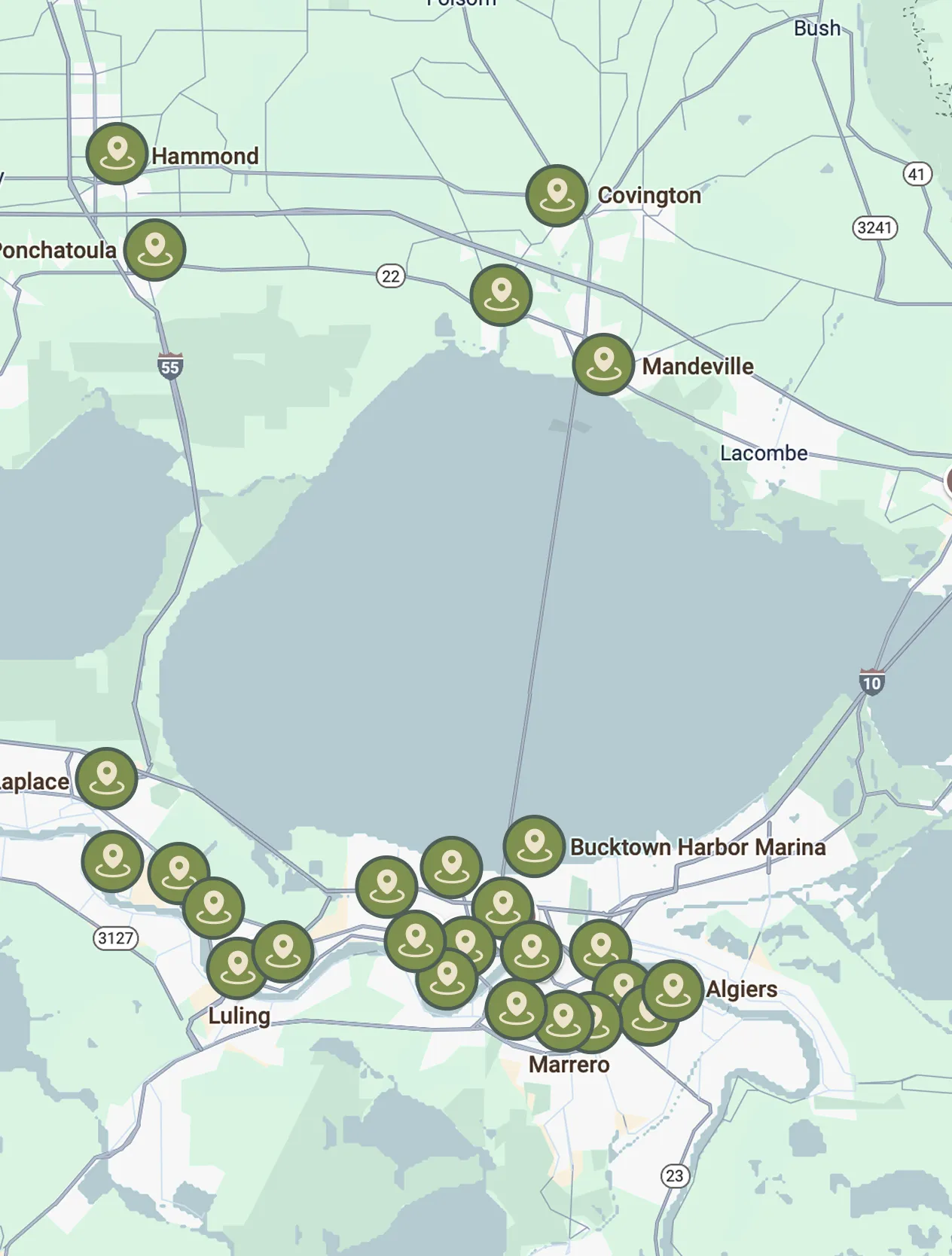
Our service areas are designed to meet the diverse needs of our clients. We focus on providing exceptional service and ensuring customer satisfaction in every location we operate.