AC Repair in Harvey, LA
.webp)
Cypress Cooling provides comprehensive AC repair services in Harvey, LA, helping you decide when to repair versus replace your unit. Our certified technicians excel at diagnosing issues, and we'll clearly explain what to expect from common repairs, including information on parts, warranties, and financing options. We understand Harvey’s climate and how it affects AC performance. We address typical symptoms like poor temperature control, strange noises, and leaks, using a structured diagnostic process from the initial consultation to thorough system checks. Cypress Cooling also provides clear timeline expectations, emergency service options, and preventive maintenance tips to extend equipment life and improve energy efficiency.
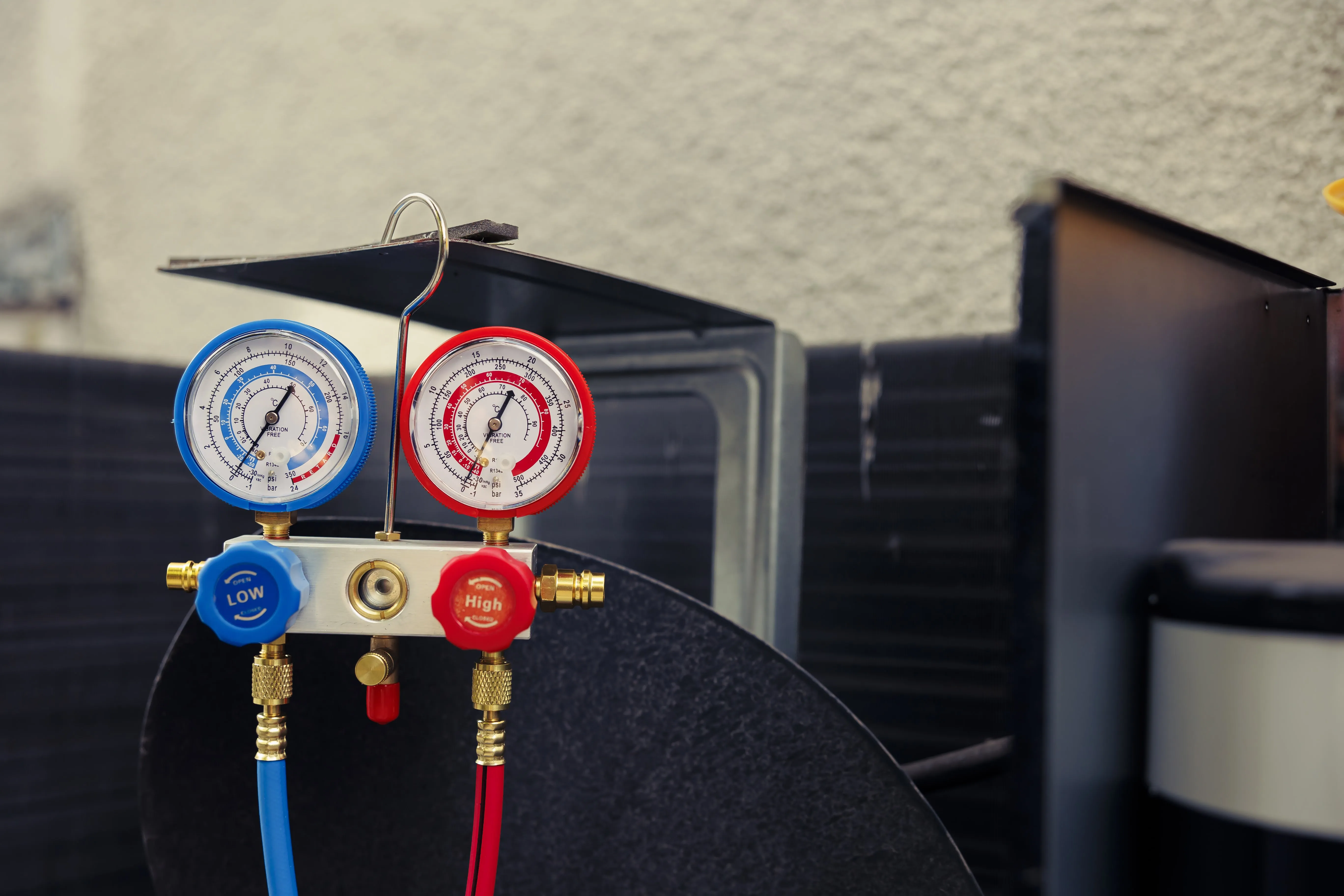
Air Conditioning Repair in Harvey, LA
When your air conditioner struggles in the humid South Louisiana heat, comfort and indoor air quality drop quickly. Air Conditioning Repair in Harvey, LA explains the common symptoms Harvey homeowners see, how certified technicians diagnose problems, typical repair options and timelines, parts and warranty considerations, emergency response expectations, pricing realities, and what to expect when scheduling or applying for financing. This page is geared to help you make an informed decision about repairing versus replacing an AC system in Harvey’s coastal climate.
Why location matters: Harvey, LA climate effects on AC systems
Harvey experiences long, hot, humid summers and a coastal environment that accelerates corrosion. High humidity forces HVAC systems to run longer, increasing wear on components. Salt air and frequent storms raise the risk of condenser corrosion and outdoor electrical issues. Those local factors make timely diagnosis and repair more important to prevent repeated failures and reduce energy costs.
Common AC problems in Harvey, LA (symptoms and likely causes)
Recognizing symptoms helps prioritize repairs. Common AC repair issues in Harvey include:
- No cooling or warm air
- Possible causes: refrigerant leak, failed compressor, stuck reversing valve (heat pump), or a malfunctioning thermostat.
- Poor airflow
- Possible causes: clogged air filter, blocked ductwork, failing blower motor, or a frozen evaporator coil.
- Strange noises (clanking, grinding, hissing)
- Possible causes: loose fan blades, failing motor bearings, refrigerant leaks (hissing), or debris in the condenser.
- Frequent short cycling
- Possible causes: electrical issues, bad thermostat, incorrect refrigerant charge, or an oversized/undersized system.
- Thermostat faults or inconsistent temperatures
- Possible causes: miscalibration, poor placement, wiring faults, or control board issues.
- Water leaks or moisture problems
- Possible causes: clogged condensate drain, frozen evaporator coil, or damaged drain pan.
- Higher than normal utility bills
- Possible causes: dirty coils, low refrigerant, failing compressor, or aged inefficient equipment.
How technicians diagnose AC problems
A professional diagnostic follows a systematic process so repairs address root causes, not symptoms:
- Interview and symptom verification
- The technician confirms what you’ve noticed and when problems occur.
- Visual and safety inspection
- Checks for obvious issues: tripped breakers, blocked vents, visible corrosion, or refrigerant oil stains.
- Airflow and temperature measurements
- Measures supply and return temperatures, static pressure, and airflow to locate restriction or performance gaps.
- Electrical and component testing
- Tests capacitors, contactors, motors, and control boards with gauges and meters.
- Refrigerant system check
- Inspects for leaks, measures pressures and superheat/subcooling when relevant.
- System history and efficiency evaluation
- Reviews system age, maintenance history, and expected remaining life to recommend repair vs replacement.
Typical diagnostic appointments take 30 to 90 minutes depending on complexity and access.
Typical repair options and timelines
Repairs are scoped based on diagnosis. Common repair options include:
- Simple repairs (same-day possible)
- Replacing run capacitors, contactors, fuses, thermostat replacement, unclogging condensate drains, or minor blower motor work.
- Moderate repairs (same-day to a few days)
- Refrigerant recharge and leak repair, fan motor replacement, or control board replacement. Parts may be stocked or ordered.
- Major repairs (1 to several days)
- Compressor replacement, condenser coil replacement, or matched refrigerant circuit components. These often require more labor, larger parts, and system evacuation and recharge.
- System replacement
- When the compressor or multiple major components fail on older units, full system replacement may be more cost-effective.
Local parts availability can affect timelines. In Harvey, coastal corrosion may necessitate replacing multiple outdoor components at once to prevent near-term follow-up repairs.
Parts, brands, and warranty information
- Parts used
- Technicians commonly replace capacitors, contactors, fan motors, compressors, coils, thermostats, and expansion devices. OEM parts preserve manufacturer performance, while quality aftermarket parts can be appropriate for certain repairs.
- Warranties
- Manufacturer warranties vary by part and model; typical parts warranties range from 1 to 10 years depending on the component and registration. Labor warranties for repairs commonly range from 30 to 365 days. Extended warranties and service agreements are available through many providers and can cover both parts and labor for specified terms.
- Documentation
- Good repair documentation includes a clear list of replaced parts, serial numbers, warranty durations, and maintenance recommendations.
Emergency response and after-hours service
Harvey homeowners often need fast service during heatwaves or after storms. Many local HVAC providers offer emergency or after-hours repair options. Expect varying response windows: same-day during business hours, and a few-hours to next-day response for emergency calls depending on technician availability and weather conditions. In storm season, lead times may increase because of higher demand and accessibility issues following severe weather.
Pricing expectations (what affects cost)
Pricing depends on scope, parts, and system age. Factors that influence cost include:
- Diagnostic fee and the depth of testing required
- Cost of replacement parts and whether OEM parts are used
- Labor intensity and whether the repair requires permits or additional electrical/plumbing work
- System accessibility and whether additional materials (refrigerant, fittings) are required
- Whether the repair is performed during emergency or after-hours service
Smaller component repairs are quicker and less costly; replacing major components or entire systems is more substantial. Financing options are frequently available to spread repair or replacement costs over time.
How scheduling and financing typically work
When preparing for a service appointment or finance application, have the following ready:
- System information: brand, model, age, and any error codes shown on the thermostat or control board
- A clear description of symptoms and when they occur
- Access logistics: where units are located, gate codes, or restricted access notes
Financing programs often use a streamlined application process with instant or near-instant pre-qualification and a soft credit check. Approved financing can cover repairs or full replacements and typically offers a range of term lengths. Documentation required usually includes basic personal information and proof of income for larger financing amounts.
Preventive maintenance and long-term benefits
Timely repairs and routine maintenance extend equipment life, improve comfort, and reduce energy bills. Recommended maintenance steps for Harvey homes include:
- Seasonal tune-ups before summer to check refrigerant, clean coils, and test electrical components
- Replacing air filters every 1 to 3 months depending on use
- Keeping the condenser clear of debris and vegetation
- Flushing condensate lines yearly to prevent backups
- Inspecting outdoor units after storms for damage or corrosion
Addressing minor issues early prevents larger breakdowns during hot, humid periods common in Harvey.
ConclusionUnderstanding the typical symptoms, diagnostic process, repair options, timelines, and warranty considerations helps Harvey homeowners make confident decisions when faced with AC problems. Coastal climate factors increase the importance of prompt, professional diagnostics and corrosion-aware repairs. Proper documentation, honest repair scopes, and available financing options make it possible to restore reliable cooling without surprises while maximizing system life and efficiency.
OUR CLIENTS HAVE TO SAY ABOUT US


Service areas
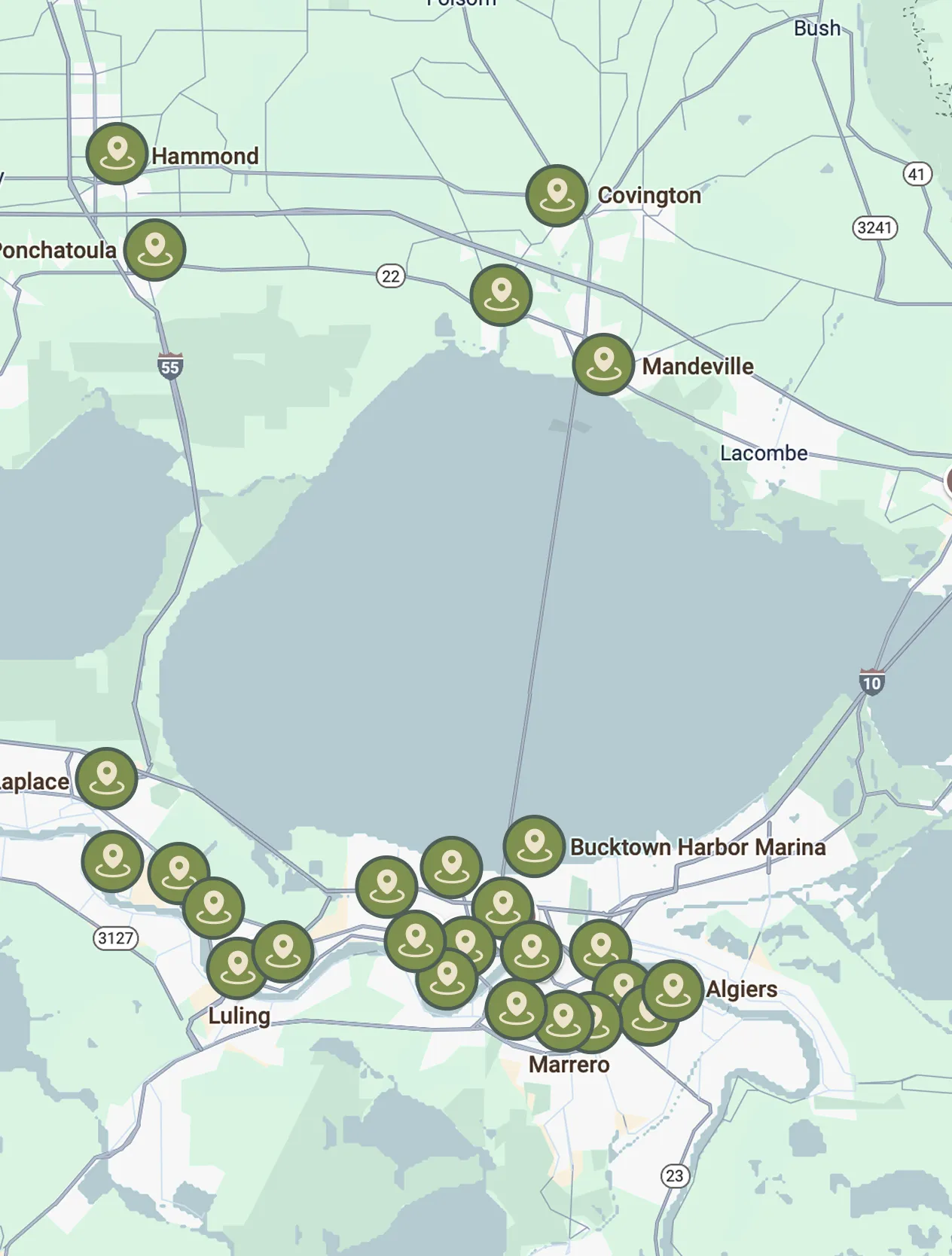
Our service areas are designed to meet the diverse needs of our clients. We focus on providing exceptional service and ensuring customer satisfaction in every location we operate.