AC Installation in Harvey, LA
.webp)
Installing a new AC in Harvey, LA? Cypress Cooling guides homeowners through the full process, from the initial assessment to the final startup. Our services emphasize proper sizing, ductwork evaluation, and corrosion resistant equipment suited for our coastal, humid climate. Homeowners benefit from our expert load calculations, permitting assistance, site preparation, refrigerant handling, duct sealing, and system testing. Cypress Cooling also provides maintenance tips and warranty guidance to ensure long term performance, energy efficiency, and protection against salt air and storm damage.
.webp)
Air Conditioning Installation in Harvey, LA
Installing a new air conditioning system is one of the most important investments you can make for year-round comfort and energy savings in Harvey, LA. With South Louisiana’s hot, humid summers, salt air from nearby Lake Pontchartrain, and frequent summer storms, selecting the right equipment and installing it correctly is essential to control temperature, reduce indoor humidity, and protect the system from premature corrosion or storm damage. This page outlines what a complete AC installation looks like in Harvey homes, common local concerns, the technical and permitting steps involved, and practical tips to maximize performance and longevity.
Why a proper AC installation matters in Harvey, LA
- High humidity in Harvey increases latent cooling needs, so systems must control moisture as well as temperature.
- Coastal salt air accelerates corrosion on outdoor units if not properly protected or elevated.
- Older homes in Jefferson Parish often have undersized or leaky ductwork that undermines new equipment efficiency.
- Proper sizing and airflow are more important here than in milder climates to avoid short-cycling and poor dehumidification.
Common AC installation types and local considerations
- Central split systems (most common): Indoor evaporator coil with outdoor condenser. Good for whole-home cooling when paired with properly sized ductwork.
- Heat pump systems: Efficient year-round in South Louisiana, can provide cooling and modest heating during mild winters.
- Ductless mini-split: Useful for non-ducted rooms, additions, or historic Harvey homes without existing ducts.
- Packaged rooftop units: Common for some commercial or multi-family buildings.
When choosing a system in Harvey, prioritize high SEER ratings for efficiency, variable-speed blower motors for better humidity control, and corrosion-resistant outdoor coatings or elevated pads to reduce salt and flood risk.
Site assessment and load calculation
A professional installation begins with a thorough site assessment:
- Manual J load calculation: Determines the correct cooling capacity based on home size, insulation, window orientation, occupancy, and local climate variables like humidity and solar gain.
- Duct system inspection (Manual D input): Evaluates leakage, sizing, insulation, and airflow distribution. Many Harvey homes need duct sealing, insulation, or rebalancing to get full value from a new system.
- Electrical inspection: Confirms circuit capacity, breaker sizing, and that the home’s electrical infrastructure meets manufacturer requirements.
- Outdoor unit placement: Assess for airflow clearance, shading, salt exposure, and elevation to protect against flooding during heavy storms.
Correct sizing prevents short-cycling, improves humidity control, and delivers longer equipment life — especially important in a humid climate like Harvey.
Equipment selection and compatibility
- Choose capacity based on the Manual J result, not on rule-of-thumb tonnage.
- Prefer variable-speed compressors and ECM blower motors for superior comfort and humidity control.
- Select equipment rated for the refrigerant in use (current systems use R-410A or newer approved refrigerants; R-22 is phased out).
- Consider corrosion-resistant fins and coated coils for coastal salt exposure.
- Match the indoor coil and air handler to the outdoor condenser to preserve efficiency and warranty coverage.
Ductwork assessment and necessary modifications
- Inspect and measure airflow, static pressure, and run-lengths to determine if ducts need resizing.
- Seal leaks with mastic or UL-181 approved tape and add insulation to ducts in unconditioned spaces.
- Install or upgrade return pathways and zoning dampers if rooms are unevenly cooled.
- Replace undersized or highly deteriorated duct runs to avoid wasted capacity and energy.
Permitting and code compliance
- Harvey is in Jefferson Parish; installations typically require local permits and must comply with the Louisiana State Uniform Construction Code and any parish-level amendments.
- Permit requirements usually include proof of equipment ratings, proper refrigerant handling, electrical permits, and final inspections.
- Licensed technicians will prepare permit documentation, ensure code-compliant electrical and condensate installations, and coordinate inspections with local authorities.
Step-by-step installation process
- Pre-install planning: final equipment selection, load and duct calculations, and permit submission.
- Site preparation: protect flooring, set outdoor unit pad, and prepare electrical disconnect.
- Remove old equipment: recover refrigerant in compliance with federal regulations, safely remove existing unit.
- Install indoor unit and coil: mount air handler or evaporator coil and connect drain lines and condensate safety devices.
- Route and braze refrigerant lines: run insulated refrigerant lines and perform vacuum pulls to remove moisture and air.
- Electrical connections: wire the unit to the dedicated circuit, install safety disconnects, and connect thermostat wiring and controls.
- Duct connections and sealing: attach plenum, seal joints, and add any required duct modifications.
- Startup and charging: meter superheat and subcooling to verify proper refrigerant charge and airflow.
- Clean up and site restoration.
Post-installation testing and homeowner walkthrough
- Performance testing: verify target temperature drops, airflow at registers, electrical draw, refrigerant charge, and sensor calibration.
- Humidity and comfort checks: confirm system reduces indoor humidity to comfortable levels without excessive runtime.
- Safety checks: ensure condensate removal, overflow protection, and electrical safety devices operate correctly.
- Walkthrough: explain thermostat use, filter locations, routine maintenance, and any new components. Provide all manufacturer documentation and warranty information.
Warranty registration and records
- Register manufacturer warranties promptly to activate coverage and document installation details that may affect claims.
- Keep a folder with equipment serial numbers, installation date, load calculations, permits, and service records.
- Understand warranty terms: many warranties require regular professional maintenance to remain valid.
Tips to optimize system performance in Harvey
- Change or clean filters monthly during heavy use and at least every 3 months otherwise.
- Schedule professional tune-ups annually, ideally before the cooling season, to maintain efficiency and catch small issues.
- Seal and insulate ducts in attics and crawlspaces to prevent efficiency loss.
- Improve attic ventilation and add insulation where needed to reduce cooling loads.
- Install a programmable or smart thermostat and set sensible schedules to reduce runtime while preserving comfort.
- Keep at least 2-3 feet of clearance around the outdoor unit; rinse salt buildup from coils periodically and consider a sacrificial coating if near open water.
- Elevate the outdoor unit or use a reinforced pad if flooding is a concern in your neighborhood.
Final notes on value and long-term protection
A properly planned and executed AC installation balances correct sizing, efficient equipment, sealed ductwork, and code-compliant work—especially important in Harvey’s humid, coastal climate. The right system will deliver improved comfort, lower energy costs, and reduced humidity, while corrosion-resistant choices and proper siting help protect your investment against salt air and storm impacts. Keeping thorough records, registering warranties, and committing to routine maintenance are the simplest ways to preserve performance and extend system life.
OUR CLIENTS HAVE TO SAY ABOUT US



Service areas
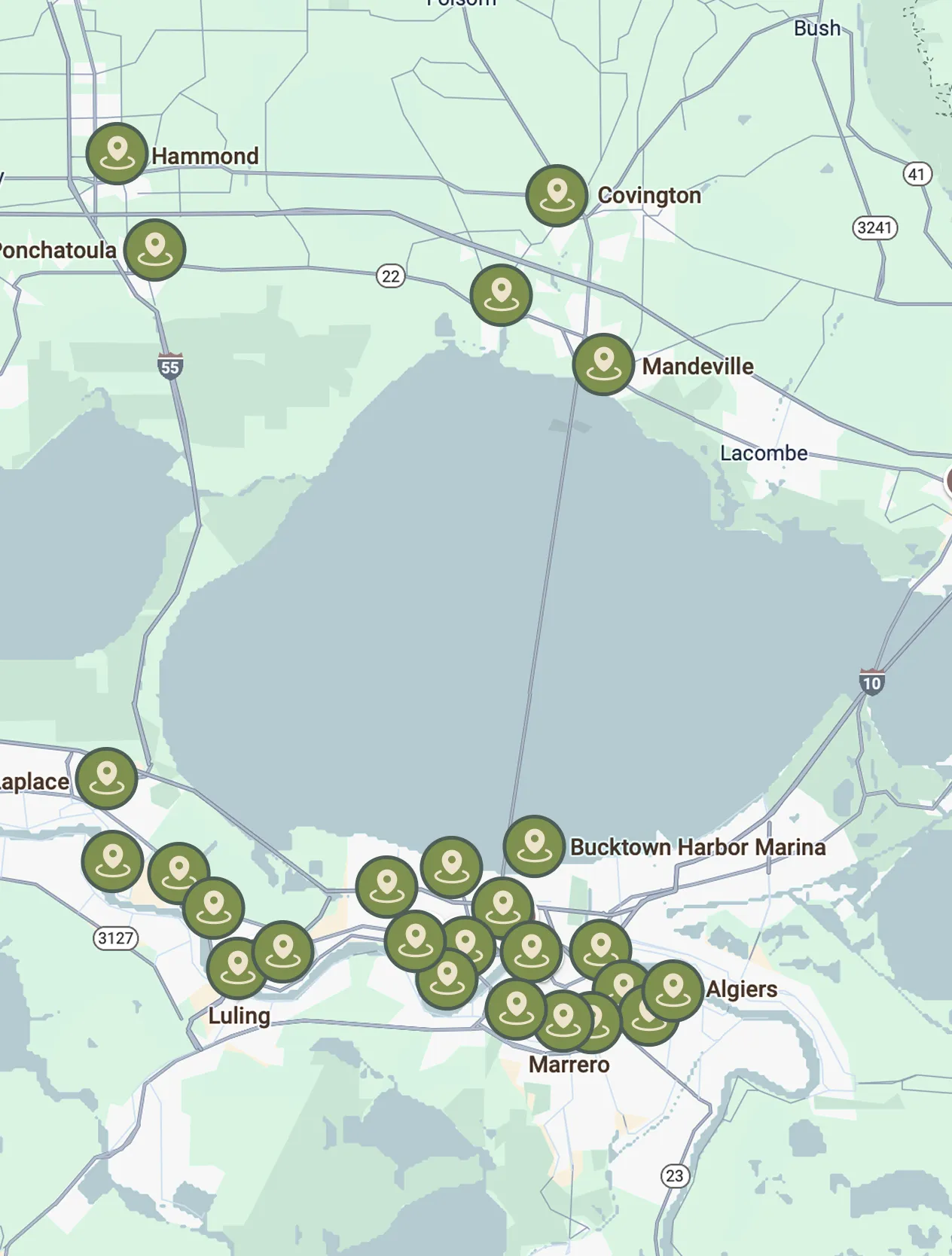
Our service areas are designed to meet the diverse needs of our clients. We focus on providing exceptional service and ensuring customer satisfaction in every location we operate.