AC Installation in Norco, LA
.webp)
AC installation in Norco, LA requires a detailed approach, especially considering our unique climate. Cypress Cooling starts with a comprehensive assessment and load calculation, followed by a careful look at your ductwork and electrical placement. We help you select the right equipment tailored to southeast Louisiana conditions. Our stepbystep installation workflow covers everything from site prep to refrigerant charging, sealing, and commissioning. Accurate sizing, corrosionresistant components, and effective humidity control are our priorities. We also provide postinstallation orientation, assist with permits, explore financing options, and offer maintenance tips designed to maximize comfort, energy efficiency, durability, and longterm home value in the region. Homeowner education and ongoing support are always part of the Cypress Cooling package.
Air Conditioning Installation in Norco, LA
Installing a new air conditioning system in Norco, LA is about more than comfort. With hot, humid summers and coastal moisture, the right AC installation improves indoor air quality, reduces energy costs, and protects your home from humidity-related issues. This page explains the full AC installation process for Norco homes: what happens during the initial assessment, key ductwork and electrical considerations, equipment choices that work best in southeast Louisiana, the step-by-step installation workflow, testing and commissioning procedures, post-installation orientation, permitting and compliance, and typical financing options.
Why a proper AC installation matters in Norco, LA
Norco and the surrounding St. Charles Parish experience high heat and humidity for much of the year. That increases cooling loads, raises the importance of dehumidification, and accelerates wear on outdoor equipment due to salty, humid air. A correctly sized and professionally installed air conditioning system will:
- Maintain consistent indoor temperatures and humidity control
- Run efficiently to lower monthly energy bills
- Reduce strain on equipment and extend lifespan
- Prevent moisture problems like mold in attics and wall cavities
Common air conditioning installation types for Norco homes
- Central split systems (most common for single-family homes): outdoor condenser with indoor air handler and ducted distribution
- Heat pump systems: effective year-round option in mild winters and excellent for dehumidification
- Packaged rooftop units: used for certain single-story homes or attached structures
- Ductless mini-splits: ideal for additions, retrofits, or rooms without ductwork
- Zoned systems: multiple thermostats and dampers to control different areas for comfort and efficiency
Initial home assessment and load calculation
A successful installation begins with a detailed home assessment and load calculation. In Norco, this means accounting for:
- Local climate factors: summer heat index and humidity levels
- Home orientation, window area, insulation levels, and attic ventilation
- Construction details: ceiling height, number of occupants, and appliance heat gains
- Condition and layout of existing ductwork, if present
Technicians perform a Manual J style load calculation (or equivalent) to determine the correct cooling capacity in tons. Oversizing leads to short cycles and poor humidity control; undersizing causes constant running and discomfort. Accurate sizing is essential in Norco where humidity control is as important as temperature.
Ductwork and airflow considerations
Proper ductwork is critical for performance:
- Duct evaluation: check for leaks, crushed sections, disconnected joints, and inadequate return paths
- Sealing and insulation: ducts passing through unconditioned attics or crawlspaces should be sealed and insulated to prevent energy loss and moisture condensation
- Right sizing and balancing: ducts and vents must be sized to match airflow requirements for each room, ensuring even comfort and efficient operation
- Return air strategy: sufficient return airflow is essential to prevent pressure imbalances that pull humid outdoor air into the home
- Condensate drainage: slope and protection of drain lines to prevent backups and mold growth, especially important in humid climates
For older Norco homes with minimal or deteriorated ductwork, a duct replacement, repair, or a ductless option may be recommended.
Electrical and equipment placement requirements
AC systems require proper electrical support:
- Service capacity check: confirm your electrical panel can handle the new system, including dedicated breakers and correct amperage for compressors and fans
- Voltage and wiring: most residential systems use 240V circuits; verify wire gauge and disconnect accessibility meet code
- Outdoor unit placement: locate condensers on stable pads, away from heavy salt spray and with sufficient clearance for airflow and service access
- Surge protection and grounding: recommended in coastal and humid environments to protect sensitive electronics
Electrical upgrades are common in older homes and should be planned during the assessment phase to avoid delays.
Recommended equipment options for Norco homes
- High-efficiency SEER-rated units: higher SEERs pay off in long summers with heavy use
- Variable-speed compressors and ECM blower motors: provide better humidity control and quieter operation
- Two-stage compressors: improve comfort during shoulder seasons and reduce cycling
- Whole-home dehumidification or smart thermostats with humidity control: important for maintaining indoor comfort and preventing mold
- Corrosion-resistant outdoor coatings or stainless steel fasteners: extend service life near humid, coastal conditions
Equipment recommendations are tailored based on load calculation results, duct condition, and homeowner priorities for efficiency and comfort.
Step-by-step installation procedures
- Site preparation: protect floors, clear access, and confirm placement of outdoor unit and indoor components
- Remove old equipment if present: safely recover refrigerant, disconnect electrical and ductwork
- Install indoor unit or air handler: secure to framing, connect plenum and supply/return ducts, and insulate lines
- Set outdoor condenser: level on a pad, install vibration isolators, and ensure clearance for airflow
- Refrigerant lines and electrical connections: run and vacuum lines, set correct refrigerant charge, and make electrical hookups per manufacturer specs
- Condensate plumbing: install and test drain lines and traps to prevent leaks or backups
- Sealing and insulation: seal duct joints, insulate lines and any exposed duct runs in unconditioned spaces
Each step follows manufacturer guidelines and local code requirements for safety and performance.
Testing, commissioning, and quality checks
Proper commissioning confirms the system performs as intended:
- Verify correct refrigerant charge and pressures
- Measure airflow at supply registers and confirm design CFM
- Test temperature split across the evaporator coil to ensure efficient cooling
- Check electrical current draw and proper breaker sizing
- Confirm condensate drainage under full-load conditions
- Verify thermostat calibration and control range
- Inspect duct leakage and air balance
Commissioning documents and basic operational readings are typically provided to the homeowner for records.
Post-installation orientation and homeowner education
After installation, homeowners in Norco receive a clear orientation covering:
- Thermostat programming for comfort and humidity control
- Recommended filter types and replacement schedules (MERV ratings vs. airflow tradeoffs)
- Routine maintenance tasks: changing filters, clearing outdoor unit debris, and checking drainage
- Signs of trouble to watch for: unusual noises, rapid cycling, ice on the coil, or water stains
- Seasonal advice for hurricane preparedness and securing outdoor equipment
This ensures you can get the full efficiency and longevity from your system.
Compliance, permitting, and inspections
AC installations must meet local codes and permitting standards in St. Charles Parish and Norco. Typical requirements include:
- Obtaining permits for equipment replacement or new system installation
- Following electrical and mechanical codes for wiring, condensate disposal, and refrigerant handling
- Scheduling inspections where required to confirm safe, code-compliant work
- Proper refrigerant recovery and documentation for environmental compliance
Permitting ensures installations are safe, legal, and insurable.
Financing and investment considerations
Replacing or upgrading an AC system is a significant home investment. Common financing structures include:
- Fixed-term loans or HVAC-specific financing offering predictable monthly payments
- Flexible terms that align with expected energy savings from higher efficiency units
- Energy-efficient incentives or rebates that can offset upfront costs where available
Choosing the right equipment based on load calculations, efficiency, and durability typically results in lower lifetime operating costs—especially in Norco where cooling runs for much of the year.
Long-term benefits and maintenance advice
A professionally planned and installed air conditioning system tailored for Norco conditions delivers:
- Improved indoor comfort and humidity control
- Lower energy consumption and more predictable utility costs
- Reduced risk of moisture-related damage and mold
- Longer equipment life with scheduled preventive maintenance
Recommended maintenance includes biannual tune-ups (spring and fall), regular filter changes, and periodic duct inspections. These actions protect your investment and keep your home comfortable through Norco summers.
This overview explains the full AC installation pathway for Norco, LA homes, from assessment and permitting through commissioning and homeowner education, with attention to local climate and durability needs.
OUR CLIENTS HAVE TO SAY ABOUT US



Service areas
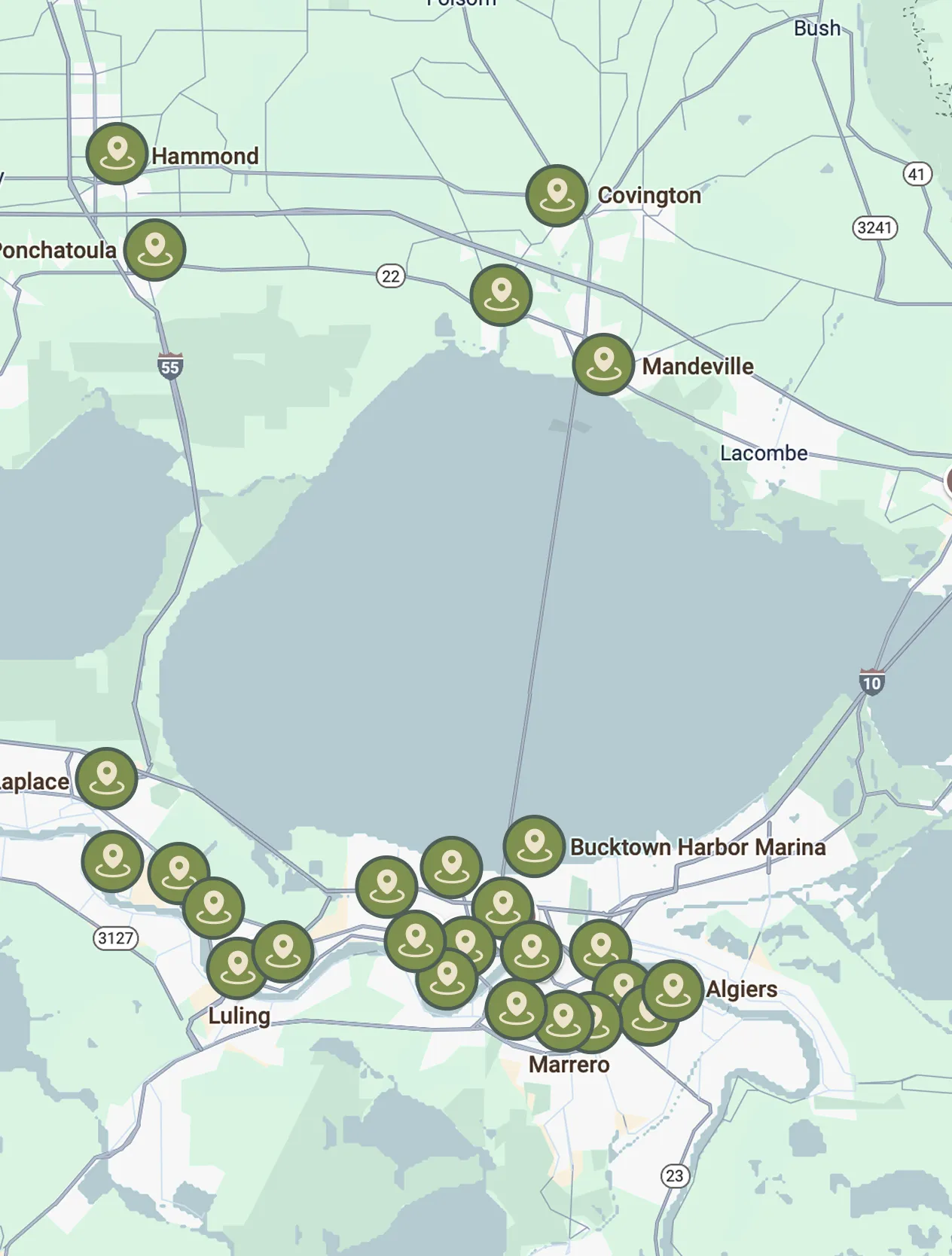
Our service areas are designed to meet the diverse needs of our clients. We focus on providing exceptional service and ensuring customer satisfaction in every location we operate.