Mini Split Replacement in Pontchartrain Gardens, LA
.webp)
Mini Split Replacement in Pontchartrain Gardens, LA
Cypress Cooling recommends mini split replacement in Pontchartrain Gardens, LA, when systems show signs of advanced age, declining efficiency, major component failures, or when your household needs have changed. Our professional evaluation includes a visual inspection, performance testing, refrigerant level checks, and a Manual J load analysis to confirm proper capacity. The process covers selecting high efficiency models, providing accurate sizing guidance, coordinating the removal and disposal of old equipment, and scheduling a smooth installation with clear timelines. Cypress Cooling also offers financing options and maintenance recommendations to maximize comfort, improve energy performance, and ensure long term reliability and peace of mind.
%2520(1)-min%2520(1).jpeg)
Mini Split Replacement in Pontchartrain Gardens, LA
Replacing a mini split is a major decision for Pontchartrain Gardens homes. With hot, humid summers and occasional storm surge or flooding risk near Lake Pontchartrain, an aging or inefficient system can mean uncomfortable indoor conditions, higher energy bills, and greater risk of moisture-related issues. This page explains when replacement is recommended versus repair, how mini split systems are evaluated for replacement, what to consider when choosing energy-efficient models, sizing and capacity guidance, removal and disposal requirements, installation coordination and timelines, and typical financing options available to homeowners in Pontchartrain Gardens, LA.
When to Replace vs Repair
Knowing whether to repair or replace a mini split depends on age, performance, and the nature of the problem.
- Age: Most mini split systems last roughly 10 to 15 years under typical use. Older units that need frequent repairs or no longer meet comfort needs are usually better candidates for replacement.
- Efficiency decline: If the system runs constantly, fails to reach set temperature, or causes noticeable humidity problems, reduced efficiency and refrigerant leaks may indicate replacement is more cost-effective over the long term.
- Major component failures: Compressor or inverter failures, repeated refrigerant leaks, or damaged heat exchangers often make replacement preferable because labor and parts costs can approach or exceed the value of a new, more efficient unit.
- Changing needs: Renovations, added living space, or a desire for better zoning or quieter operation justify replacement even when the old unit still functions.
Evaluation Process for Replacement
A professional evaluation ensures replacement is the right choice for your Pontchartrain Gardens home. Typical steps include:
- Visual inspection of indoor and outdoor units for corrosion, coil condition, and mounting integrity.
- Operational testing to measure cooling and heating performance, airflow, and electrical draw.
- Refrigerant charge check and leak detection.
- Load assessment to determine current capacity versus actual heating and cooling demand, factoring in insulation, window solar gain, ceiling height, and local humidity.
- Cost-benefit analysis comparing ongoing repair expenses and energy use with expected efficiency gains from a new system.
This evaluation often includes a Manual J style load calculation to confirm correct sizing and to avoid undersizing or oversizing for local climate conditions.
Choosing Energy-Efficient Mini-Split Models
Energy efficiency matters in Pontchartrain Gardens both for comfort during humid summers and to keep energy use reasonable.
- Look for high SEER and HSPF ratings: Higher SEER (cooling efficiency) and HSPF (heating efficiency) ratings mean lower energy use. Inverter-driven variable-speed compressors provide significant efficiency and comfort benefits.
- Corrosion-resistant components: For homes near Lake Pontchartrain, choose models with protective coatings on outdoor coils and treated fasteners to resist salt and humidity corrosion.
- Multi-zone vs single-zone: Multi-zone systems let you cool or heat select rooms independently, reducing energy use in homes with variable occupancy or closed-off spaces.
- Dehumidification features: Since humidity control is critical in southeast Louisiana, choose units with enhanced dehumidification modes or integrated humidity management.
- Low-noise operation and advanced controls: Look for models with desirable controls (Wi-Fi thermostats, programmable schedules) and quiet indoor unit ratings if noise matters.
Sizing and Capacity Considerations
Correct sizing is essential for comfort and equipment longevity. Key factors for Pontchartrain Gardens include:
- Local climate load: High humidity and summer heat increase cooling load compared with more temperate regions.
- Home construction: Insulation levels, window type, shading, ceiling height, and airtightness change the required capacity.
- Room usage: Kitchens, sunrooms, and rooms with large glass areas typically need more capacity.
- Zoning strategy: Multiple smaller units often perform better and more efficiently than one oversized unit for a whole house.
A professional installer should perform a detailed load calculation rather than relying on rule-of-thumb BTU per square foot methods to ensure accurate sizing.
Removal and Disposal of Old Equipment
Proper removal protects your property and the environment:
- Refrigerant recovery: Federal and state regulations require certified technicians to recover refrigerant using EPA-compliant equipment before disposal.
- Component recycling: Metal, copper tubing, and electronic controls should be separated and recycled according to local waste management rules.
- Hazardous materials: Oils, capacitors, and certain refrigerants require special handling; disposal follows state and parish guidelines.
- Site protection: In Pontchartrain Gardens, installers should account for potential flooding and elevated outdoor units, staging removal work to avoid mud tracking and to protect landscaping.
Installation Coordination and What to Expect
Installation in Pontchartrain Gardens should consider local weather, home siting, and storm risks.
- Pre-install planning: Permit checks, site assessment for outdoor unit placement (off the ground if flooding is a concern), and selection of corrosion-resistant mounting hardware.
- Day-of installation: A single-zone replacement can often be completed in one day; multi-zone systems or units requiring significant refrigerant linework or electrical upgrades may take multiple days.
- Electrical service: Verify the home’s electrical panel capacity and dedicated circuit availability. Older homes may require panel upgrades or new breakers.
- Commissioning: After installation, technicians will balance airflow, verify refrigerant charge, test controls, and walk through operation with the homeowner.
- Warranty registration and documentation: Ensure manufacturers’ warranty and maintenance recommendations are documented.
Expected Costs and Timelines
Replacement cost is influenced by system capacity, model efficiency, number of zones, necessary electrical or structural upgrades, and any required permitting. Lead times vary with equipment availability and time of year; hot-season demand and supply chain factors can extend wait times. Homeowners should focus on comparative value: upfront equipment and installation quality versus projected energy savings and reduced repair frequency.
Financing Options and Local Incentives
Several financing paths commonly help homeowners manage the cost of replacement:
- Home improvement loans or personal loans tailored to HVAC projects.
- Manufacturer or dealer financing programs that may offer deferred payment or low-rate options.
- Local utility rebates and state energy efficiency incentives: Energy programs and rebates often target high-efficiency units or heat pump technologies. Check with local utility providers and state energy offices for current offerings.
- Energy efficiency financing programs: Options like on-bill financing or property-assessed financing programs may be available in some areas.
Work with an installer who can outline typical financing types and point you toward local incentive resources to maximize available savings.
Benefits of Timely Replacement and Maintenance Tips
Replacing an outdated or failing mini split restores comfort and indoor air quality, reduces energy consumption, and lowers the risk of emergency breakdowns during peak summer heat. After replacement, maintain peak performance by:
- Scheduling annual inspections and cleaning of indoor coils and filters.
- Keeping outdoor units free of debris and raised if flooding risk exists.
- Using recommended thermostats and controls to avoid unnecessary cycling.
A well-chosen, properly installed mini split tailored to Pontchartrain Gardens climate and home conditions delivers reliable comfort and energy efficiency for years to come.
OUR CLIENTS HAVE TO SAY ABOUT US



Service areas
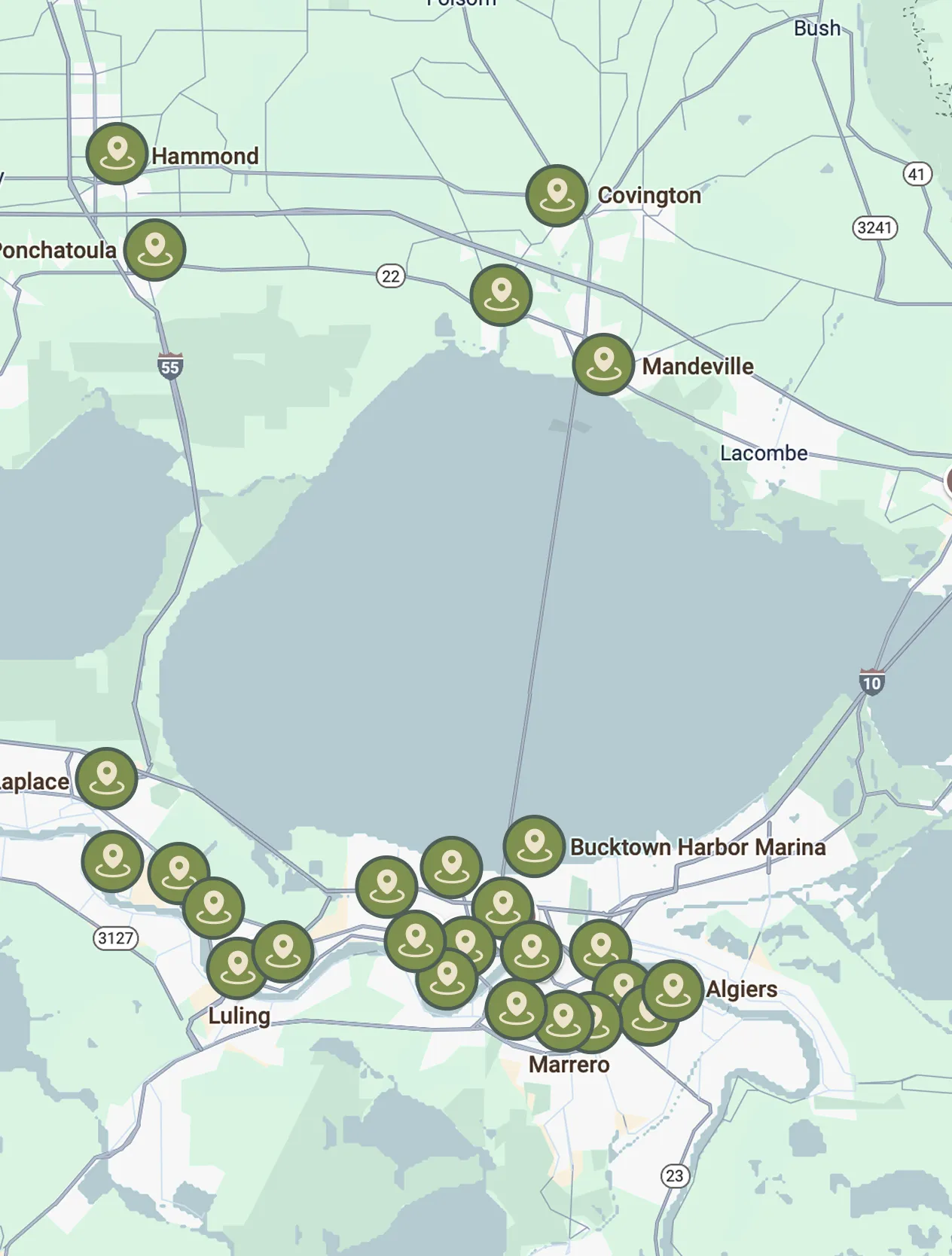
Our service areas are designed to meet the diverse needs of our clients. We focus on providing exceptional service and ensuring customer satisfaction in every location we operate.