Mini Split Repair in Norco, LA
.webp)
Need mini split repair in Norco, LA? Cypress Cooling delivers expert, on site diagnostics and transparent explanations for your ductless systems, which often face challenges under the intense heat and humidity. We address common issues such as thermostat problems, refrigerant leaks, compressor failures, and drainage challenges. Our process includes step by step diagnostic procedures, clear repair options, and realistic timelines. We ensure our technicians are qualified and EPA certified for refrigerant handling, and we provide information on warranty considerations and emergency response. Plus, we offer maintenance tips and a preparation checklist to streamline service and extend your system's life in Norco’s climate.
-min%2520(2).webp)
Mini Split Repair in Norco, LA
Keeping a mini split running reliably is essential in Norco, LA, where long, humid summers and frequent storm activity put extra strain on cooling systems. Whether your ductless wall unit is blowing warm air, making unusual noises, or cycling erratically, prompt, accurate mini split repair in Norco, LA prevents higher costs, comfort loss, and indoor air quality problems. This page explains common faults, step-by-step diagnostics and repairs, expected timelines, parts options, technician qualifications, warranty considerations, emergency response realities for local homes, and maintenance tips to reduce future breakdowns.
Common mini split repair issues in Norco, LA
Residents in Norco commonly encounter these faults, many worsened by heat, humidity, and occasional power fluctuations:
- Thermostat or control problems: Unresponsive remotes, faulty indoor sensors, or communication errors between indoor and outdoor units.
- Refrigerant leaks: Low cooling performance, ice on evaporator coils, or hissing sounds. Humid coastal air and vibration can accelerate line wear.
- Compressor failure: Outdoor unit not starting, humming without running, or tripping breakers. Heavy run-times during heat waves increase compressor stress.
- Fan motor or blade issues: Indoor or outdoor fans that wobble, make scraping noises, or fail to spin.
- Electrical faults: Tripped breakers, burnt connectors, or failed capacitors and contactors from voltage fluctuations.
- Drainage and condensate problems: Clogged drain lines, overflowing drip pans, or mold and odor from persistent humidity.
- Reversing valve or expansion device failures: Loss of heat pump function or inconsistent cooling output.
Step-by-step diagnostic and repair procedures
A structured diagnostic approach identifies the root cause quickly and avoids unnecessary work. Typical steps technicians follow:
- Initial inspection and symptom interview
- Confirm indoor/outdoor unit behavior, error codes, and recent events (storms, power outages, rodents).
- Check filters and visible obstructions.
- Power and control checks
- Verify breaker, disconnect, and low-voltage wiring.
- Test thermostat/controller operation and sensor readings.
- Airflow and mechanical inspection
- Inspect indoor fan motor, blades, and blower assembly.
- Examine outdoor fan, fins, and clear surrounding debris.
- Refrigeration system evaluation
- Measure system pressures and temperatures.
- Look for oil stains, corrosion, or visible damage indicating leaks.
- Use electronic leak detectors or UV dye where appropriate.
- Electrical diagnostics
- Test capacitors, contactors, and motor windings.
- Inspect PCB/control board for burn marks or failed components.
- Repair or replacement planning
- For minor issues (fan motor, capacitor, drain clearing), repair on-site.
- For refrigerant leaks or compressor failures, isolate the failed section, recover refrigerant per regulations, replace faulty components, pressurize, vacuum, and recharge to manufacturer specs.
- Verify operation through full-run testing and temperature verification.
- Post-repair verification
- Run system through heating and cooling cycles, confirm correct pressures, airflow, and stable electrical readings.
- Reset error codes and advise on preventive steps.
Typical repair timelines
Repair duration depends on fault severity and parts availability:
- Minor repairs (filter, fan motor, capacitor, control resets): often completed within a few hours on the first visit.
- Moderate repairs (electrical board, fan assembly, sensor replacement, condensate system work): may require parts ordering and can take from half a day up to a full day.
- Major repairs (compressor replacement, sealed-system repairs for leaks): frequently need refrigerant handling, evacuation, and possibly ordered major components, so expect multi-day timelines in some cases.
Local factors in Norco — such as higher demand during heat waves or storm-related service surges — can extend timelines when parts are backordered or supply chains are impacted.
Parts replacement options
When components fail, homeowners can choose between several options:
- OEM (original equipment manufacturer) parts: Recommended for compatibility and maintaining manufacturer warranty where applicable.
- Aftermarket parts: Often cost-effective and available faster; quality varies by supplier.
- Refurbished cores: A lower-cost option for some components, but with shorter warranties and variable longevity.
Common replaceable components: compressors, indoor/outdoor fan motors, PCBs (control boards), thermostats/controllers, contactors and capacitors, expansion valves, and condensate pumps. For refrigerant work, EPA-certified recovery and charging procedures are required.
Technician qualifications and certifications
For safe, code-compliant mini split repair in Norco, LA, technicians should hold:
- EPA Section 608 certification for refrigerant handling and recovery.
- Manufacturer-specific training or factory certification for system-specific diagnostics and warranty compliance.
- Relevant trade licenses and insurance as required by local jurisdictions.
- Proven experience with ductless systems, variable-speed compressors, and heat-pump logic.
Ask for technicians who document diagnostics, explain repair options in plain language, and provide clear written work descriptions.
Warranty and guarantee considerations
Understand the difference between parts warranties and workmanship guarantees:
- Manufacturer warranties typically cover specific parts for a set period and may require OEM part use and certified installer records to remain valid.
- Parts-and-labor guarantees from the repair provider protect workmanship for a stated period after service. Request documentation outlining what’s covered and any exclusions (e.g., preexisting conditions, environmental damage).
- For sealed-system repairs or compressor replacements, warranties often involve prorated coverage and specific conditions; keep records of all service and parts.
Emergency and rapid-response availability in Norco
In Norco, storms and hot spells can create urgent repair needs. Rapid-response service availability is important for:
- Restoring cooling quickly after heat-related failures.
- Addressing water-damaged units after heavy rains.
- Securing units and preventing further damage after electrical surges.
When scheduling emergency attention, be prepared with system model details, symptom descriptions, and access information so technicians can triage effectively upon arrival.
Maintenance tips to avoid future breakdowns
Regular care extends system life and improves efficiency, especially in Norco’s climate:
- Clean or replace filters every 1–3 months depending on use and indoor air quality.
- Keep outdoor units clear of vegetation, debris, and standing water; trim plants back at least two feet.
- Flush condensate drains periodically and inspect for mold or blockages.
- Schedule seasonal tune-ups to check refrigerant charge, electrical connections, and airflow before peak cooling season.
- Use conservative setpoints during extreme heat to prevent excessive run times.
- Protect controls and outdoor units during storms and consider surge protection for electrical components.
How to prepare when arranging service
To streamline any repair visit:
- Note the mini split model and serial number, and have documentation or warranty info available.
- Describe symptoms clearly: noises, error codes, when the issue began, recent power events, or water exposure.
- Make the indoor units and outdoor unit accessible and clear the service area.
- Ask what diagnosis steps will be taken, what parts may be needed, and what warranty coverage applies.
This information helps technicians triage remotely and arrive prepared, reducing diagnostic time and improving first-visit resolution rates.
Mini split repair in Norco, LA requires local knowledge of environmental stresses, EPA-compliant refrigerant handling, and experienced diagnostics to restore comfortable, efficient operation. Proper diagnosis and timely maintenance save money long term and keep systems performing through Norco’s hot, humid seasons.
OUR CLIENTS HAVE TO SAY ABOUT US



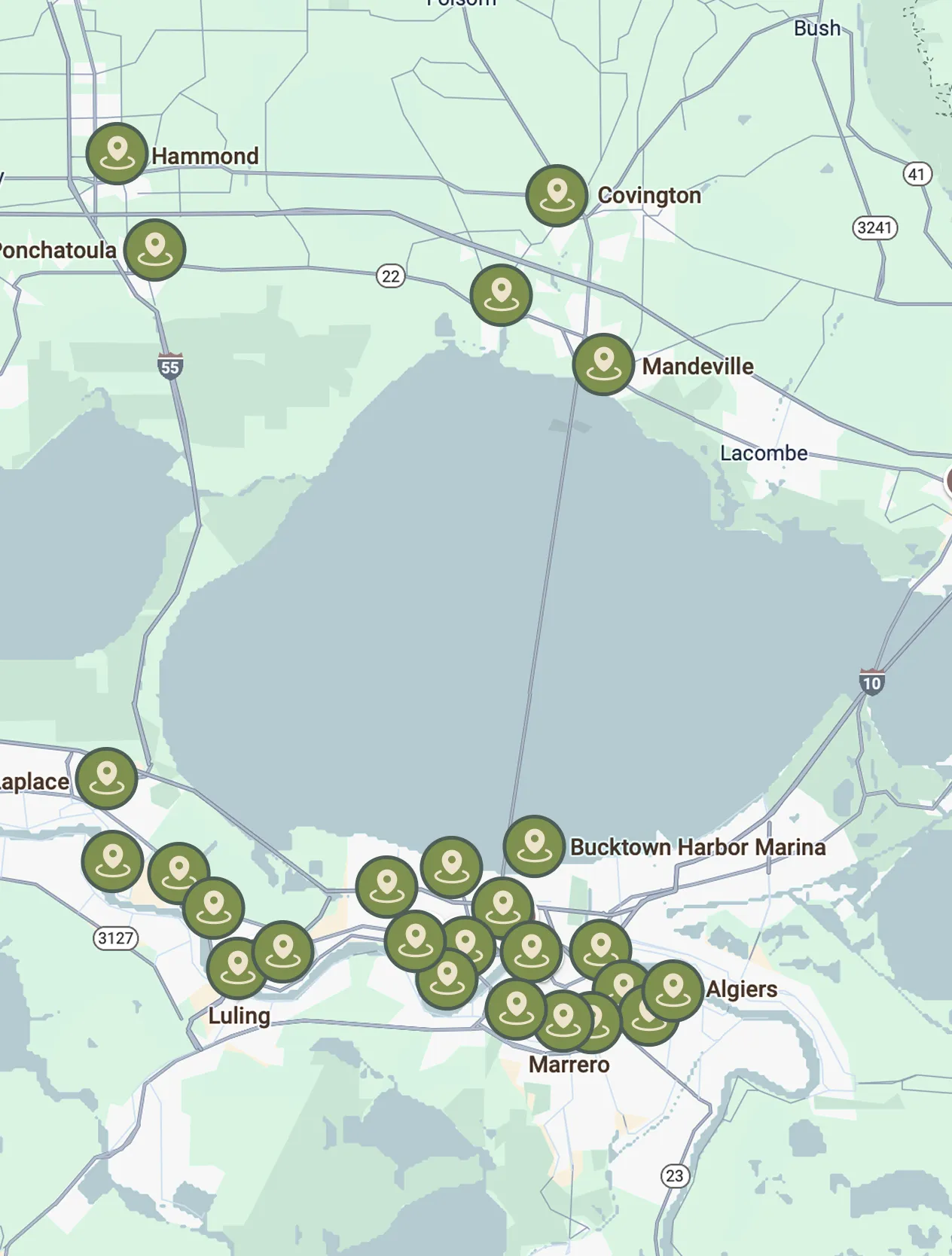
Service areas
Our service areas are designed to meet the diverse needs of our clients. We focus on providing exceptional service and ensuring customer satisfaction in every location we operate.