Mini Split Repair in New Sarpy, LA
.webp)
Experiencing mini split issues in New Sarpy, LA? You're not alone. Common problems include refrigerant leaks, compressor or outdoor fan failures, indoor blower problems, electrical faults, drainage issues, and airflow or coil fouling. At Cypress Cooling, our professional service follows a systematic diagnostic approach, addressing necessary parts and labor efficiently. We also offer emergency response, warranty considerations, and service guarantees, along with practical, local maintenance tips to prevent breakdowns and extend system life through timely, professional repair.
-min%2520(1).webp)
Mini Split Repair in New Sarpy, LA
Mini split systems are a common, efficient choice for New Sarpy, LA homes, but Louisiana’s hot, humid summers and frequent storms put extra stress on these systems. If your mini split is underperforming, making noise, or not cooling consistently, prompt professional repair protects indoor comfort, prevents bigger failures, and reduces energy bills. This page explains common mini split faults in New Sarpy, diagnostic and repair steps, what parts and labor typically involve, realistic emergency response expectations, warranty considerations, and practical tips to avoid repeat breakdowns.
Common mini split issues in New Sarpy, LA
Louisiana’s climate and coastal/river influence create a handful of recurring problems:
- Refrigerant leaks
- Signs: weak cooling, longer run times, frost on evaporator coils.
- Causes: corroded fittings or coils (accelerated by humidity and salt air), factory defects, or physical damage.
- Risk: low refrigerant can lead to compressor damage if not addressed.
- Compressor or outdoor fan motor failures
- Signs: outdoor unit humming or clicking, loud grinding or screeching, no cool airflow.
- Causes: electrical stress from storms, wear from heavy seasonal use, or blocked airflow causing overheating.
- Indoor blower or fan motor problems
- Signs: weak airflow, unusual rattling or squealing, intermittent operation.
- Causes: motor bearings, damaged fan blades, or debris in the indoor unit.
- Thermostat, control board, or electrical faults
- Signs: unit won’t turn on, short cycling, tripped breakers, or error codes on the remote/display.
- Causes: power surges from thunderstorms, loose connections, failed capacitors, or sensor failures.
- Drain and condensate problems
- Signs: water dripping from the indoor unit, odors, mold growth.
- Causes: clogged drain lines, improper slope, or dirty condensate pans—especially common in humid New Sarpy conditions.
- Airflow restrictions and coil fouling
- Signs: reduced cooling, ice on coils, higher energy use.
- Causes: dirty air filters, blocked return vents, or accumulated dust and pollen.
Diagnostic and troubleshooting steps (what technicians do)
A systematic diagnostic approach isolates the root cause quickly and reduces unnecessary part replacements:
- Initial visual inspection
- Check power, visible wiring, outdoor unit condition, and airflow obstacles around both units.
- Error code and control check
- Read any displayed fault codes and verify thermostat/remote settings.
- Electrical testing
- Test voltage, fuses, capacitors, and contactors to rule out electrical faults from surges or aged components.
- Airflow and temperature split measurement
- Measure temperature difference between supply and return air to assess system performance.
- Refrigerant check
- Inspect for pressure and signs of leaks; use electronic leak detector or UV dye if necessary.
- Drain and condensate inspection
- Verify proper draining and check for algae or clogs in lines and pans.
- Operational test
- Run system to reproduce symptoms and confirm diagnosis.
Technicians will explain findings in plain language and outline safe repair options before starting work.
Parts and labor — what to expect
Repairs vary from quick component swaps to more involved fixes:
- Typical parts commonly replaced:
- Capacitors, contactors, fan motors, indoor blower motors, expansion valves, thermostat sensors, control boards, and occasionally compressors or refrigerant lines.
- Refrigerant repairs:
- Small leaks may be repaired and refrigerant recharged. Larger leaks or repeated leaks may require coil or line replacement.
- Labor components:
- Labor includes diagnostic time, parts replacement, refrigerant handling and recovery, testing and cleanup, and safety checks.
- OEM vs aftermarket parts:
- OEM parts match manufacturer specifications and often carry manufacturer warranty; aftermarket parts can be cost-effective but vary in quality.
- Time on-site:
- Simple fixes (capacitor, filter, sensor) often complete in 30–90 minutes. Complex repairs (compressor or coil replacement) can take several hours and may require ordering parts.
Expected response times for emergency repairs in New Sarpy
Local weather events and summer demand affect response expectations. Typical industry norms in the New Sarpy area are:
- Emergency repairs (no cooling in extreme heat or units causing water damage): often same-day response, commonly within 4 to 8 hours during business periods; during major storm events timing can extend.
- Urgent but non-emergency repairs (reduced cooling, intermittent operation): usually handled within 24 hours.
- Routine service or non-urgent repairs: scheduled within 24 to 72 hours depending on seasonal demand.
Timing can vary by provider availability and weather-driven call volumes. Quick diagnostics and early reporting help minimize damage and downtime.
Warranty and service guarantee information
Understanding warranty coverage protects your investment:
- Manufacturer warranties
- Most mini split manufacturers provide limited warranties on compressors (commonly 5 to 10 years) and parts warranties (1 to 5 years). Coverage depends on model registration, proof of maintenance, and whether authorized parts/installation were used.
- Service provider guarantees
- Reputable service providers typically offer short-term workmanship guarantees (commonly 30 to 90 days) on repairs and may warranty replaced parts per the part manufacturer’s policy.
- What voids warranties
- Improper maintenance, unauthorized repairs, or failure to maintain records can void warranty coverage. Keep maintenance receipts and documentation.
- Refrigerant regulations
- Handling refrigerants must follow federal and state guidelines; licensed technicians handle recovery and recharge to preserve warranty compliance.
Tips to prevent future breakdowns (practical, New Sarpy–specific)
Routine care reduces the chance of mid-summer failures:
- Schedule seasonal maintenance
- Annual or biannual tune-ups before peak cooling season catch small issues and verify refrigerant charge and electrical integrity.
- Keep filters clean
- Replace or clean washable filters monthly during heavy use to maintain airflow and efficiency.
- Protect outdoor units
- Clear vegetation and debris, ensure at least 2 feet of clearance, and consider a corrosion-resistant coating if your unit is exposed to salt air or river breezes.
- Maintain proper drainage
- Check condensate lines and pans for clogs and algae growth, especially during humid months.
- Use surge protection
- Install surge protectors to reduce storm-related electrical damage to sensitive control boards.
- Watch for early warning signs
- Strange noises, odors, ice buildup, or reduced cooling are signals to arrange inspection before the problem becomes a major repair.
Why timely mini split repair matters
In New Sarpy’s humid climate, delayed repairs can quickly lead to mold growth, increased energy bills, and costly compressor failures. Prompt, professional diagnostics and repair restore comfort, protect indoor air quality, and extend equipment life.
If you need precise guidance for your system, a qualified HVAC technician will explain the diagnosis, repair options, parts involved, and any warranty implications in clear terms so you can make a confident decision.
OUR CLIENTS HAVE TO SAY ABOUT US



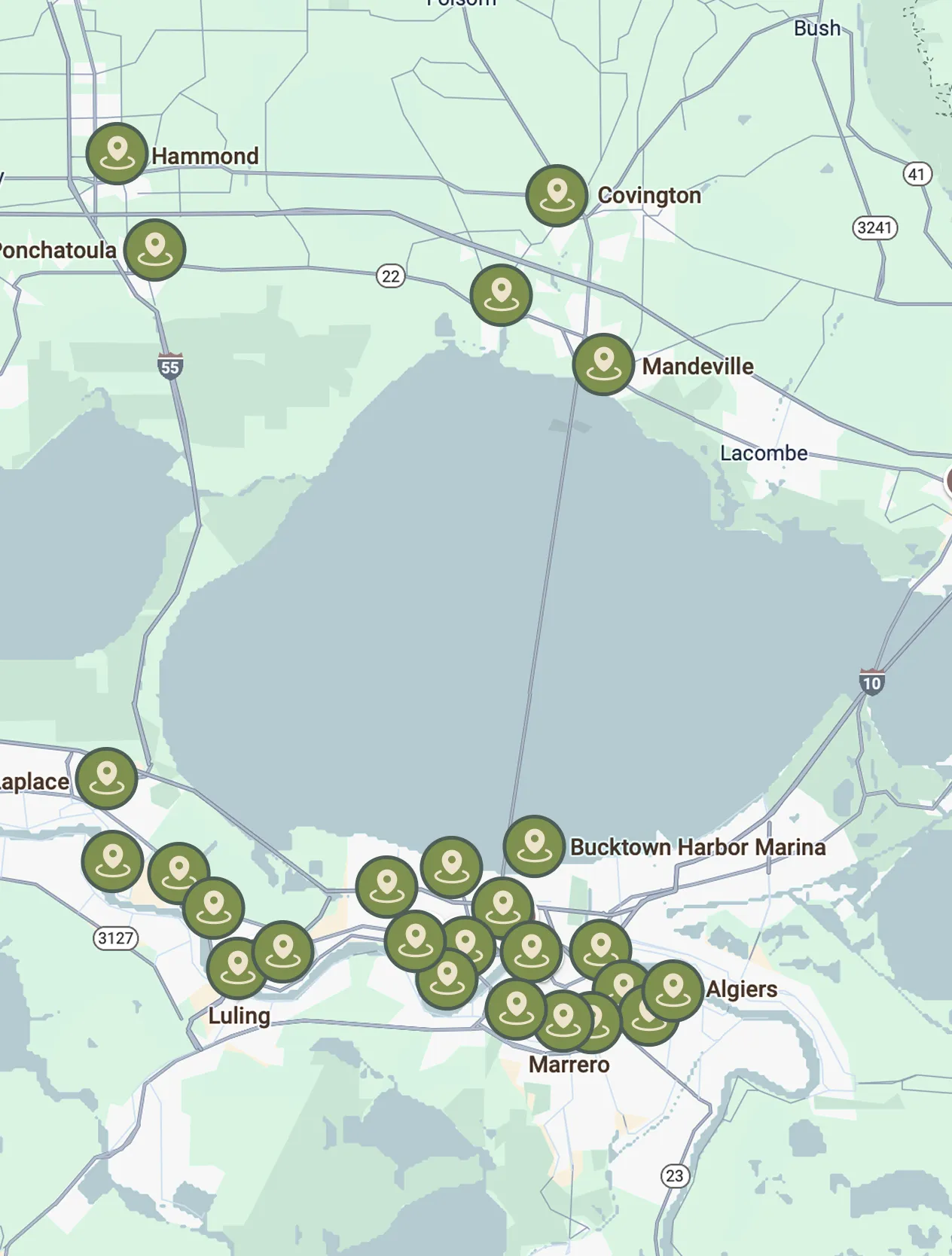
Service areas
Our service areas are designed to meet the diverse needs of our clients. We focus on providing exceptional service and ensuring customer satisfaction in every location we operate.