Mini Split Repair in Montz, LA
.webp)
Homeowners in Montz, LA, seeking reliable solutions for their mini split systems can count on Cypress Cooling. This guide provides a comprehensive overview of common symptoms, diagnostic steps, and repair options. We address issues such as weak cooling, erratic cycling, unusual noises, leaks, ice buildup, and fault codes. Cypress Cooling employs a systematic diagnostic process, prioritizing safety considerations and using high quality replacement parts. We also provide clear expectations regarding timelines, warranty context, emergency response during storms, and practical preventative maintenance to extend system life and preserve comfort during peak seasons. Choose Cypress Cooling for peace of mind.
-min%2520(5).jpeg)
Mini Split Repair in Montz, LA
Mini split systems are a common choice in Montz, LA homes because they deliver efficient, zoned cooling and heating without ductwork. When a mini split stops performing properly it affects comfort quickly, especially in Montz where high humidity and long, hot summers raise cooling demand. This page explains common mini split symptoms in Montz, the technician diagnostic process, typical repairs and parts replaced, expected timelines, warranty and parts considerations, emergency response options, and preventative maintenance tips to keep your system running reliably.
Common mini split repair issues in Montz, LA
Homeowners in Montz typically report these symptoms first:
- Weak cooling or heating output despite normal fan operation.
- Fluctuating temperature or frequent short cycling.
- Unusual noises from indoor or outdoor units: grinding, rattling, or high-pitched whining.
- Water leaks or dripping inside near the indoor unit or from the ceiling below the unit.
- Ice accumulation on the indoor evaporator coil or outdoor unit.
- System fault codes displayed on the indoor controller or remote.
- Burning or electrical smells, tripped breakers, or sporadic power loss.
- Reduced airflow or musty odors indicating mold or clogged drain lines.
Local factors in Montz that contribute to these problems include high humidity that increases coil wetness and mold risk, frequent thunderstorms and power surges that affect electronics, and seasonal pollen and debris that clog filters and coils.
Diagnostic process technicians use
A systematic diagnostic approach identifies root cause quickly and accurately:
- Initial inspection and symptom interview to capture when and how the issue occurs.
- Visual check of indoor and outdoor units for physical damage, debris, and proper clearances.
- Electrical testing: voltage, current draw, capacitor checks, and continuity of safety devices.
- Refrigerant system evaluation: pressure readings, superheat and subcooling measurements, and leak detection using electronic detectors or dye when necessary.
- Airflow assessment: blower motor operation, coil condition, duct or ductless airflow path, and filter condition.
- Drainage inspection: condensate pan, drain line, and condensate pump operation.
- Control and communication checks: verifying thermostat or remote signals, control board diagnostics, and error code interpretation.
- Reporting findings and recommending repairs or replacements based on severity and safety.
Technicians follow safe refrigerant handling practices and regulatory requirements, and document error codes and test results for warranty or follow-up work.
Typical repair procedures and parts replaced
Common repairs for mini splits include both quick fixes and more involved procedures:
Minor and routine repairs
- Cleaning or replacing air filters and clearing condensate lines.
- Coil cleaning and rebalancing airflow.
- Tightening electrical connections and replacing fuses or breakers.
- Replacing capacitors, fan motors, or blower wheels.
- Replacing remote sensors or thermostats.
Moderate to major repairs
- Locating and repairing refrigerant leaks and replacing driers/accumulators.
- Recovering, repairing, and recharging refrigerant to correct charge per manufacturer specs.
- Replacing expansion valves (TXV/EEV) or service valves.
- Replacing printed circuit boards (PCBs) or inverter modules when control electronics fail.
- Replacing compressors or entire outdoor condensing units when mechanical failure or seizure occurs.
- Replacing line sets or welding/brazing refrigerant connections when damaged.
Parts commonly replaced: filters, capacitors, fan motors, condensate pumps, PCBs/inverter boards, expansion valves, driers, compressors, and refrigerant. All refrigerant work follows EPA guidelines and uses materials compatible with the system.
Estimated timelines and on-site expectations
- Initial diagnostic visit: typically 30 to 90 minutes depending on system accessibility and symptom complexity.
- Minor repairs (filters, condensate clearing, fan motor swap, electrical fixes): often completed in 1 to 4 hours on the same day.
- Moderate repairs (refrigerant leak repair, PCB replacement, line repair): may take half a day to a full day; parts availability can affect timing.
- Major repairs (compressor replacement, extensive line replacement, or major refrigerant recovery): typically require a day or longer and may need parts ordered; scheduling can extend to multiple days for older or specialty units.
Technicians will usually document findings, list required parts, and note manufacturer part numbers to ensure correct replacements. In Montz, storm-related damage during hurricane season can increase demand and extend lead times.
Warranty and parts information
- Manufacturer warranties vary by model and component. Common parts warranties range from 1 to several years for compressors and selected components. Control boards and other electronics may have shorter coverage.
- Labor warranties differ among service providers; typical labor coverage is 30 to 90 days for repair work. Keep records of service reports and replaced part serial numbers to support warranty claims.
- Using OEM or manufacturer-recommended parts preserves factory warranties. Non-OEM or aftermarket parts may affect warranty status.
- Certified technicians will recover and dispose of refrigerant according to regulations and document refrigerant charges for warranty and regulatory compliance.
Emergency response and storm season considerations
Montz is subject to summer storms and occasional power outages that can cause abrupt failures or electrical damage. Emergency response options include:
- Priority diagnostic visits for systems that are unsafe, leaking refrigerant, or causing secondary damage.
- Temporary measures to restore limited comfort such as fan-only operation or bypassing a shorted control while awaiting parts.
- Safe isolation of refrigerant leaks to prevent further environmental release.
- Electrical troubleshooting and isolation after power surges to prevent further component damage.
Emergency availability and rapid parts sourcing are essential during peak storm season. Technicians typically document surge damage and recommend surge protection for sensitive inverter electronics.
Preventative maintenance tips for Montz homes
Regular maintenance reduces emergency repairs and extends system life:
- Clean or replace filters monthly during heavy use seasons to maintain airflow and efficiency.
- Keep outdoor units clear of leaves, grass, and debris and maintain at least 12 to 24 inches of clearance.
- Inspect and clear condensate drain lines and condensate pump chambers to prevent water damage and mold growth.
- Schedule a professional tune-up before the cooling season and again before winter if using heat mode. A tune-up should include refrigerant check, electrical test, coil cleaning, and controls inspection.
- Consider a whole-home surge protector to protect sensitive inverter electronics during frequent thunderstorms.
- Elevate or protect outdoor units in areas prone to localized flooding.
Why prompt repair matters
Addressing mini split issues promptly preserves comfort, prevents secondary damage such as mold or structural water damage, avoids higher energy bills from reduced efficiency, and can prevent total system failure that requires full replacement. In Montz, dealing quickly with humid conditions and storm-related electrical issues helps keep systems reliable through hot, high-demand months.
This information outlines what to expect when a mini split needs repair in Montz, LA so homeowners can evaluate findings, understand repair options, and prioritize preventive care to maintain comfort and system longevity.
OUR CLIENTS HAVE TO SAY ABOUT US



Service areas
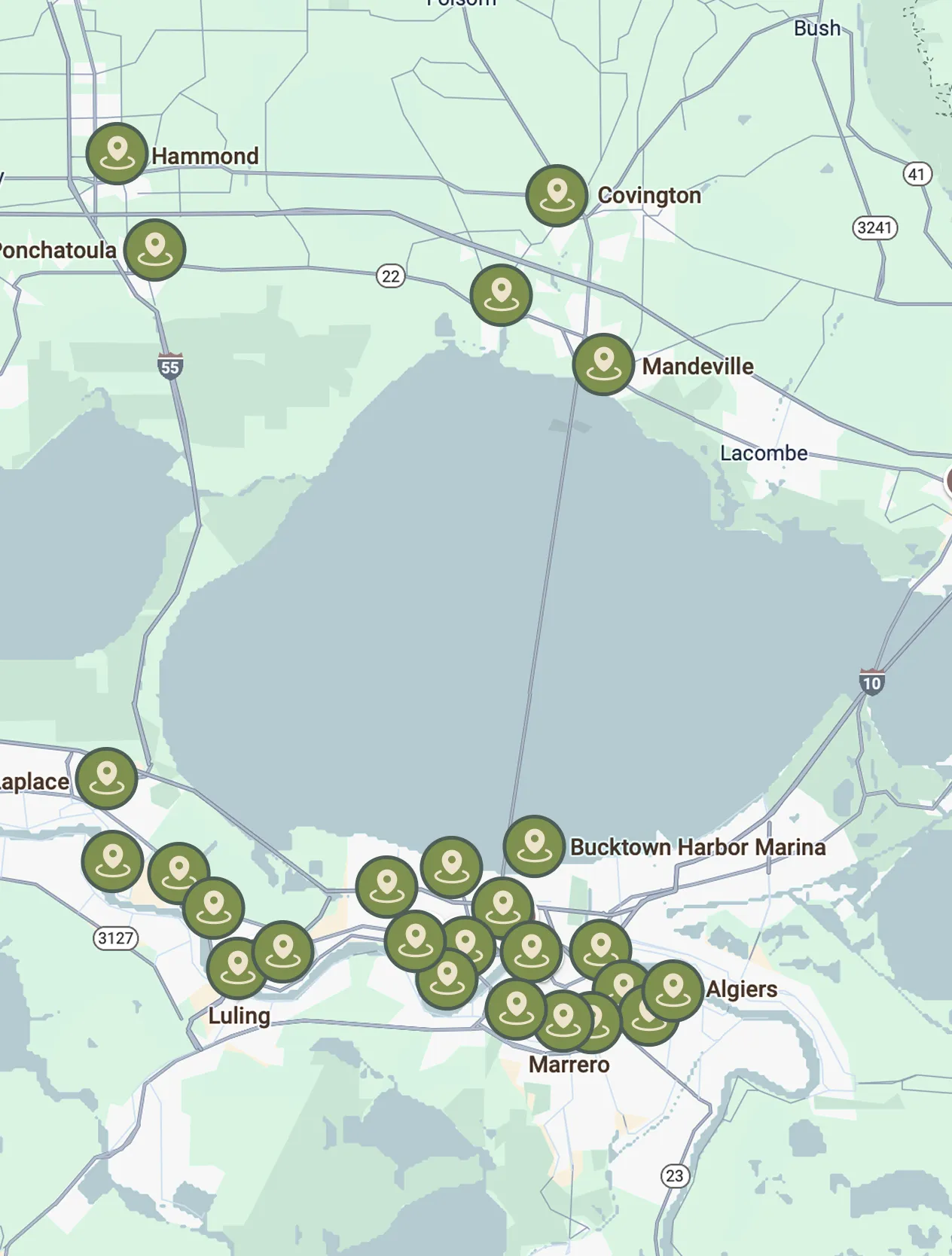
Our service areas are designed to meet the diverse needs of our clients. We focus on providing exceptional service and ensuring customer satisfaction in every location we operate.