Mini Split Repair in Kenner, LA
.webp)
Cypress Cooling provides expert mini split repair in Kenner, LA, offering comprehensive diagnostics and repairs for homes in our humid, coastal environment. We tackle common issues like compressor failures, refrigerant leaks, electrical faults, thermostat problems, airflow and condensate concerns, and mechanical wear. Our service includes detailed diagnostic steps, typical repair procedures, and the use of quality parts. We also offer emergency service options, clear warranty information, and preventive maintenance plans to extend the life of your system. With Cypress Cooling, homeowners can make informed decisions and schedule timely service, ensuring comfort, efficiency, and reliability in Kenner’s hot, salty, and storm prone environment.
-min%2520(2).jpeg)
Mini Split Repair in Kenner, LA
Mini split repair in Kenner, LA addresses the unique cooling and heating needs of homes in a humid subtropical climate. High humidity, frequent storms, and proximity to the Gulf increase wear on outdoor units, electrical components, and refrigerant lines. If your mini split is underperforming, cycling frequently, leaking, or giving off unusual noises or odors, understanding common faults, the diagnostic process, and typical repairs will help you make informed decisions about restoring comfort and efficiency in your Kenner home.
Common mini split issues in Kenner, LA homes
- Compressor problems: Symptoms include the outdoor unit running but no cooling, loud or clanking noises, or frequent tripping of the circuit breaker. Heat and humidity stress, plus storm-related power surges, can shorten compressor lifespan.
- Refrigerant leaks: Low refrigerant causes reduced cooling capacity, frosting on the evaporator coil, or hissing sounds. Corrosion from salty, humid air can accelerate line degradation, especially on older installations.
- Electrical failures: Faulty capacitors, contactors, relays, or damaged wiring can cause intermittent operation, failure to start, or frequent breaker trips. Lightning and transient voltage from storms are common triggers in the Kenner area.
- Thermostat and control faults: Communication errors between the indoor and outdoor units, sensor failures, or bad remote controls can appear as incorrect temperature readings, units that won’t respond, or erratic cycling.
- Airflow and condensate issues: Clogged filters, dirty coils, blocked drain lines, or failing condensate pumps lead to reduced airflow, water leaks inside, or mold/mildew odors—these are common with Kenner’s high pollen and humidity.
- Mechanical wear: Fan motors, blower wheels, and bearings wear out over time; vibration, rattling, or reduced airflow are common signs.
Diagnostic and troubleshooting process
A thorough diagnosis begins with isolating symptoms and inspecting both indoor and outdoor components. Typical diagnostic steps include:
- Visual inspection of indoor and outdoor units for corrosion, damage, oil stains, and debris.
- Electrical testing of power supplies, capacitors, contactors, fuses, and control boards using multimeters to identify shorts, open circuits, or poor connections.
- Refrigerant system evaluation: checking pressures with gauges, looking for signs of charge imbalance, and performing leak detection using electronic detectors, dye/UV, or soap testing where appropriate.
- Airflow assessment: checking filters, blower operation, ductless head alignment, and measuring return and supply airflow to ensure proper distribution.
- Condensate inspection: verifying drain lines, traps, and pumps for clogs or mechanical failure.
- Controls and sensors test: verifying thermostat accuracy, sensor positioning, and communication between indoor and outdoor units.
During diagnostic work, technicians confirm safety by isolating power, following manufacturer troubleshooting trees, and documenting fault codes from the system’s controller. In Kenner homes, technicians also check for storm-related damage and the effects of salt air corrosion on exposed fittings.
Typical repair procedures and parts used
Repairs are determined by diagnosis and may range from simple fixes to component replacement. Common repairs include:
- Capacitor and relay replacement: Replacing failed start/run capacitors or contactors restores reliable compressor and fan starts.
- Compressor repair or replacement: Minor compressor issues sometimes warrant start relay or capacitor fixes; full compressor replacement is performed when internal damage or severe wear is present. Compressor work follows manufacturer guidelines for recovery and evacuation.
- Refrigerant leak repair and recharge: Leaks are located, lines brazed or fittings replaced, and the system evacuated and recharged to manufacturer-specified refrigerant type and charge. EPA refrigerant handling practices are followed.
- Fan motor and blower repairs: Replacing indoor blower motors, fan blades, or bearings to restore airflow and reduce vibration.
- Control board and sensor replacement: Swapping faulty PCBs or temperature sensors to re-establish correct communication and operation.
- Line set and fitting repairs: Replacing corroded line sets, service valves, or flare fittings; re-insulating lines to prevent condensation issues in high-humidity environments.
- Drain and condensate solutions: Clearing or replacing drain lines, installing or repairing condensate pumps, and treating drain pans to prevent microbial growth.
- Preventive cleaning and maintenance: Coil cleaning, filter replacement, and removing debris from outdoor units to improve heat transfer and efficiency.
All repairs should use OEM or equivalent-grade parts when possible, and procedures such as brazing, pressure testing with nitrogen, vacuuming to proper micron levels, and leak testing are standard to ensure reliability.
Emergency response and service expectations in Kenner
In Kenner’s heat and humidity, loss of cooling can be urgent. Local emergency repair expectations typically include:
- Rapid diagnostics to determine if a temporary fix or full repair is needed.
- Prioritizing faults that present safety issues (electrical hazards, refrigerant leaks).
- Same-day or next-day service windows for systems affecting health or safety, with shorter response times during heat waves or severe weather periods.
These are general expectations based on typical local service standards; actual response times depend on technician availability, parts access, and weather-related demand spikes common in Kenner.
Warranty, labor, and compliance considerations
Understanding warranties and labor coverage helps set realistic expectations:
- Parts warranties are usually provided by manufacturers and vary by component and model. Compressors and major components often carry longer OEM warranties than smaller parts.
- Labor warranties provided by service providers commonly range from short limited periods up to several months; duration varies by provider and job scope.
- For refrigerant work, technicians must follow EPA refrigerant handling rules and local regulations. Proper documentation of refrigerant recovery and recharge is standard practice.
- When replacing major components, following manufacturer installation instructions preserves warranties and system performance.
Homeowners should ask for written documentation of parts replaced, refrigerant type and amount, pressure readings, and any manufacturer warranty information when work is completed.
Preventive maintenance and longevity tips for Kenner homes
Regular maintenance extends mini split life and prevents common Kenner-related failures:
- Replace or clean filters every 1–3 months during peak use to maintain airflow and reduce strain on the system.
- Schedule professional tune-ups at least annually; in Kenner’s humid climate, consider biannual checks before and after peak cooling season.
- Keep outdoor units clear of vegetation and debris; salt and humidity accelerate corrosion—periodic rinsing (when the unit is off) can help.
- Install a surge protector for the outdoor unit to reduce storm-related electrical failures.
- Monitor condensate drains and clean drain pans to prevent overflow and microbial growth from high humidity.
When requesting a quote or scheduling service, be prepared to provide the unit model number, system age, symptoms observed, and any recent service history. This information helps technicians prepare the right parts and diagnostic tools for efficient repair.
Benefits of timely mini split repair
Prompt diagnosis and repair restore comfort, improve energy efficiency, prevent secondary damage (like water intrusion and mold), and can delay or avoid costly major component replacements. In Kenner’s climate, timely attention is especially important to maintain indoor air quality and efficient cooling performance throughout the hot, humid months.
OUR CLIENTS HAVE TO SAY ABOUT US



Service areas
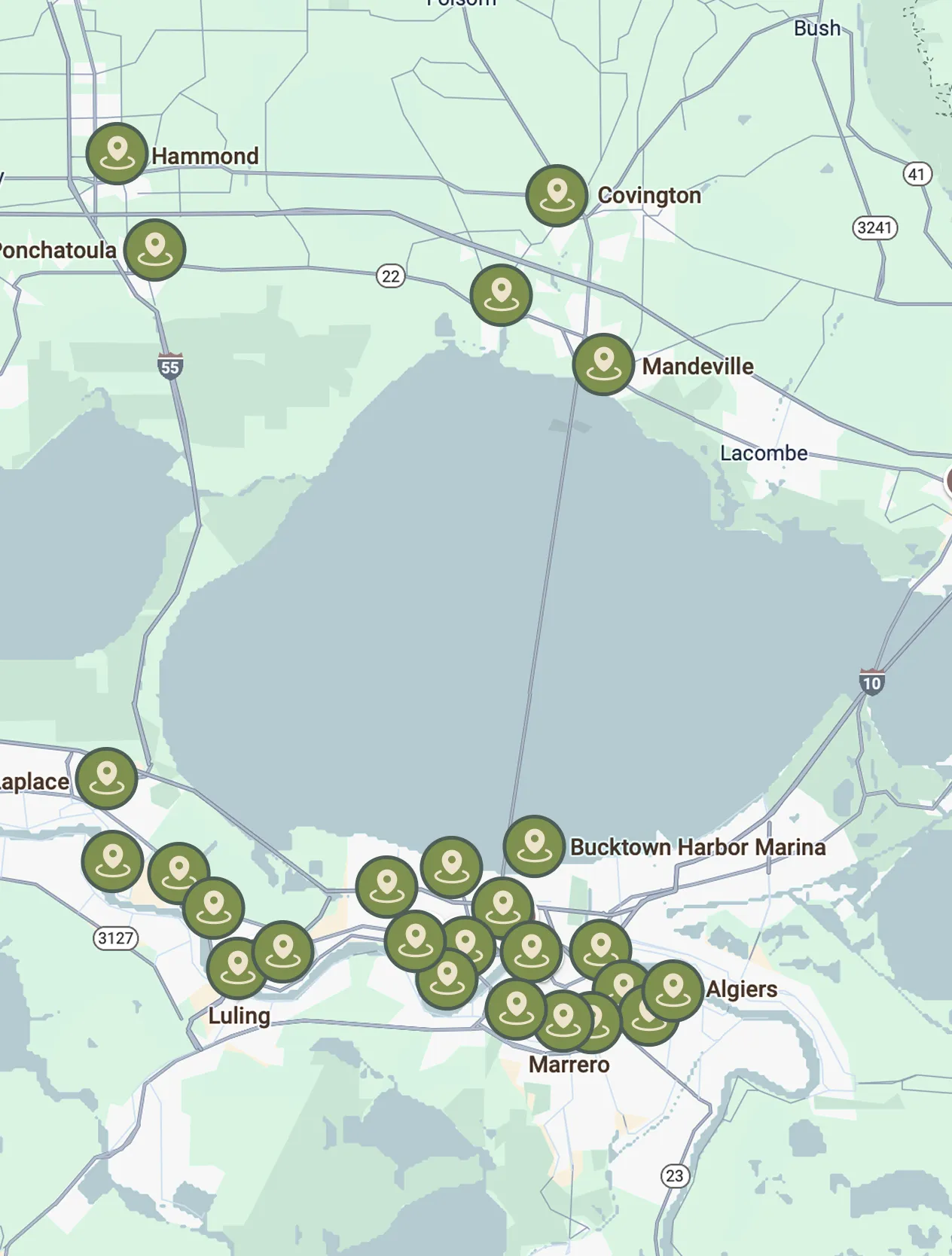
Our service areas are designed to meet the diverse needs of our clients. We focus on providing exceptional service and ensuring customer satisfaction in every location we operate.