Mini Split Repair in Jefferson, LA
.webp)
When your mini split system in Jefferson, LA isn't performing its best, you need reliable repair services to restore comfort quickly. At Cypress Cooling, we understand the importance of maintaining energy efficiency and good indoor air quality, especially with Jefferson’s hot, humid weather and proximity to the coast. Mini splits are crucial for cooling rooms and controlling moisture. We're here to help, offering expert diagnostics and repairs. We address common mini split issues in Jefferson homes, using thorough diagnostic steps, proven repair methods, and quality replacement parts. Our goal is to provide fast response times, transparent cost estimates, qualified technicians, and clear warranty details. We also prioritize urgent and same day repairs when possible.
-min.webp)
Mini Split Repair in Jefferson, LA
Mini split repair in Jefferson, LA focuses on restoring comfort quickly while protecting energy efficiency and indoor air quality. In Jefferson’s hot, humid climate and coastal-adjacent environment, mini splits are critical for cooling individual rooms and preventing moisture-related problems. This page explains the most common mini-split problems in Jefferson homes, how technicians diagnose issues, typical repair procedures and parts replacement, expected response timing, what affects cost, technician qualifications and warranties, and how emergency or same-day repairs are usually handled.
Why timely mini split repair matters in Jefferson, LA
High heat and humidity increase run-time and stress on mini-split systems. Left unattended, small faults — like a refrigerant leak or clogged condensate line — can cause poor cooling, higher energy bills, excess humidity, mold growth, or compressor failure. In coastal areas near Jefferson, salt air can accelerate corrosion of outdoor components, making prompt diagnosis and repair particularly important.
Common mini-split problems in Jefferson, LA
- Loss of cooling or weak airflow
Often caused by dirty filters, blocked indoor coils, failing fan motors, low refrigerant, or electronic control faults. In humid months, reduced cooling often shows as longer run times and insufficient dehumidification. - Refrigerant leaks
Signs include frosting on the evaporator coil, hissing noises, or steadily declining performance. Leaks can stem from corroded line sets, loose fittings, or damage from storm debris. - Noisy operation
Rattling, buzzing, or grinding can indicate loose panels, failing blower motors, worn bearings, unbalanced fan blades, or failing compressor components in the outdoor unit. - Thermostat or control faults
Communication errors between indoor and outdoor units, faulty remote sensors, or failed control boards can cause erratic operation, mode failures, or units that won’t turn on. - Condensate and drainage problems
Clogged drain lines, blocked condensate pans, or failed condensate pumps cause water leaks, staining, and potential mold in insulation or drywall.
How technicians diagnose mini-split problems
Technicians use a logical, documented approach to isolate faults without guessing:
- Initial interview and visual inspection — Verify symptoms, review recent events (power outages, storms), and check indoor and outdoor units for obvious damage or debris.
- Airflow and filter check — Inspect and measure airflow, check filters and indoor coil condition, and test fan speeds.
- Electrical testing — Use multimeters to check supply voltage, capacitors, contactors, and control board voltages to identify electrical faults.
- Refrigerant and pressure testing — Attach manifold gauges to measure system pressures and determine refrigerant charge; use electronic leak detectors or UV dye for locating leaks.
- Component functional checks — Run compressors, fan motors, and electronic boards through diagnostic cycles to replicate faults and confirm failures.
- Record findings and recommend repairs — Provide a clear repair plan based on observed root causes and parts required.
Typical onsite diagnostics take between 30 minutes and 90 minutes depending on complexity and access.
Typical repairs and parts replacement
- Refrigerant leak repair and recharge — Locate and repair leaks (soldering, brazing, or replacing sections of line set), evacuate and vacuum the system, then recharge to manufacturer specifications.
- Compressor or outdoor unit component replacement — Replace failed compressors, reversing valves, or inverter modules when necessary; requires transfer of existing line set or replacement when corrosion/damage is present.
- Fan motor, blower wheel, and capacitor replacement — Restore airflow and starting reliability by swapping failed motors or capacitors.
- Control board and sensor replacement — Replace faulty PCBs, communication modules, or temperature sensors to resolve erratic or non-responsive behavior.
- Evaporator coil repair or replacement — Repair small coil leaks or replace coils when damage is extensive or contamination is severe.
- Drain cleaning and condensate pump replacement — Clear blockages, treat coils to prevent mold, and replace pumps that no longer remove condensate reliably.
- Line set or fitting replacement — Replace corroded or compromised refrigerant lines and fittings, especially in coastal-exposed installations.
Parts can be OEM (manufacturer) or qualified aftermarket; technicians will indicate tradeoffs between longevity, warranty coverage, and cost factors.
Response times and pricing considerations
- Response timing — Local providers typically offer a range of service windows: scheduled appointments during normal business hours, same-day service for non-critical failures when routes permit, and emergency dispatch for loss of cooling during extreme heat or active water leaks. Emergency responses are prioritized by severity; initial arrival windows and onsite diagnostic duration vary by route and call volume.
- Pricing factors (not dollar amounts) — Final repair cost depends on the root cause, parts required (OEM vs aftermarket), refrigerant type and amount, accessibility of components, age and compatibility of the system, and any code or disposal requirements. Expect diagnostic time to be billed separately in many cases and for complex repairs that require special ordering of parts to increase turnaround.
- Estimate process — After diagnostics, a detailed estimate normally outlines labor, parts, warranty coverage, and any additional work required to restore safe, efficient operation.
Technician qualifications and warranty information
- Certifications and training — Qualified technicians hold EPA Section 608 certification for refrigerant handling and often have manufacturer-specific training for inverter-driven mini splits. Look for technicians with several years of experience on ductless systems, familiarity with inverter technology, and documented continuing education.
- Insurance and safety — Technicians should carry liability insurance and follow safe refrigerant handling and electrical practices to protect your home and comply with regulations.
- Warranties and service guarantees — Manufacturer warranties typically cover specific parts for defined periods; labor warranties on repairs commonly range from short-term (30 days) to several months depending on provider policies. Reputable service providers will document warranty terms for replaced parts and any workmanship guarantees.
Emergency and same-day repairs in Jefferson, LA
In Jefferson, providers commonly triage calls based on health and safety risk (water leaks, electrical hazards, or extreme overheating for vulnerable occupants). When an emergency or same-day repair is requested, technicians will typically:
- Ask for system make/model, symptoms, and urgency level
- Attempt remote troubleshooting if possible (thermostat resets, power checks)
- Prioritize dispatch based on severity and available technicians
- Carry common replacement parts and refrigerants for faster resolutionBe aware that storm conditions or high call volumes during heat waves can impact availability and arrival windows.
Preventive maintenance and local considerations
- Change or clean filters monthly during heavy use and schedule a professional tune-up before peak summer.
- Keep outdoor units free of debris, vegetation, and salt buildup; rinse gently when safe to reduce corrosion.
- Check condensate drains regularly for blockages; consider a secondary drain or safety float switch in humid homes.
- Document system model, installation date, and maintenance history to speed future diagnostics and warranty claims.
Timely mini split repair in Jefferson, LA protects comfort, reduces energy waste, and extends equipment lifespan. Understanding common issues, the diagnostic process, repair options, and local climate impacts helps homeowners make informed decisions about service and maintenance.
OUR CLIENTS HAVE TO SAY ABOUT US



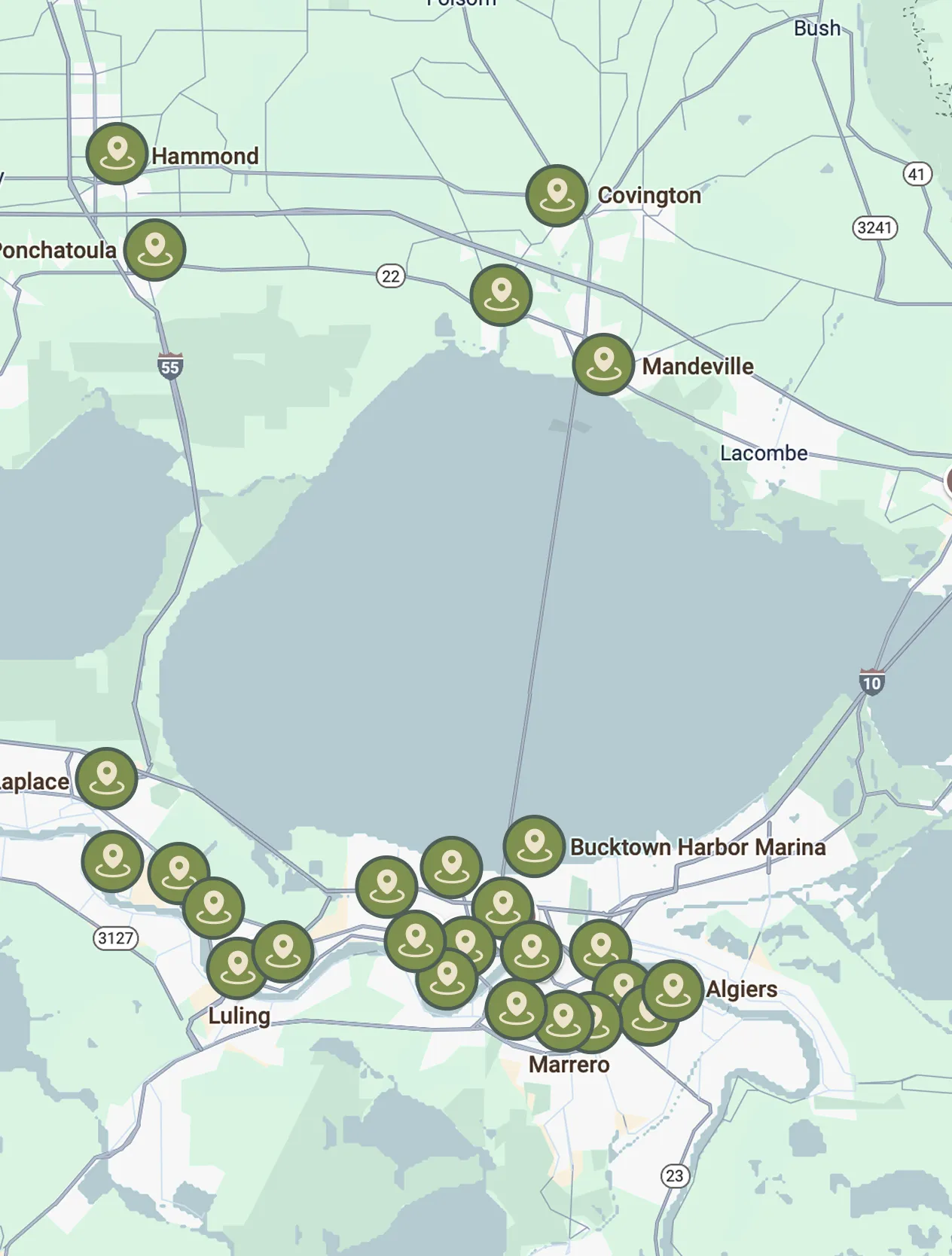
Service areas
Our service areas are designed to meet the diverse needs of our clients. We focus on providing exceptional service and ensuring customer satisfaction in every location we operate.