Mini Split Repair in Gretna, LA
.webp)
Cypress Cooling provides expert mini split repair guidance for Gretna, LA homes, addressing common issues with a focus on clear communication and effective solutions. We diagnose refrigerant leaks, compressor failures, motor problems, and control faults with precision. Our technicians explain the repair process in detail, outlining potential parts replacements and associated costs. Cypress Cooling also provides realistic timelines, warranty information, and emergency service options when needed. We emphasize proactive care with practical preventive maintenance tips to minimize future breakdowns. Timely diagnosis, professional service, and a commitment to energy efficiency are at the heart of Cypress Cooling's approach to keeping your home comfortable.
-min.webp)
Mini Split Repair in Gretna, LA
Ductless mini-split systems are a popular choice for Gretna, LA homes because they deliver efficient, zone-based cooling and heating without ductwork. When a mini-split stops performing, it quickly affects comfort and energy bills. This page explains common mini split problems in Gretna, LA, how technicians diagnose and repair them, what repairs typically entail, realistic timelines, warranty considerations, emergency repair availability, and practical tips to avoid future breakdowns.
Why timely mini split repair matters in Gretna, LA
Gretna’s hot, humid climate and proximity to the Mississippi River and Gulf create conditions that accelerate wear on HVAC equipment. High humidity forces compressors and coils to run longer, and salty air increases corrosion risk on outdoor components. Delaying repair can lead to higher energy use, more expensive component failures, and indoor comfort problems such as uneven temperatures and excess humidity.
Common mini split issues in Gretna, LA homes
- Refrigerant leaks: Symptoms include reduced cooling capacity, icing on the evaporator coil, and hissing noises. Low refrigerant stresses the compressor and reduces efficiency.
- Compressor or outdoor unit failures: Overheating, hard starts, or no cooling at all can point to compressor or motor failure.
- Indoor fan or blower motor problems: Weak airflow, rattling, or inconsistent airflow from one zone are common.
- Electrical faults and control board issues: Frequent resets, units that will not power on, or erratic operation can stem from wiring, capacitors, or PCB faults.
- Thermostat or remote control faults: Incorrect temperature readings or unresponsive controls can appear like system failures.
- Drain line clogs and condensate issues: Overflowing pans, water stains on walls, or humidity problems in the room often indicate blocked condensate drains.
- Sensor failures: Faulty temperature sensors cause short cycling or incorrect temperature regulation.
Diagnostic process: what to expect
A thorough diagnosis focuses on identifying root causes without guesswork. Typical diagnostic steps include:
- Visual and operational inspection of both indoor and outdoor units for corrosion, refrigerant oil, loose panels, and debris.
- Check airflow and indoor blower function, including filters and coils.
- Electrical testing of power supply, line-voltage components, capacitors, and control boards to identify shorts or failing components.
- Refrigerant pressure testing with gauges and leak detection using electronic detectors or dye where appropriate.
- Cycle testing under load to observe compressor behavior, thermostat responses, and system pressures.
- Documenting findings and recommending repairs with explanations of required parts and expected outcomes.
Diagnostic visits commonly take one to two hours depending on system accessibility and complexity.
Typical repairs and parts replacement
Repair procedures vary by fault but generally follow standard, industry-proven steps:
- Refrigerant leak repair and recharge
- Locate and repair the leak on line sets, fittings, coils, or connections.
- Evacuate and recover remaining refrigerant safely.
- Pressurize and test repaired section, then vacuum and recharge to manufacturer-specified levels.
- Test system under load to confirm no further leakage and restore proper cooling.
- Compressor replacement
- Recover refrigerant and isolate system.
- Remove damaged compressor and replace with a compatible unit.
- Replace associated components often changed with a compressor (filter-drier, sight glass, o-rings).
- Evacuate, charge, and test. Compressor jobs are labor-intensive and require refrigerant handling expertise.
- Fan motor or blower replacement
- Replace indoor or outdoor fan motors, check blade balance, and verify proper airflow.
- Inspect and clean coils and filters to prevent repeat issues.
- Electrical and control board repairs
- Replace failed capacitors, relays, contactors, or PCB modules.
- Repair or replace damaged wiring and ensure proper surge protection if needed.
- Thermostat or remote control fixes
- Reprogram or replace faulty control units, recalibrate sensors, and verify proper communication between indoor and outdoor units.
- Drain and condensate service
- Clear blockages, replace damaged drain pans or lines, and install or service condensate pumps if needed.
Parts commonly replaced include compressors, fan motors, PCB/control boards, expansion valves, filter-driers, contactors/capacitors, thermostatic sensors, and line set fittings.
Estimated timelines and what affects repair duration
- Simple fixes (filters, drain clears, thermostat resets, small electrical repairs): often same-day.
- Refrigerant leak repairs and system recharge: typically completed within the same visit if parts and refrigerant are on hand, or scheduled within a few days if parts are needed.
- Major component replacements (compressor, PCB, or outdoor unit): can require ordering parts and may take several days to a week depending on part availability and model specificity.
- Emergencies during severe weather or high-demand seasons may extend wait times due to higher call volume.
Factors that affect timeline: part availability for specific mini-split brands and models, extent of corrosion or damage, accessibility of units, and local supply chain conditions.
Pricing considerations (what impacts cost)
Rather than a fixed price, repair cost depends on:
- The failed component and its replacement cost (compressor and outdoor assemblies are higher-cost items).
- Labor required and complexity of the job (compressor swaps and refrigerant recovery are more labor-intensive).
- Age and serviceability of the system—older units may need more parts or full replacement.
- Whether refrigerant must be purchased or is included with parts.
- Accessibility and any additional corrective work needed (corrosion mitigation, line set replacement).
Requesting a documented estimate after a diagnostic inspection ensures transparency and helps compare repair versus replacement options.
Warranties and workmanship assurances
Most manufacturers provide limited warranties on major components such as compressors and heat exchangers; durations vary by brand. Aftermarket parts may carry their own warranties. Repair providers often offer workmanship guarantees for a defined period after service—common ranges cover short-term labor warranties on the specific repair performed. Always verify which parts and labor are covered, what voids a warranty, and what documentation is provided.
Emergency repair availability in Gretna, LA
Gretna homeowners can expect prioritization for emergency failures that threaten safety or cause major property risk (such as loss of cooling during extreme heat or water damage from condensate overflow). Emergency response times depend on technicians’ schedules, weather conditions, and parts on hand. In severe heat days, expect higher demand and longer wait times. For safety, shut down the unit at the breaker if you detect burning smells, sparks, or visible electrical damage and avoid DIY refrigerant handling.
Preventive maintenance tips to reduce future breakdowns
- Schedule annual or biannual professional maintenance, ideally before peak cooling season.
- Keep indoor filters clean and replace them per manufacturer recommendations.
- Keep the outdoor unit free of debris, vegetation, and standing water; consider elevated mounts or protective coatings in flood-prone or salty-air areas.
- Ensure condensate drains are clear and slope correctly to prevent clogs and water damage.
- Inspect line set insulation and replace cracked or missing insulation to prevent efficiency loss.
- Use surge protection to protect control boards and compressors from lightning or grid surges common during summer storms.
- Monitor system performance and address reduced cooling, unusual noises, or cycling promptly to avoid larger failures.
Final notes for Gretna homeowners
Mini split repair in Gretna, LA requires attention to the local climate’s unique stresses on equipment. Diagnosing correctly and using the right replacement parts preserves efficiency and prolongs system life. Prioritize professional diagnostic inspections for persistent issues and follow a preventive maintenance routine to reduce the likelihood of mid-summer emergencies and costly replacements.
OUR CLIENTS HAVE TO SAY ABOUT US



Service areas
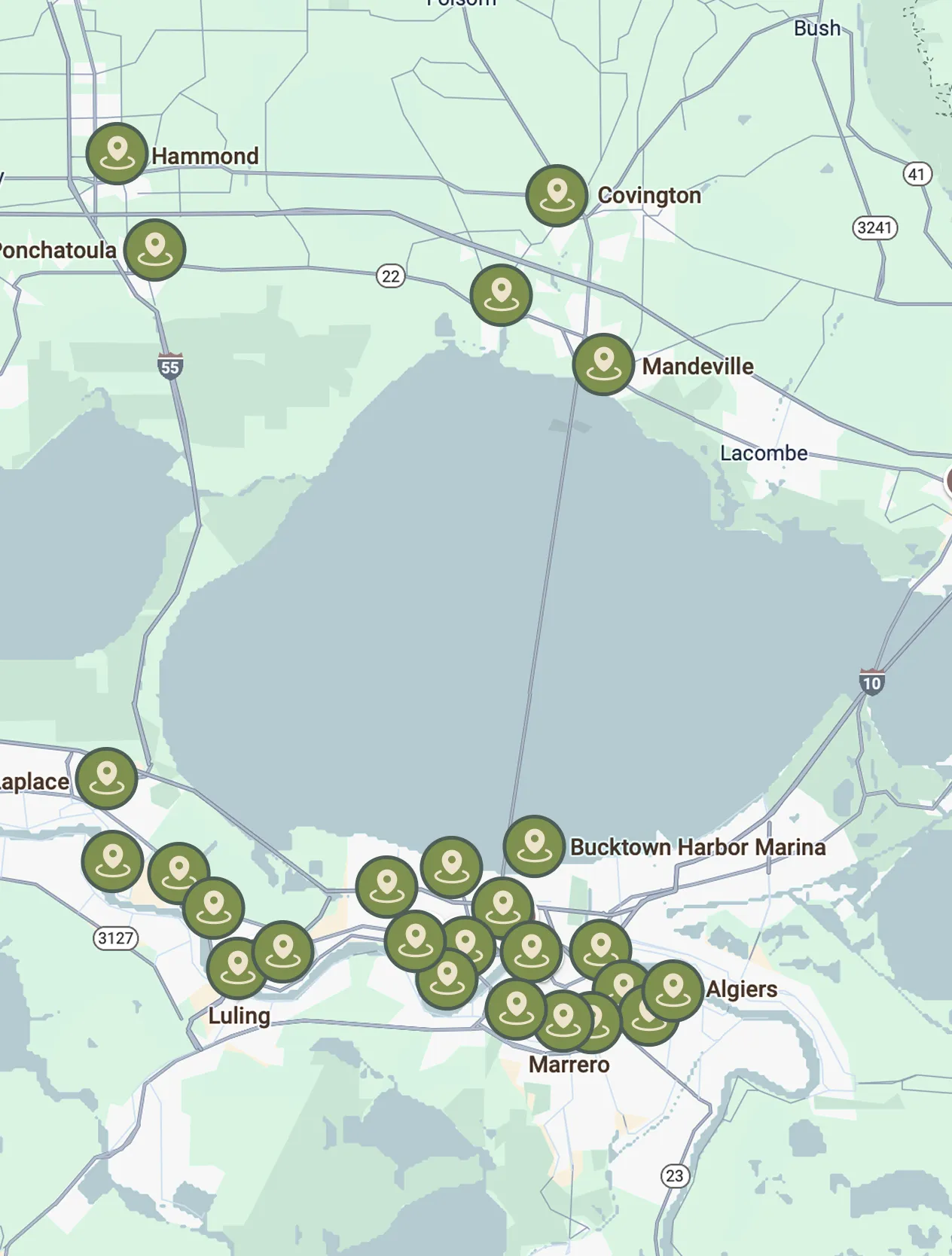
Our service areas are designed to meet the diverse needs of our clients. We focus on providing exceptional service and ensuring customer satisfaction in every location we operate.