Mini Split Installation in Shrewsbury, LA
.webp)
Mini Split Installation in Shrewsbury, LA
At Cypress Cooling, our mini split installation process in Shrewsbury, LA, is meticulously designed to deliver reliable comfort and ensure long term performance. The service begins with a thorough initial consultation and precise load calculations, followed by careful equipment selection, strategic zoning strategies, and optimal placement of both indoor and outdoor units. Refrigerant routing, electrical connections, and airflow balancing are completed with meticulous attention to detail to maximize efficiency. The process also includes navigating permitting requirements, commissioning the system, and providing a comprehensive homeowner orientation, along with clear timelines, information on available rebates, and guidance on post installation care. We provide maintenance tips to extend the system's life and sustain peak performance. With proper sizing and expert installation by Cypress Cooling, homeowners can enjoy energy efficient cooling and heating tailored to the local climate and their home’s unique layout—plus the added benefit of longer lasting equipment.
%2520(1)-min.webp)
Mini Split Installation in Shrewsbury, LA
A properly designed and installed mini split system is one of the most effective solutions for cooling and heating homes in Shrewsbury, LA. With hot, humid summers and occasional storm-driven humidity, your comfort and indoor air quality depend on a system sized and installed to handle local climate loads. This page explains the full mini split installation process for homeowners in Shrewsbury, LA — from the initial consultation and load calculations through permitting, commissioning, and post-installation care — so you know what to expect and why each step matters.
Why a mini split can be the right choice in Shrewsbury, LA
- Mini splits provide zoned temperature control, which is useful in homes with inconsistent cooling needs or rooms without ductwork.
- High humidity in Louisiana makes dehumidification performance important; modern mini splits can remove moisture while maintaining comfort.
- Many older Shrewsbury homes and additions lack ductwork or have complex layouts where duct retrofits are costly. Mini splits avoid duct losses and deliver efficient comfort where you need it.
- In flood-prone or high-groundwater areas, wall-mounted or high-mounted indoor units plus properly elevated outdoor equipment help protect components.
Common mini split installation needs and issues in local homes
- Adding AC to an upstairs bedroom, attic-conversion, or sunroom without existing ductwork.
- Replacing inefficient window units or baseboard heat with a quieter, more efficient mini split.
- Upgrading underpowered systems that struggle during Shrewsbury’s peak summer heat.
- Multi-zone installations for variable comfort across family living spaces.
- Concerns about outdoor unit placement due to yard space, drainage, or elevation requirements in flood-prone neighborhoods.
Initial consultation and load calculations
A reliable installation begins with a home visit and a room-by-room load calculation (Manual J or equivalent). This determines the correct capacity for each indoor unit and the total outdoor condenser size. A proper calculation considers:
- Local climate: summer design temperature and humidity typical for Shrewsbury, LA.
- Building envelope: insulation levels, window sizes and orientation, attic ventilation.
- Internal heat gains from appliances, occupants, and lighting.
- Desired indoor temperatures and zoning preferences.
Accurate sizing avoids short-cycling from an oversized system or poor comfort from an undersized one, and it maximizes efficiency and dehumidification in humid months.
Equipment selection and zoning strategies
Equipment choices include single-zone units for one room or multi-zone systems that serve multiple indoor heads from one outdoor condenser. Selection factors:
- Efficiency ratings (SEER/HSPF or local equivalents) appropriate for Louisiana climate.
- Indoor unit types: wall-mounted, ceiling cassette, floor console — chosen for room layout and aesthetics.
- Line length and elevation differences between indoor and outdoor units.
- Sound levels and air distribution for bedrooms and living areas.
Designing zones based on usage patterns (sleeping areas, living spaces, sunrooms) delivers the best comfort and efficiency.
Placement, refrigerant line routing, and electrical work
Proper placement ensures performance and durability:
- Indoor units should be positioned for even airflow, free of obstructions, and away from direct sunlight or heat sources.
- Outdoor condensers need solid, level bases with adequate clearance for airflow, elevated if local drainage or flood risk dictates.
- Refrigerant lines and condensate drains are routed through minimal, concealed runs while maintaining manufacturer line-length limits.
- Electrical work includes dedicated circuit sizing, disconnects, and integration with the home electrical panel. Panel capacity and code-compliant wiring are verified before installation.
All electrical and mechanical work follows local building codes and best practices to ensure safety and long-term reliability.
Commissioning, testing, and balancing
Commissioning validates system performance before handover:
- Evacuate refrigerant lines and charge refrigerant to specification; perform leak checks and pressure tests.
- Verify airflow and temperature split across indoor units; check superheat and subcooling where applicable.
- Program thermostats or controllers and demonstrate zoning controls, schedules, and any Wi-Fi features.
- Test condensate drainage to prevent future water issues and ensure condensate pumps (if used) work properly.
This phase ensures the system meets design expectations for cooling, heating, and dehumidification in Shrewsbury’s climate.
Permitting and code compliance
Mini split installation requires permits and inspections from the local parish or municipal authority. Common steps include:
- Submitting electrical and mechanical permit applications.
- Ensuring equipment selection and installation methods meet current energy and safety codes.
- Scheduling inspections for electrical, mechanical, and final sign-off.
Permitting protects homeowners by ensuring installations meet standards and can be important for insurance and future resale.
Post-installation walkthrough and homeowner orientation
A professional installation includes a thorough walkthrough:
- Demonstration of system operation, modes (cooling, heating, dry), and controller features.
- Filter location and cleaning/replacement instructions.
- Explanation of routine maintenance needs and seasonal checks.
- Documentation of system settings, warranty information, and any installed equipment labels.
Homeowners leave knowing how to operate the system for comfort and efficiency and how to care for it to maintain performance.
Estimated timelines and what affects them
Timelines vary based on system complexity and permitting. Typical benchmarks:
- Initial consultation and load calculations: 1 to 7 days.
- Equipment selection and permit submission: 2 to 10 days depending on permit turnaround.
- On-site installation: single-zone installs often completed in 1 day; multi-zone systems commonly take 1 to 3 days.
- Final inspections and commissioning: 1 to 7 days after installation, depending on inspector availability.
Factors that can extend timelines include custom mounting or structural work, long lead times for specific equipment models, or extended permitting requirements.
Rebates, financing, and efficiency incentives
Homeowners in Shrewsbury, LA may be eligible for federal, state, or utility-based rebates and efficiency incentives for installing high-efficiency mini split systems. Financing options are commonly available to spread installation costs over time. Eligibility often depends on system efficiency ratings and proper installation documentation, so keep records of equipment models, contractor statements, and permit information.
Long-term benefits and maintenance tips
- Energy savings and improved comfort with properly sized, zoned systems.
- Better humidity control during Louisiana summers, improving perceived comfort.
- Reduced noise and improved indoor air distribution compared with window units.
- Recommended maintenance: clean or replace filters every 1–3 months, clear outdoor condenser area, annual professional inspection and tune-up to maintain refrigerant charge and electrical integrity.
A well-executed mini split installation in Shrewsbury, LA delivers reliable, efficient comfort tailored to local climate conditions and the unique layout of your home. Proper planning, code-compliant installation, and regular maintenance protect that investment and ensure consistent performance year-round.
OUR CLIENTS HAVE TO SAY ABOUT US



Service areas
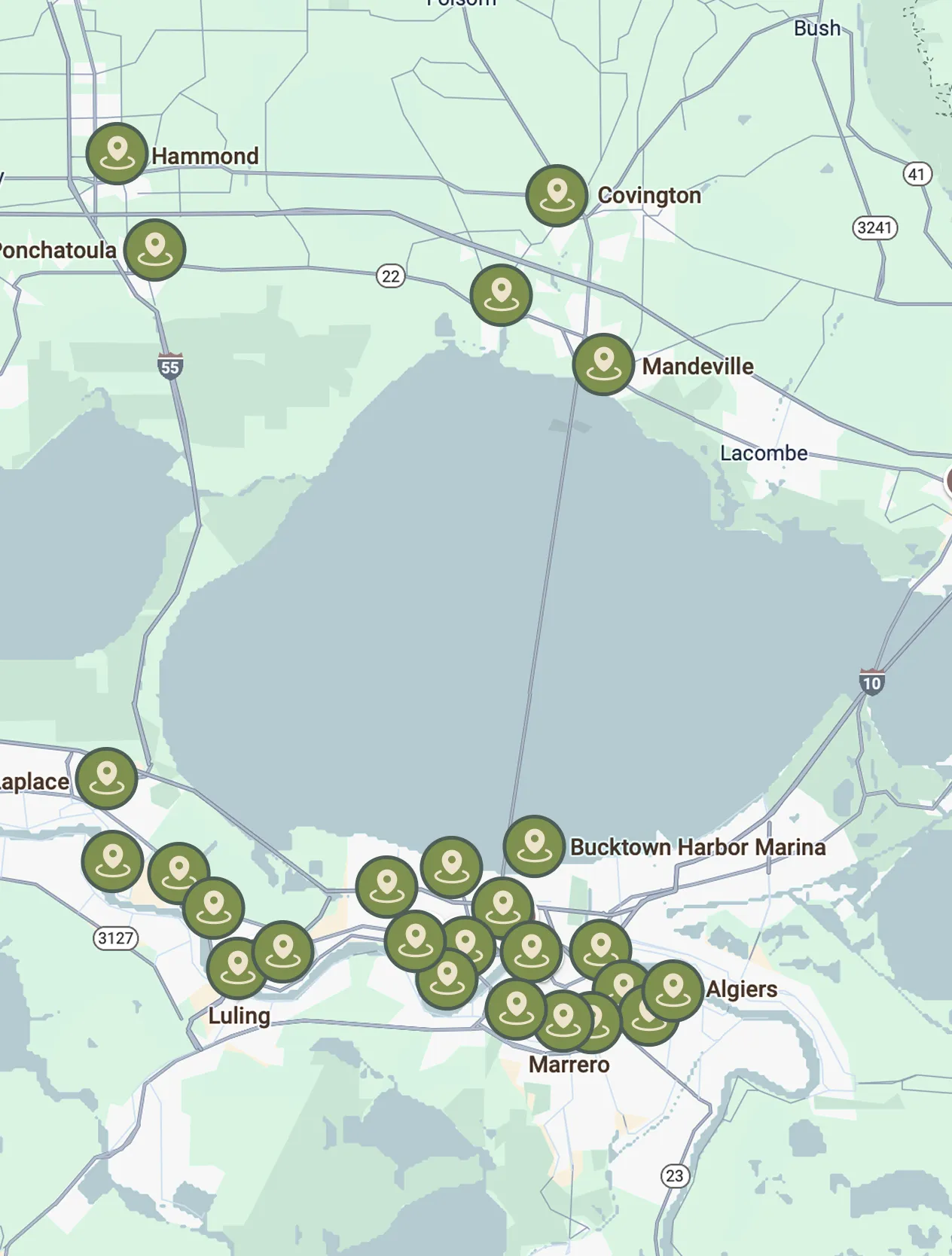
Our service areas are designed to meet the diverse needs of our clients. We focus on providing exceptional service and ensuring customer satisfaction in every location we operate.